
Taste GH
Golden, Airy, Irresistible: The Simple Magic of Bofrot
No elaborate fillings. No icing. Just nutmeg, a whisper of sugar, and decades of street-side perfection.


There’s a moment just before dawn in Accra when the air changes—still thick with harmattan dust but suddenly split by the sweet, yeasty whisper of bofrot hitting hot oil. That scent is an alarm clock no one resists.
For the uninitiated: bofrot is Ghana’s golden-fried dough ball, airy as a cloud, crisp on the outside, and tender within. No elaborate fillings. No icing. Just nutmeg, a whisper of sugar, and decades of street-side perfection.
Vendors pile them high in woven baskets near lorry parks, school gates, and market corners. A small bag costs pocket change, yet it fuels everyone from office workers to toddlers tugging at their mothers’ skirts.
Unlike heavier doughnuts, bofrot is surprisingly light—no greasy linger. It’s vegan by tradition, making it an accidental ally for plant-based travelers.
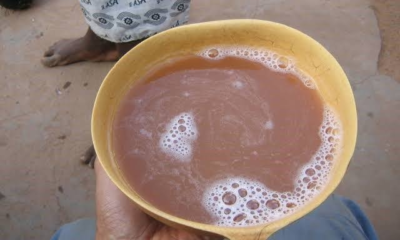
You’ll see Ghanaians tearing pieces to dip into koko (spiced millet porridge) at breakfast or eating them plain as a 4 p.m. pick-me-up. At weddings and outdoorings (naming ceremonies), bofrot arrives in pyramids, a quiet symbol of hospitality and joy.
@akosuahstastyrecipe NO FAIL GHANAIAN BOFROT🇬🇭 ✅INGREDIENTS 3 cups hard flour 1 cup sugar 1 pack instant yeast 1/2 teaspoon salt 1-2 teaspoon baking powder 1 teaspoon grated nutmeg 1 and half cup lukewarm water 1 teaspoon vanilla extract Oil for frying ✅NOTE Please make sure the water you will use for the yeast is lukewarm not hot #ghanatiktok🇬🇭 #fyp #foodblogger #viral_video #accra #foodies #homemade #bofrot #puff #puffpuff #doughnut @Flottycastiron_and_kitchen ♬ Big Baller – Flavour
Visitors often ask, “Is it just puff puff?” Close, but not quite. Bofrot has a tighter crumb, a deeper caramel blush, and a distinct Ghanaian soul.
Try one from a Mamprobi street cart, steam still rising. You’ll understand why no recipe book can replicate the rhythm of the woman who’s flipped a million of them—her wrist flicking dough into oil like she’s telling time. That’s the real secret.



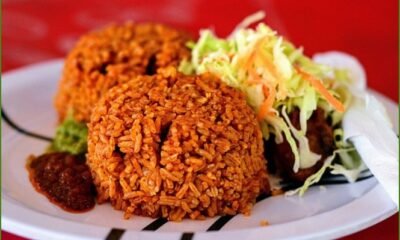


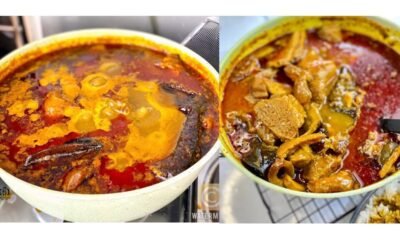

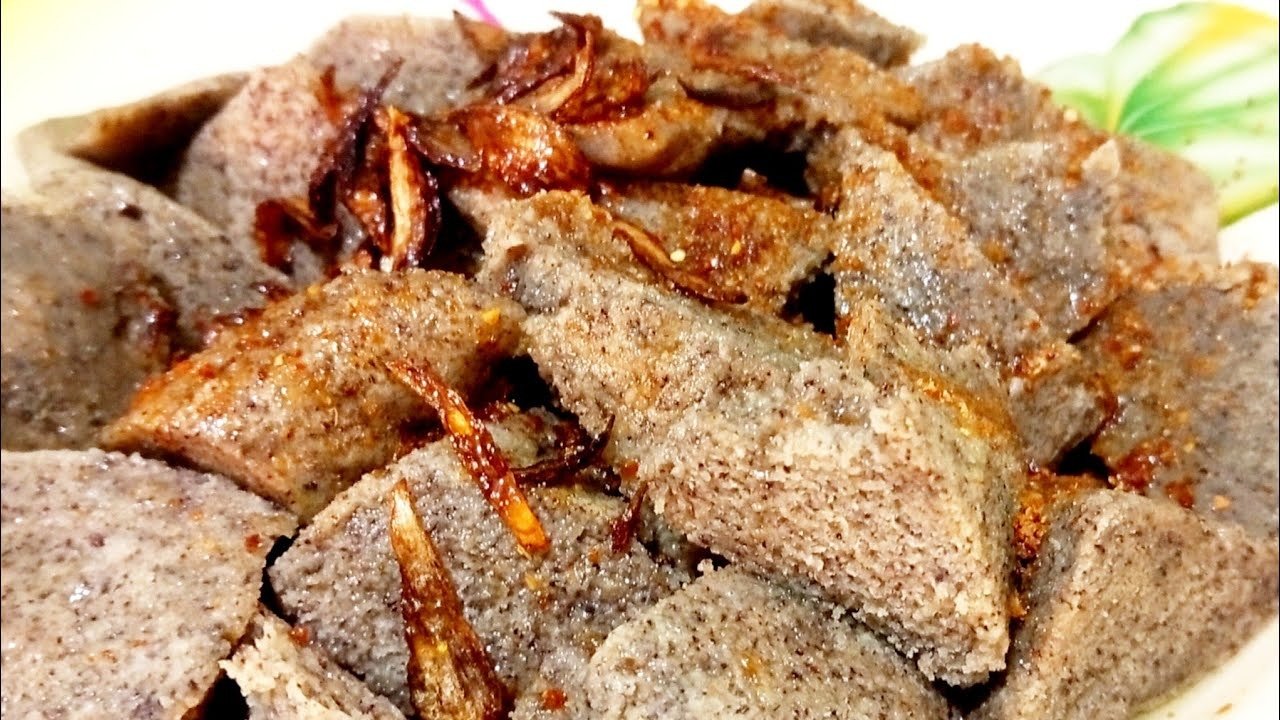
The first spoonful of Tubaani Beans carries more than the comfort of a good meal—it carries the taste of Northern Ghana, where beans, rice and groundnut oil come together in a dish rooted in everyday life.
While many Ghanaians in the south know rice and beans mainly through waakye, the northern preparation offers a character of its own.
Tubaani Beans can feature local varieties such as Bambara beans and Frafra beans, giving the dish a distinctive texture and earthy depth.
The beans are paired with rice and finished with groundnut oil, whose rich, nutty aroma adds warmth to every mouthful.
Then comes the pepper sauce: hot, bright and unapologetic. Its heat cuts through the richness of the beans and groundnut oil, creating a satisfying balance that keeps diners reaching for another spoonful.
For many communities across Northern Ghana, this is more than an inexpensive lunch. It is a practical meal shaped by the crops grown by farming families and the culinary traditions passed from one generation to another.
The beans provide plant-based protein, while the rice supplies energy, making the combination both filling and nourishing.
Its appeal also lies in its simplicity. There are no elaborate ingredients demanding attention; instead, the dish allows humble local produce to speak for itself.
For visitors discovering Ghanaian cuisine, Tubaani Beans offers a delicious introduction to the food culture of the north—a meal that is affordable, deeply familiar and unmistakably tied to the land.
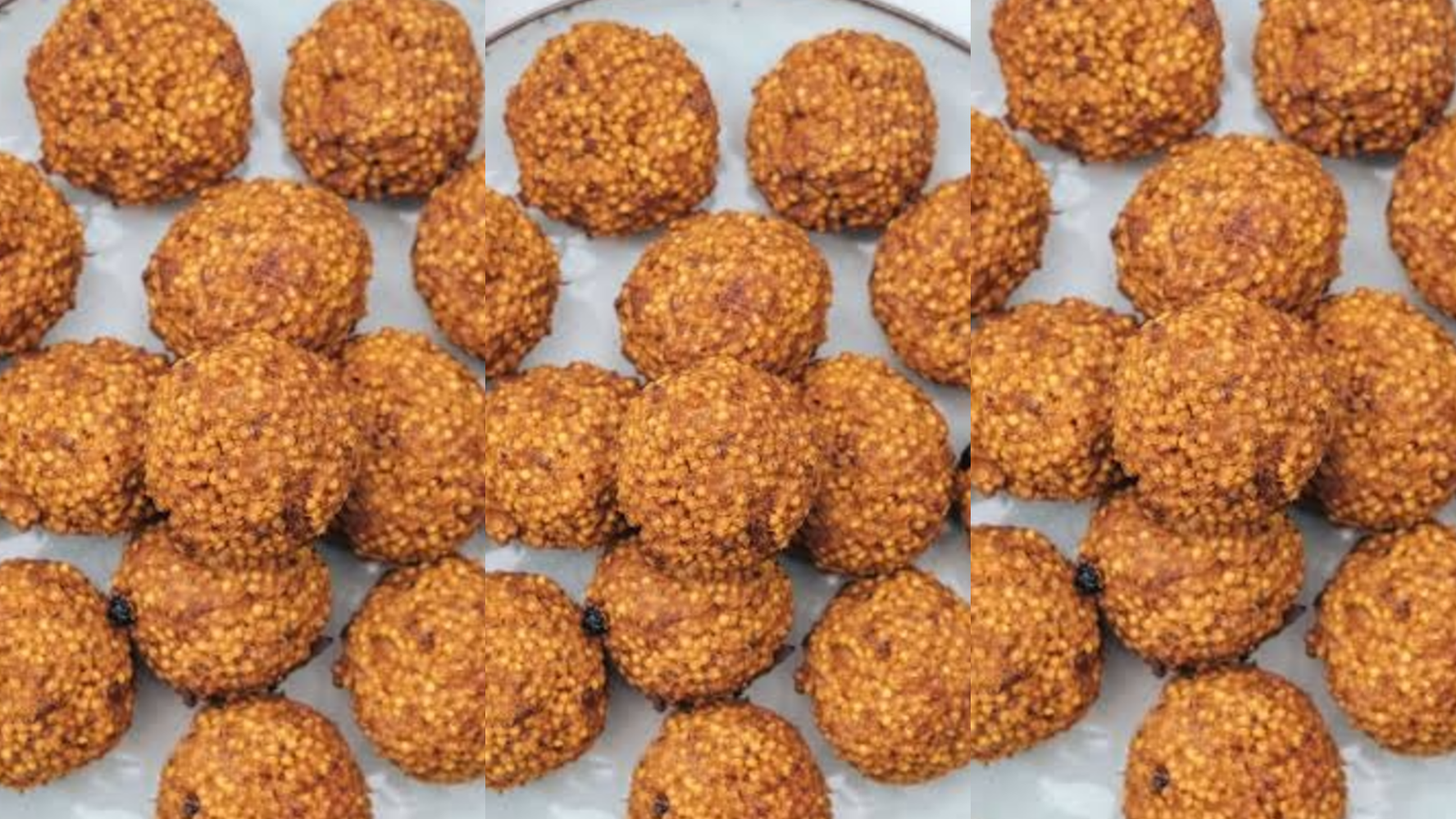
Long before packaged snacks became common, Kapala was already doing the job—fueling long days, satisfying hungry families, and proving that simple ingredients can create remarkable food.
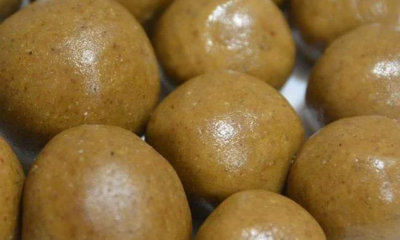
Known across parts of northern Ghana as millet balls, Kapala is made by cooking millet until it reaches a soft, thick consistency before carefully molding it into firm, round balls.
The result is a smooth, dense bite with a gentle nutty flavour that speaks to the grain’s natural earthiness.
It is filling without feeling heavy, making it a favourite for people who need lasting energy throughout the day.
Kapala’s versatility is part of its charm. It can be dipped into steaming bowls of soup, where it absorbs rich flavours while keeping its satisfying texture.
It is equally enjoyable with fresh milk for a lighter meal or paired with a spicy groundnut-based sauce that balances creamy sweetness with a warming kick.
The dish carries deep cultural significance beyond the plate. For generations, farmers have tucked Kapala into their bags before heading to the fields, relying on its portability and staying power through long hours of physical work.
In many ways, it represents Ghana’s traditional version of convenience food—made with care rather than processed for speed.
Its health appeal is just as compelling today. Millet is naturally rich in fibre, minerals and essential nutrients, making Kapala a wholesome choice for anyone looking for sustained energy and a nourishing meal rooted in local ingredients.
For visitors exploring Ghanaian cuisine, Kapala offers something more than a taste of millet. It offers a glimpse into a food tradition built on resilience, practicality and the enduring value of sharing simple meals.
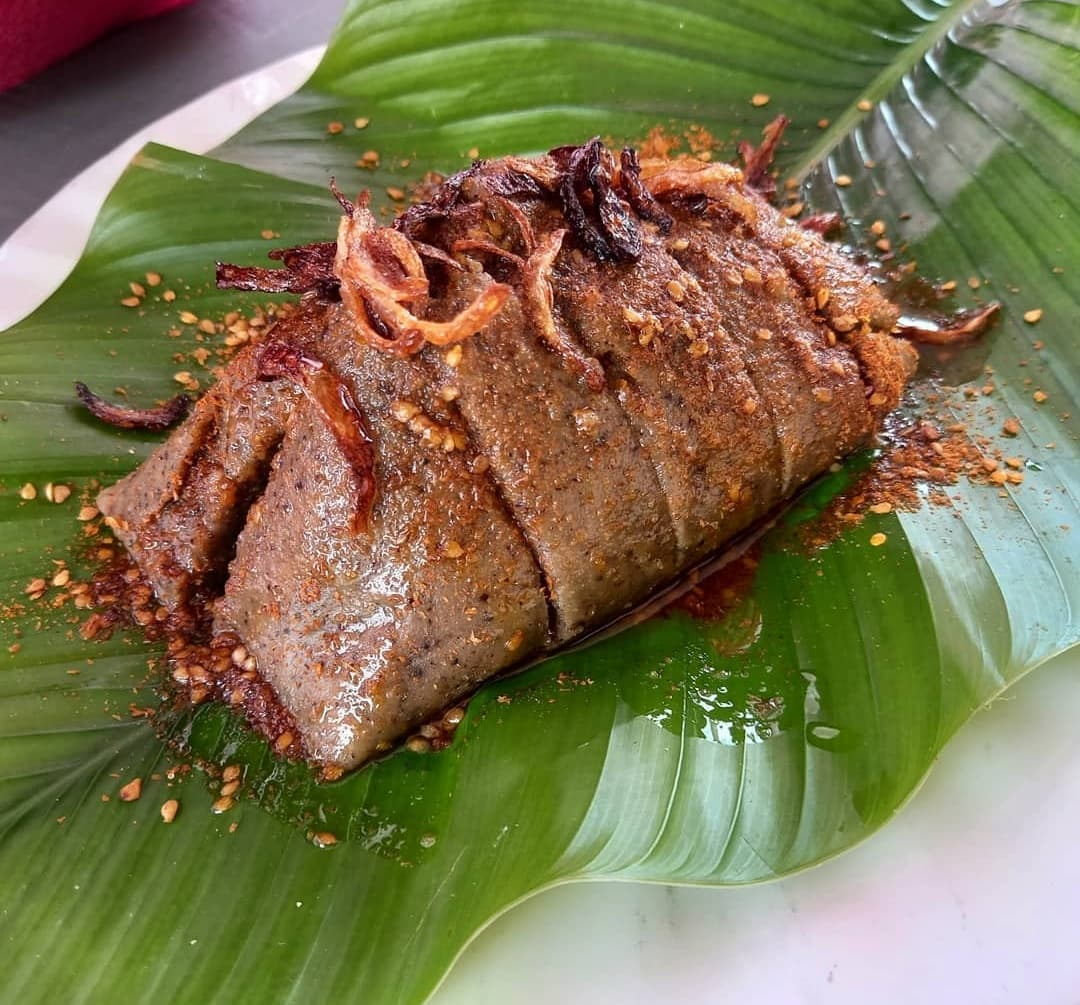
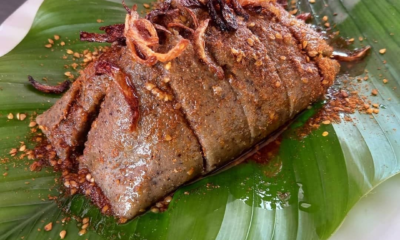
Some of Ghana’s most memorable dishes don’t arrive with dramatic presentation—they reveal their magic the moment the leaves are unwrapped. Tubaani is one of them.
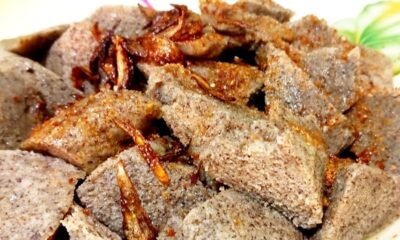
This steamed delicacy, made from black-eyed pea (cowpea) flour, has long been cherished for its simplicity and nourishing qualities.
The flour is mixed with water, lightly seasoned, and carefully wrapped in corn husks or banana leaves, then steamed until soft and tender.
When the wrapping is opened, a gentle, earthy aroma escapes, carrying the unmistakable scent of freshly cooked legumes and warm leaves.
Tubaani’s texture is part of its appeal. It is soft without falling apart, light yet surprisingly filling, making it an ideal companion to Ghana’s fiery pepper sauces.
Many people enjoy it with fried fish or meat, while others prefer it as a satisfying vegetarian meal that allows the rich flavour of the cowpeas to take centre stage.
Beyond its comforting taste, Tubaani holds a special place in community life. It frequently appears during festivals, family gatherings, and traditional ceremonies, where food becomes a way of bringing generations together.
Its preparation reflects an enduring cooking tradition that relies on natural wrapping techniques, allowing the leaves to impart subtle flavours as the dish steams.
Its nutritional value makes it just as relevant today as it has always been. Naturally rich in plant-based protein and fibre, Tubaani offers a wholesome meal that fits modern diets without losing its cultural roots.
For visitors exploring Ghanaian cuisine, Tubaani proves that extraordinary flavour can come from humble ingredients—and that some of the country’s greatest culinary treasures are wrapped in leaves rather than luxury.



-

 Ghana News2 days ago
Top Headlines From Ghanaian Newspapers: Monday, Sept. 7, 2026
-

 Festivals & Events2 days ago
Dzawuwu: The Volta Festival That Celebrates Agave Bravery
-

 Ghana News11 hours ago
How Ghana’s Government Pressured MTN, Telecel, and AirtelTigo to Cut Data Prices
-

 Sights and Sounds2 days ago
Trade Accra’s Traffic for Treetops at Legon Botanical Gardens
-

 Ghana News13 hours ago
Top Headlines From Ghanaian Newspapers: Tuesday, Sept. 8, 2026
-

 Health & Wellness2 days ago
Why 500 Sit-Ups a Day Won’t Reveal Your Abs
-

 Ghana News1 day ago
Ghanaian Vaccine and Medicine Manufacturers Get Ready Market After NVI Clinches Historic Deal to Sell to Africa’s Bulk Buying Group
-
 Taste GH1 day ago
Tubaani Beans: Northern Ghana’s Hearty Answer to Rice and Beans