
Fashion & Style
Who Told You White Was Reserved for Brides?

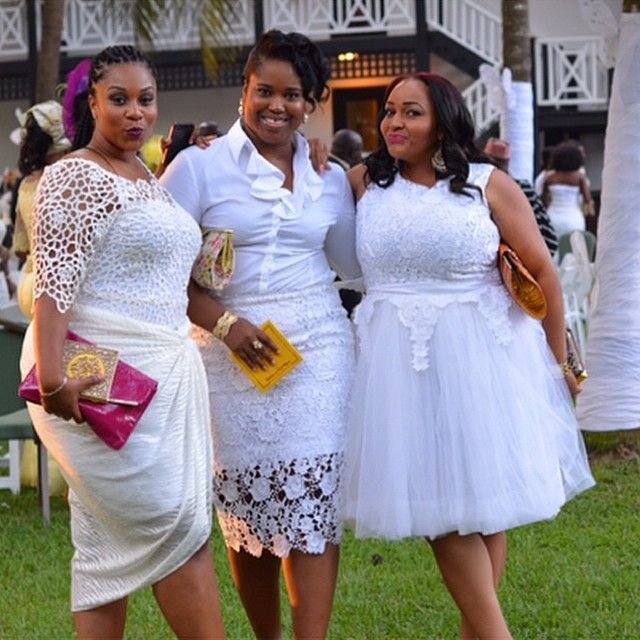
The first time my American friend attended a Ghanaian wedding, she clutched my arm like I had led her into a trap. “Another bride is coming,” she whispered, eyes fixed on a woman in a dazzling white lace dress sweeping past us. “Should we move?”
I laughed. The woman in white wasn’t a bride. She was somebody’s mother. And across the reception hall, three more women in white were fanning themselves near the DJ table.
My friend spent the next hour waiting for a confrontation that never came. No one pulled the woman aside. No aunties whispered. The actual bride showed up later in a gold kente heavier than a car engine, and somehow, everyone understood the assignment.
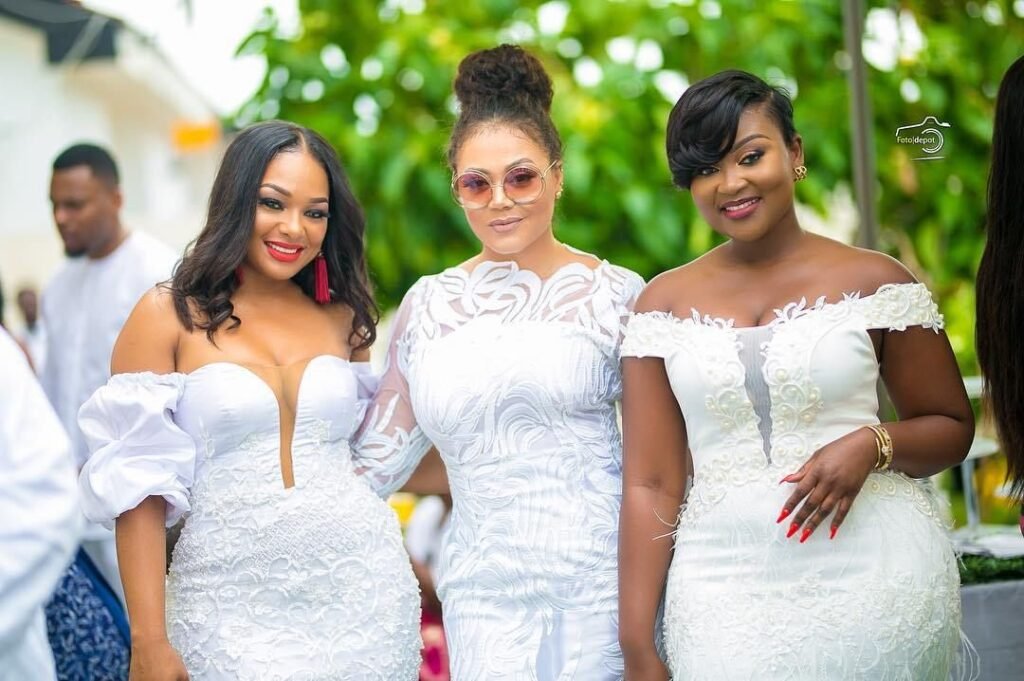
This confusion makes sense if you grew up where white means “look at me, I’m the main character today.” But in Ghana, we’ve never signed that particular rulebook. White here isn’t a threat to the bride. It’s a canvas.
Think about it. The Ghanaian wedding guest in white isn’t trying to upstage anyone. She’s responding to the heat, first of all. White reflects the sun that beats down on the church steps while we wait for the couple to finish taking photos. White lets her dance the kpanlogo without sweating through five layers of Ankara. White says, “I dressed up, but I also plan to eat fufu without passing out.”
There’s something else too. White in our context signals celebration. It’s the color of the cloth we drape over mourning clothes at funerals when we want to honor a life fully lived. It’s what the priest wears on joyful Sundays. It’s not stealing attention—it’s adding to the collective brightness of the occasion.
My grandmother put it simply once when a younger relative fretted about wearing white to a wedding: “Are you the one marrying the man? No? Then wear your white and mind your business.”
She wasn’t being dismissive. She was stating a cultural fact. In Ghana, we understand that a bride’s importance doesn’t rest on being the only person in a particular color. Her importance rests on the vows, the family alliances forming, the palm wine about to flow. No amount of white lace in the crowd can touch that.
So if you’re coming to a Ghanaian wedding and staring at your suitcase full of color, wondering if you should leave the white dress behind—don’t. Pack it. Wear it. Just know that when you step out looking like a cloud, nobody will mistake you for the bride. They’ll simply see another person ready to celebrate, properly dressed for the weather and the occasion.
And really, isn’t that the point?






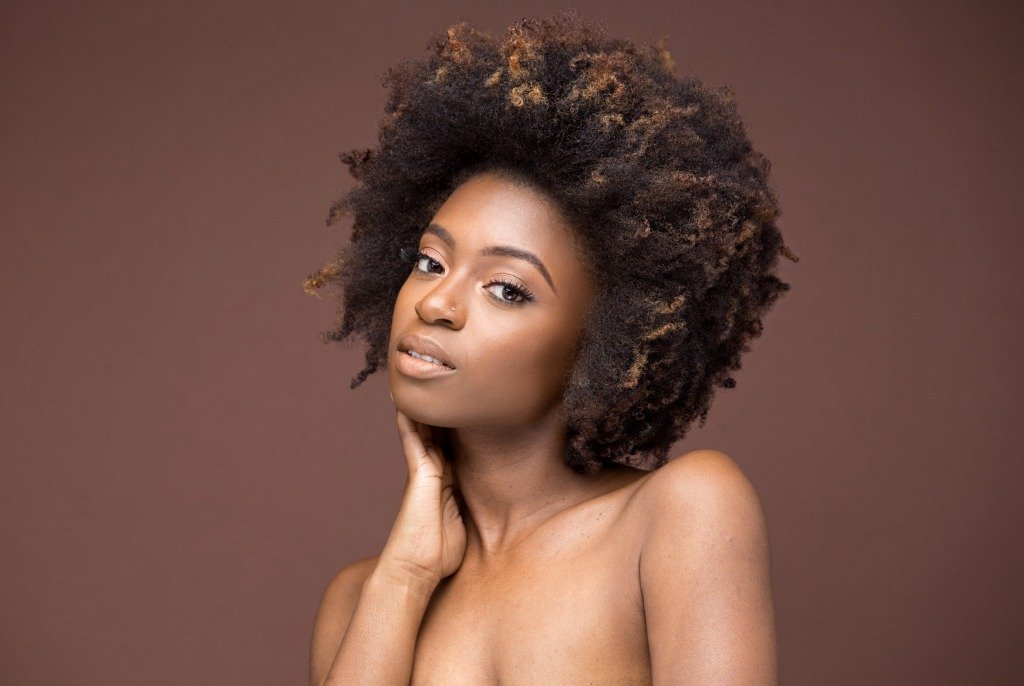
The most powerful beauty transformation is not always a new hairstyle. Sometimes it begins with a woman standing in front of a mirror and asking a difficult question: Who am I trying to impress?
That question sits at the heart of a growing conversation around natural Afro hair, where confidence is becoming as important as curl definition.
For many Black women, wearing an Afro, twists, coils or locs is no longer simply a style choice.
It can represent a quiet rejection of years of messaging that suggested straight hair was the safest route to acceptance.
The shift is happening both offline and online. Social media feeds once dominated by a single beauty ideal are increasingly filled with women documenting their natural-hair journeys, sharing wash-day routines, protective styling techniques and photographs taken simply to learn how to appreciate their own features.
The message is less about perfection than familiarity: what once felt unusual begins to feel beautiful through repeated exposure.
The conversation also challenges the emotional weight attached to beauty rituals. Wigs and weaves remain popular fashion accessories, but many women are questioning whether those choices are expressions of creativity or habits shaped by outside expectations.
The distinction matters because confidence grows differently when appearance becomes a personal decision rather than a performance for approval.
There is also a practical side to the discussion. Excessive heat styling, chemical treatments and tight hairstyles can affect hair health, while maintaining certain looks carries financial costs that are rarely discussed alongside beauty trends.
The new natural-hair movement is not asking women to abandon weaves or straightened styles. It is asking for something simpler: the freedom to choose every hairstyle without feeling compelled to hide the one that grows naturally. That may be the boldest fashion statement of all.
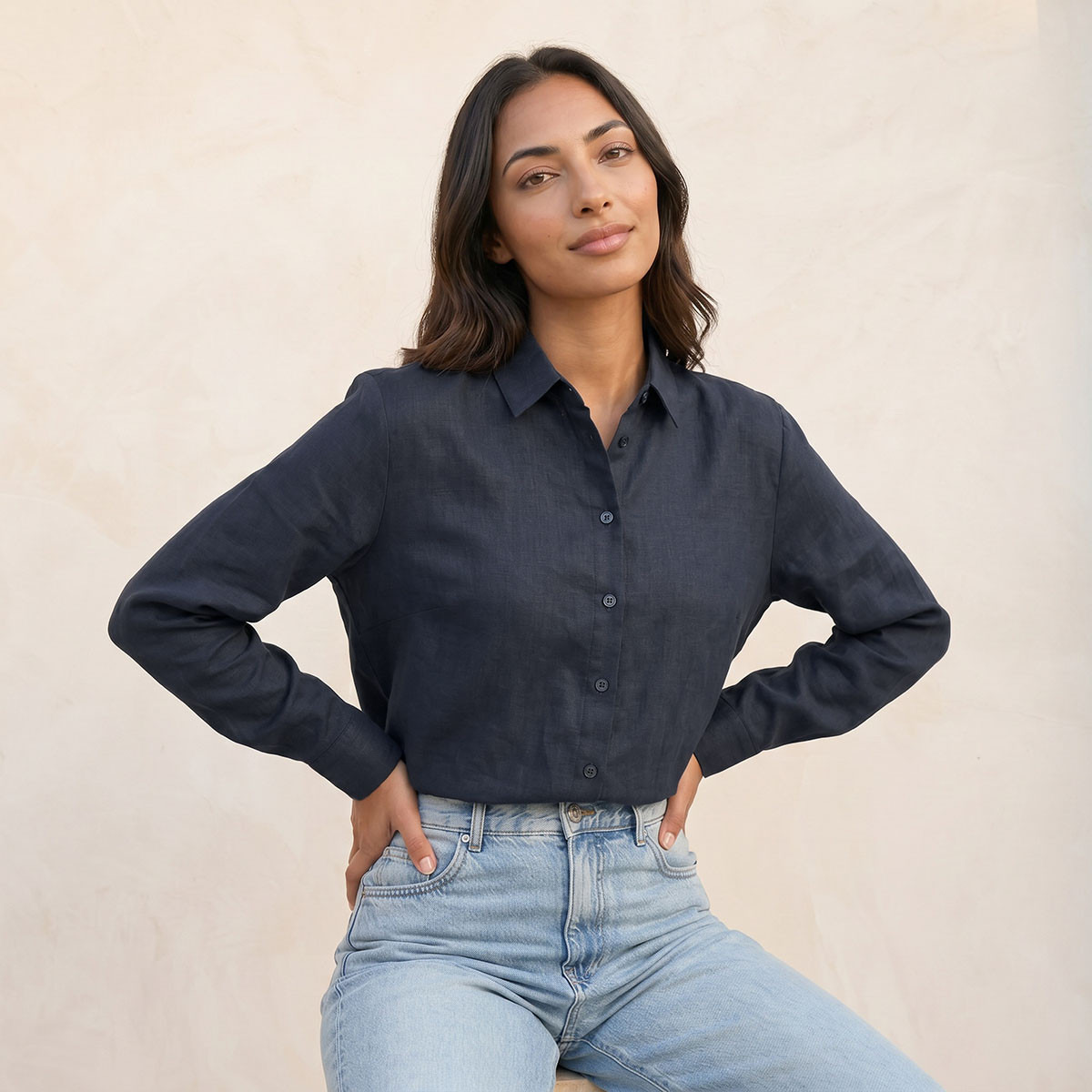
The most stylish wardrobes are rarely the biggest. More often, they’re built around a handful of pieces that keep showing up—at work, at dinner, on weekend outings, and even on holiday.
The secret isn’t buying more shirts. It’s buying the right ones.
In Ghana, where a single day can move from a business meeting to an evening gathering, versatility matters.
A well-chosen shirt becomes less of a fashion purchase and more of a reliable companion, adapting to different settings with a simple change of trousers, jewellery, or shoes.
The classic button-up shirt sits at the heart of that approach. In white, black, or navy, it carries the quiet confidence of a piece that never needs to compete for attention.
A tailored fit with darts gives it shape, making it feel polished without trying too hard.
Then comes the silk or satin shirt, the wardrobe’s effortless mood-lifter. In champagne, chocolate brown, or burgundy, it brings elegance to everyday denim and proves that texture can be just as powerful as colour.
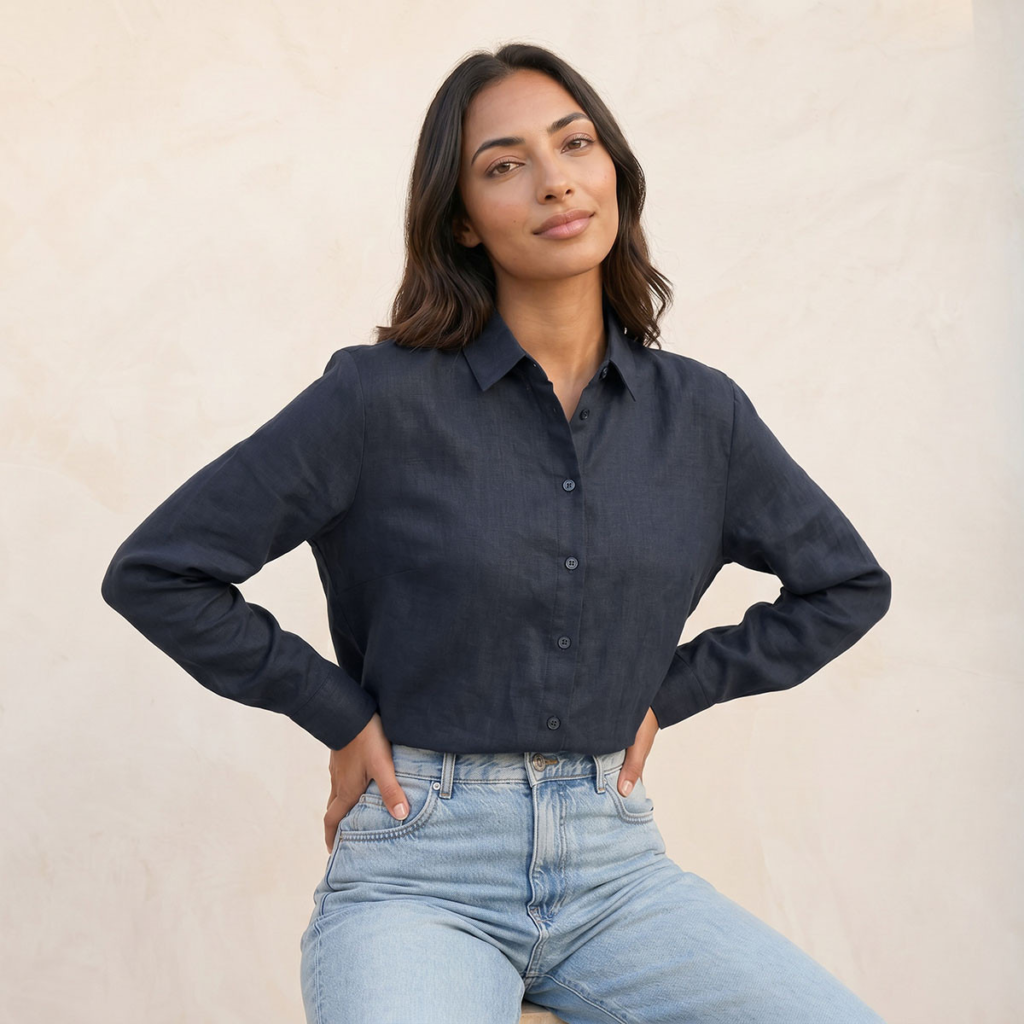
For Ghana’s warm climate, the linen shirt earns its place.
Breathable and relaxed, it works equally well over a camisole, buttoned neatly for lunch, or thrown over swimwear on a trip to the coast.
The wrap shirt introduces a softer silhouette, with its V-neckline and waist-defining shape making it an easy choice for both office days and dinner plans.
Finally, the striped shirt adds timeless character, with blue-and-white or black-and-white stripes giving even the simplest outfit a fresh rhythm.
Fashion trends will continue to come and go. These five shirts offer something more valuable: a wardrobe that works harder, lasts longer, and lets personal style—not constant shopping—take centre stage.
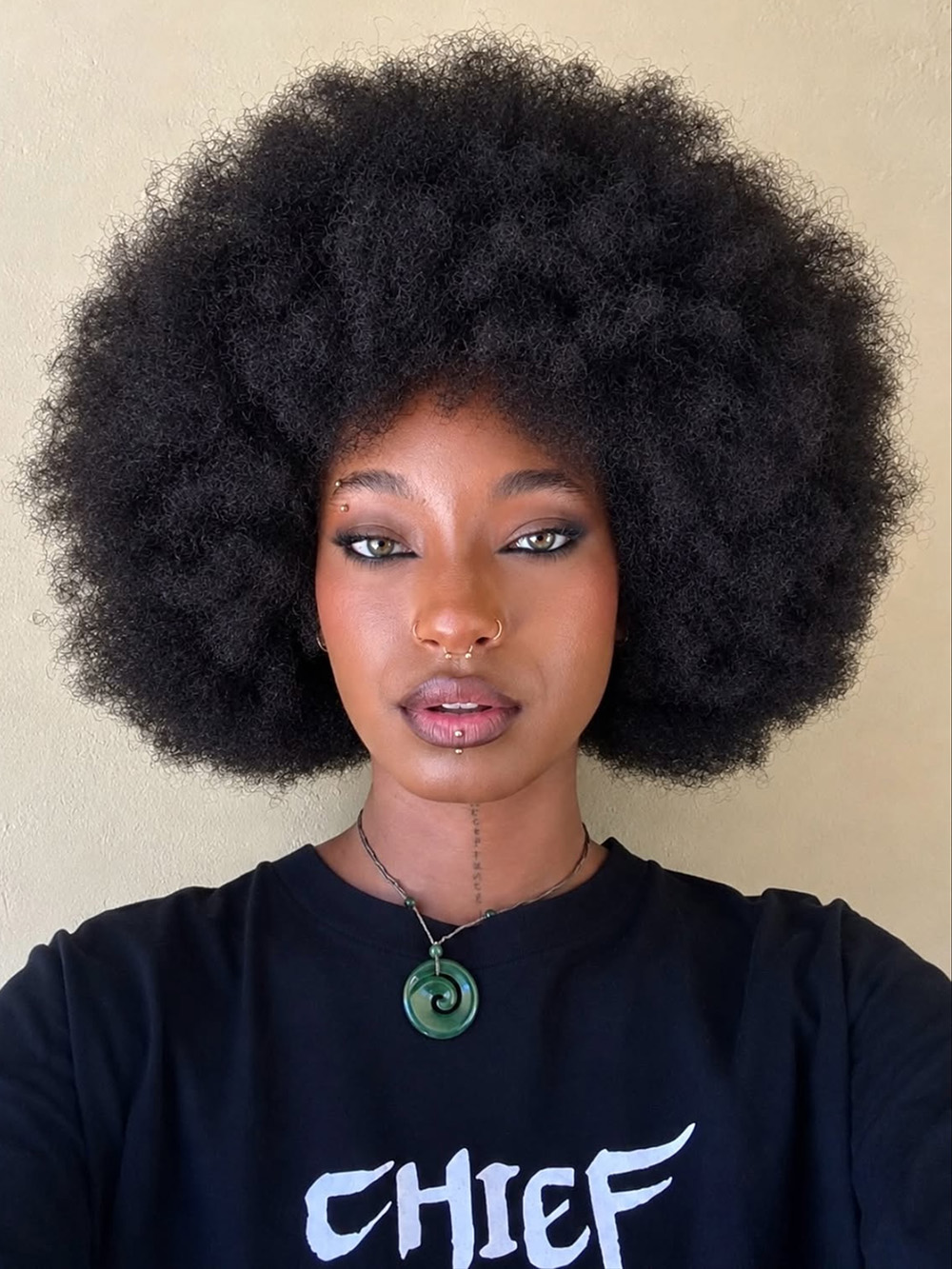
At a wedding filled with celebrity glamour and polished eveningwear, Willow Smith proved that the strongest fashion statement did not need sequins or dramatic silhouettes.
It was her natural afro that captured attention at Jordyn Woods and Karl-Anthony Towns’ star-studded celebration, turning a simple black outfit into one of the event’s defining style moments.
Photographed alongside Jodie Woods, Nala Wayans, Marley G. King, and Kennedy Rue, Willow embraced a look built on restraint rather than excess.
The group coordinated in elegant black ensembles, creating a timeless aesthetic that allowed each woman’s individuality to stand out.
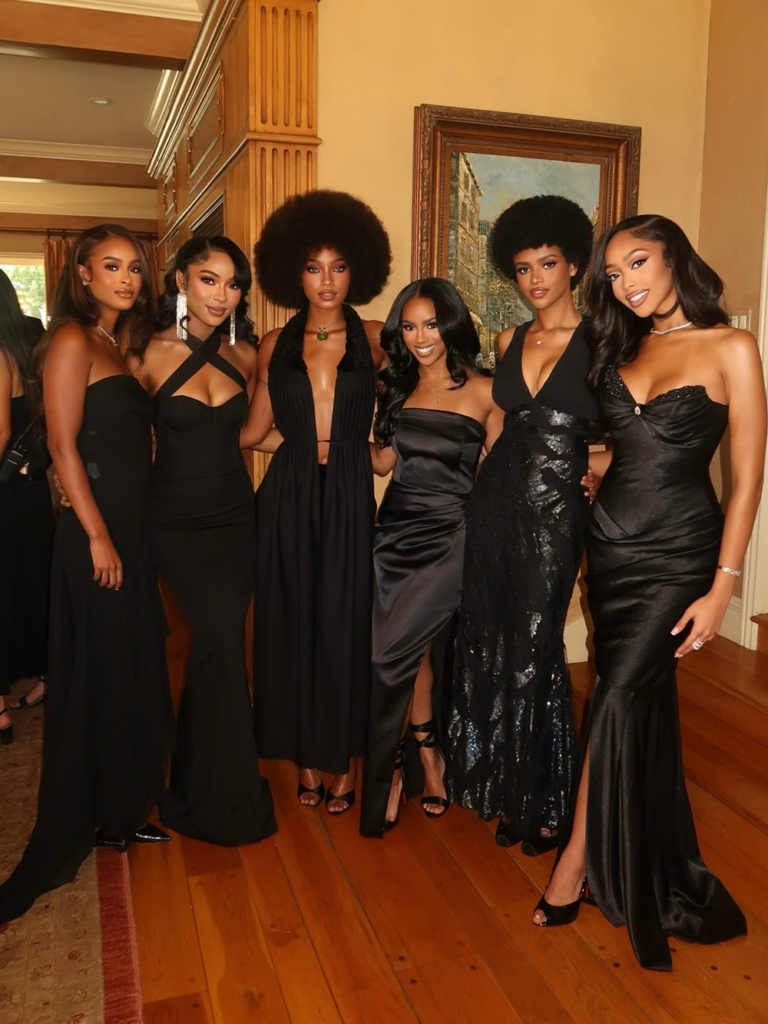
Yet Willow’s full, textured afro became the image’s focal point, framing her face with effortless confidence and reminding audiences that natural hair can carry the same red-carpet impact as any elaborate hairstyle.
The reaction online reflected a broader shift in fashion and beauty culture. Across Africa and the global Black diaspora, natural hair has become more than a personal preference.
It has evolved into a powerful expression of identity, heritage, and self-definition. What once faced pressure to conform to narrower beauty standards is increasingly celebrated on magazine covers, runways, and high-profile events.
For readers in Ghana, where natural hairstyles continue to gain prominence in fashion campaigns, creative industries, and everyday street style, Willow’s appearance feels especially familiar.
Her choice echoed a growing confidence among women who see afros, twists, braids, and coils as fashion statements rather than alternatives to glamour.
What made the moment memorable was its simplicity. There were no oversized accessories competing for attention, no extravagant styling designed to dominate the frame.
Instead, five women embraced understated elegance, and Willow’s unapologetic natural crown became the detail people could not stop talking about.



-

 Ghana News2 days ago
Top Headlines From Ghanaian Newspapers: Monday, Sept. 7, 2026
-
 Festivals & Events2 days ago
Dzawuwu: The Volta Festival That Celebrates Agave Bravery
-

 Ghana News15 hours ago
How Ghana’s Government Pressured MTN, Telecel, and AirtelTigo to Cut Data Prices
-

 Sights and Sounds2 days ago
Trade Accra’s Traffic for Treetops at Legon Botanical Gardens
-

 Ghana News16 hours ago
Top Headlines From Ghanaian Newspapers: Tuesday, Sept. 8, 2026
-

 Health & Wellness2 days ago
Why 500 Sit-Ups a Day Won’t Reveal Your Abs
-

 Ghana News2 days ago
Ghanaian Vaccine and Medicine Manufacturers Get Ready Market After NVI Clinches Historic Deal to Sell to Africa’s Bulk Buying Group
-
 Taste GH1 day ago
Tubaani Beans: Northern Ghana’s Hearty Answer to Rice and Beans