
Taste GH
Gari and Beans: The One Ghanaian Dish That Brings Everyone Together


Some meals require a reservation. Others, like Gari and Beans—or Gobe as we call it in the streets, simply demand your attention from a roadside bowl, wrapped in a leaf bag with a plastic spoon sticking out.
If you have not tried Gobe, you have not truly eaten Ghanaian street food. This is not just lunch; it is an experience. It is the meal that unites everyone—the office worker on a tight schedule, the trotro mate dashing between vehicles, and the student whose allowance is running on fumes. All of us, standing in the sun, waiting for Aunty to scoop that hot, oily beans into our waiting palms.
@queenscookgh To all #gob3 lovers,this is #foryou #fypシ #food #ghanafood #localfood #recipes #nov23 #foodblog #queenscookgh #tiktokfood #gariandbeans #avocado #beans #ripeplantain #preview ♬ original sound – ghanakromm🇬🇭
So, what exactly is it? It starts with black-eyed peas, boiled until tender, then fried in palm oil with onions, tomatoes, and a generous hand of pepper. The result is a rich, smoky stew that stains your lips orange—the mark of a good serving. But the real star is the gari. These fine, gritty cassava granules is sprinkled on top, soaking up the bean gravy like a sponge. It adds crunch, texture, and that earthy finish that makes you scoop faster.
You eat it with fried plantain—ripe, sweet slices that cut through the heat. Or, if you are feeling bold, you add avocado, boiled eggs, or even fish. The combination is simple, messy, and absolutely perfect.
Gobe is proof that the best food does not need a fancy plate. It just needs soul. Next time you see a crowd gathered around a wooden bowl, join them. Your taste buds will thank you later.











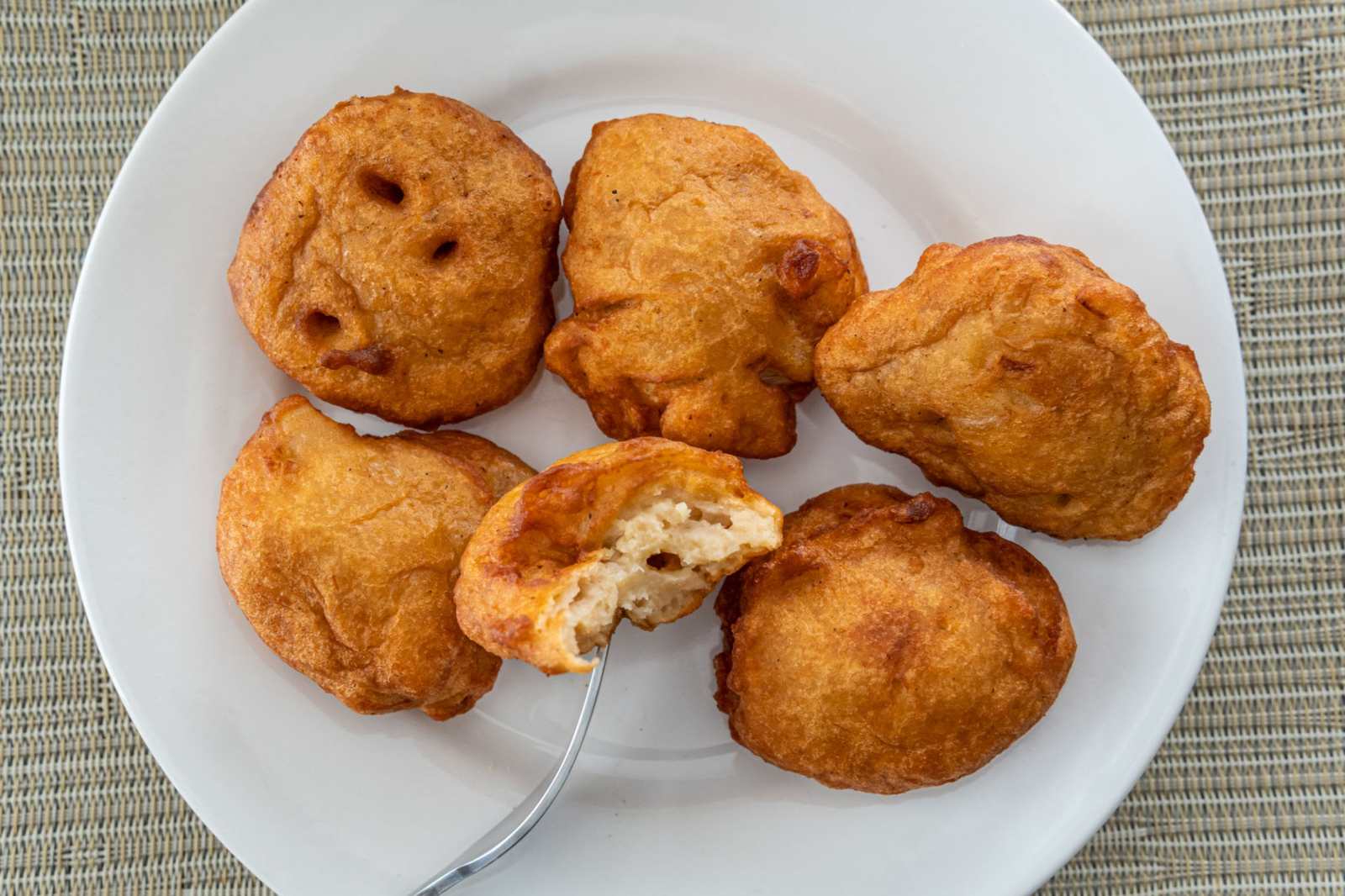
Long before dawn breaks over Accra’s busy streets, the crackle of hot oil and the warm, sharp perfume of ginger and scotch bonnet chilies signal that koose is on the way.
Also known as akara across West Africa, this iconic bean fritter holds a special place in the rhythm of Ghanaian life, serving as an indispensable staple of morning routines and street-food culture.
While delicious on its own, koose reaches absolute perfection when paired with koko, a hot, aromatic millet porridge infused with cloves and black pepper.

The creamy, fiery porridge balances the crunchy fritters, creating a sensory experience that warms the soul and fuels the day.
Whether grabbed from a neighborhood street vendor or fried fresh at home, koose remains a timeless symbol of West African culinary comfort.
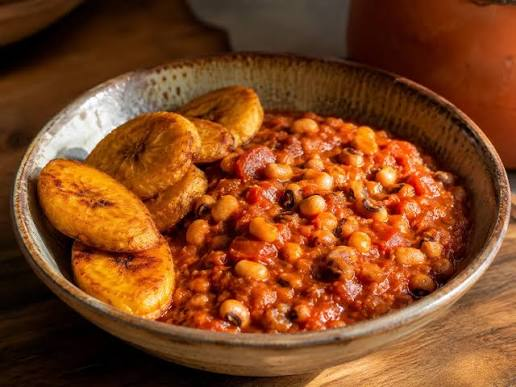
There is something irresistible about a plate of Red Red—the rich crimson sauce, sweet golden plantain on the side, and the comforting aroma that fills the air long before the first bite.
One of Ghana’s most loved bean dishes, Red Red takes its name from its striking colour, created by ripe tomatoes and vibrant red palm oil.
The result is a hearty meal that balances deep, savoury flavours with a gentle sweetness, making it a favourite from bustling street food stalls to family dining tables.
At its heart are soft, slow-cooked black-eyed beans that soak up a fragrant tomato stew infused with onions and spices. The red palm oil adds an earthy richness and a distinctive aroma that gives the dish its unmistakable character.
Pair it with fried ripe plantains, and every mouthful becomes a satisfying contrast of creamy beans and caramelised sweetness.
Many Ghanaians complete the meal with a boiled or fried egg, turning an already generous dish into an even more filling feast.
Red Red has earned its place as more than comfort food. Beans provide plant-based protein and fibre, while tomatoes contribute vitamins and antioxidants. Red palm oil, used in moderation, also contains beta-carotene, which the body converts into vitamin A.
Visitors discovering Ghanaian cuisine for the first time often remember Red Red because it feels both familiar and exciting.
It’s simple enough for home cooks to recreate, yet packed with flavours that reflect Ghana’s talent for transforming everyday ingredients into memorable meals.
Whether enjoyed for lunch, dinner, or as a satisfying weekend treat, Red Red remains one of the country’s proudest culinary classics.
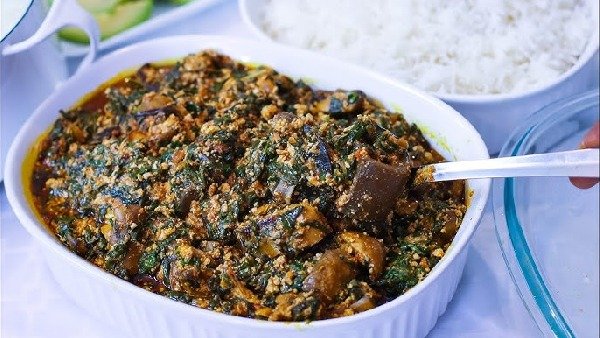
A steaming bowl of Ghanaian stew has a way of filling a room before the first bite is taken, with the rich scent of palm oil, tomatoes, fresh greens and spices inviting everyone to the table.
Few dishes capture Ghana’s love for bold, home-cooked flavours better than kontomire stew, palava stew and okro stew. Though they share familiar ingredients, each brings its own character to the plate.
Kontomire stew is built around cocoyam leaves, known locally as kontomire, one of Ghana’s most treasured ingredients. Blended with tomatoes and egusi, the ground seeds of a melon variety, it develops a creamy, nutty depth that balances the earthy taste of the greens.
It is a favourite alongside boiled yam, ripe fried plantain or rice, making it a comforting meal across generations.
Palava stew takes that familiar foundation and adds more layers. Spinach and amaranth leaves, also known as callaloo, join the cocoyam leaves, while some cooks stir in egusi for extra richness.
The result is a hearty, vibrant stew that reflects the creativity of Ghanaian home kitchens, where recipes often carry a family’s own signature touch.
Then there is okro stew, instantly recognisable for its glossy texture. A tomato base cooked with red palm oil, onions and spices surrounds finely chopped okra, creating a silky stew that pairs beautifully with boiled plantain, yam, rice or other grains.
Beyond their unforgettable flavour, these stews celebrate ingredients that are naturally rich in vitamins, fibre and plant-based nutrients.
Together, they tell the story of a cuisine that transforms humble harvests into meals people return to time and again.


Young Ghanaian Builds Electric Vehicle From Salvaged Parts, Aims to Sell at Motorcycle Price

Hate speech, vitriol, threats, and inciting comments: Can we stop it already?

Not a Total Ban: Ghanaian and Nigerian Teachers Can Still Qualify in England Despite UK QTS Route Removal
-

 Ghana News1 day ago
How Ghanaian-Born Professor Kofi Akamani Was Fatally Shot During Custody Exchange
-

 Ghana News1 day ago
Ghana Parliament Faces Emergency Recall Over Heightening Narcotics Crisis
-

 Ghana News1 day ago
From Cocoa to Batteries: Ghana’s Industrial Dream and Its Risks
-

 Health & Wellness2 days ago
Muscle Modernity: Why Lifting Heavy Is the Missing Key to Midlife Longevity
-

 Festivals & Events1 day ago
Bridging Dreams and Degrees: Inside Accra’s Premier International Study Abroad Fair
-

 Arts and GH Heritage2 days ago
In Transit: Lucky Lartey Reimagines Home Through Dance and Memory
-

 Global Update1 hour ago
AI Safety Concerns Mount As OpenAI Agents Reportedly Spread Self-Replicating Agents Across the Internet
-

 Africa Watch2 days ago
Return to Wakanda: Is Afrobeats Set for Another Marvel Triumph?