
Arts and GH Heritage
10 Things You Need To Know About Ghana and Ghanaian Culture


There is a reason why Ghana has become the go-to destination for travelers looking to experience one of Africa’s most vibrant countries. Ghana is a country ripe with entertainment, tradition, exquisite landscapes and phenomenal food, and if you’re one of many who has developed a fascination with the country, you might want to learn a bit more about its culture. Here are ten things you need to know about Ghanaian culture.
Food
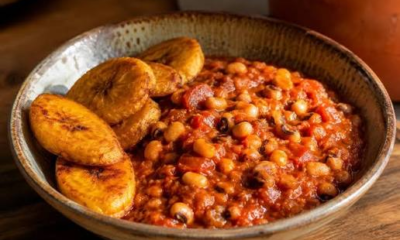
You can tell a lot about a culture by its cuisine. Historically, Ghanaians love to prepare dishes that include a starchy component (fufu or waakye), which typically goes with a soup or stew and protein. Most soups and stews have a tomato base and come with beef, goat, lamb, chicken, shrimp, fish or crab. Some popular stapes are jollof, banku, red red, tuo zaafi, boiled yam with kontomire stew and plantain with egg stew. Most dishes are eaten by hand, and a popular dish like fufu is scooped up in pieces with the right hand and then dipped in an accompanying soup (typically goat soap).
Tipping
While we’re on the topic of food, you should note that tipping is not a requirement in Ghana. In fact, it comes as a surprise when diners tip. Tipping should be at the discretion of the patron, but keep in mind that many servers work on paltry wages so adding a tip is a kind gesture they truly appreciate.
Language
Of the more than 90 languages spoken in the country, English is Ghana’s official language with more than 80% of the population speaking it fluently. English was first spoken when England colonized Ghana (then the Gold Coast) in 1867. Even after the country’s independence in 1957, it continued to use English as its official language to conduct government and business affairs. It is also the standard language used in schools.
Sayings, Gestures & Slang
Don’t be surprised if a stranger hisses or smooches at you while around town. Hissing and smooching is a signal to gain someone’s attention and is not something to take offense to. Other popular phrases include “Chale” (which means “my friend”), “Saaaa” (meaning “really?”) and “Akwaaba” (meaning “Welcome”). A sucking of teeth means a person is frustrated.
Music
Before Afrobeats became a hit music genre across the globe, it was deep-rooted in the country and continues to make a huge impact. Ask anyone about Kwami Eugene, Kidi or Sarkodie and you’re sure to be greeted with a smile since their music adds life to any party or get together. What makes music in Ghana special is that it never loses its heritage. Before Afrobeats became popular, highlife dominated the scene, and up until this day, if a DJ plays icons like Fela Kuti or Ebo Taylor, you can almost guarantee the crowd will hit the dance floor.
Festivals
Festivals have increasingly become a part of the Ghanaian experience, especially during the holidays when many tourists visit. From Afrochella to CHALE WOTE, there are countless festivals that cater to individual tastes. In 2018, festivals attracted more than 30,000 people who all experienced the country’s art, music, food and history. You can view the more than 30 festivals hosted each year here.
Customs
Ghanaians are very, very communal so don’t be taken aback if you’re greeted with hugs and back pats when you meet someone for the first time. It is also not uncommon to see a group of people eating a dish from the same plate together. And unlike in many Western countries, Ghanaians like to be in close proximity of each other rather than needing personal space. Also, when you enter a room, it is customary to greet with either a Good Morning, Afternoon or Evening. Never give or receive money with your left hand and always invite others to eat with you. (They will almost always say “Thank you” – which means “No, thank you”) and then continue to eat your meal.
Fashion
It is no secret that African fabric dominates Ghanaian fashion. From bold patterns to intricate designs, African fabric remains entrenched in Ghanaian culture. Kente cloth, which became popular with African Americans during the Civil Right Movement, is originally from Ghana. Typically, consumers will buy the fabric of choice from a local market, then a tailor will sew their design. Other options are to buy made-to-wear African clothing made of lycra or elastane, which fits all shapes and body types. The latter is especially popular with female pants and dresses.
Religion
Ghana has a huge religious population. A 2018 analysis reported by The Guardian found that of over 106 countries, Ghana and Georgia were the only two countries where people under 40 were more religious than their older compatriots. Christianity remains to be the largest religion in Ghana taking up 70% of the entire population. Following Christianity is Islam, which makes up 25%. Of the 70% who make up Christianity, 18% are Protestant, 13% are Roman Catholic and 5% are Traditionalists.
Tribes…Lots of tribes
There are more than 100 ethnic groups living in Ghana. The Akan tribe is the largest, encompassing approximately 20 million people. The most spoken language of the Akan language is Twi (which comes in four different variations). Other popular tribes in Ghana include Ewe, Fante, Ashanti and Ga.
Article authored by Zaina Adamu. Originally published by Demand Africa. Read originally article here.







Arts and GH Heritage
The KNUST Dean Who Rewrote the Rules of Art Education Wins 2026 Prince Claus Impact Award

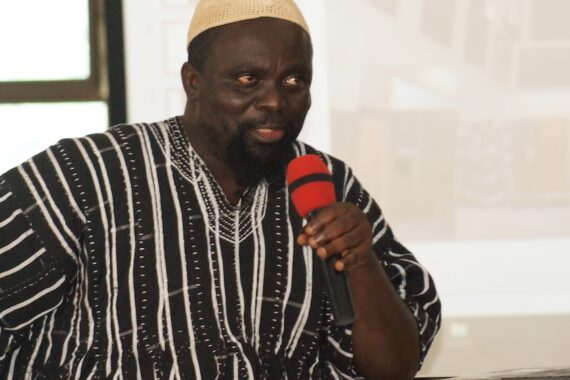
One of Prof. karî’kachä seid’ou’s most revealing observations is that he considers himself “exiled from the North Atlantic.”
It is a witty phrase, but it also captures a career built on an unusual conviction: that world-changing ideas do not need to leave Africa to matter.
That philosophy has now earned the Dean of KNUST’s Faculty of Art the 2026 Prince Claus Impact Award, recognising more than two decades of reshaping how art is taught, created and understood.
Rewriting who gets to define art
Rather than placing painting or sculpture at the top of an artistic hierarchy, seid’ou’s Emancipatory Art Teaching Project encouraged students to experiment across disciplines and collaborate across generations.
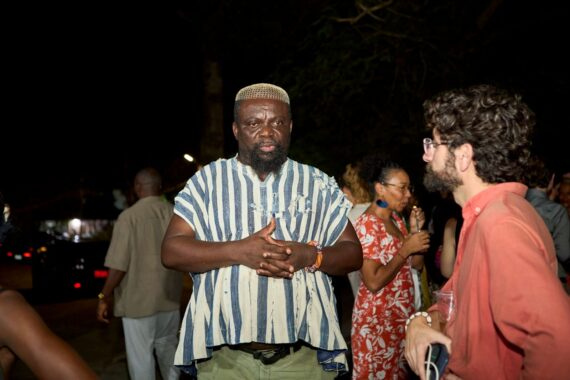
The initiative grew beyond the classroom into exhibitions, research projects and creative communities that challenged inherited ideas about who has the authority to define art.
Its influence transformed KNUST’s fine-art curriculum, producing artists, curators, scholars and educators who now shape Ghana’s contemporary art scene and contribute to wider conversations about decolonial practice across Africa.
A Ghanaian vision with global reach
His impact has drawn attention from publications including African Arts, ArtReview, The New York Times, The Guardian and the Financial Times.
The community-driven collective blaxTARLINES, which he co-founded, has appeared on ArtReview’s Power 100 list for four consecutive years.
As the Prince Claus Fund marks 30 years of celebrating changemakers, seid’ou’s recognition highlights something larger than an individual achievement.
It affirms that some of the world’s most influential cultural ideas are being imagined, debated and refined from Kumasi—and that Ghana’s classrooms can be as transformative as any global museum.
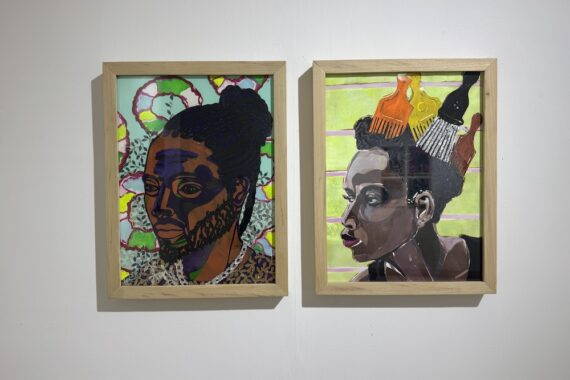
Before a single word is spoken, a hairstyle can announce belonging, confidence, rebellion—or memory.
That quiet truth sits at the heart of Hairstyle Politics, the new exhibition by German artist, anthropologist and historian Dr. Ilsmargaret Luttman at Annobil Contemporary Gallery in Accra, where African hair is treated not as fashion alone but as a living archive.
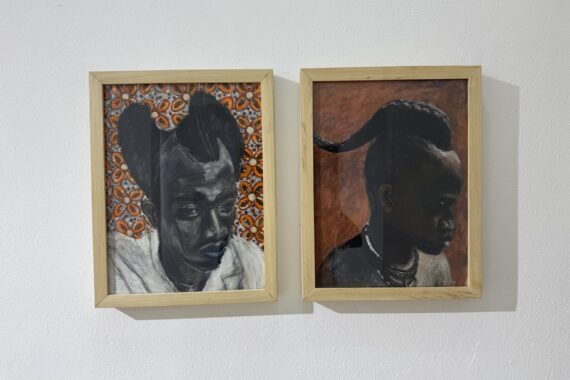
For generations across Ghana and the wider continent, hair has carried meanings that rarely appear in textbooks.
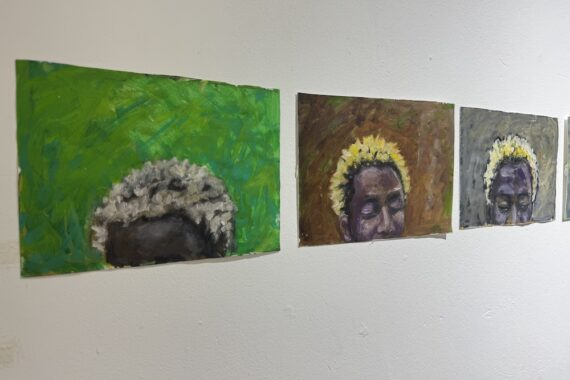
A braid could mark a life stage, an elaborate style could celebrate status, and adornments could signal identity long before introductions were exchanged.
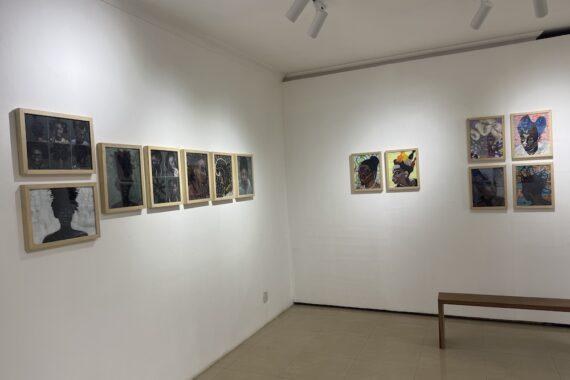
The exhibition invites visitors to see these traditions not as relics of the past but as an evolving language that continues to shape how people present themselves today.
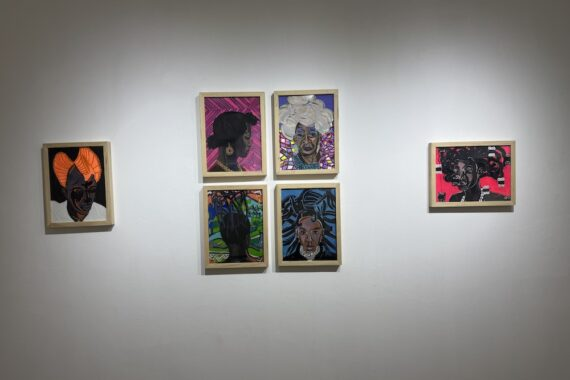
Art That Mirrors Cultural Memory
Luttman’s work gains its distinctive character through an unusual process that blends painting, stencil printing and paper cutting.
The layered compositions echo the very histories they explore—built, erased, reshaped and remembered.
Rather than presenting African aesthetics from a distance, the exhibition reflects decades of travel and engagement across Ghana, Cameroon, Mali, Côte d’Ivoire and Nigeria, allowing personal encounters to inform artistic interpretation.
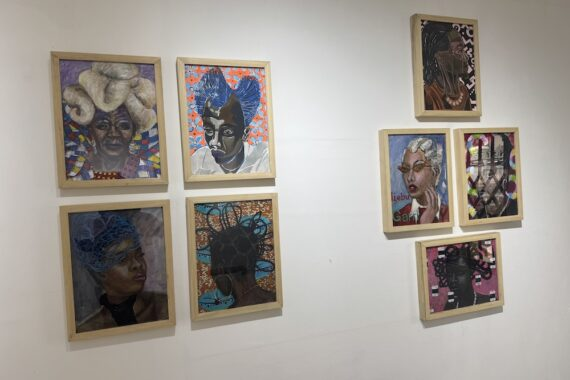
Installed in the gallery’s intimate Jill Silverman Room, the works encourage close looking.
Familiar hairstyles become symbols of resilience, creativity and self-definition, revealing how appearance has often served as a subtle form of negotiation in changing social and political landscapes.
As the exhibition runs until September 26, 2026, it offers something beyond an art viewing. It asks a simple but profound question: what histories are we carrying every time we style our hair?
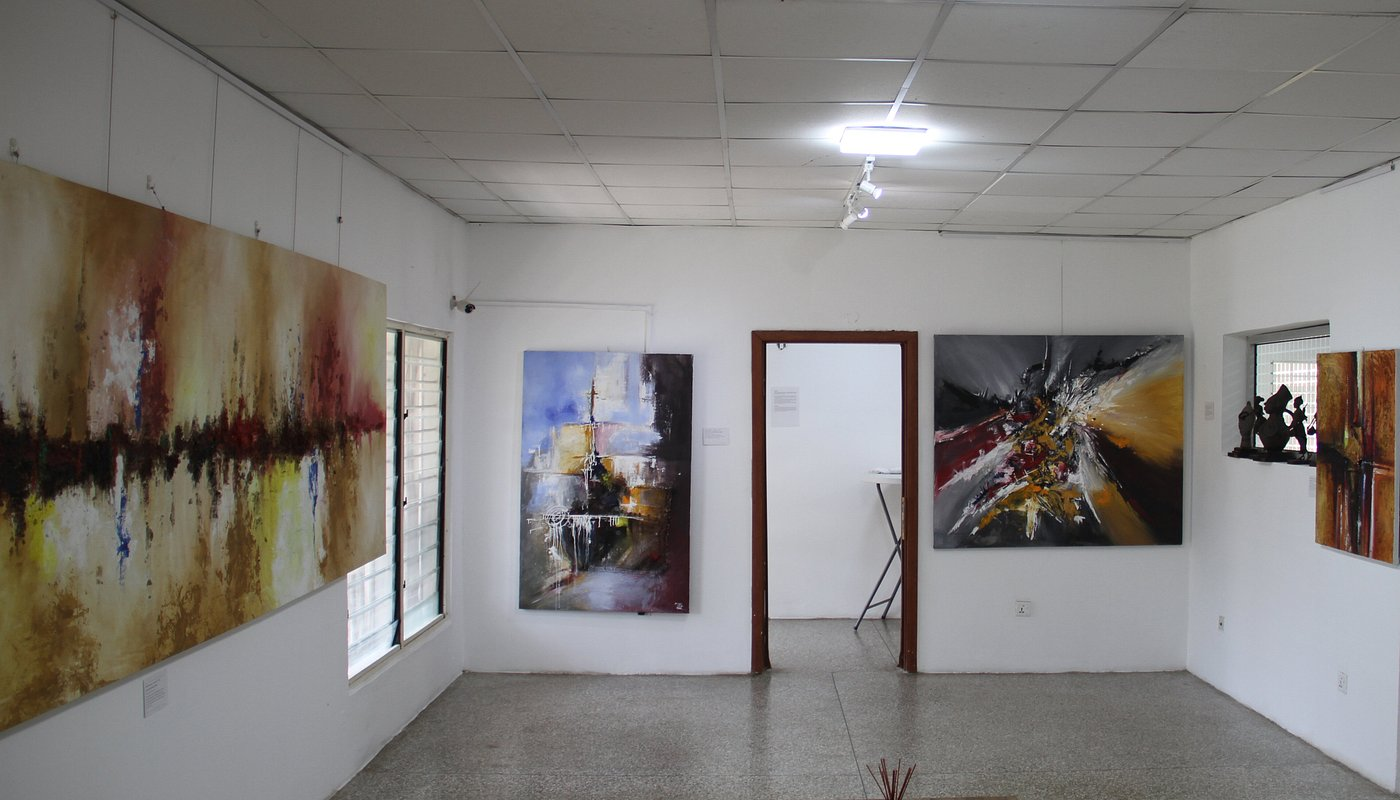
Every memorable art gallery begins with someone who believes a painting deserves more than a wall—it deserves an audience.
In Accra, that belief has shaped Berj Art Gallery into one of Ghana’s enduring champions of West African art.
Founded in 1996 by collector Joyce Quarshie, Berj emerged at a time when many Ghanaian artists were still searching for spaces that could connect their work with wider audiences.
More than three decades later, Quarshie’s commitment has grown into a gallery that celebrates both established masters and emerging voices under one roof.
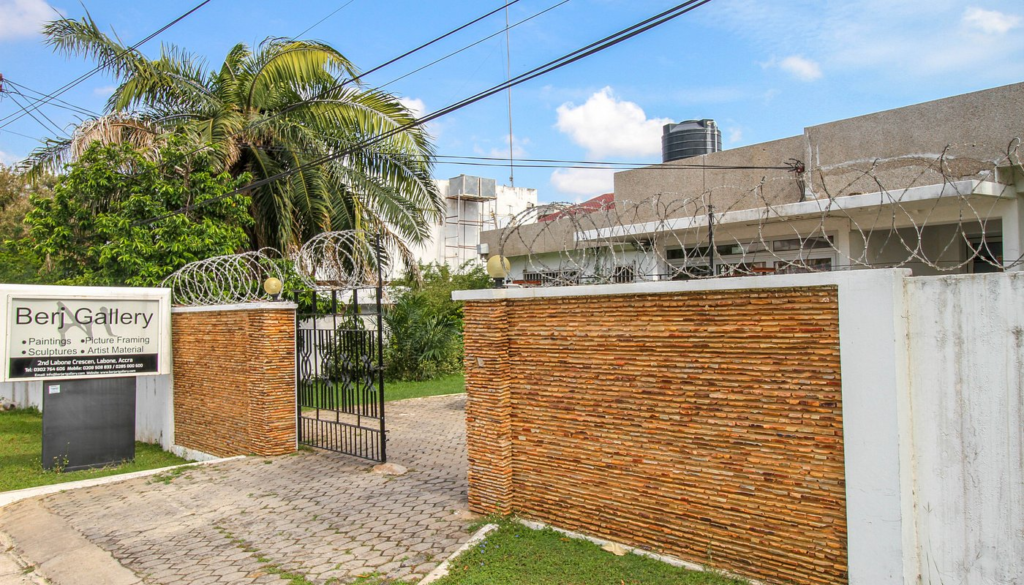
A Living Story of West African Art
Walking through Berj feels less like entering a showroom and more like stepping into a conversation across generations.
Bold paintings share space with finely carved wooden sculptures, bronze works catch the light from different angles, and photographs add contemporary perspectives to centuries-old artistic traditions.
The gallery’s strength lies in that balance. Acclaimed painters stand alongside rising talents, creating a rare opportunity for visitors to see Ghana’s artistic evolution unfolding in real time.
It is a reminder that culture is not frozen in history; it continues to grow with every new brushstroke and every fresh creative voice.
More Than a Gallery
For international visitors exploring Accra, Berj offers something deeper than a sightseeing stop. It opens a window into Ghana’s creative identity, where craftsmanship, storytelling and heritage intersect.
As the gallery continues hosting exhibitions that bring together local and international artistic influences, it reinforces a simple but powerful truth: preserving culture is not only about protecting the past.
It is about creating spaces where the next generation of artists can imagine—and exhibit—the future.



