
Taste GH
What My Mother’s Hands Knew: The Secret Language of Ghana’s Famous Groundnut Soup
Family recipes for groundnut soup are passed down intuitively through watching, feeling, and tasting, never written measurements.

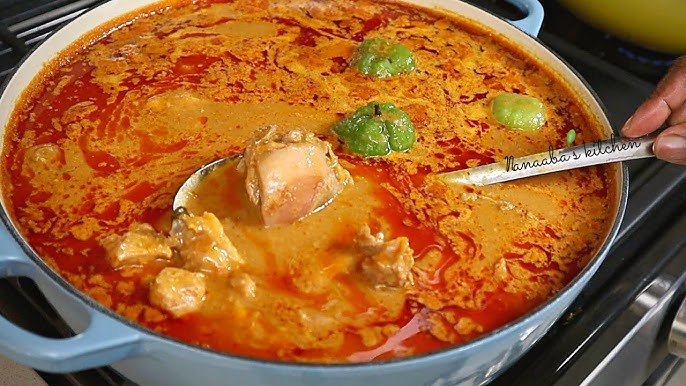
The thing about groundnut soup is that nobody really writes down the measurements. My mother never did. Her mother never did. You learn it the way you learn to braid hair—by watching, by messing up, by trying again until your hands just know.
It starts with the peanuts. Not the salted kind you snack on watching football. Raw groundnuts, the ones that still carry red skin and dust from the market. You roast them in a dry pan, shaking constantly until the kitchen smells like someone opened heaven’s door. Then comes the grinding—once, twice, three times until oil starts to glisten and the paste moves like slow honey.
The pot waits. Onions sweat in hot oil. Tomato paste goes in next, bubbling and spitting until it darkens. Then the groundnut paste joins the party, stirring constantly because this is not the moment to walk away and check your phone. Burnt groundnut soup will haunt you.
Water goes in gradually. The meat too—goat if you have it, chicken if that’s what your budget said this week. It simmers for hours while you remember things. Phone calls you need to make. People you haven’t called back.
When it’s ready, the oil rises to the top in orange pools. You scoop it over fufu and watch your father’s face light up exactly the way it did thirty years ago.
Some recipes travel in books. Ours traveled in memory.

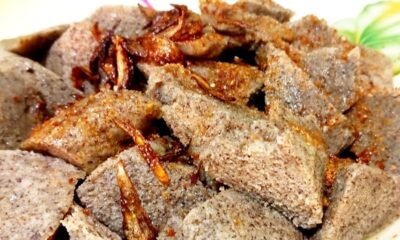





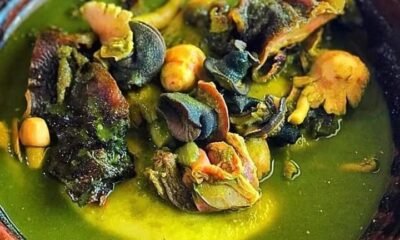

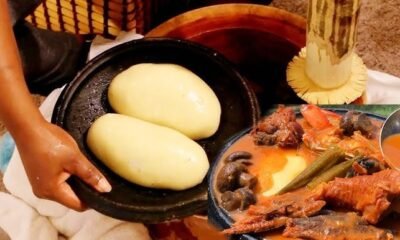

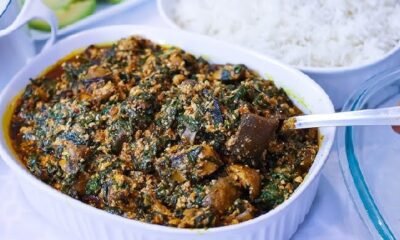

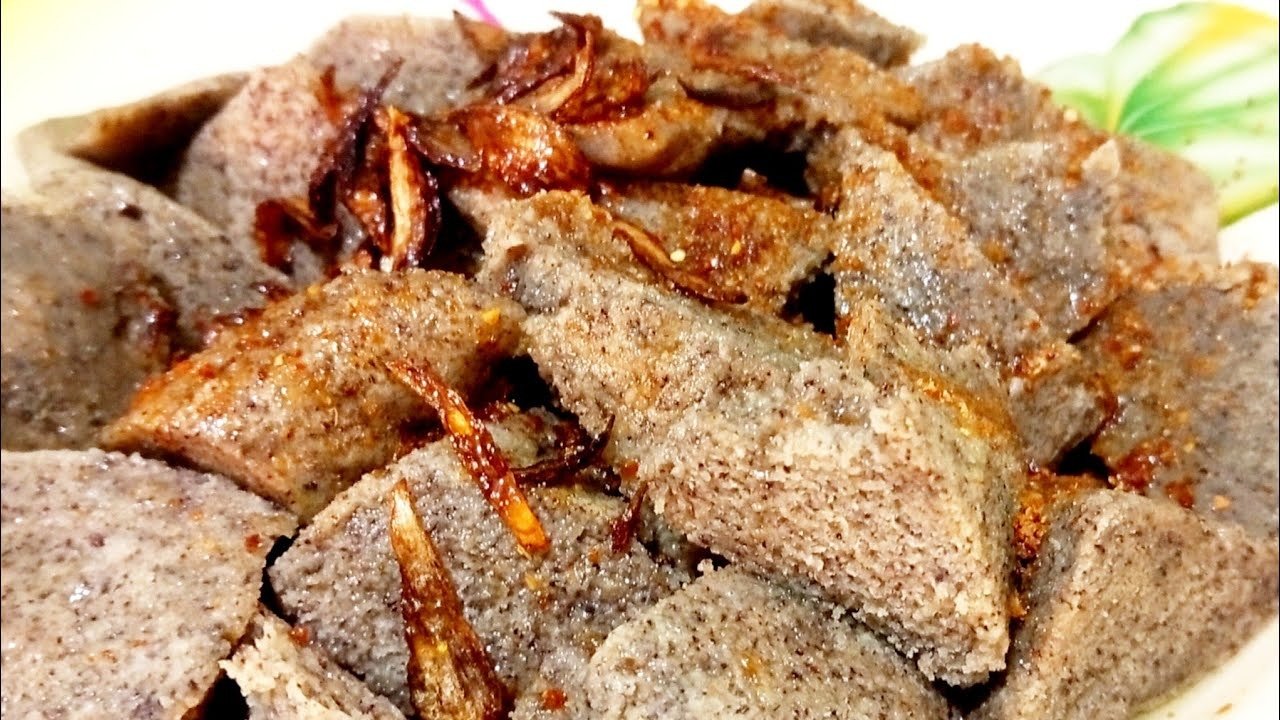
The first spoonful of Tubaani Beans carries more than the comfort of a good meal—it carries the taste of Northern Ghana, where beans, rice and groundnut oil come together in a dish rooted in everyday life.
While many Ghanaians in the south know rice and beans mainly through waakye, the northern preparation offers a character of its own.
Tubaani Beans can feature local varieties such as Bambara beans and Frafra beans, giving the dish a distinctive texture and earthy depth.
The beans are paired with rice and finished with groundnut oil, whose rich, nutty aroma adds warmth to every mouthful.
Then comes the pepper sauce: hot, bright and unapologetic. Its heat cuts through the richness of the beans and groundnut oil, creating a satisfying balance that keeps diners reaching for another spoonful.
For many communities across Northern Ghana, this is more than an inexpensive lunch. It is a practical meal shaped by the crops grown by farming families and the culinary traditions passed from one generation to another.
The beans provide plant-based protein, while the rice supplies energy, making the combination both filling and nourishing.
Its appeal also lies in its simplicity. There are no elaborate ingredients demanding attention; instead, the dish allows humble local produce to speak for itself.
For visitors discovering Ghanaian cuisine, Tubaani Beans offers a delicious introduction to the food culture of the north—a meal that is affordable, deeply familiar and unmistakably tied to the land.
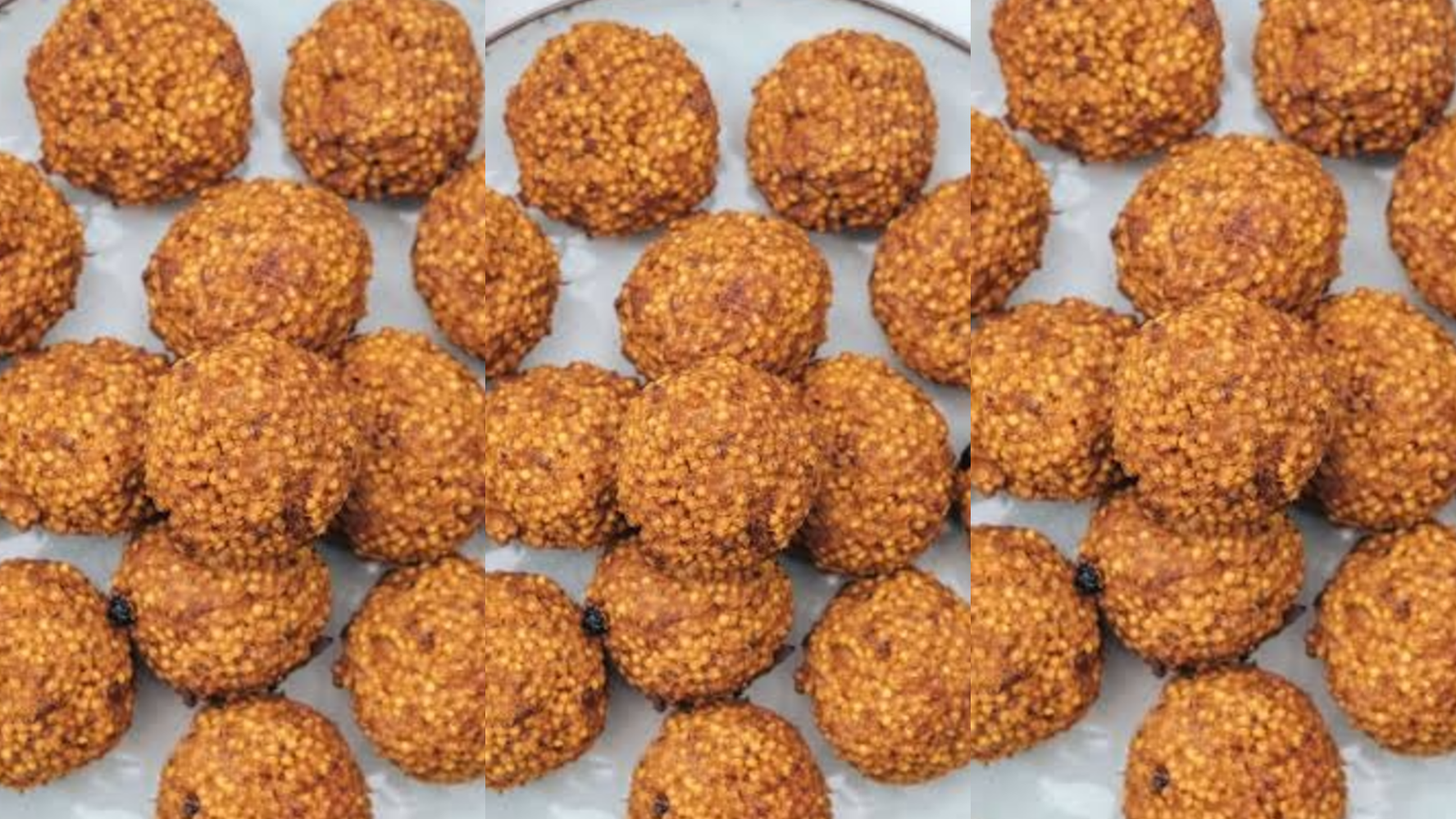
Long before packaged snacks became common, Kapala was already doing the job—fueling long days, satisfying hungry families, and proving that simple ingredients can create remarkable food.
Known across parts of northern Ghana as millet balls, Kapala is made by cooking millet until it reaches a soft, thick consistency before carefully molding it into firm, round balls.
The result is a smooth, dense bite with a gentle nutty flavour that speaks to the grain’s natural earthiness.
It is filling without feeling heavy, making it a favourite for people who need lasting energy throughout the day.
Kapala’s versatility is part of its charm. It can be dipped into steaming bowls of soup, where it absorbs rich flavours while keeping its satisfying texture.
It is equally enjoyable with fresh milk for a lighter meal or paired with a spicy groundnut-based sauce that balances creamy sweetness with a warming kick.
The dish carries deep cultural significance beyond the plate. For generations, farmers have tucked Kapala into their bags before heading to the fields, relying on its portability and staying power through long hours of physical work.
In many ways, it represents Ghana’s traditional version of convenience food—made with care rather than processed for speed.
Its health appeal is just as compelling today. Millet is naturally rich in fibre, minerals and essential nutrients, making Kapala a wholesome choice for anyone looking for sustained energy and a nourishing meal rooted in local ingredients.
For visitors exploring Ghanaian cuisine, Kapala offers something more than a taste of millet. It offers a glimpse into a food tradition built on resilience, practicality and the enduring value of sharing simple meals.
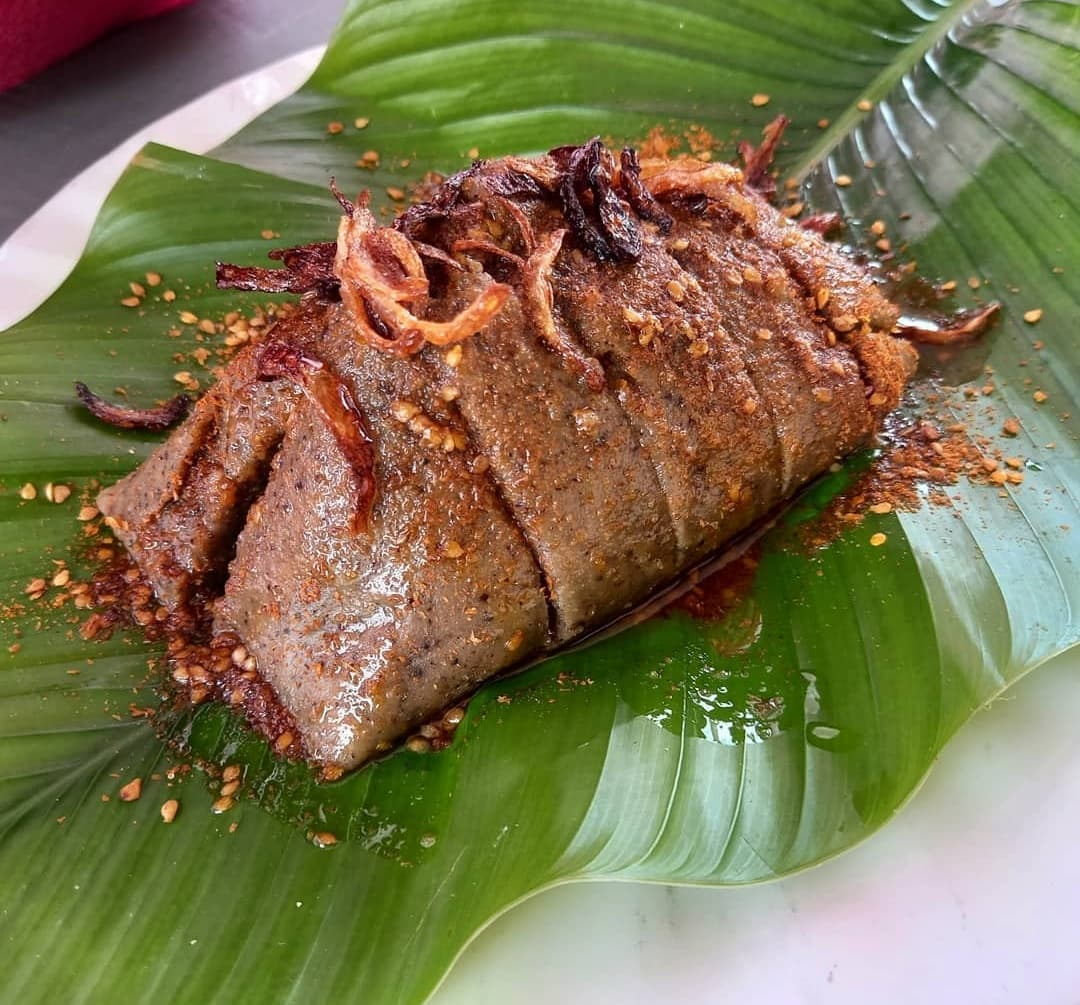
Some of Ghana’s most memorable dishes don’t arrive with dramatic presentation—they reveal their magic the moment the leaves are unwrapped. Tubaani is one of them.
This steamed delicacy, made from black-eyed pea (cowpea) flour, has long been cherished for its simplicity and nourishing qualities.
The flour is mixed with water, lightly seasoned, and carefully wrapped in corn husks or banana leaves, then steamed until soft and tender.
When the wrapping is opened, a gentle, earthy aroma escapes, carrying the unmistakable scent of freshly cooked legumes and warm leaves.
Tubaani’s texture is part of its appeal. It is soft without falling apart, light yet surprisingly filling, making it an ideal companion to Ghana’s fiery pepper sauces.
Many people enjoy it with fried fish or meat, while others prefer it as a satisfying vegetarian meal that allows the rich flavour of the cowpeas to take centre stage.
Beyond its comforting taste, Tubaani holds a special place in community life. It frequently appears during festivals, family gatherings, and traditional ceremonies, where food becomes a way of bringing generations together.
Its preparation reflects an enduring cooking tradition that relies on natural wrapping techniques, allowing the leaves to impart subtle flavours as the dish steams.
Its nutritional value makes it just as relevant today as it has always been. Naturally rich in plant-based protein and fibre, Tubaani offers a wholesome meal that fits modern diets without losing its cultural roots.
For visitors exploring Ghanaian cuisine, Tubaani proves that extraordinary flavour can come from humble ingredients—and that some of the country’s greatest culinary treasures are wrapped in leaves rather than luxury.


Game-Changing Move: Ghana Sets Up New Fiscal Council to Scrutinize Government Spending and Win Back Investors

Ghana’s Persistence Pays Off: AU Formally Commits to Tabling Xenophobia Petition in January 2027

Top Headlines From Ghanaian Newspapers: Wednesday, Sept. 9, 2026
-

 Ghana News1 day ago
Top Headlines From Ghanaian Newspapers: Tuesday, Sept. 8, 2026
-

 Ghana News1 day ago
How Ghana’s Government Pressured MTN, Telecel, and AirtelTigo to Cut Data Prices
-
 Arts and GH Heritage2 days ago
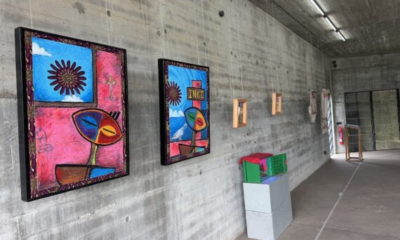
The Stories We Live With: Inside Nubuke Foundation’s Weight of the Ordinary
-

 Ghana News1 day ago
Buckingham Palace Responds to Jamaica’s $10 Billion Reparations Demand, But the UK Government’s Wallet Remains Shut
-
 Ghana News11 hours ago
Ghana’s Persistence Pays Off: AU Formally Commits to Tabling Xenophobia Petition in January 2027
-

 Africa Watch2 days ago
British-Nigerian Influencer Dies After Penis Enlargement Procedure in Thailand
-
 Ghana News12 hours ago
Top Headlines From Ghanaian Newspapers: Wednesday, Sept. 9, 2026
-

 Reels & Social Media Highlights1 day ago
Medikal in Church and ‘Cheater’ Memes