
Ghana News
Newspaper Headlines Today: Tuesday, February 3, 2026









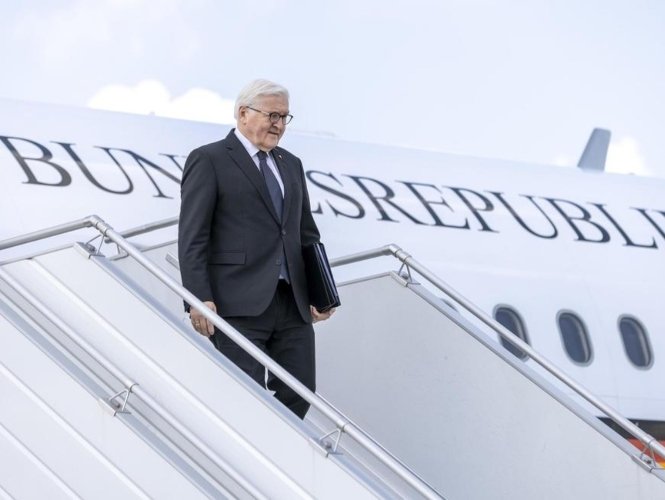
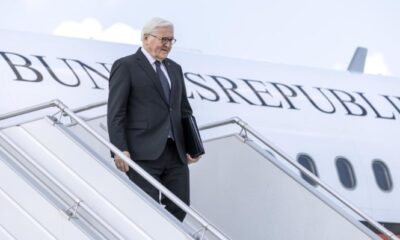
Accra, Ghana — German President Frank-Walter Steinmeier arrives in Accra on Tuesday, November 24, for a one-day visit aimed at deepening economic cooperation, investment, and skills training ties between Germany and Ghana.
The stop is part of a wider five-day African tour from November 22 to 26 that also takes in Côte d’Ivoire and Kenya. According to the German presidency, the trip is intended to “pay tribute to and further expand the close partnerships” with the three countries, with a focus on economic cooperation and the training of skilled workers.
Talks with Mahama at Jubilee House
The centerpiece of the Accra leg will be morning talks at Jubilee House with Ghana’s President, John Dramani Mahama. The two leaders are expected to discuss bilateral trade, German investment in Ghana, and joint efforts to develop the workforce skills needed by both economies. A press engagement is expected to follow.
Steinmeier will then deliver a speech opening the sixth German-African Business Summit, described by the German presidency as Germany’s most important business conference on the African continent. He will also hold talks with summit participants. The President is travelling with a German business delegation, signaling Berlin’s intent to translate diplomatic goodwill into commercial deals.
WFP Logistics Hub Visit
At midday, Steinmeier will visit the humanitarian logistics hub of the United Nations World Food Program in Accra. The stop highlights Ghana’s growing role as a regional logistics and humanitarian hub, and ties into broader German engagement on food security and crisis response in West Africa.
He departs for Nairobi later that day, where he will be welcomed by President William Ruto on November 25 and round off the tour with a visit to the Crescent Island nature reserve at Lake Naivasha on November 26, focusing on biodiversity conservation.
Context: A Broader African Push
The tour began in Abidjan, where Steinmeier met President Alassane Ouattara on November 23 and visited a vocational school and the International Counter-Terrorism Academy. The vocational training theme carries directly into Accra, where skills development is expected to dominate the business summit agenda.
For Ghana, the visit comes at a pivotal moment. The country has been working to attract foreign investment, create jobs for its young and fast-growing population, and position itself as a gateway to West African markets. Germany, for its part, has been seeking to diversify supply chains and secure partnerships in energy, infrastructure, and technical training.
What It Could Mean for Ghana
Analysts will be watching whether the summit produces concrete announcements on German investment in Ghanaian manufacturing, renewable energy, or vocational education. The presence of a business delegation suggests that deals, or at least memoranda of understanding, may be in the offing.
The visit also carries symbolic weight: it is the first time in recent memory a German head of state has made Ghana a focal point of an African tour, and the choice of Accra for the continent’s premier German business summit underscores Ghana’s standing as a preferred investment destination.
Whether the visit unlocks new opportunities for trade, jobs, and investment will depend on follow-through. But the combination of presidential talks, a major business summit, and a humanitarian logistics hub visit suggests Germany is betting on Ghana as a long-term partner in West Africa.
Ghana News
‘We Didn’t Come Here to Beg’: Ghana’s Zanetor Agyeman-Rawlings Demands Climate Justice and Funding for Africa at COP31
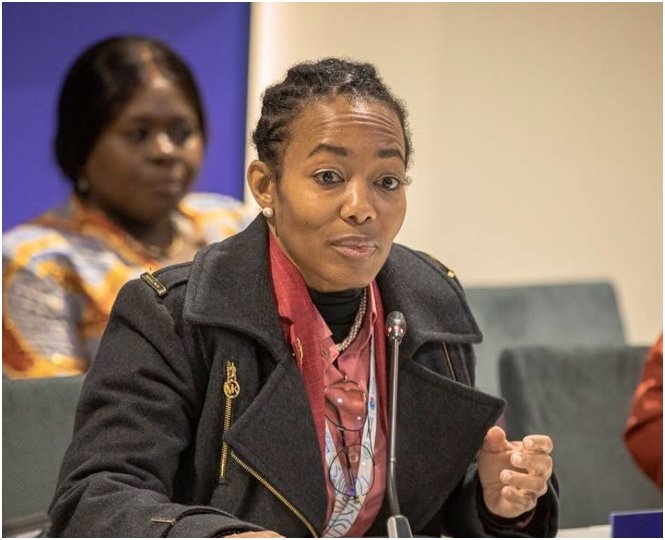
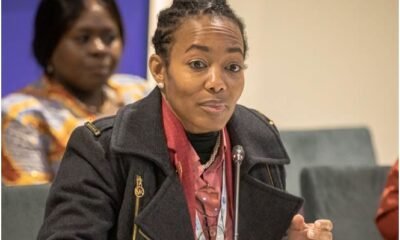
Ghana’s Minister for Environment, Science and Technology, Dr Zanetor Agyeman-Rawlings, has delivered a forceful message to world leaders at the United Nations Climate Change Conference (COP31), demanding climate justice, adequate financing and accountability from developed nations over the environmental damage disproportionately affecting African communities.
Addressing delegates at the climate summit in Antalya, Türkiye, Agyeman-Rawlings declared that African countries had not come to plead for financial assistance but to demand what she described as their rightful entitlement after suffering the consequences of industrialization and other human activities that have contributed to global warming.
“We didn’t come here to beg, we came here to claim what is rightfully ours for our people, who are suffering the brunt of anthropogenic activities of developed countries, that they are now being asked to pay for in ways that they never asked,” she told delegates.
Her remarks placed Africa’s longstanding demand for climate justice at the center of negotiations, challenging wealthy nations to recognize their historical contribution to climate change and fulfil their financial responsibilities towards countries facing increasingly severe environmental consequences.
The Ghanaian minister also questioned the fairness of climate transition arrangements being proposed for developing economies, arguing that African populations should not be expected to shoulder additional costs for a crisis they contributed comparatively little to creating.
“The people of Africa, those who have suffered the most as a result of what has been going on due to the activities mostly of developed countries, deserve better,” she said.
“And we’re here to be a voice for them.”
Her message ended with a warning against another international climate conference producing ambitious declarations without meaningful implementation.
“We’re here to declare that we will not allow this to be another talk shop,” she said.
Africa rejects climate commitments without adequate funding
Agyeman-Rawlings’ intervention reflects a broader African position that wealthy industrialized nations must provide meaningful financial and technical assistance to developing countries confronting climate change.
African countries face mounting pressure to adapt to rising temperatures, changing rainfall patterns, droughts, flooding, coastal erosion and other climate-related threats.
Yet many African economies have limited financial resources to build resilient infrastructure, protect vulnerable communities, modernize agriculture and transition towards cleaner energy systems.
The minister has maintained that African nations should not be expected to accept additional climate obligations without the financial and technical capacity required to implement them.
At an African Ministerial Conference on the Environment meeting on the margins of COP31, she outlined three important conditions African governments should defend during the negotiations: maintaining the commitment to triple adaptation finance, rejecting additional obligations without adequate implementation support, and preventing climate finance from being double-counted or delivered predominantly through loans that increase developing countries’ debt burdens.
She argued that African countries had already demonstrated their willingness to participate in global climate action through their Nationally Determined Contributions, carbon market initiatives and national climate strategies.
However, the resources promised to support these commitments have not been sufficiently delivered.
She therefore called for concrete financial commitments and clear delivery arrangements rather than announcements that leave developing countries without the means to act.
‘So-called just transitions’ are not necessarily just, minister warns
One of the most significant aspects of Agyeman-Rawlings’ statement was her criticism of the concept of a just transition.
A just transition generally refers to the process of moving towards a lower-carbon economy while protecting workers, communities and vulnerable populations from the economic and social consequences of changes in energy production and consumption.
However, the Ghanaian minister questioned whether the arrangements currently being discussed genuinely protect African interests.
“We’re being asked to engage in so-called just transitions, which are anything but just,” she said.
Her criticism reflects concerns that developing economies could face pressure to restructure their energy systems and meet new environmental requirements without receiving sufficient financial assistance, technology transfer or investment to support that transformation.
For African countries, the challenge involves balancing environmental protection with the need to expand electricity access, develop industries, create employment and improve living standards.
Agyeman-Rawlings’ position is that climate action must recognize these development priorities rather than impose responsibilities without providing the resources needed to meet them.
Africa’s transition must also take account of national economic circumstances, energy infrastructure and the different capacities of countries to finance environmental reforms.
Climate talks face growing divisions over funding and fossil fuels
The minister’s intervention came at a particularly contentious stage of COP31, which was held from November 9 to 20, 2026, in Antalya, Türkiye.
The summit was scheduled to conclude on Friday, November 20, but negotiations extended into Saturday as countries struggled to reach agreement on climate finance, fossil fuels, adaptation and the global energy transition.
One major source of disagreement was a revised draft agreement released during the final days of the conference.
An earlier version included stronger language calling for an accelerated transition away from coal, oil and gas. However, the subsequent draft removed references to fossil fuels, prompting objections from countries and climate advocacy organizations.
The revised text also dropped a proposed annual $120 billion climate adaptation funding target that had angered developing nations.
These developments intensified concerns among African representatives and other climate-vulnerable countries that wealthy nations were failing to provide the financial commitments necessary to protect populations facing the consequences of climate change.
The negotiations remained unresolved beyond the conference’s scheduled closing date, with countries continuing efforts to reach a consensus.
For African governments, the disagreement over climate finance is particularly consequential because adaptation requires substantial investment in infrastructure, agriculture, water management, coastal protection and disaster preparedness.
Without predictable financial support, countries may struggle to implement climate commitments even when they have established national plans.
Ghana takes a stronger voice in Africa’s climate negotiations
Agyeman-Rawlings’ remarks also reflect Ghana’s efforts to position itself within wider African climate negotiations.
Since assuming office as Minister for Environment, Science and Technology in August 2026, she has stressed the importance of a coordinated African position at international climate meetings.
Before COP31, she called on Ghana’s delegation to approach the negotiations with unity, professionalism, discipline and accountability, stressing that representatives were attending as a national team rather than pursuing separate institutional interests.
At the Antalya summit, Ghana’s position was closely connected to the wider African demand for climate finance, adaptation support and a fair distribution of responsibilities.
The minister has also pledged Ghana’s support for African cooperation in the negotiations, stressing the importance of speaking with one voice when engaging developed nations.
She has argued that Africa’s bargaining position is strengthened when countries work together rather than negotiate from fragmented national positions.
Climate justice is about more than financial assistance
At the heart of Agyeman-Rawlings’ message is the argument that climate finance should not be treated as charity.
African countries are demanding recognition that the economic activities responsible for much of the historical accumulation of greenhouse gas emissions have largely taken place in industrialized economies, while the consequences are increasingly being experienced by vulnerable populations elsewhere.
Climate justice therefore involves addressing historical responsibility, unequal vulnerability and the financial capacity to respond to environmental damage.
For countries across Africa, this means access to resources to protect agricultural production, strengthen infrastructure, safeguard coastal communities, develop renewable energy and respond to climate-related disasters.
It also means ensuring that climate financing is accessible, transparent and does not simply create new debt burdens for countries already facing economic challenges.
The distinction between financial promises and actual delivery remains central to the African position.
Agyeman-Rawlings wants international climate agreements to include commitments that can be measured, financed and implemented rather than statements that offer political reassurance without changing conditions on the ground.
For Ghana and the wider continent, the outcome of COP31 will therefore be measured not only by the language adopted in the final agreement but also by the resources and practical support made available to vulnerable populations.
‘We will not allow this to be another talk shop’
Agyeman-Rawlings’ closing message was directed at the credibility of the entire international climate negotiation process.
For African communities already experiencing the consequences of climate change, another conference ending with ambitious declarations but insufficient financial support would represent a failure to address their concerns.
Her remarks challenge developed nations to move beyond expressions of solidarity and demonstrate their commitment through actual funding, technology transfer and practical cooperation.
The minister’s position is that Africa has a right to participate in shaping the global climate response while demanding that its development priorities and environmental vulnerabilities are taken seriously.
Her declaration that Africa did not come to beg but to claim what is rightfully owed represents a wider demand for fairness in international climate relations.
As negotiations at COP31 extend beyond their scheduled deadline, Ghana’s message is that African countries should not be expected to accept more responsibilities without the means to fulfil them.
For Agyeman-Rawlings, climate justice must be reflected in tangible commitments that improve the lives of the people most affected by the crisis.
Africa, she insists, deserves better than another round of promises.
Ghana News
Ghanaian Teen’s Bronx Funeral Sparks NY Attorney General’s Demand to Repeal Law Protecting Gunmakers
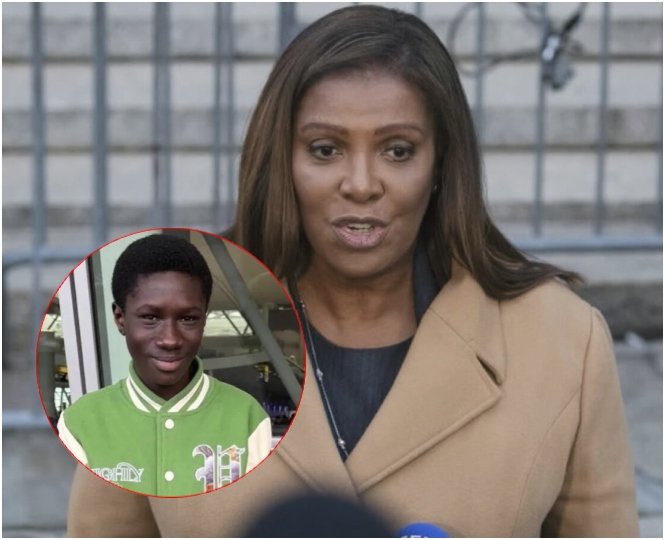
The funeral of 15-year-old Ghanaian student Javits Frimpong in New York has become the focus of a wider demand for gun industry accountability after New York Attorney General Letitia James called on the United States Congress to repeal federal legislation that protects gun manufacturers from certain civil lawsuits.
James made the appeal during Frimpong’s funeral on Friday, November 20, 2026, as hundreds of mourners, including Ghanaian community members, government representatives, American political leaders and civil rights advocates, gathered in the Bronx to honor the teenager.
Frimpong, who moved from Ghana to the United States in 2025 to continue his education, was fatally shot on October 29 while walking to school.
His ambition was to become a medical doctor. Instead, his death has left two grieving parents, devastated Ghanaian relatives and a community on both sides of the Atlantic demanding justice.
“Javits should have made it to school,” civil rights attorney Ben Crump said, expressing the painful reality of a young life cut short.

But the funeral also became an opportunity to raise questions about America’s gun laws and the accountability of firearm manufacturers.
Addressing members of Congress attending the service, James called for the repeal of the Protection of Lawful Commerce in Arms Act (PLCAA), arguing that the legislation makes it difficult for victims and public officials to pursue certain legal claims against gun manufacturers.
“As the Attorney General of the State of New York, I urge members of Congress who are here, and particularly those who will take over the Congress in the coming weeks, to repeal a law that provides immunities to gun manufacturers in this country,” she said.
She argued that the legislation restricts her ability, alongside attorneys such as Crump, to pursue manufacturers for harm associated with firearms.
“It is a law that does not allow me or Ben Crump to sue gun manufacturers for all of the harm that they are causing in the Bronx, in urban centers, all throughout this nation,” James said.
Her message was particularly forceful when she called on lawmakers to ensure that manufacturers were held accountable for the deaths of young Black people.
“We’ve got to get off to action and to make sure that they are held responsible for the death of every Black boy in this country,” she declared.
A Ghanaian boy who crossed the Atlantic in search of a better future
Javits’ story has resonated deeply with Ghanaians because he represents a familiar experience among immigrant families: parents making difficult decisions and sacrifices in the hope of creating better opportunities for their children.
He moved from Ghana to the United States in 2025 to reunite with his father, Thomas Frimpong, and continue his education.
He was a Grade 10 student at DreamYard Preparatory School in the Bronx and reportedly aspired to become a medical doctor.
His father had brought him to America with hopes that he would receive a good education, develop his abilities and build a successful future.
Those dreams ended on October 29, when he was shot while walking to school in the Claremont neighborhood of the Bronx.
The circumstances of his death shocked Ghanaians in New York and communities back home, triggering calls for justice and renewed concerns about the safety of young people in American schools and neighborhoods.
His mother, Doris Adu Gyamfi, travelled from Ghana after receiving an emergency visa to attend her son’s funeral.
Her grief was evident in her tribute, in which she recalled the future she had imagined for her only son.
“I have only one child, and I need justice for him,” she said in an emotional appeal.
She also spoke about the painful contrast between the peaceful child she had raised and the violent circumstances of his death.
“If love could conquer death, my son would still be here,” she said.
Ghana sends official delegation to Bronx funeral
The importance of the tragedy to Ghana was reflected in the presence of an official government delegation at the funeral.
Deputy Minister of Foreign Affairs and Regional Integration James Gyakye Quayson led the Ghanaian government delegation, joining relatives, friends and members of the Ghanaian diaspora in paying their last respects.
Their presence underscored the government’s concern over the death of a Ghanaian minor abroad and the continuing calls for justice.
Ghana’s diplomatic response had already involved coordination with American authorities following the shooting. Foreign Affairs Minister Samuel Okudzeto Ablakwa had previously stated that Ghanaian officials in New York were engaging local authorities to support efforts to secure justice.
The funeral brought that solidarity into public view, with Ghanaian representatives joining American officials and civil rights leaders in honoring the teenager.
New York City Mayor Zohran Mamdani, Reverend Al Sharpton, New York Attorney General Letitia James and Ben Crump were among the prominent figures who attended.
Mamdani delivered a particularly meaningful tribute, recognizing that although Javits had lived in New York for only a short time, the city considered him one of its own.
“Though he was only a New Yorker for a short time, New York City will forever be proud to call Javits one of our own,” he said.
The mayor described the teenager as friendly, thoughtful and unusually purposeful for someone so young.
He also lamented that Javits would never have the opportunity to wear a medical uniform or hold a stethoscope as he had hoped.
Mamdani concluded his remarks in Twi, Ghana’s widely spoken language, prompting a standing ovation from the mourners.
The gesture was a powerful acknowledgment of the teenager’s Ghanaian roots and the family and cultural connections that remained central to his identity.
Why Letitia James wants Congress to change America’s gun laws
James used the funeral to draw attention to the federal Protection of Lawful Commerce in Arms Act, enacted in 2005.
The law generally prevents certain civil lawsuits against firearms manufacturers and sellers when injuries result from the criminal or unlawful misuse of firearms by third parties.
Although the legislation includes exceptions, James argues that its protections make it difficult for victims and public officials to hold manufacturers accountable in certain circumstances.
She wants Congress to repeal the law, saying manufacturers must face greater accountability for the consequences of firearm availability in American communities.
Her appeal is directed at the United States Congress, which has the authority to amend or repeal federal legislation.
The issue is significant beyond the immediate circumstances of Javits’ death because it concerns the wider American debate about gun violence, public safety and the responsibilities of the firearms industry.
James’ remarks suggest that the loss of young people such as Javits should prompt policymakers to reconsider whether existing laws provide sufficient opportunities for families and public authorities to pursue accountability.
A suspect has been charged as an adult
The funeral came after a significant development in the investigation into Javits’ killing.
A 17-year-old suspect has been arrested and charged as an adult in connection with the shooting. Reported charges include murder, manslaughter and criminal possession of a weapon.
The New York Police Department was also seeking two other suspects believed to have been involved in the incident.
The criminal charges remain allegations, and the accused is entitled to the presumption of innocence unless proven guilty in court.
Javits’ family had previously raised concerns about alleged bullying at school. His father said he had been informed that two students were disturbing his son and had been suspended before the fatal shooting.
Police had said they were examining possible motives, including bullying and robbery. No definitive motive should be assumed without findings from investigators.
The case has therefore raised concerns extending beyond the immediate act of gun violence, including school safety, the protection of immigrant children and the responsibility of authorities to investigate threats against students.
Ben Crump and Sharpton call for justice
Crump, who has represented families in prominent cases involving racial injustice and police accountability, joined Javits’ family in demanding justice.
His statement that “Javits should have made it to school” captured the ordinary expectation that a child should be able to leave home for an education and return safely.
Reverend Al Sharpton, who delivered the eulogy, also addressed the tragedy in the context of violence and divisions affecting Black communities.
He called for greater unity among people of African descent, reminding mourners of their shared African heritage.
His remarks echoed a wider sentiment at the funeral: that the death of a young Ghanaian in an American city should matter to people across national and cultural boundaries.
For Ghanaian families living abroad, the tragedy has also renewed conversations about the security of their children, the challenges of raising young people in unfamiliar environments and the hopes that motivate families to relocate in search of better opportunities.
A loss that connects Ghana and its diaspora
The death of Javits Frimpong has brought together two communities separated by the Atlantic but connected by family, identity and shared grief.
His father moved him to America with hopes of expanding his educational opportunities. His mother travelled from Ghana to mourn him. Ghanaian officials joined American leaders at his funeral, while New York’s mayor addressed the gathering in a Ghanaian language.
These moments illustrate how the loss of a Ghanaian citizen abroad can become a matter of profound concern for families and communities both in Ghana and across the diaspora.
For James, the tragedy must also lead to action on the laws governing America’s firearms industry.
Her demand for Congress to repeal the PLCAA has placed gun manufacturer accountability back into the public conversation, using Javits’ death as a painful reminder of the human consequences of gun violence.
For the Frimpong family, however, no legislative debate can replace the son they lost.
His father wanted to celebrate his achievements, not stand beside his grave. His mother wanted to call him doctor one day, not plead for justice after his death.
And for the Ghanaian community, the words Ben Crump used at the funeral continue to carry the weight of a future that should have unfolded very differently:
“Javits should have made it to school.”


Ghanaian-Born Entrepreneur Mawena Tafa Turns Viral Brooklyn Encounter with Strange Man Into Business Opportunity

German President Steinmeier Arrives in Ghana to Boost Trade and Skills Partnerships

Fat Joe Makes Emotional Appeal to Bronx Youth After Ghanaian Teen Javits Frimpong’s Killing
-
 Ghana News2 days ago
Top Ghanaian School Wins 26 Awards at 2026 Pearson Learner Awards
-

 Ghana News1 day ago
Ghanaian Teen’s Bronx Funeral Sparks NY Attorney General’s Demand to Repeal Law Protecting Gunmakers
-
 Opinion1 day ago
The Sahel’s Dangerous Calm: What Does the Lull in Jihadist Fighting Really Hide?
-
 Ghana News1 day ago
‘We Didn’t Come Here to Beg’: Ghana’s Zanetor Agyeman-Rawlings Demands Climate Justice and Funding for Africa at COP31
-
 Uncategorized6 hours ago
Fat Joe Makes Emotional Appeal to Bronx Youth After Ghanaian Teen Javits Frimpong’s Killing
-
 Ghana News6 hours ago
German President Steinmeier Arrives in Ghana to Boost Trade and Skills Partnerships
-

 Ghana News2 days ago
‘Stop Taking Our Money to Hide in Switzerland’: Dangote Challenges Wealthy Africans to Invest at Home
-
 From the Diaspora4 hours ago
Ghanaian-Born Entrepreneur Mawena Tafa Turns Viral Brooklyn Encounter with Strange Man Into Business Opportunity