
Tourism
Sheedi: The Afro-Pakistani Community That’s Kept its African Roots and Culture Alive


A growing conversation on African diaspora history has turned attention to the Sheedi community in Pakistan, an Afro-Pakistani population with deep ancestral links to East Africa and a centuries-old presence on the Indian subcontinent.
The renewed spotlight follows a widely shared social media post by cultural traveler Amina Mamaty, who documented her visit to the Sheedi community during a recent trip to Pakistan. In the video, Mamaty describes the encounter as one of the most meaningful experiences of her journey.
The video reveals how African-descended communities exist far beyond the region’s most commonly associated with Black history.
African Roots, Asian Homeland
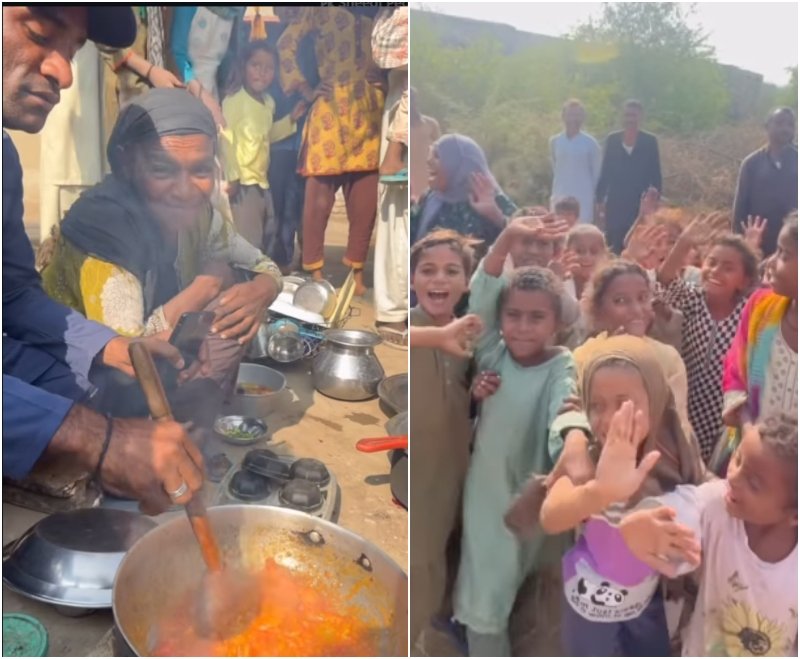
Historical accounts indicate that the Sheedi trace their ancestry to East Africa, particularly the Swahili Coast, encompassing parts of present-day Tanzania and neighboring countries.
Their arrival in South Asia dates back several centuries, linked to Indian Ocean trade routes, military service, and forced migration during the era of the transcontinental slave trade.
Today, the Sheedi are concentrated mainly in Sindh and Balochistan, where they are fully embedded in Pakistani society. They speak local languages, participate in regional traditions, and identify as Pakistani citizens, while retaining cultural elements connected to their African heritage.
Music and rhythm remain among the most visible expressions of that heritage. Drumming and dance, observers note, continue to play a central role in community celebrations, reflecting cultural continuities that have survived generations.
A Story That Resonates Across Continents
Mamaty’s reflections emphasised not only history but lived experience. She described a strong sense of communal warmth, joy, and openness, noting that the Sheedi welcomed her “like family.” Members of the community expressed hope that more people of African descent, particularly women, would visit and engage with their story.
For global audiences — including Africans and people of African descent in the diaspora — the Sheedi narrative challenges narrow ideas of where African identity exists. Scholars say it highlights the Indian Ocean dimension of the African diaspora, which is often overshadowed by transatlantic histories.
Relevance for Africa and the Diaspora
For African countries such as Ghana, which has positioned itself as a hub for diaspora reconnection through initiatives like the Year of Return, the Sheedi story reinforces the idea that African heritage is both global and interconnected. It also underscores the importance of recognising lesser-known diaspora communities whose histories complicate simplistic views of migration, identity, and belonging.
As interest continues to grow online, cultural historians suggest the Sheedi community’s visibility may encourage deeper academic research, cultural exchange, and tourism, while contributing to broader conversations about Africa’s global legacy.












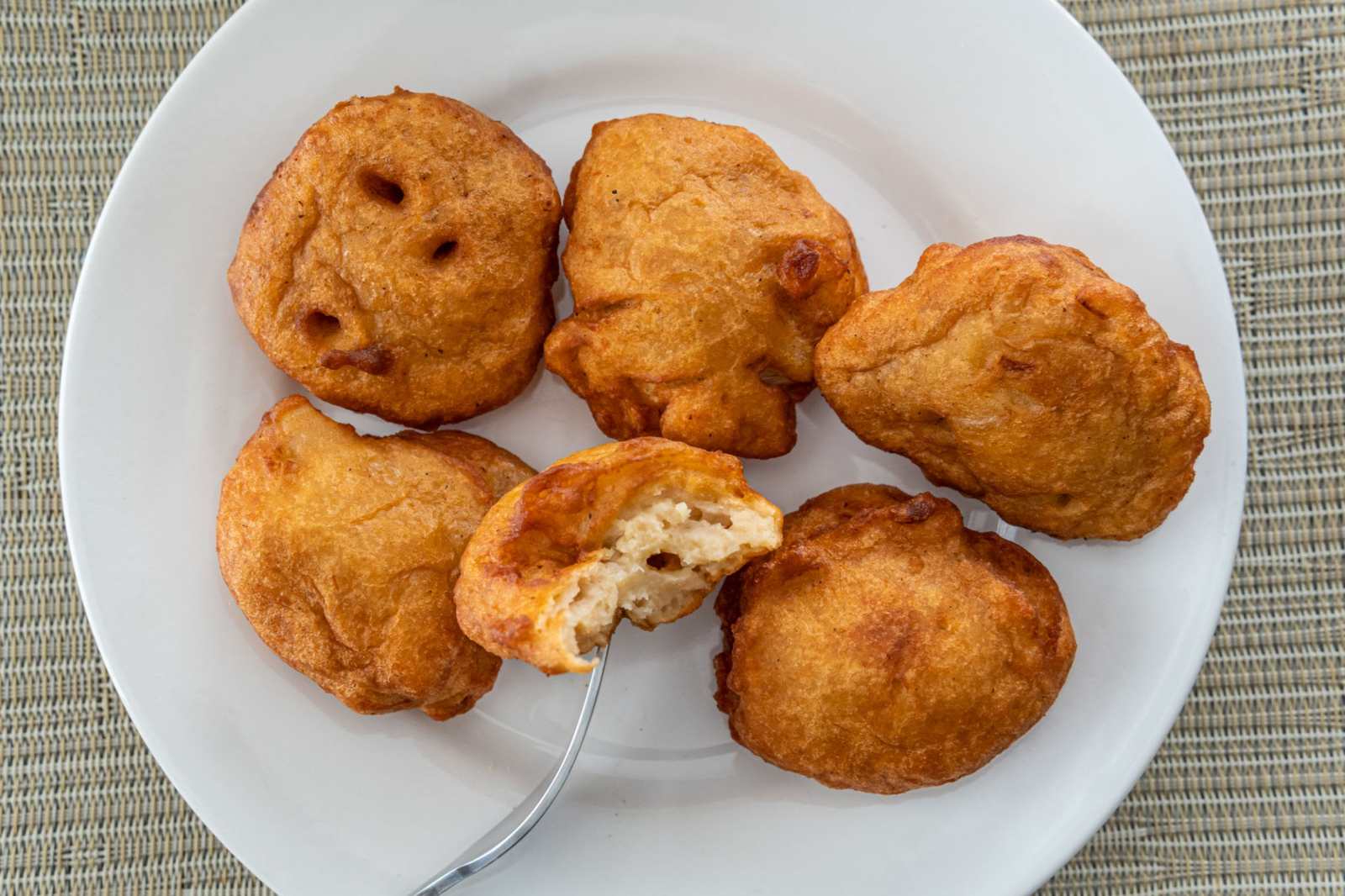
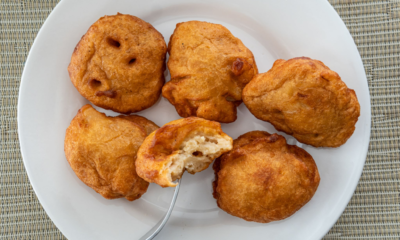
Long before dawn breaks over Accra’s busy streets, the crackle of hot oil and the warm, sharp perfume of ginger and scotch bonnet chilies signal that koose is on the way.
Also known as akara across West Africa, this iconic bean fritter holds a special place in the rhythm of Ghanaian life, serving as an indispensable staple of morning routines and street-food culture.
While delicious on its own, koose reaches absolute perfection when paired with koko, a hot, aromatic millet porridge infused with cloves and black pepper.

The creamy, fiery porridge balances the crunchy fritters, creating a sensory experience that warms the soul and fuels the day.
Whether grabbed from a neighborhood street vendor or fried fresh at home, koose remains a timeless symbol of West African culinary comfort.

Just minutes from Kotoka International Airport on Airport Bypass Road, inside the historic Aviation Social Centre, sits a modern retreat from Accra’s tropical heat and bustling urban traffic.
Bliss Family Entertainment has quickly established itself as a premier indoor leisure hub, seamlessly bridging the gap between high-energy active recreation and relaxed social gatherings for locals, expats, and international travelers alike.

The climate-controlled center features an expansive lineup of activities tailored for diverse age groups. Visitors can challenge friends on a six-lane 10-pin bowling alley (GH¢125 per game) or let younger children try mini-bowling (GH¢100).
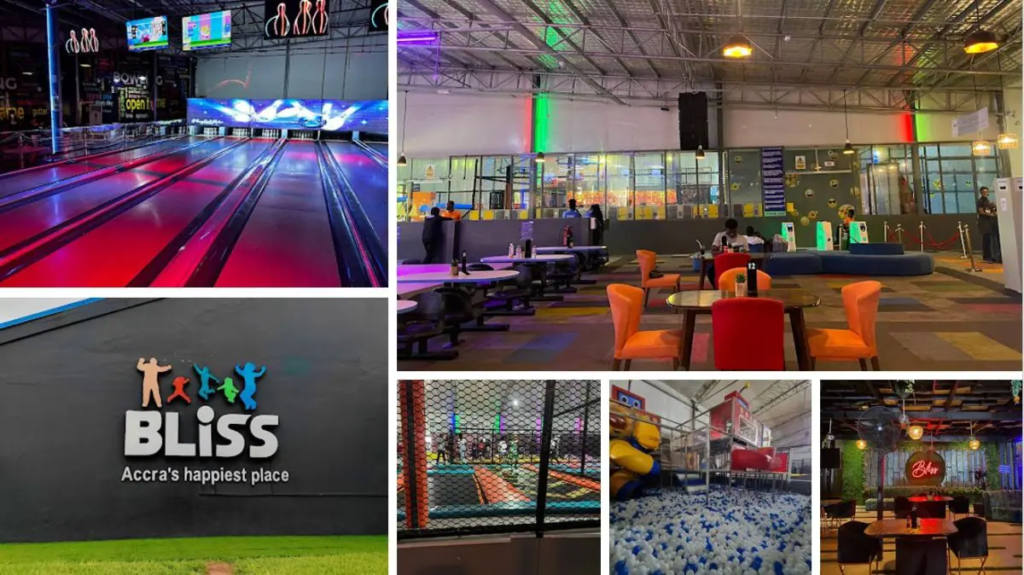
For thrill-seekers, a vibrant trampoline park provides high-bounce arenas (GH¢125 for under-12s, GH¢175 for ages 12+), while immersive Twin Battle VR setups (GH¢100) and an arcade stocked with over 20 games round out the technological play space. Younger guests can also enjoy gentle Teacup Spin rides.

What truly sets the venue apart is its integration of active gaming with local culinary culture. Instead of standard concession food, an on-site restaurant and bar serves authentic Ghanaian favorites, including Assorted Jollof (GH¢220), Goat Jollof (GH¢250), and Grilled Tilapia (GH¢250), alongside hearty stir-fried noodles and grilled meats.
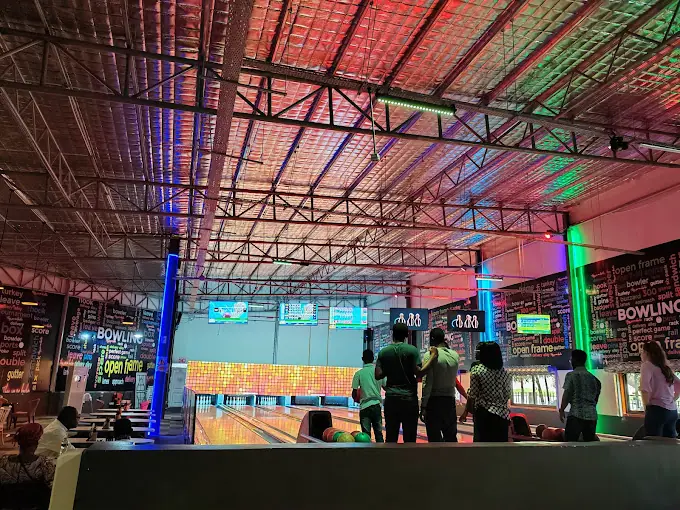
Operating late into the night—from 12:00 PM to midnight Tuesday through Friday and 10:00 AM to midnight on weekends—the center provides an easy, safe space for family outings, weekend dates, and stress-relieving evening hangouts.
By combining modern recreational technology with rich local flavors, Bliss continues to set the benchmark for indoor family leisure in West Africa.
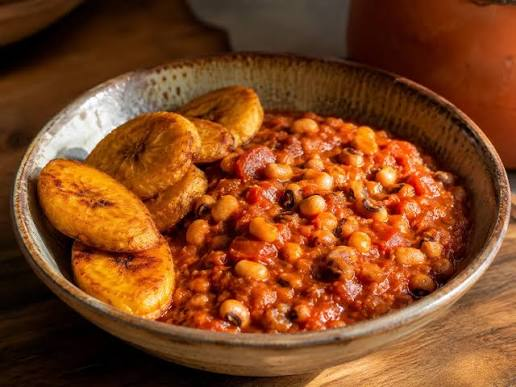
There is something irresistible about a plate of Red Red—the rich crimson sauce, sweet golden plantain on the side, and the comforting aroma that fills the air long before the first bite.
One of Ghana’s most loved bean dishes, Red Red takes its name from its striking colour, created by ripe tomatoes and vibrant red palm oil.
The result is a hearty meal that balances deep, savoury flavours with a gentle sweetness, making it a favourite from bustling street food stalls to family dining tables.
At its heart are soft, slow-cooked black-eyed beans that soak up a fragrant tomato stew infused with onions and spices. The red palm oil adds an earthy richness and a distinctive aroma that gives the dish its unmistakable character.
Pair it with fried ripe plantains, and every mouthful becomes a satisfying contrast of creamy beans and caramelised sweetness.
Many Ghanaians complete the meal with a boiled or fried egg, turning an already generous dish into an even more filling feast.
Red Red has earned its place as more than comfort food. Beans provide plant-based protein and fibre, while tomatoes contribute vitamins and antioxidants. Red palm oil, used in moderation, also contains beta-carotene, which the body converts into vitamin A.
Visitors discovering Ghanaian cuisine for the first time often remember Red Red because it feels both familiar and exciting.
It’s simple enough for home cooks to recreate, yet packed with flavours that reflect Ghana’s talent for transforming everyday ingredients into memorable meals.
Whether enjoyed for lunch, dinner, or as a satisfying weekend treat, Red Red remains one of the country’s proudest culinary classics.

-

 Arts and GH Heritage2 days ago
France honors Ghanaian artist Ibrahim Mahama
-

 Sights and Sounds18 hours ago
Why Bliss Family Entertainment Is Airport City’s Go-To Haven
-

 Health & Wellness1 day ago
First In, Last Out: Understanding Your Body’s Natural Fat Storage Blueprint
-
 Festivals & Events5 hours ago
Accra Welcomes New York Leadership for a Historic Night of Community
-
 Taste GH5 hours ago
The Timeless Appeal of Koose and Spiced Millet Koko
-

 Festivals & Events18 hours ago
Where Cascades Meet Culture: The Majestic Grandeur of the Wli Falls Festival