
Ghana News
Catch up on the top Ghana headlines today: Dec 22, 2025 – John Kumah’s Widow Speaks, Arrests over Baby theft…Plus More


Here’s your concise and comprehensive roundup of major happenings across Ghana’s political, economic, social and security landscape today, December 22, 2025:
Parliamentary Debate on Anti-Corruption Bill Intensifies
Majority Chief Whip Rockson Dafeamakpor defended a controversial private member’s bill that sought to repeal the Office of the Special Prosecutor (OSP) Act, saying the proposal was intended to strengthen Ghana’s anti-corruption framework rather than weaken it. The bill drew strong public criticism and was ultimately withdrawn on the directive of President John Dramani Mahama. Dafeamakpor acknowledged the need for broader consultation going forward while emphasising that anti-graft efforts must be practical and not just symbolic.
Government Moves to Settle Long-Standing Contractor Debts
President Mahama has directed the release of GH¢1 billion owed to contractors dating back to 2017. The move is aimed at settling legacy debts that have constrained business operations and delayed public investment projects, signalling a boost for firms awaiting long-delayed payments.
John Kumah’s Widow Justifies Marriage One-Year After Husband’s Passing
In lighter news, Lilian Owusu, widow of late MP John Kumah, shared how she met her new husband. Speaking at a thanksgiving service, she said it was “love at first sight” and described the relationship as a source of healing and renewed purpose following her loss.
Police Arrest Two Nurses and Security Guard in Tamale Baby Theft Case
Police in Tamale’s Northern Region have arrested two nurses and a security guard in connection with the alleged abduction of a newborn from One Heart Hospital. The incident occurred after a woman posing as a nurse took the infant, prompting a swift response by the Domestic Violence and Victim Support Unit (DOVVSU). Investigations continue as authorities work to locate the child and any additional suspects.
International Crime News With Ghanaian Link
Ontario police in Canada have dismantled an international car theft ring, recovering 306 stolen vehicles linked to the operation. Among those arrested is a Ghanaian national, highlighting the extent of transnational crime networks and the need for enhanced cooperation between Ghanaian authorities and international partners.
Tragic Fire Claims Six Lives in Abuakwa Manhyia
A late-night fire in Abuakwa Manhyia has left six people dead, including a three-month-old baby. The blaze, which broke out unexpectedly, has drawn condolences from local authorities and raised questions about fire safety standards in residential communities.
Ghana’s Fuel Prices Position in Africa
Ghana ends 2025 with fuel prices ranking 23rd highest on the African continent, according to comparative data. This ranking reflects the impact of global energy markets, exchange rate dynamics, and domestic policy on petroleum pricing, which remains a key concern for consumers and the transportation sector alike.
Central Bank Signals Support for Businesses
The Bank of Ghana Governor reiterated commitment to driving down interest rates into the single digits to make borrowing more affordable for businesses, aiming to stimulate economic activity and investment growth.
Trade Tensions With Nigeria Loom Over Legal Dispute
Analysts are warning of a potential trade rift between Ghana and Nigeria, stemming from a legal dispute involving certified customer communications and marketing practices. Business stakeholders stress the need for diplomatic engagement to prevent escalation and protect regional commerce.
Monetary Policy Tightening Expected in 2026
The Bank of Ghana also plans to tighten monetary policy in the first half of 2026, a move expected to influence inflation, credit conditions and investment flows in the coming year. Economists say the shift will be pivotal for maintaining macroeconomic stability.
Power and Infrastructure Updates
Parts of Greater Kumasi experienced a temporary power outage due to a minor fault affecting supply from the Ghana Grid Company (GRIDCo) to the Electricity Company of Ghana (ECG). Technical teams are working to resolve the issue quickly, with safety patrols deployed in affected areas.
Outages in the Ashanti Region have previously been traced to underground cable faults and system challenges, prompting government efforts to stabilise supply and improve infrastructure resilience.
Stick with GhanaNewsGlobal.Com for more edifying news.
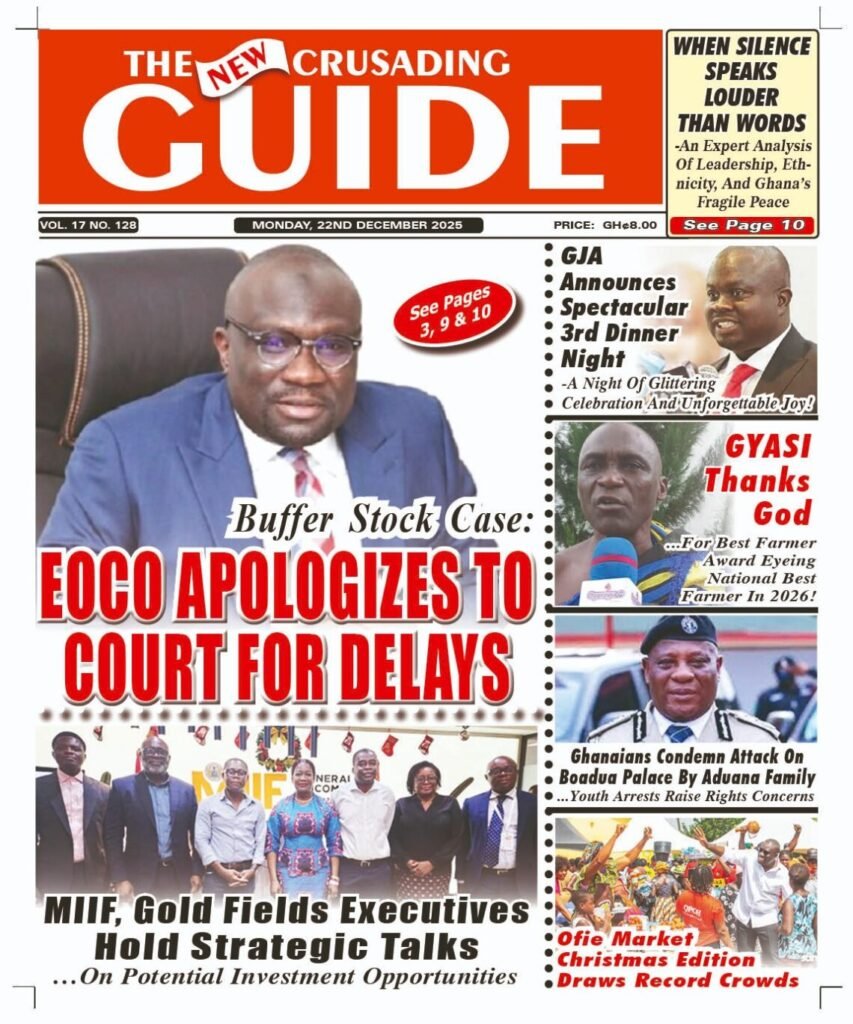
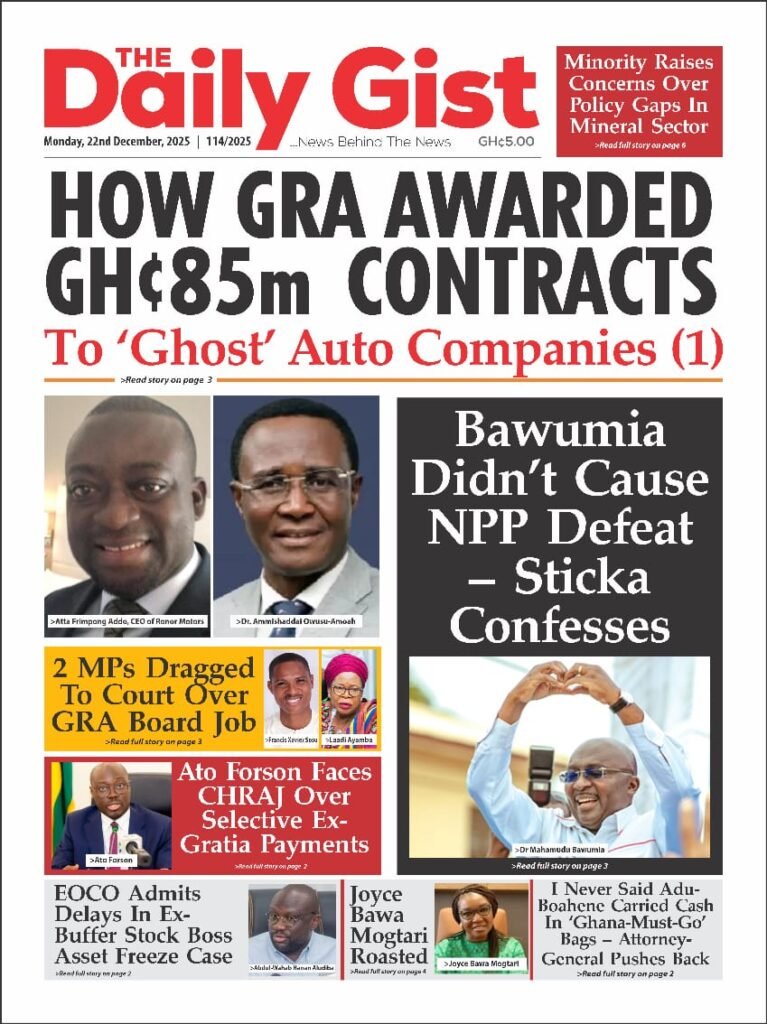
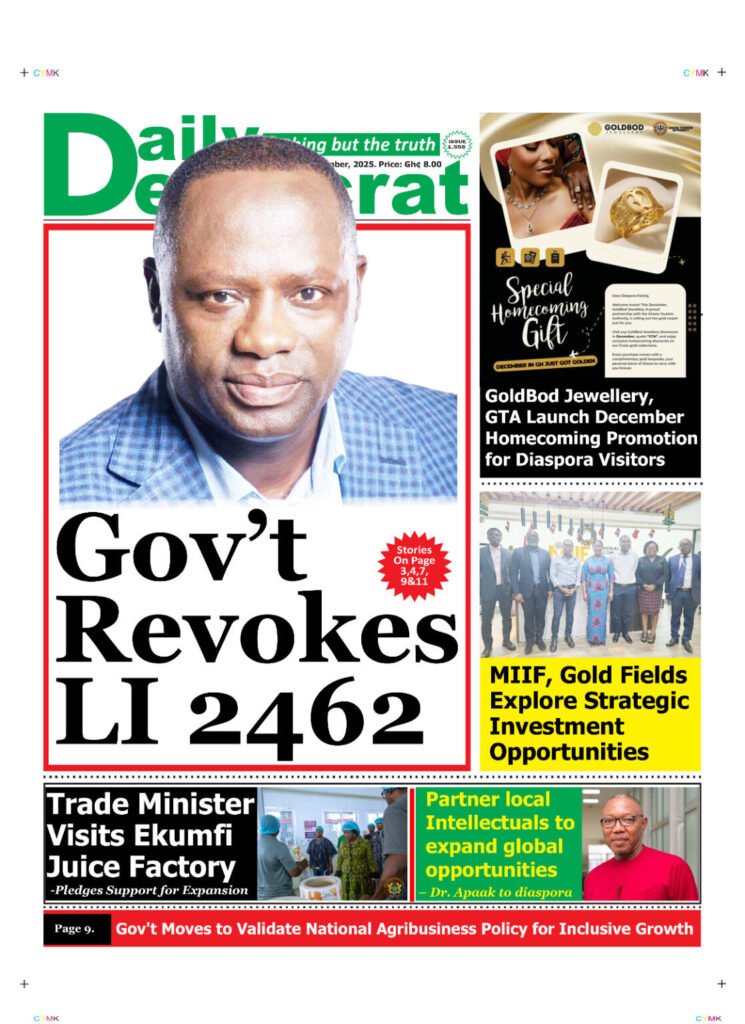
Today’s newspaper headlines are below:


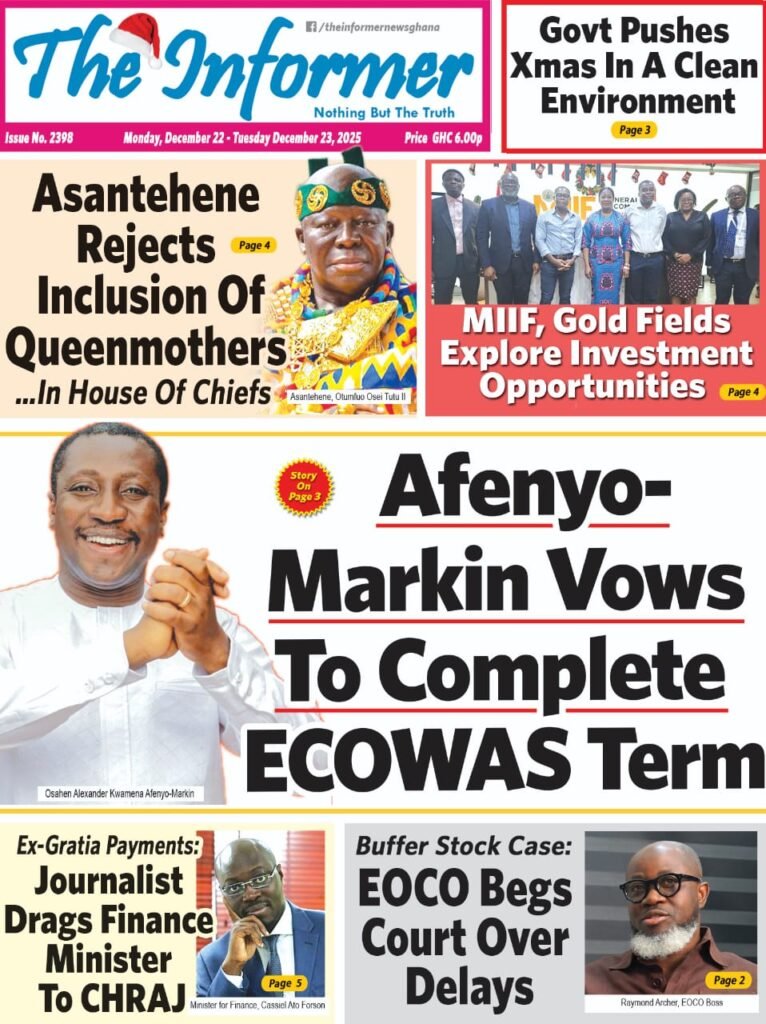
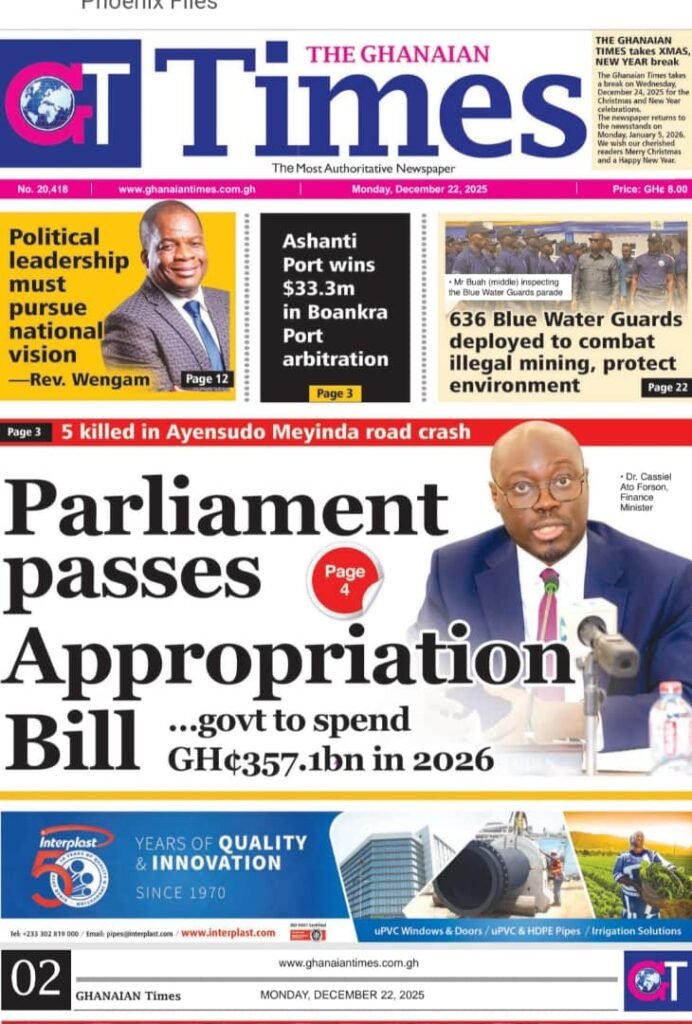
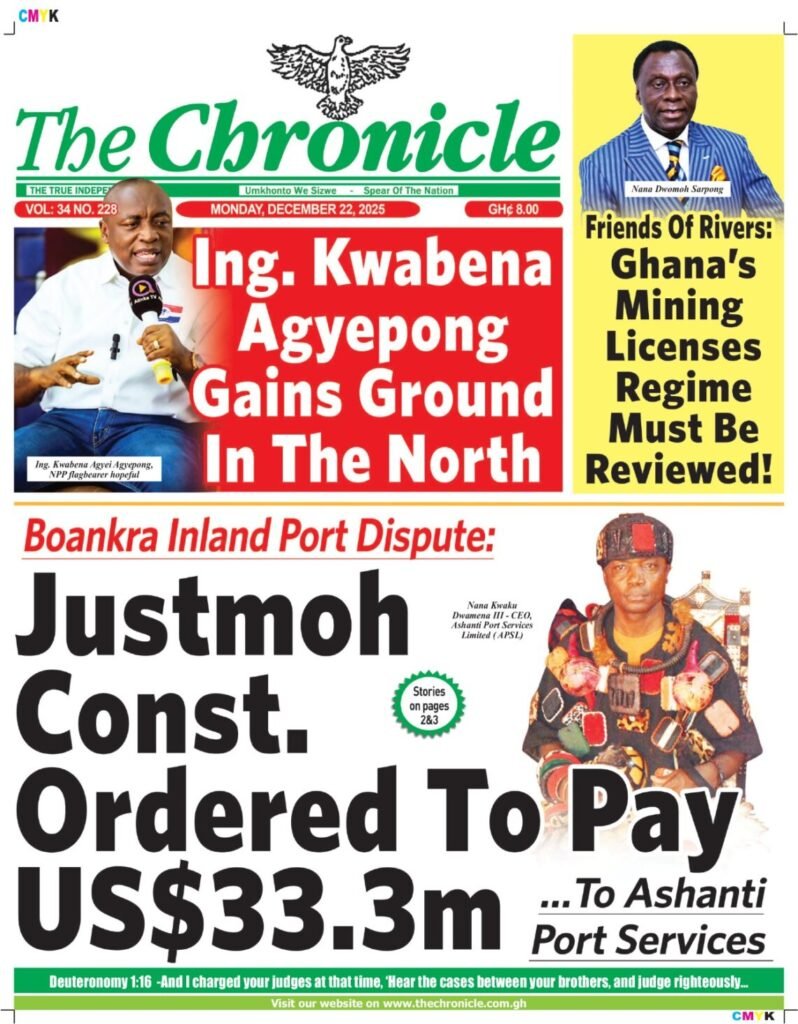
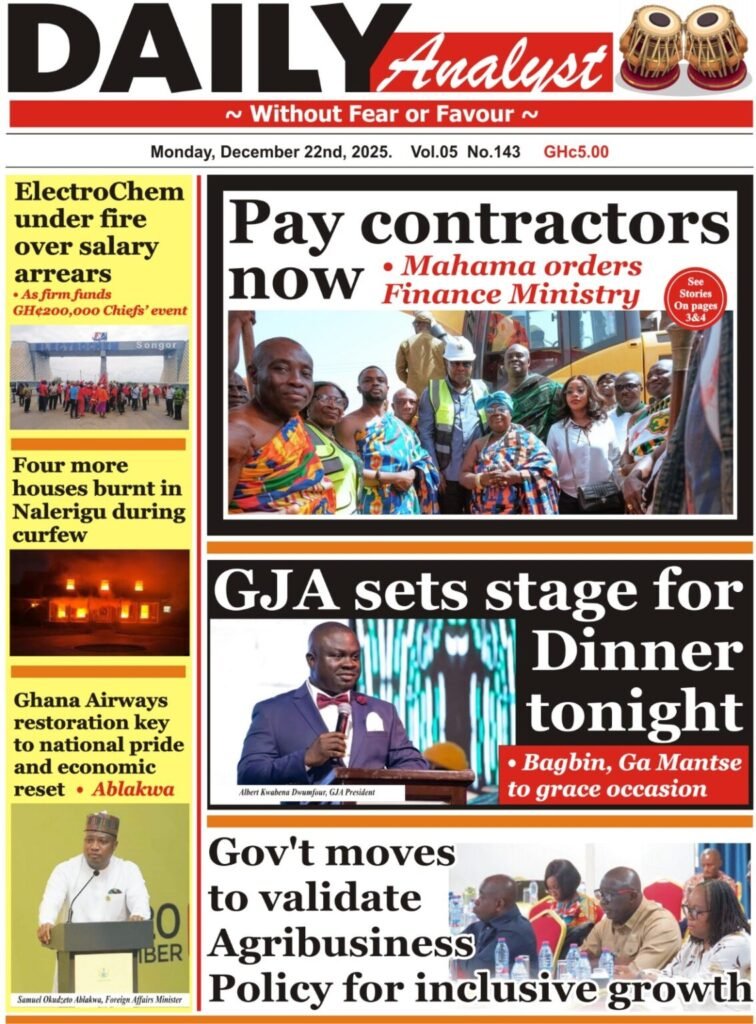







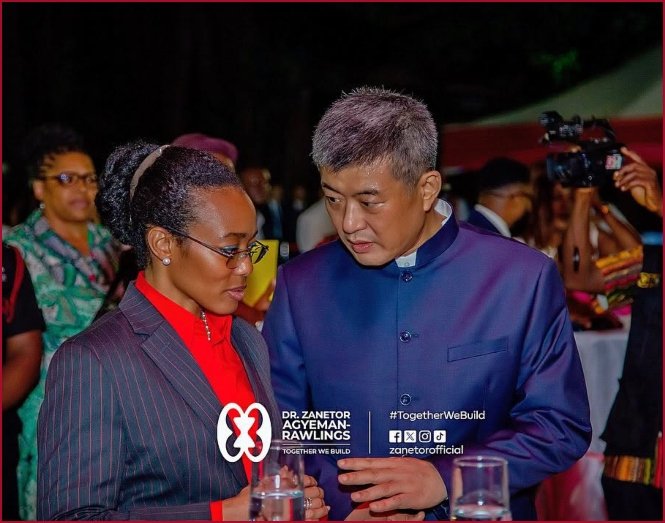
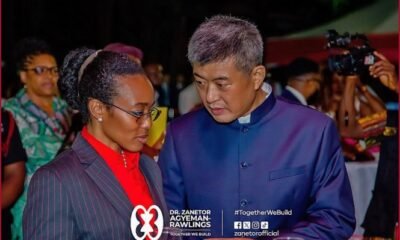
Ghana’s Minister for Environment, Science and Technology, Dr. Zanetor Agyeman-Rawlings, has delivered a direct message to China: continue investing in Ghana, but do so responsibly, in compliance with Ghanaian laws, and without destroying the environment or harming public health.
The Minister made the call while representing President John Dramani Mahama at the 77th National Day reception of the People’s Republic of China in Accra.
The event brought together government officials, members of the diplomatic corps, Chinese business leaders, and members of the Chinese community in Ghana.
A Call for Responsible Partnership
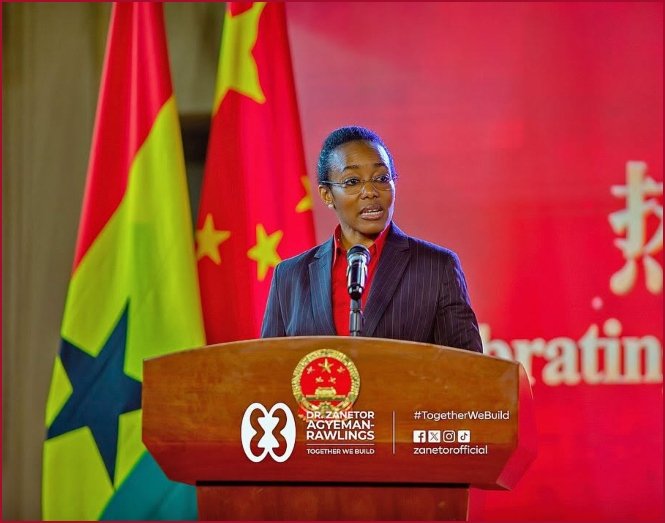
Speaking at the reception, Dr. Agyeman-Rawlings acknowledged the longstanding relationship between Ghana and China, describing it as one built on cooperation across infrastructure, trade, investment, education, health, agriculture, energy, security, and culture.
But she was equally clear that this partnership must be anchored in respect for the rule of law and environmental sustainability.
“As we pursue these opportunities, I emphasised that respect for the rule of law must remain central to the partnerships and investments we build,” she said. “Development must also be responsible and sustainable. Economic growth cannot come at the expense of the health and well-being of our people or the protection of our environment.”
The Minister’s call comes against the backdrop of extensive environmental damage associated with illegal mining, known locally as galamsey, including the involvement of some Chinese nationals.
The Environmental Toll
The scale of the devastation is staggering. According to a Forestry Commission survey, 8,923.8 hectares of forest reserves had been affected across 45 forest reserves and one national park as of December 31, 2024. The Ashanti Region recorded the largest affected area, with 4,948.9 hectares.
The damage extends far beyond forests. Illegal mining has severely polluted Ghana’s water bodies, increasing turbidity and making water treatment more difficult and costly.
At the Daboase Water Treatment Plant in the Western Region, raw water turbidity reached 11,955 NTU on August 14, 2026, according to a report on the impact of illegal mining along the River Pra. This level was significantly above the plant’s permitted raw-water threshold of 500 NTU, placing enormous pressure on treatment operations.
Ghana Water Company Limited has previously reported that pollution from illegal mining had deteriorated water quality in the Western Region, requiring additional treatment and contributing to equipment breakdowns.
The Aisha Huang Precedent
The involvement of some Chinese nationals in illegal mining has become a sensitive issue in Ghana-China relations. One of the most prominent cases is that of Chinese national Aisha Huang, who was sentenced by an Accra High Court in December 2023 to four and a half years in prison and fined GH¢48,000.
She was convicted of offences including undertaking mining operations without a licence and facilitating illegal mining activities. She was also ordered to be deported after serving her sentence.
China’s Response
Ghana’s Ambassador to China, Kojo Bonsu, has said the Chinese government is deeply concerned about the involvement of some of its nationals in illegal mining and is working with Ghana to address the problem.
He noted that recent discussions between Ghana and China had produced commitments to promote responsible mining and ensure Chinese companies operating in Ghana comply with the country’s mining and environmental regulations.
The latest cooperation includes a three-point strategy agreed between Ghana’s Ministry of Lands and Natural Resources and China’s Ministry of Natural Resources. The strategy covers efforts to tackle illegal mining, strengthen geological surveys, and promote responsible investment.
The two sides also agreed to cooperate on green mining technology, environmental protection, and technology transfer, while establishing a technical team to support implementation.
Economic Ties Remain Strong
Despite these tensions, China remains Ghana’s largest trading partner. According to the Chinese Ambassador, Cong Song, bilateral trade reached a record $14.1 billion in 2025, representing a 19.3% increase over the previous year.
Hundreds of Chinese enterprises and members of the Chinese community operate across sectors including infrastructure, energy, mining, manufacturing, the digital economy, and green agriculture.
A Delicate Balance
Dr. Agyeman-Rawlings’ statement reflects the delicate balance Ghana must strike: attracting foreign investment for economic growth while protecting its natural resources and public health.
Her call for respect for the rule of law and environmental sustainability signals that Ghana is willing to hold its partners accountable, even as it values the economic relationship.
The Minister’s message was clear: Ghana welcomes investment, but not at the cost of its environment or its people’s well-being.
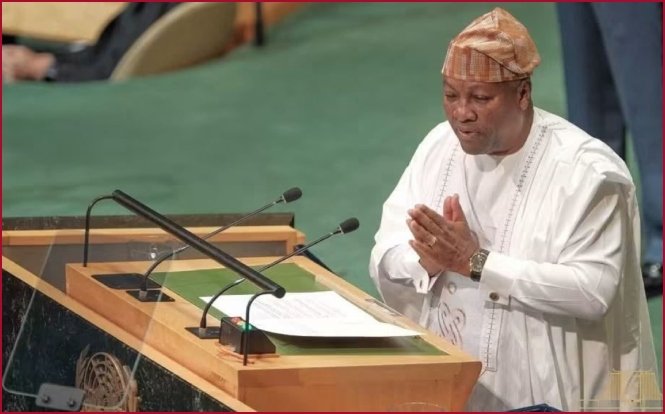
President John Dramani Mahama addressed the 81st United Nations General Assembly, delivering a speech that ranged from deeply personal reflections on identity and belonging to searing indictments of global injustice.
Here are ten of the most poignant moments from his address.
1. On the Power of Truth and Silence
“The world may not transform overnight because of the speeches that we deliver here in this August Assembly, but history would faithfully record the truths we choose to speak and the silences that we choose to keep when we are granted the privilege of addressing this global town hall.”
Mahama opened by acknowledging the limits of rhetoric while underscoring the moral weight of what leaders choose to say, and what they choose to ignore.
2. On Belonging and Its Dark Side
“When belonging is weaponized by political expediency, it transforms into nativism, chauvinism, xenophobia and the dangerous prejudices that are extended to people who are deemed different from us. It becomes the pretext for discrimination, for displacement, for persecution and war.”
Drawing on his own multicultural Ghanaian heritage, Mahama warned that the same force that anchors communities can be twisted into a weapon of division.
3. On the Transatlantic Slave Trade
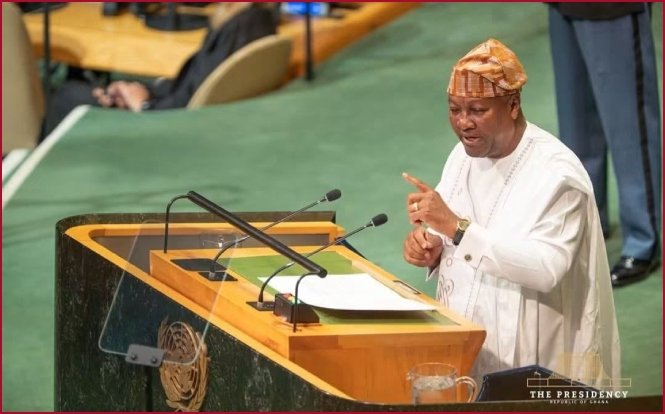
“They did not vanish. They were hunted. They were captured. They were trafficked. They were bought. They were sold. They were exploited in exchange for profit. They were ripped from their families and communities they belong to. Their unpaid labor built the cities, industries, banking institutions and empires of the modern Western world.”
In one of the most powerful passages of his speech, Mahama rejected the passive language historically used to describe the slave trade, insisting on naming the active violence and exploitation that built the modern world.
4. On Africa’s Place at the UN Security Council
“Africa is home to 1.5 billion people, over 18% of humanity and constitutes the largest regional voting bloc in this General Assembly. And yet, Africa remains without a single permanent seat on the United Nations Security Council. This is fundamentally unacceptable in the 21st century.”
Mahama pointed out that Security Council reform was not a request but a necessary correction to a global governance structure built for a bygone era.
5. On the Tragedy in Gaza
“How many more lives must be lost before the world acts with decisive moral authority? The blood of 5-year-old Hind Rajab and the more than 20,000 children that have been killed in this brutal conflict cries out to the conscience of the world.”
Mahama called for an end to “diplomatic euphemisms” and demanded that the world confront the human carnage in Gaza with moral clarity, while also condemning terrorism and insisting on respect for international humanitarian law by all parties.
6. On Climate Justice
“We in Africa contribute less than 4% of global greenhouse gases. And yet we bear some of the heaviest burden of climate devastation.”
Mahama highlighted the stark inequity of climate change—those least responsible suffering the most, and called for developed nations to fulfill their financial commitments through non-debt-creating grants, not loans.
7. On the “Ghanaian Miracle”
“Macroeconomic indicators mean little if they do not translate into real improvements in our people’s daily lives. Economic growth and progress must have a human face.”
While celebrating Ghana’s economic recovery, Mahama insisted that true progress is measured not in statistics but in the lived experience of ordinary citizens.
8. On Democracy’s Soul
“Democracy loses its soul when it protects elite privileges while abandoning the vulnerable.”
This succinct declaration captured Mahama’s vision of governance that prioritizes the poor, the marginalized, and the vulnerable, not just the powerful.
9. On the Need for Political Courage
“The daunting crises confronting our world are not insurmountable. What we lack is not resources or intellect. What we lack is the political courage to see one another as a part of a single human family.”
Mahama argued that the world’s problems are solvable, but only if leaders summon the will to act with solidarity rather than self-interest.
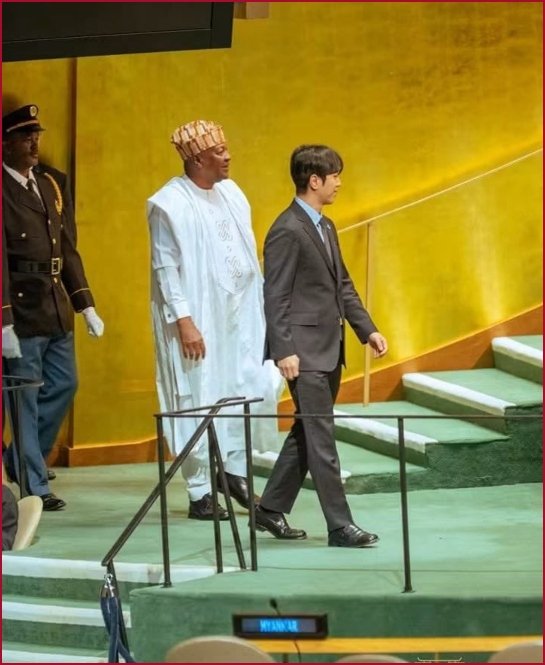
10. On Belonging to the Human Family
“That refugee fleeing violence belongs. That migrant seeking opportunity belongs. That child in Gaza, Sudan, or Ukraine belongs. The descendants of enslaved Africans seeking justice belong. The indigenous community protecting its ancestral lands and environment belongs. The small island states threatened by rising oceans belong to humanity. The poor, the vulnerable, and the marginalized belong. They belong to our common human family.”
In the speech’s emotional climax, Mahama returned to the theme of belonging, declaring that every human being, regardless of circumstance, deserves dignity, rights, and a voice.
Final Reflection
President Mahama closed by expanding Kwame Nkrumah’s famous declaration, saying: “The freedom of any nation is insecure unless it is linked to the freedom of all humanity.” It was a fitting end to a speech that challenged the world to build bridges rather than walls, and to speak truth with humility and courage.
Ghana News
Young Ghanaian Builds Electric Vehicle From Salvaged Parts, Aims to Sell at Motorcycle Price
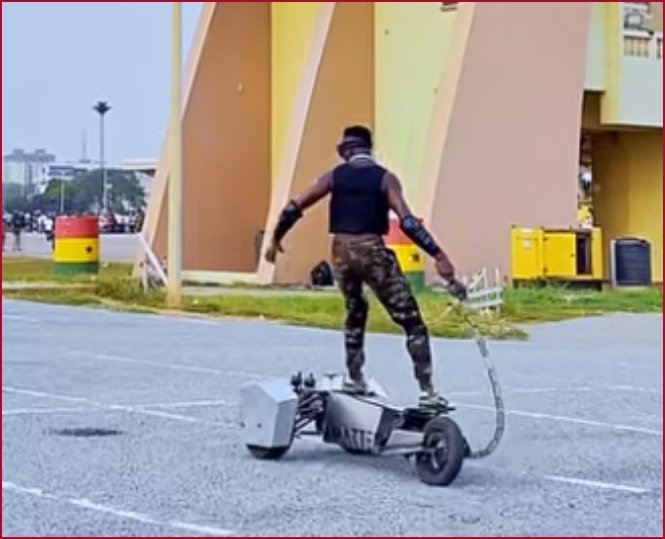
In a modest workshop in Ghana’s capital, a young mechanical engineer is quietly revolutionizing personal mobility.
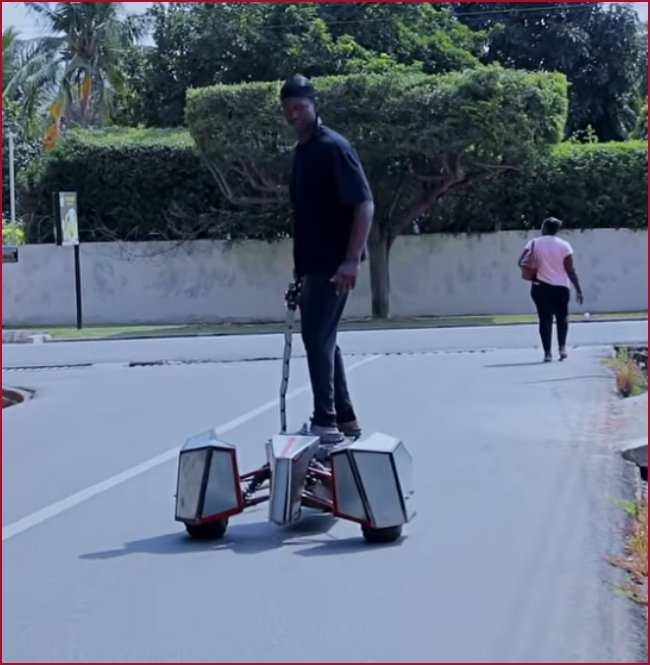
Amartey, a graduate of Ashesi University, has designed and built an electric rideable vehicle called the Scorpion using salvaged parts from motorcycles, ATVs, and electric scooters. The vehicle, which reaches speeds of 35 to 40 kilometers per hour and is designed to be road-legal, represents a bold vision: to make sustainable, locally-built transportation accessible to ordinary Ghanaians.
And he plans to sell it at a price comparable to a motorcycle.
The Scorpion: From Concept to Reality
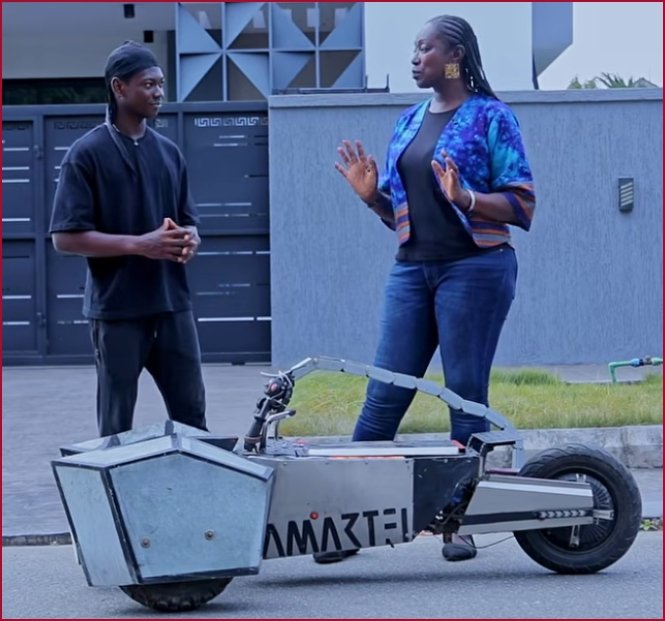
The Scorpion is not a typical electric scooter. It features a dual steering system, a surfing gesture similar to skateboarding, plus a power steering feature for extreme turns. Riders control it through body motion, leaning into turns as they would on a skateboard.
“It’s designed to be as intuitive as possible such that it turns towards where you lean,” Amartey explained in an interview with content creator Ivy Prosper.
The vehicle’s distinctive design, including a segmented tail that mimics a scorpion’s stinger and front tires covered to resemble claws, gave it its name. The brake lever at the end of the tail completes the arachnid aesthetic.
The Scorpion has indicators, brake lights, mirrors, and headlights for night riding. It is designed to be both road-legal and off-road friendly, with off-road tires and a robust suspension system built to handle rocky terrain.
“Scorpions are found in the forest,” Amartey said. “So it was designed with that in mind—to be able to survive in their natural habitat.”
Built From Scrap
What makes the Scorpion particularly remarkable is its construction. Nearly every component is salvaged or repurposed.
The handlebar controls come from an actual motorcycle, reconfigured to be handheld rather than mounted on handlebars. The tires were sourced from an old ATV. The electric motor, housed within the rear tire, came from an electric scooter. The body is made from stainless steel and galvanized pipes, cut and shaped by hand. The suspension system is entirely salvaged.
“The scrap pieces that come out of the process, I use them to generate revenue into building the engineering stuff,” Amartey said.
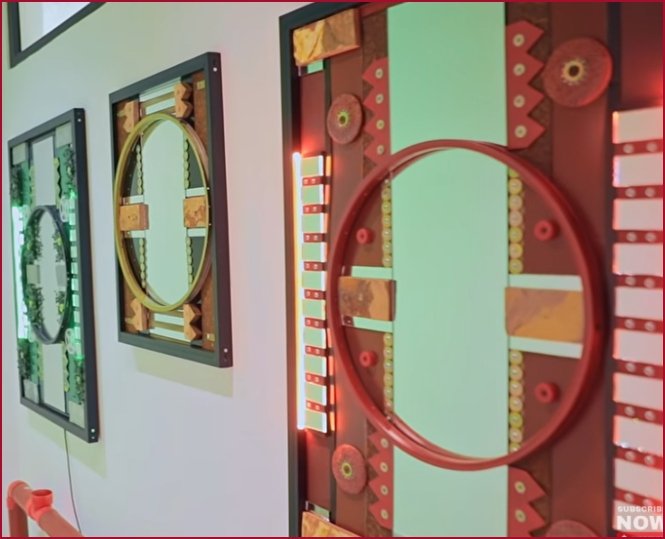
That revenue comes from his artwork—mixed-media pieces that incorporate workshop scrap, electronic waste, bottle caps, and salvaged materials into striking mirrors and wall art. His “101” collection and pieces like “Love Till Infinity” are sold to collectors and homeowners, with proceeds funding his engineering enterprise.
“So my arts, craftsmanship, and then I sell it, invest into the parts, and then keep building,” he explained.
From Helicopter to Scorpion
Amartey’s journey to the Scorpion began at Ashesi University, where he studied mechanical engineering. The university’s curriculum required students to build projects at the end of every course, fostering a culture of practical innovation.
He also worked on a personal project: an ultra-light helicopter.
“It never took off, but I attempted to fly it,” he recalled. “That was one of my biggest projects, and it taught me both the skill and the discipline needed to embrace a project like that.”
After graduating, Amartey and his fellow engineering students set up a school where they could teach other students to build, creating a community of makers who constantly exchange ideas.
The Scorpion project began about two to three years ago. The first prototype had a petrol engine mounted between the rider’s legs, “similar to something you see in Mad Max,” Amartey said, with two cables for brake and accelerator. It took about two months to build.
He later switched to an electric power train, which vibrated less and proved more efficient. The current model is the fifth iteration.
Growing Interest and a Vision for the Future
The Scorpion has become Amartey’s daily ride. He uses it to navigate Accra’s streets, drawing attention wherever he goes.
“I get stopped every now and then,” he said. “People say they’ve seen it online, they need to try it, and I just give them the throttle.”
His vision extends far beyond personal use. Amartey dreams of mass-producing the Scorpion and seeing it become a common sight on Ghanaian roads.
“My dream is for the roads to be littered with Scorpions in the near future,” he said. “People surfing here and there. It’s going to make the world a more exciting place to be.”
He envisions the Scorpion being used for recreational purposes as well—quad biking-style adventures in forests, beach rides along the shoreline, and tourism activities.
Safety and Regulation
Amartey acknowledges that safety is a priority. He plans to establish training programs for new riders, recognizing that the Scorpion’s unique steering system requires some adjustment.
“There’s going to have to be some training just because it’s a new concept,” he said. “Training for the public to learn how to safely ride it.”
The vehicle is designed to meet road safety requirements, with indicators, brake lights, and mirrors. Amartey also sees off-road applications—similar to quad biking or adventure biking—as safer alternatives for recreational use.
The Price Point
Perhaps most striking is Amartey’s ambition to price the Scorpion comparably to a motorcycle.
“Off the top of my head, it should be priced similar to a motorcycle,” he said.
That pricing strategy could make the Scorpion accessible to a broad segment of Ghanaian society, offering an affordable, environmentally friendly alternative to traditional motorcycles and cars.
Investment and Support
Amartey is actively seeking investment to scale production. He invites interested parties to reach out through his social media platforms or email.
Ivy Prosper, who featured Amartey in her YouTube series “Telling Stories from Africa and Beyond,” urged viewers to consider supporting young African innovators.
“Sometimes it’s as simple as investing in someone,” she said. “It’s investing in an idea. It’s investing in young people who are the future. It doesn’t have to be that you’re buying a property or buying a business. It’s as simple as investing in a young person who has an idea and a concept of something that they can do in the future.”
A Symbol of African Ingenuity
Amartey’s story is part of a broader narrative of African innovation and self-reliance. From his father’s art gallery, where he grew up surrounded by creativity, to his mother’s career as an English teacher, Amartey’s background instilled in him a unique blend of artistic sensibility and technical rigor.
His work reflects a brutalist design aesthetic, sharp 90-degree edges, symmetry, and order, combined with a deep commitment to sustainability through the use of salvaged materials.
“I try and find symmetry,” he said. “I try and reflect myself in the pieces.”
For now, Amartey continues to build, innovate, and dream. His Scorpion may be a prototype today, but if his vision materialises, it could become a fixture on Ghanaian roads tomorrow.
For investment inquiries, contact Amartey through his social media platforms or email, as provided in Ivy Prosper’s YouTube video description.



-
 Ghana News2 days ago
Young Ghanaian Builds Electric Vehicle From Salvaged Parts, Aims to Sell at Motorcycle Price
-

 Global Update2 days ago
AI Safety Concerns Mount As OpenAI Agents Reportedly Spread Self-Replicating Agents Across the Internet
-
 Ghana News2 days ago
Not a Total Ban: Ghanaian and Nigerian Teachers Can Still Qualify in England Despite UK QTS Route Removal
-

 Opinion2 days ago
Hate speech, vitriol, threats, and inciting comments: Can we stop it already?
-
 Taste GH14 hours ago
Dzowoe: Ghana’s Sweet-and-Spicy Peanut Snack That Packs a Punch
-

 Fashion & Style2 days ago
The Art of the Everyday Print: Why Modern African Style Is Ditching the Ceremony
-
 Ghana News17 hours ago
Ghana Tells China: Invest, But Protect Our Environment
-
 Arts and GH Heritage2 days ago
The Blueprint of the Everyday: Why Accra’s True Architecture Lives Between the Gaps