
Taste GH
Tubani: The Simple Bean Delicacy Bringing Big Flavour to the Table

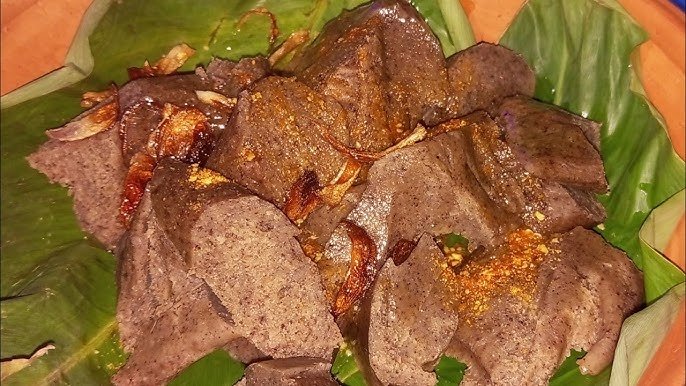
Some of the most satisfying dishes require neither an elaborate recipe nor a long list of ingredients, and Tubani is a delicious example of how humble beans can become something special.
A Taste of Simplicity and Tradition
Popular in parts of West Africa, Tubani is a steamed bean cake made from bean flour, water, salt and a little baking soda.
It is particularly associated with Benin and neighbouring communities, where variations of this nourishing dish are enjoyed as an everyday food.
Preparing Tubani is refreshingly straightforward. Dried black-eyed peas or other suitable beans are ground into flour, mixed with water and seasonings to form a smooth batter, then steamed in small heatproof bowls or traditionally wrapped in leaves. After about 25 minutes, the mixture sets into a soft, tender cake that can be sliced and served.
Its appeal lies in its gentle, earthy bean flavour and delicate texture. On its own, Tubani is relatively mild, making it an excellent base for more assertive toppings.
The Magic Is in the Toppings
A generous spoonful of sautéed onions brings sweetness and a savoury aroma, while cayenne pepper adds a welcome kick. Chilli oil offers another tempting option, coating each piece with warmth and a glossy finish.
The contrast between the soft bean cake, fragrant onions and spicy seasoning makes every bite satisfying. It is uncomplicated food that rewards a little creativity.
A Nourishing Addition to the Table
Beans provide plant-based protein, dietary fibre and important minerals, making Tubani a filling option for people looking to include more legumes in their diets. Its nutritional value will depend on the ingredients and portion size, particularly the amount of oil used.
For Ghanaian readers, Tubani offers an opportunity to explore the shared culinary traditions connecting West African neighbours. For international food lovers, it is an inviting introduction to the region’s resourceful approach to everyday cooking.
Sometimes, the best food discoveries are made with just a handful of ingredients, a little steam and the right seasoning.

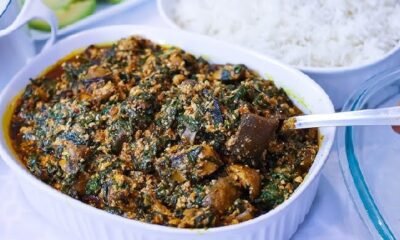

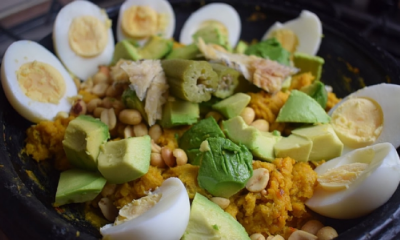



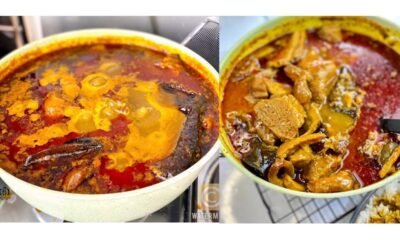


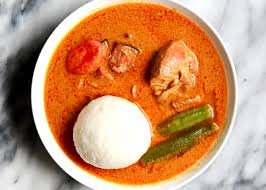

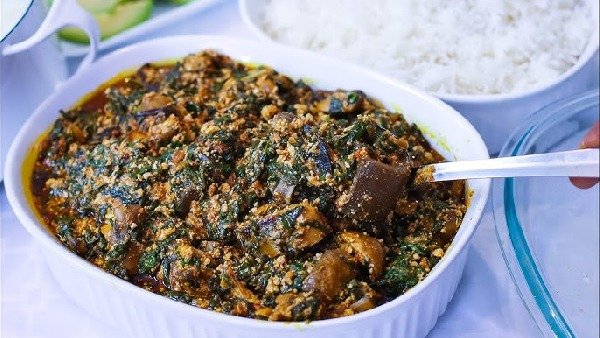
The aroma of onions sizzling in red palm oil, ripe tomatoes softening into a rich sauce, and fresh green leaves releasing their earthy fragrance is enough to make many Ghanaians anticipate a satisfying meal.
Across Ghana, Kontomire, Palawa and Okro stews bring colour, flavour and nourishment to everyday dining, turning familiar local ingredients into dishes that connect families to home and tradition.
Kontomire: Earthy, Rich and Comforting
Kontomire stew is made primarily with cocoyam leaves, tomatoes and egusi, the ground seeds of certain melon varieties.
The leaves provide an earthy, distinctive flavour, while egusi adds richness and a pleasantly nutty taste.
Tomatoes contribute a gentle tang, creating a hearty dish that pairs beautifully with boiled yam, ripe plantain or rice.
Cocoyam leaves also provide fibre and micronutrients, while egusi contributes plant-based protein and healthy fats.
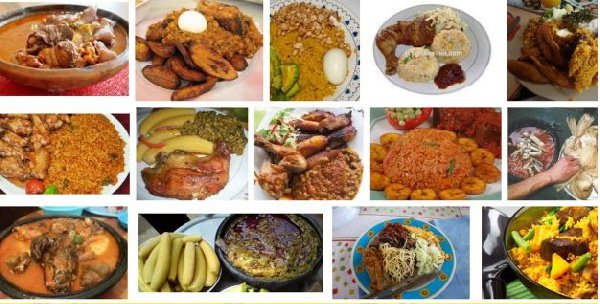
A steaming bowl of kontomire stew, freshly boiled yam or ripe plantain sizzling in a pan tells a story of Ghanaian food that goes beyond taste: it is a tradition with plenty of nutritional promise.
Ghanaian cuisine draws much of its appeal from familiar, locally sourced ingredients, including starchy staples, leafy vegetables, legumes, fish, meat and aromatic spices. When prepared thoughtfully, these foods can form the foundation of a balanced and nourishing diet.
The Goodness on the Plate
Walk through a Ghanaian market and you will find colourful displays of garden eggs, okro, tomatoes, peppers and cocoyam leaves, alongside heaps of yam and plantain.
These ingredients are more than kitchen essentials. They provide nutrients that support everyday health.
Kontomire stew, prepared with cocoyam leaves, tomatoes, and often egusi, offers fibre and useful micronutrients.
Okro brings its characteristic slippery texture to soups while providing fibre, and garden eggs add variety to stews and sauces. These vegetables are beloved for their distinctive flavours and their place in everyday Ghanaian cooking.
Yam and plantain provide energy, making them satisfying companions to soups, stews and protein-rich dishes.
Beans and groundnuts contribute plant protein, while fish supplies protein and, depending on the variety, beneficial omega-3 fatty acids.
The fragrance of ginger, garlic, onions and fresh peppers gives Ghanaian dishes their unmistakable character, allowing cooks to build flavour from ingredients rather than relying entirely on salt.
Healthy Eating Starts with Balance
Traditional foods are not automatically healthy in every preparation. Large portions, excessive oil, salt and frequent deep-frying can affect a meal’s nutritional value.
Balancing starchy foods with vegetables and protein, choosing varied cooking methods and moderating salt and oil can make a meaningful difference.
Ultimately, Ghanaian cuisine offers a delicious starting point for healthy eating. From family meals to bustling roadside food stalls, its greatest nutritional strength lies in the ingredients, preparation and balance behind every plate.

From rooftop cocktails above the city to comforting Ghanaian favourites delivered to your door, this Accra neighbourhood offers plenty of ways to satisfy a good appetite.
In Airport Residential Area, a good meal can come with a view of Accra’s skyline, the aroma of freshly grilled meat or the comforting taste of a familiar Ghanaian dish after a long day.
Located close to Kotoka International Airport, this sought-after neighbourhood combines residential convenience with easy access to shopping centres, hotels and restaurants.
For residents and visitors alike, its dining scene offers an appealing reason to explore beyond the usual commute.
Dining Above the City
One of the area’s most recognisable attractions is Skybar, located in the ICON House building, widely known for its elevated views across Accra.
The experience brings together food, drinks and the spectacle of the city from above, making it an appealing choice for evening outings, social gatherings and special occasions.
Yet the neighbourhood’s food appeal extends beyond rooftop dining and international menus. Accra’s culinary character is also shaped by the everyday dishes that bring people together.
Ghanaian Comfort on the Menu
For those seeking local flavours, Ghanaian favourites offer a satisfying introduction to the country’s food culture. Jollof rice, fragrant with tomatoes, spices and peppers, remains a popular choice, while waakye combines rice and beans with accompaniments such as fish, boiled eggs, spaghetti and spicy shito.
Grilled tilapia with banku delivers smoky aromas and a satisfying contrast between tender fish and fermented corn-and-cassava dough. For something lighter, fresh fruit and vegetable dishes can provide welcome balance.
These foods carry cultural significance beyond the plate, connecting diners to family traditions, street-food vendors and the everyday rhythms of Ghanaian life.
Convenience Without Compromising Taste
When cooking feels like too much effort, food delivery services offer another way to enjoy Accra’s diverse menus, from local staples to international cuisine.
Airport Residential Area’s appeal lies in this flexibility: whether dining out or ordering in, there is room to experience Ghana through its flavours.


Tubani: The Simple Bean Delicacy Bringing Big Flavour to the Table

Women Over 40: Why Getting Healthier Matters More Than Losing Weight Quickly

Kehinde Faoziyat Abiona: Reimagining African Fashion Through Colour, Form and Identity
-

 Festivals & Events2 days ago
Asafua Festival: Sekondi’s June Celebration of Spiritual Heritage and Community
-

 Homes & Real Estate2 days ago
Building a Two-Bedroom Storey House in Ghana: What GH¢500,000 to GH¢850,000 Can Cover in 2026
-

 Sights and Sounds1 day ago
Where Accra Finds Its Rhythm: Inside the Live Music World of +233 Jazz Bar & Grill
-

 Homes & Real Estate1 day ago
Building on a Budget: How Modern Construction Methods Could Cut Housing Costs in Ghana
-

 Festivals & Events1 day ago
Kundum Festival: Ghana’s Western Coast Celebrates Harvest, Heritage and Renewal
-

 Arts and GH Heritage1 day ago
Where Sacred Groves Meet Contemporary Art: Rethinking Humanity’s Bond with Nature
-

 Health & Wellness12 hours ago
Build Muscle and Lose Fat Together: Who Can Benefit Most?
-
 Health & Wellness17 minutes ago
Women Over 40: Why Getting Healthier Matters More Than Losing Weight Quickly