
Health & Wellness
Kofi Brokeman: The Simple Ghanaian Street Snack Everyone Should Try

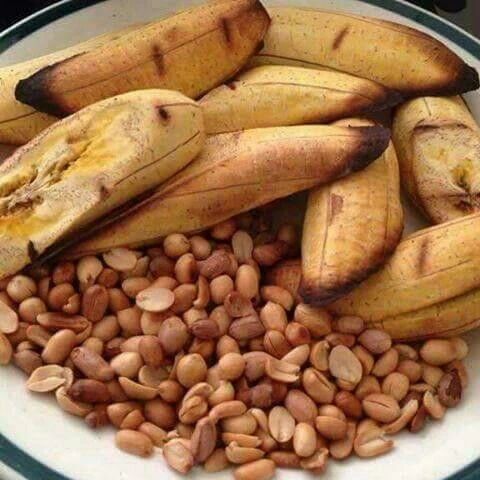
Few things capture the easy pleasure of Ghanaian street food quite like the smell of ripe plantain roasting over glowing charcoal, its sweet aroma drifting through the streets as vendors turn each piece to a deep golden brown.
Sweet, Smoky and Satisfying
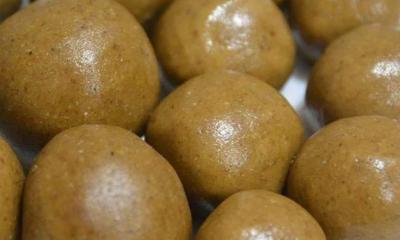
Grilled plantain, locally enjoyed as kofi brokeman, is one of those foods that needs little decoration to be delicious. As the plantain cooks, its natural sugars caramelise, giving the edges a lightly charred taste while the inside becomes soft, warm and sweet.
Then comes the peanut.
A handful of roasted peanuts, known locally as groundnuts, adds a nutty crunch and a savoury contrast to the tender plantain. The combination is simple but remarkably satisfying: sweet, smoky, crunchy and filling in the same mouthful.
A Familiar Taste of Ghana
You can find grilled plantain and peanuts at roadside stalls, busy junctions, markets and other bustling corners of Ghana. For many people, it is an affordable snack that fits naturally into everyday life rather than something reserved for a special occasion.
Its appeal also goes beyond flavour. Plantain provides carbohydrates, fibre and several vitamins and minerals, while peanuts contribute plant-based protein, healthy unsaturated fats and additional fibre. Together, they make a snack that can keep hunger away for longer than many highly processed alternatives.
For visitors discovering Ghanaian food, this humble pairing offers a delicious introduction to the country’s street-food culture. For locals, it is a familiar comfort: warm plantain, roasted groundnuts and the unmistakable smoky scent of charcoal—proof that some of the best food does not need to be complicated.






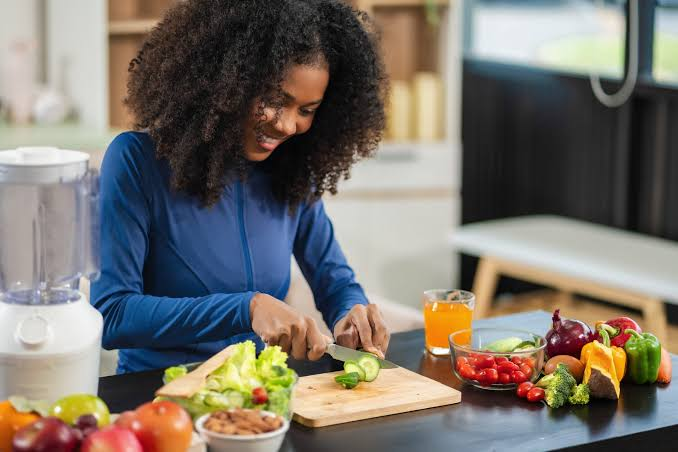
You don’t need a complicated diet to eat better. Sometimes, the smartest place to start is with four ordinary foods that quietly cover some of the nutrients your body needs every day.
Start With Something Green
Think kontomire, spinach, alefu, cabbage or other leafy greens. These vegetables are generally low in calories but packed with fibre, vitamins and minerals. Adding a serving to lunch or dinner can make a simple meal more filling and nutritionally useful without adding a lot of calories.
Give Your Body Protein
Milk and yoghurt can provide calcium, protein and important B vitamins, while eggs, fish, lean meat and other high-protein foods help support muscle maintenance and repair. This becomes increasingly important as we age, because the body gradually becomes less efficient at holding on to muscle.
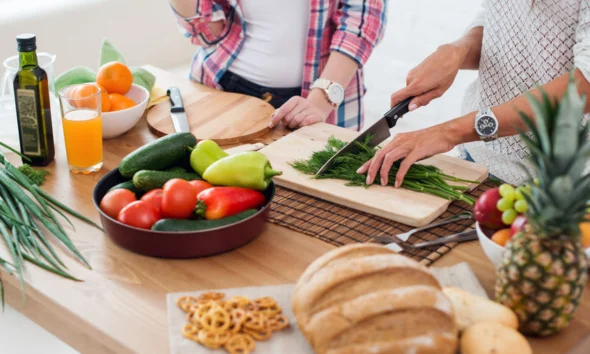
For Ghanaians, this could mean adding eggs to breakfast, choosing grilled fish at lunch or including plain yoghurt as a snack rather than relying heavily on highly processed options.
Don’t Forget Beans
Beans, lentils and other legumes deserve a regular place on the plate. They combine protein and plenty of fibre, helping you stay satisfied for longer. Ghanaian staples such as beans stew can fit naturally into this approach without turning healthy eating into a special project.
Think Consistency, Not Perfection
The real lesson is not that everyone must eat exactly four foods every single day. It is that a nutritious diet is built from repeatable choices.
A plate containing greens, a quality protein source and beans, alongside sensible portions of other foods, can do far more for your health than chasing the latest diet trend. Small choices, repeated often, eventually become the way you eat.
The biggest difference between an old-fashioned meal and many modern foods isn’t that one is “natural” while the other is “toxic”. It is what happens between the farm and your plate.
For generations, many Ghanaian households cooked with foods bought from local markets: tomatoes, garden eggs, leafy vegetables, plantain, cassava, beans, fish and other seasonal ingredients. Meals took preparation, and food was often recognisable in its original form.
Today, a supermarket shelf can offer hundreds of ready-to-eat choices designed for convenience. Some contain refined starches, added sugars, oils, flavourings, emulsifiers and preservatives.
None of those ingredients automatically makes a food dangerous, but regularly relying on highly processed foods can make it easier to consume more calories, sugar and salt than intended.
Convenience Comes With a Trade-Off
Consider a busy Accra worker grabbing a sweetened drink and packaged snack instead of eating a proper meal. The problem isn’t one biscuit or one soft drink. It is what happens when convenient foods gradually replace meals built around whole or minimally processed ingredients.
Modern agriculture has changed too. Crop varieties, animal breeds, feed, farming methods and processing techniques are different from those used decades ago.
That doesn’t mean everything from the past was healthier, or that every modern food is harmful. The smarter approach is to look at the whole pattern.
Put Real Food Back on the Plate
Fresh or minimally processed foods don’t have to be expensive or exotic. Beans, eggs, vegetables, fruit, whole grains, fish and traditional Ghanaian staples can form the foundation of everyday meals.
The goal isn’t to eat like it’s 1950. It is to make food that still looks like food a bigger part of your life.
Health & Wellness
Your Body Is Still Working While You Sleep — And Your Sleep May Matter More Than You Think

Your body may be lying still at midnight, but it has not stopped working. During sleep, your brain and body coordinate a range of repair and metabolic processes, including the release of growth hormone, which plays an important role in tissue repair and maintaining muscle.
That makes sleep an often-overlooked part of a healthy weight-management routine.
Sleep and Your Metabolism
The relationship between sleep and fat loss is more complicated than simply saying that your body burns fat late at night.
Your metabolism continues throughout the night, using a mixture of stored fuels to keep your organs functioning.
What matters is that consistently poor or shortened sleep can interfere with the systems that regulate appetite, energy balance and metabolism. It may also make it harder to maintain muscle while trying to lose weight.
For someone in Accra finishing work late, scrolling on a phone in bed or waking early for a long commute, losing an hour or two of sleep can become a regular habit rather than an occasional sacrifice.
Make Sleep Part of the Plan
If you’re trying to improve your weight, fitness or energy levels, don’t treat sleep as the leftover hours after everything else is finished. Aim for a consistent sleep schedule and give yourself enough time for roughly seven to nine hours of sleep as an adult.
A good night’s sleep will not magically melt away body fat. But it can support the hormones, appetite control, recovery and muscle maintenance that make healthy weight management easier.
Sometimes, the smartest thing you can do for your health at night is surprisingly simple: go to bed.


Kofi Brokeman: The Simple Ghanaian Street Snack Everyone Should Try

From ShattaFest Tears to Tamale Tragedy: Ghana’s Social Media Reckons With Joy and Pain

Four Everyday Foods That Can Make Your Diet Healthier
-

 Sights and Sounds2 days ago
Looking for a Different Day Out in Accra? Bambo’s Has You Covered
-
 Taste GH2 days ago
Ghanaian Tomato Stew: The Rich, Fragrant Sauce Everyone Should Try
-
 Homes & Real Estate2 days ago
Building in Stages? Why Your Concrete Slab Needs Protection Before the Next Floor
-

 Arts and GH Heritage1 day ago
Zogbéadji opens Karp Kamina Residency 2026
-

 Global Update20 hours ago
Tragedy As Three Children Found Dead in Vehicle Boot in Ghana
-

 Ghana News19 hours ago
Ghana Moves to Establish National Space Agency
-
Fashion & Style24 hours ago
Forget Buying Every Wig You See: These Four Styles Could Build a Complete Hair Wardrobe
-

 Global Update20 hours ago
Death of Lab Worker From Suspected Pneumonic Plague in Siberia Prompts Quarantine of Nearly 200 People