
Homes & Real Estate
Capitalizing on Urban Connectivity in Accra’s Premier Neighborhoods

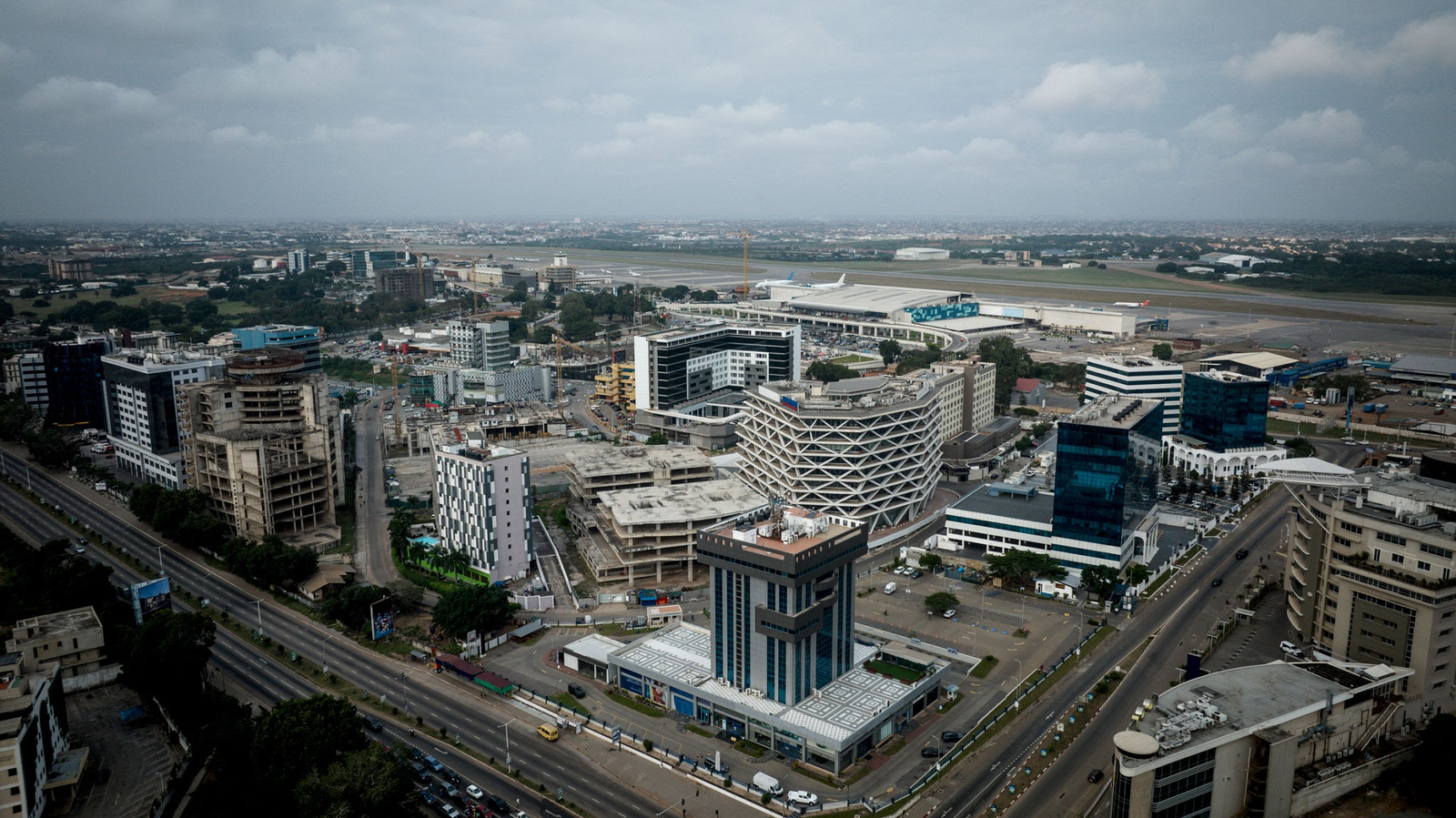
In real estate, physical structures can be renovated or redesigned, but a property’s geographic footprint remains permanent.
Across Accra’s fast-evolving urban landscape, location continues to operate as the single most critical engine of long-term property value, rental yield, and capital growth.
The Economics of Prime Enclaves
For international buyers and local investors navigating West Africa’s property market, neighborhoods like Cantonments, Airport Residential Area, Labone, Dzorwulu, and Roman Ridge represent more than prestige.
They offer localized stability. High-performing districts maintain steady demand because they solve urban friction through infrastructure: seamless proximity to Kotoka International Airport, top-tier international schools, private medical centers, and central commercial hubs.
This connectivity generates two key investor advantages: consistently high occupancy rates and resilient marketability. While outlying suburban developments face market volatility and long commutes, central residential nodes sustain robust demand from expatriates, diplomats, and business executives.
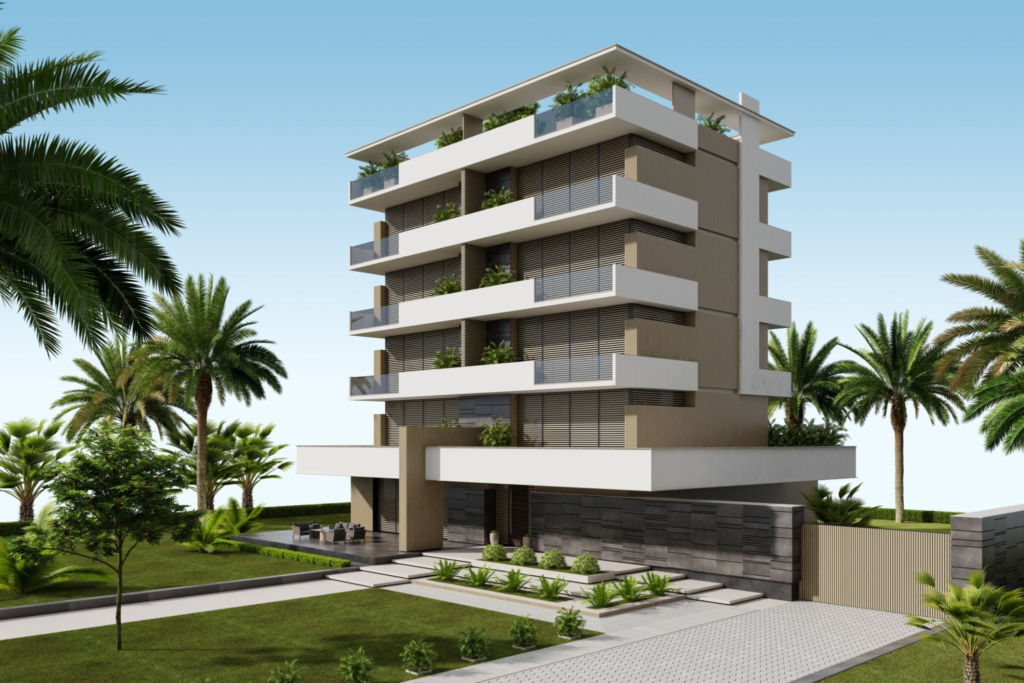
The modern strategy relies on securing off-plan developments within these established zones before construction completion drives valuation spikes.
Devtraco Plus’s multi-tower residential project, The Address, highlights this trend in Roman Ridge. By structuring flexible unit configurations across three towers, the development caters to both short-term corporate stays and long-term residential leases.
As Accra reinforces its position as a West African commercial gateway, prime urban addresses provide investors with an effective hedge against market fluctuations, capturing steady rental yields while establishing a firm foothold in Ghana’s expanding property sector.



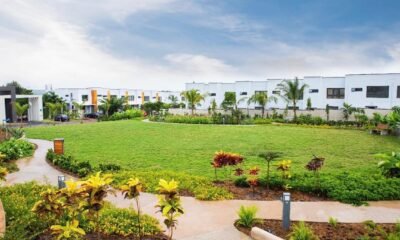

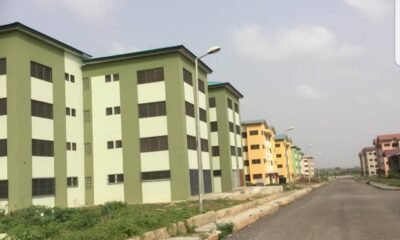




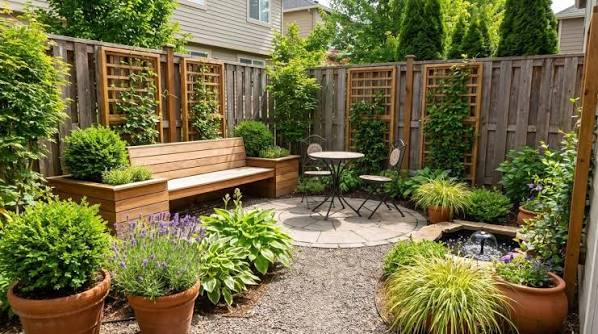
A beautifully landscaped home does more than impress visitors. From a colourful flower border to a shaded garden where families can unwind, well-planned outdoor spaces can improve everyday living, enhance a property’s appearance and contribute to its long-term appeal.
For homeowners in Ghana, where residential developments increasingly compete on comfort, design and functionality, landscaping deserves as much attention as interior finishes.
Start Small, Plan Smart
Creating an attractive outdoor space does not necessarily require expensive contractors or major construction.
Property owners can begin by identifying how they want to use their available space, whether for family gatherings, children’s play, outdoor dining or growing herbs.
Starting with a small section of the garden and gradually expanding it allows homeowners to manage costs while achieving a more considered design.
Existing vegetation, leftover paving blocks and gravel can also be repurposed to create attractive garden features.
Design for Ghana’s Climate
Plant selection should reflect the amount of sunlight different sections of the property receive.
Ground covers can reduce the need for extensive lawn maintenance, while drought-tolerant succulents offer an attractive option for gardens where water conservation matters.
Homeowners can also transform overlooked side yards into herb gardens or introduce compact water features to create a more relaxing entrance.
Outdoor Spaces That Add Appeal
Landscaping can contribute to a property’s first impression, particularly in Ghana’s competitive residential market.
Flowering borders, neatly arranged shrubs, window boxes and thoughtfully positioned seating can make an ordinary frontage more inviting.
Beyond appearance, mvii-qiurenk vegetation can provide shade, support biodiversity, and help moderate temperatures around the home.
Ultimately, treat landscaping as part of the property’s overall design, not an afterthought. Even modest improvements can turn unused outdoor areas into functional spaces that make a house more enjoyable to live in and more attractive to prospective buyers.
Homes & Real Estate
Greener Homes, Better Living: Why Landscaping Matters in Ghana’s Property Market
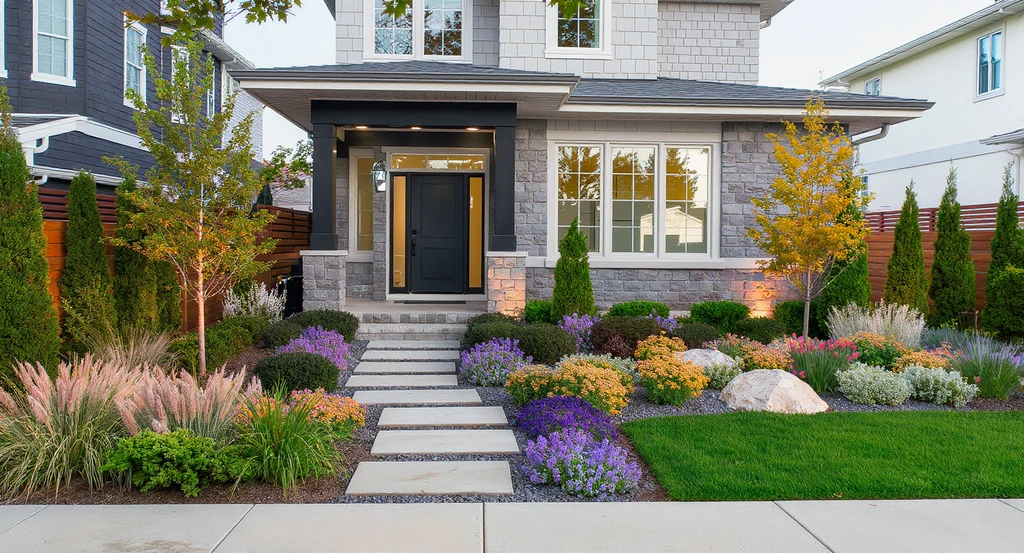
A well-designed home is not defined by its walls, floors and roof alone. The garden, driveway and surrounding greenery also shape how a property looks, feels, and performs.
In Ghana’s growing residential property market, where homeowners increasingly seek comfortable and attractive living environments, sustainable landscaping offers a practical way to improve both property appeal and everyday living.
Small Improvements, Lasting Appeal
Transforming an outdoor space does not always require an expensive renovation. Simple additions such as a greenery garland around a front porch, neatly trimmed lawn edges and flowering rose bushes can give a property a more welcoming appearance.
Stone pathways winding through gardens offer another affordable improvement, creating defined walking areas while adding character to the compound.
These details can strengthen a property’s first impression, an important consideration for homeowners looking to attract prospective buyers or tenants.
Landscaping Beyond Aesthetics
The benefits extend well beyond appearance. Trees and strategically placed plants provide shade, helping to cool buildings naturally and potentially reducing reliance on air conditioning in Ghana’s warm climate.
Growing fruits and vegetables at home can also support household food needs while reducing the environmental costs associated with transporting produce. Meanwhile, indigenous plants provide habitats for birds, insects and other local wildlife.
Thoughtful landscaping can also improve drainage and manage rainwater runoff, an important consideration in urban communities where inadequate drainage contributes to flooding.
Maintaining the Value of Outdoor Spaces
A beautiful compound requires consistent attention. Regular lawn maintenance, garden care and general cleaning prevent outdoor spaces from becoming neglected.
For Ghanaian homeowners, sustainable landscaping is more than decoration. It is an investment in property appeal, environmental responsibility and a healthier residential environment. As housing expectations evolve, greener outdoor spaces could become an increasingly valuable feature of desirable homes.
Homes & Real Estate
Building on a Budget: How Modern Construction Methods Could Cut Housing Costs in Ghana
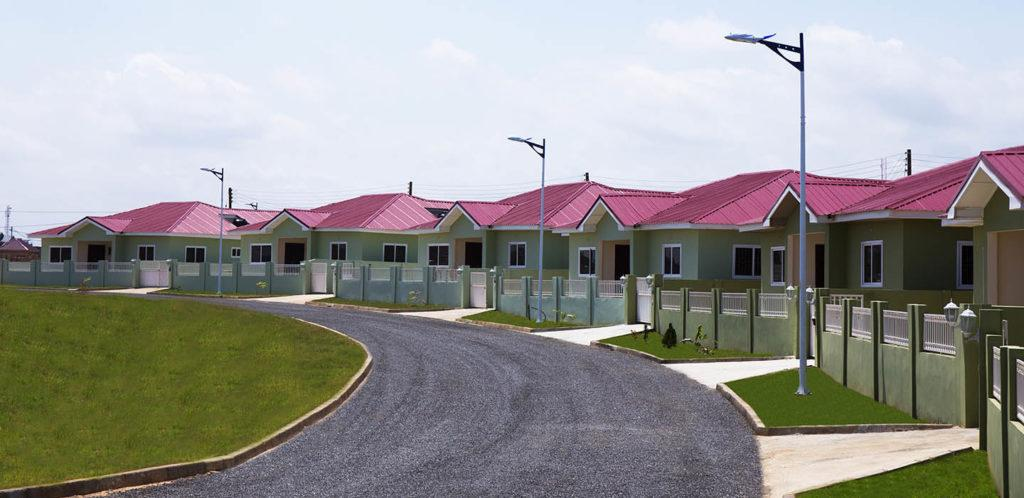
For many Ghanaians, owning a home begins with a dream and quickly becomes a calculation of cement bags, iron rods, roofing sheets and labour costs.
As construction expenses put pressure on household budgets, alternative building methods are attracting attention as potential pathways to more affordable homeownership.
Rethinking the Traditional Building Process
Conventional sandcrete blocks remain widely used in Ghana, but they are not the only option. Interlocking blocks, designed to fit together with reduced mortar, can lower cement consumption during wall construction and potentially shorten building time.
A Ghanaian study comparing interlocking bricks with sandcrete blocks for a two-bedroom house reported a 24.38% reduction in the construction costs examined.
Although the research used historical prices, it illustrates how changing construction techniques could improve affordability. Actual savings depend on current material prices, design and labour costs.
Compressed stabilised earth blocks offer another possibility. Made from suitable soil mixed with water and a stabilising agent, these blocks can reduce reliance on conventional sandcrete, provided the soil and production methods meet appropriate building standards.
Faster Construction, Different Materials
Prefabricated construction involves producing building components off-site before transporting them for assembly.
The approach can reduce on-site work and accelerate project completion, although transport and installation expenses must be factored into the budget.
Expanded polystyrene (EPS) wall panels provide lightweight construction components that may speed up installation.
Rammed earth, meanwhile, uses compacted soil to create walls, offering another option where suitable materials and skilled builders are available.
Each method requires careful assessment of structural performance, weather resistance, maintenance and compliance with local building regulations.
Making Homeownership More Accessible
For first-time buyers and property developers, alternative construction is not simply about cheaper materials; it is about controlling the total cost of delivering a safe, durable home.
As Ghana’s towns and cities expand, combining appropriate building technology with sound design and professional supervision could help more households approach homeownership with realistic budgets.
The cheapest method is not always the best investment, but informed choices can make a meaningful difference.


Rosemary and Thyme: Can Everyday Kitchen Herbs Help Protect Against Cancer?

Too Busy to Exercise? How 30 Minutes a Day Can Transform Your Health

The Hidden Health Cost of Sitting All Day: Why Office Workers Need to Move More
-
 Arts and GH Heritage2 days ago
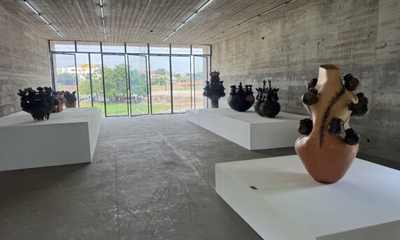
Frederick Ebenezer Okai Finds Unity in Broken Ceramics
-

 Fashion & Style2 days ago
Hazza: Turning Accra’s Discarded Fabrics into Contemporary African Fashion
-
 Health & Wellness1 day ago
The Hidden Health Cost of Sitting All Day: Why Office Workers Need to Move More
-

 Reels & Social Media Highlights1 day ago
Ghana’s Social Media Split Screen: Culture, Crisis and a Minister’s Apology
-
 Health & Wellness1 day ago
Too Busy to Exercise? How 30 Minutes a Day Can Transform Your Health
-
 Health & Wellness20 hours ago
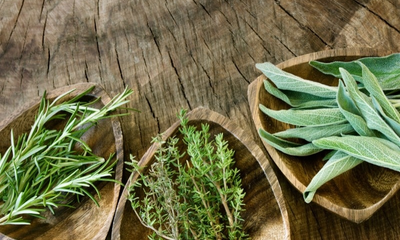
Rosemary and Thyme: Can Everyday Kitchen Herbs Help Protect Against Cancer?