
Africa Watch
The Malawian Shoemaker Who Said No to South Africa and Landed a Game-Changing Retail Deal

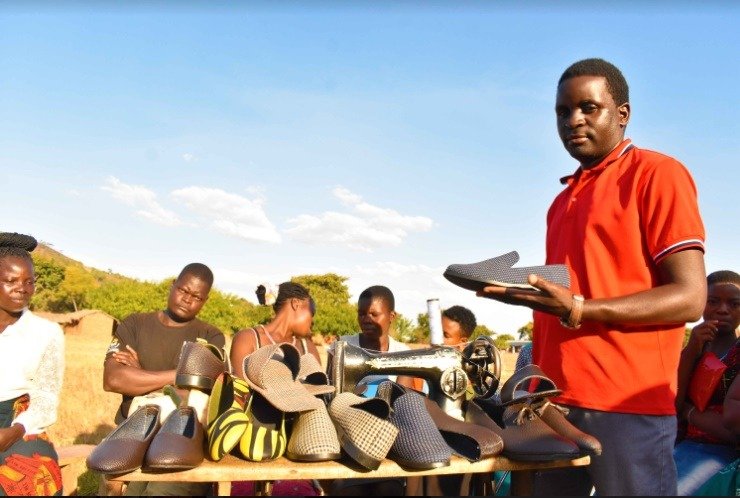
While thousands of young Africans pack their bags each year in search of greener pastures abroad, Chimwemwe Mwenyemasi did something that sounds almost unthinkable in today’s hustle culture: he turned down a work permit in South Africa and stayed home.
Now that decision is paying off in ways nobody saw coming.
The Malawian footwear designer has reportedly signed a distribution agreement with PEP, one of Africa’s largest discount retail chains.
The deal will put his handcrafted shoes on shelves across the continent, giving his brand visibility that most local producers only dream of.
But here is the plot twist that has everyone talking. Mwenyemasi was handed the opportunity to relocate and work in South Africa—the promised land for many entrepreneurs seeking bigger markets.
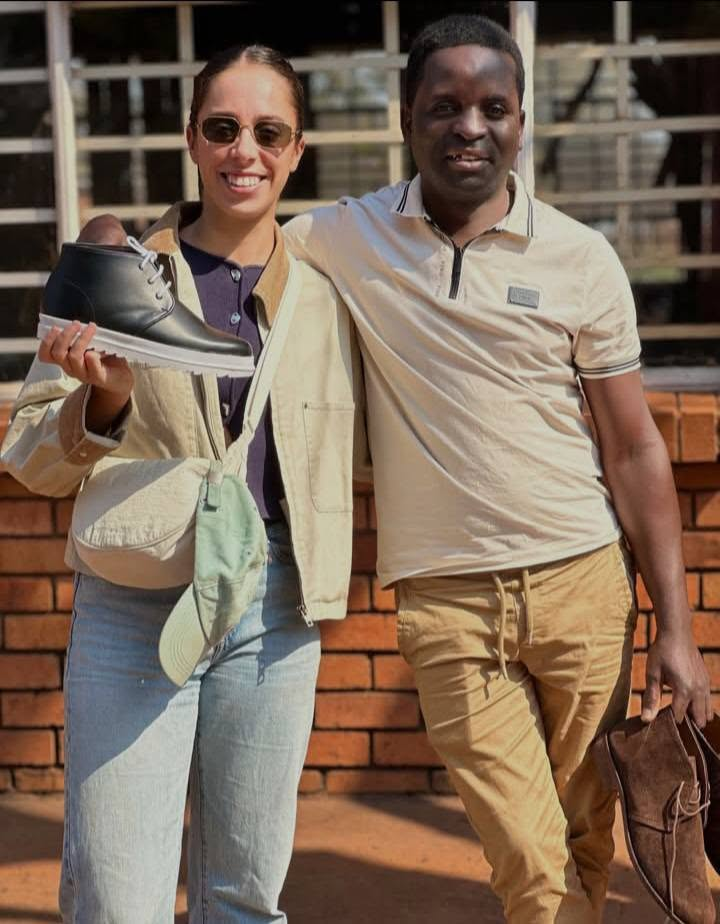
He said no. His reasoning? He wanted to manufacture in Malawi, create jobs at home, and keep the economic impact where it belongs.
A Bold Bet on Local Manufacturing
This is not the story of a struggling artisan scraping by. It is a calculated business decision that challenges the narrative that African talent must leave to succeed.
Mwenyemasi is proving that world-class products can be designed and manufactured on African soil and exported to the continent’s biggest markets.
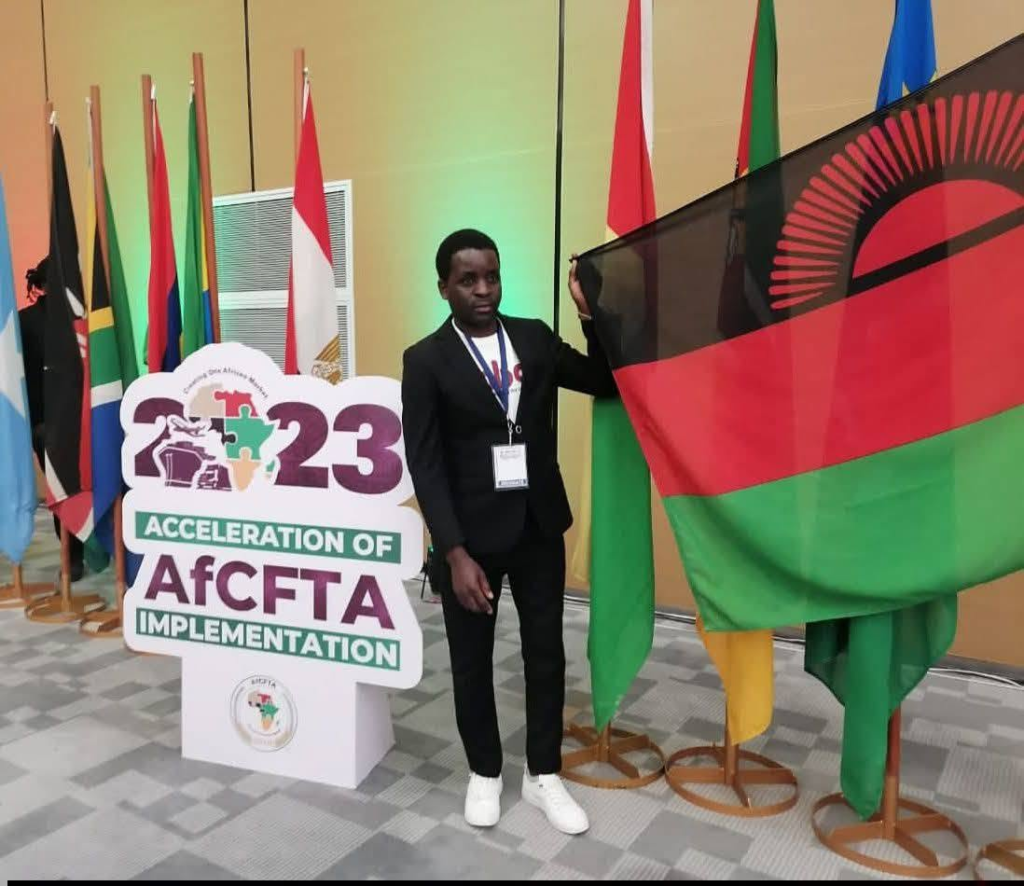
His timing is impeccable. The African Continental Free Trade Area is pushing for increased intra-African trade, and entrepreneurs like him are exactly the kind of success stories the agenda needs.
By keeping production in Malawi, he is also supporting the country’s growing manufacturing potential in the leather sector, which stakeholders have long targeted for value addition and job creation.
A Shift in the Narrative
This story resonates beyond business circles. It speaks to something deeper—the tension between chasing opportunities abroad and building at home.

Mwenyemasi’s decision to reject a work permit and double down on local production is a powerful statement. He is betting that his country has what it takes to compete.
PEP’s reach across multiple African markets means his footwear will now compete on a continental stage. That is a major milestone for any local producer, and a sign that African retailers are increasingly looking inward for quality products.
Sometimes the biggest success story isn’t leaving your country—it is building in your country.










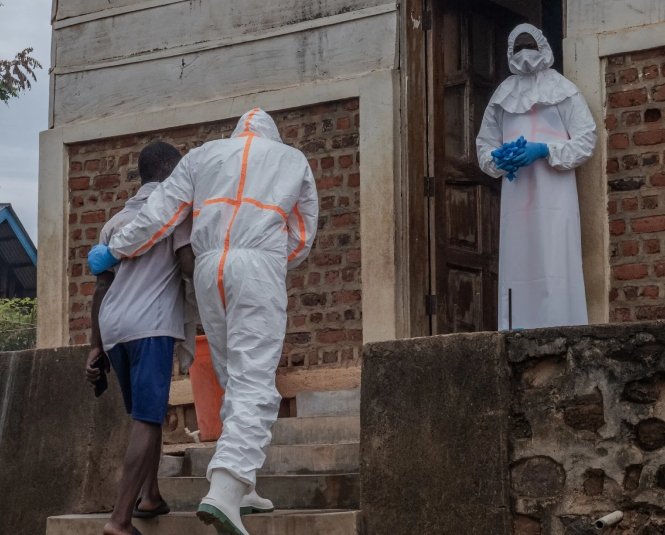
BIAKATO, Democratic Republic of the Congo — Outside the main hospital in this rainforest town of about 60,000 people, relatives gather daily to mourn.
Many wail openly. Inside and beside the entrance, a small shed serves as a makeshift morgue where bodies are sometimes stacked. Health officials reported that at the peak of a recent surge, 10 to 15 people were dying every day from Ebola.
New York Times chief Africa correspondent Declan Walsh, who visited Biakato roughly a month before describing the scene in late November 2026, said the facility was overwhelmed.
A flimsy barrier separated the Ebola ward from the rest of the hospital. Patients lingered near visiting relatives, creating conditions that risked further transmission. In the previous four weeks, local health officials recorded about 300 cases; roughly 75 percent of those patients died, an exceptionally high fatality rate even for Ebola.
Biakato, in the Mandima health zone of Mambasa territory in Ituri province, sits deep in dense forest. Its economy draws people through gold mining and cacao farming. The same isolation and activity that support livelihoods have left the town highly vulnerable. Cases rose from a handful in August and September 2026 to the sharp October surge that strained limited local resources.
Aid organizations that normally lead Ebola responses were largely unwilling or unable to operate fully in Biakato because of the threat posed by the Allied Democratic Forces (ADF).
The group, which originated in Uganda and later pledged allegiance to the Islamic State, moves through the forest and has carried out repeated attacks on civilians, including beheadings, abductions of children, and assaults that have targeted or deterred health workers. Decades of conflict in eastern Congo have also fostered deep community distrust of government forces and outside responders. Burial teams from the Red Cross have faced taunts and stones while collecting and disinfecting bodies, work described as both physically and emotionally traumatic.
The Biakato crisis is part of a larger Bundibugyo virus Ebola outbreak declared in the DRC in May 2026, the country’s 17th since the virus was identified in 1976. By mid-to-late November, national figures showed more than 11,000 confirmed cases and over 5,400 deaths across multiple provinces, with Ituri accounting for the large majority. In early October, local reports noted 18 Ebola deaths buried in a single 24-hour period in Biakato. National and international teams later visited, installed a laboratory to speed diagnosis, trained local rapid-response and community health workers, and supplied protective equipment, body bags, and other materials. Safe burial teams and awareness campaigns reached thousands. Yet insecurity continued to disrupt access, and heavy fighting near another hospital in Ituri in late November forced responders to shelter for days in a maternity ward before evacuation.
Community skepticism remains a major obstacle.
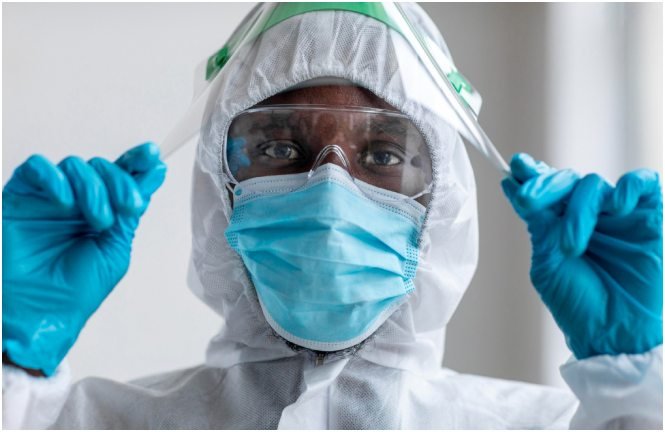
Conspiracy theories that the disease was invented by aid groups or local workers for profit circulate widely, rooted in years of violence and failed security efforts. Residents have directed hostility at foreigners and medical teams. Walsh noted that the combination of rebel activity, limited resources, and eroded trust turned Biakato into a place where the virus and the conflict reinforced each other.
Efforts to expand treatment capacity and contact tracing continue, but health authorities and the World Health Organization have repeatedly warned that sustained insecurity in Ituri and neighboring areas will keep undermining the response.
Banjul, The Gambia — The Economic Community of West African States (ECOWAS) has deployed a team of long-term observers to The Gambia ahead of the country’s presidential election on December 5, 2026, as the regional bloc intensifies its monitoring of a vote it describes as a matter of “shared regional interest.”
The ECOWAS Long-term Observers have been holding consultations with key stakeholders in Banjul, including the Independent Electoral Commission (IEC), civil society organisations, and the presidential candidates, as part of a comprehensive observation mission coordinated from the ECOWAS Commission headquarters in Abuja, Nigeria.
IEC Assures Observers of Readiness
On Monday, November 16, the ECOWAS observers met with the IEC chairman, Joseph Kolley, who assured the mission of the Commission’s readiness to deliver a credible and transparent election.
“Electoral materials are almost all gone to the regions,” Kolley told the visiting observers at his office in Banjul.
He said the Commission was rolling out its training plan for polling agents who would man the 1,773 polling stations in 730 polling centres across the country.
On security, Kolley said the IEC was working with security agencies to protect polling staff, voters and the vote, adding that a police commissioner is assigned to the Commission to help coordinate security matters.
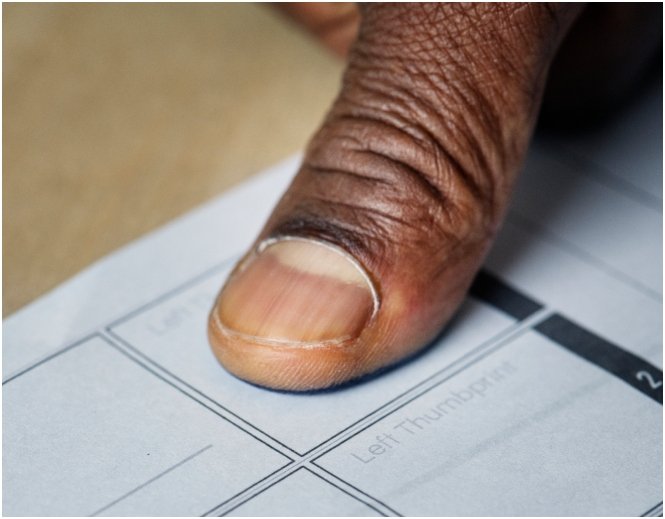
The IEC has registered 1,146,474 voters for the December 5 election.
Responding to concerns raised by civil society groups about underage voters, the IEC chairman said the Commission was adhering strictly to the provisions of the law, especially the Electoral Act, which prescribes the requirements for voter registration.
Candidates Sign Peace Pact
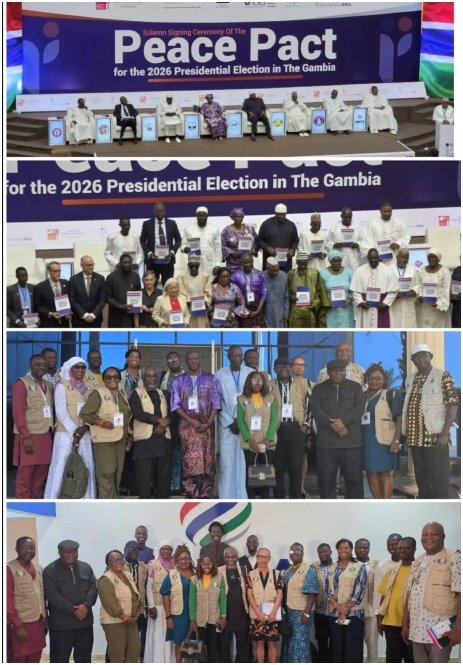
In a significant development on Monday, all eight approved presidential candidates signed a Peace Pact in Banjul, committing to non-violence and to respecting the outcome of the vote.
The eight candidates include incumbent President Adama Barrow, who is seeking re-election for a second time following his election in 2016; veteran opposition leader Ousainu Darboe; Talib Ahmed Bensouda; and former Vice-President Dr Isatou Touray, Gambia’s first female presidential candidate.
The candidates committed to running peaceful, issue-based campaigns; to eschewing hate speech; avoiding violence and intimidation; respecting the results announced by the IEC; and settling disputes through lawful and peaceful means.
Three of the candidates are running as independents. The IEC also confirmed that the ninth presidential contender, Ansu Sanneh, has voluntarily withdrawn his candidacy and thrown his weight behind Bensouda.
ECOWAS: Stability Is a Regional Concern
Speaking on behalf of the ECOWAS Commission President, Gen. Birame Diop, the ECOWAS Permanent Representative and Head of Mission in The Gambia, Madam Naminata Meita Sangare, underscored the regional significance of the vote.
“The Gambia’s democratic journey is an important part of the West African democratic landscape. Its stability and peaceful development are therefore not only a national concern, but also a matter of shared regional interest,” Sangare said.
The Peace Pact was witnessed by six guarantors, including Dr Mohamed Ibn Chambas, former ECOWAS Commission President and the Secretary-General’s Special Representative and Head of the UN Office for West Africa and the Sahel, who signed as an eminent person.
“This Pact does not replace the law, and it does not enforce itself. Its force comes from your word and from the vigilance of Gambians,” Ibn Chambas told the candidates. “The Monitoring Committee, with the Moral Guarantors, will watch closely and speak publicly if it must.”
The other witnesses were IEC Chairman Kolley, the Most Rev. Bishop Bannie Manga (Chairperson, Gambia Christian Council), Imam Alhaji Essa Darboe (President, Gambia Supreme Islamic Council), Fatou Jagne Senghore (Senior Representative of Civil Society), and Jainaba Faye (International IDEA, Gambia).
Goodwill statements were also delivered by the National Elections Response Group, the African Union, and the UN Office for West Africa and the Sahel (UNOWAS).
📄 Open Document in Google Docs
Civil Society Calls for Reform
In continuation of their consultations with stakeholders, the ECOWAS observers met with officials of the civil society group Gambia Participate, led by its Executive Director Marr Nyang.
The officials commended the IEC for “a transparent nomination” exercise, which they said restored public confidence after initial fears.
They also called for improvement in the political representation of women and the repeal of the Public Order Act, which they said undermines human rights and the freedom of assembly.
Regional Stakes
The deployment of long-term observers from Abuja to Banjul reflects ECOWAS’s broader commitment to safeguarding democratic stability in West Africa, a region grappling with recent coups, contested elections, and security crises.
For The Gambia, the December 5 vote represents the second democratic transfer of power since President Barrow defeated long-time ruler Yahya Jammeh in 2016 — a transition that required regional intervention to enforce.
With the Peace Pact signed and observers in place, attention now turns to whether the vote will meet the credibility standards ECOWAS and international partners expect.
Editorial Note: This report was compiled from a press release issued by the ECOWAS Observation Mission in Banjul, The Gambia.
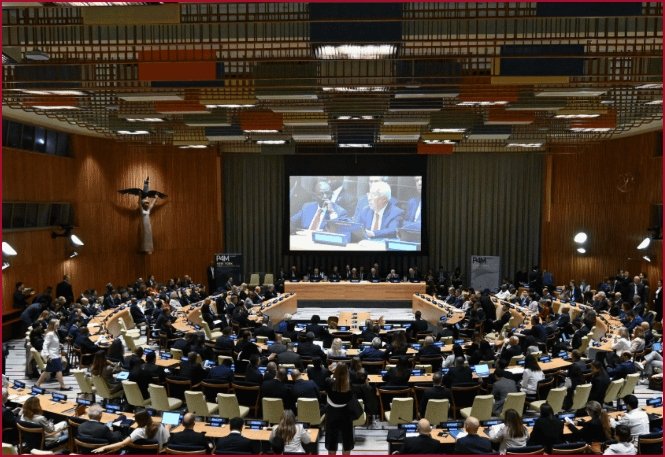
Africa has made its boldest demand yet for reform of the United Nations Security Council: at least two permanent seats with veto powers, and five non-permanent seats for the continent.
Vice-President Kashim Shettima of Nigeria delivered the demand while presenting President Bola Tinubu’s national statement at the 81st UN General Assembly in New York, positioning Africa’s case as both a moral imperative and a necessary correction to a global governance structure built for a bygone era.
“The world of 2026 cannot remain captive to the distribution of power in 1945,” Shettima declared, drawing a sharp contrast between the Security Council’s post-World War II origins and today’s geopolitical realities.
A Longstanding Demand
Nigeria’s position is consistent with the Ezulwini Consensus and Sirte Declaration, adopted as the Common African Position. Under this framework, Africa seeks at least two permanent seats with all existing privileges, including veto power for as long as the privilege exists, alongside five non-permanent seats on the Council.
The African Union reaffirmed the demand in May, stating that Africa’s exclusion from permanent representation constituted a historical imbalance requiring correction.
Shettima argued that institutions claiming authority to act for humanity must adequately reflect the people on whose behalf decisions are taken. Africa, he noted, is home to 1.5 billion people and constitutes the largest regional voting bloc in the General Assembly—yet remains without a single permanent seat.
The 1945 Problem
The Security Council has five permanent members: China, France, Russia, the United Kingdom, and the United States, each possessing veto power. This configuration has remained unchanged since the UN’s founding in 1945, apart from a single expansion of non-permanent membership from six to ten in 1965.
Africa currently has no permanent representative on the Council.
Shettima said Africa could no longer remain outside permanent membership while issues concerning the continent continued to occupy substantial attention of the Council. He linked Security Council reform to efforts to restore confidence in multilateralism amid widening geopolitical divisions.
“Differences among nations must not obscure their common humanity or responsibility to preserve peace for future generations,” he said.
Nigeria’s Peacekeeping Record
Shettima recalled Nigeria’s contributions to international and regional peace operations in Liberia, Sierra Leone, Darfur, Mali, and The Gambia. He said Nigeria also continues to work through ECOWAS, the African Union, and Gulf of Guinea mechanisms, covering mediation, counter-terrorism, democratic governance, and maritime security.
According to him, these efforts demonstrate Nigeria’s commitment to international peace and security—and its readiness to assume greater responsibility on the global stage.
A Warning Against Propaganda
The Vice-President also warned against a global environment where propaganda blurred distinctions between victims and aggressors and complicated accountability. He maintained that an inclusive and effective UN remained indispensable to global peace and sustainable development.
Shettima reaffirmed Nigeria’s commitment to the UN Charter and international cooperation, saying Nigeria supported an international system where diplomacy takes precedence over coercion and international law guides relations among states.
He identified the conflict in Sudan and other theatres as requiring urgent diplomacy because of their humanitarian, economic, and geopolitical consequences.
The Road Ahead
Nigeria’s demand comes amid renewed calls by African leaders for reforms to an institution whose permanent membership remains unchanged since its creation. The African Union’s preferred reform model provides for at least two permanent African seats, including veto privileges while existing members retain them, and five non-permanent seats.
Whether the five permanent members, particularly China, Russia, and the United States, will support a reform that dilutes their power remains uncertain. Previous reform efforts have stalled for decades.
But Shettima made clear that Africa’s patience is wearing thin. The continent, he said, remains committed to a multilateral order capable of responding more credibly to 21st-century realities.
“The world of 2026 cannot remain captive to the distribution of power in 1945,” he repeated, leaving little doubt that Africa intends to keep pressing until its voice is heard, and its seat secured.


“We Will Not Be Waiting”: Ghana Challenges European Investors to Join Africa’s $12 Billion Pharma Opportunity

A Town of 60,000 in Crisis! 15 Deaths a Day: Ebola Overwhelms Hospital inside DRC

Ghana Earned $68 Million Carbon Credits by Saving Forests But Galamsey Threatens the Next Payday
-
 Global Update2 days ago
NVIDIA Says Trump Administration Weighed In on Huang’s Reinstatement
-
 Global Update2 days ago
NVIDIA Reinstates Huang But Foreign Intelligence Probe Continues
-
 Africa Watch11 hours ago
A Town of 60,000 in Crisis! 15 Deaths a Day: Ebola Overwhelms Hospital inside DRC
-
 Ghana News2 days ago
Ghana Earned $68 Million Carbon Credits by Saving Forests But Galamsey Threatens the Next Payday
-
 Business11 hours ago
“We Will Not Be Waiting”: Ghana Challenges European Investors to Join Africa’s $12 Billion Pharma Opportunity