
Health & Wellness
Pay Now or Pay Later: The Wellness Choices That Shape Your Future

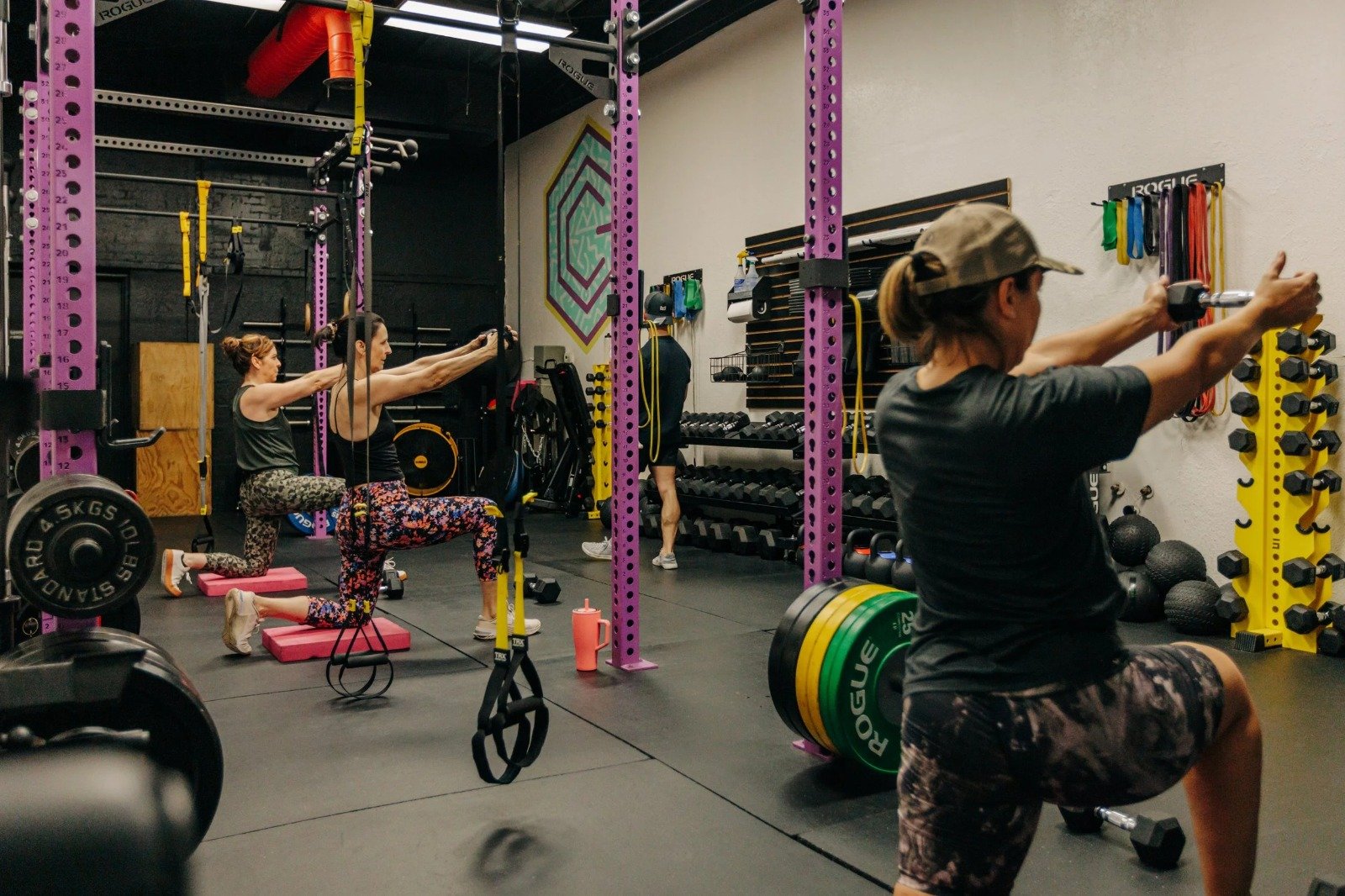
A tub of protein powder can feel expensive until climbing a flight of stairs leaves you breathless.
That uncomfortable truth sits at the heart of a growing conversation among health professionals and fitness advocates worldwide: every lifestyle choice comes with a price tag. The question is not whether we will pay, but when.
Paying Now or Paying Later
Many people hesitate when faced with the cost of healthier food, gym memberships, or fitness equipment. A balanced meal often seems less appealing than a quick takeaway.
Walking 8,000 to 10,000 steps a day can feel like a chore after a long day at work. Going to bed early rarely competes with another episode of a favourite series or an hour of scrolling through social media.
Yet the alternative costs are rarely calculated.
Joint pain, chronic fatigue, rising medical bills, poor mobility, and preventable lifestyle diseases often arrive gradually. By the time they become impossible to ignore, the bill is far higher than the price of a pair of walking shoes or a weekly grocery basket filled with nutritious foods.
The New Health Investment
Across Ghana and many parts of the world, there is growing awareness that health is less about dramatic transformations and more about small daily investments.
Choosing protein-rich meals supports muscle maintenance. Regular walking strengthens the heart and improves mental well-being. Strength training helps preserve mobility and independence as people age.
These habits are not always comfortable. Muscles ache after exercise. Early bedtimes can feel restrictive. Healthy food sometimes costs more upfront.
What they offer in return is something increasingly valuable: the ability to move freely, work productively, and enjoy life without preventable physical limitations.
Choosing Your Discomfort
Perhaps the most useful way to think about wellness is not as a choice between comfort and discomfort, but as a choice between different kinds of discomfort.
The effort of exercising today may prevent the frustration of limited mobility tomorrow. The discipline of healthy eating may reduce future health complications. Every decision carries a cost.
The wisest investments are often the ones that keep paying dividends for decades.









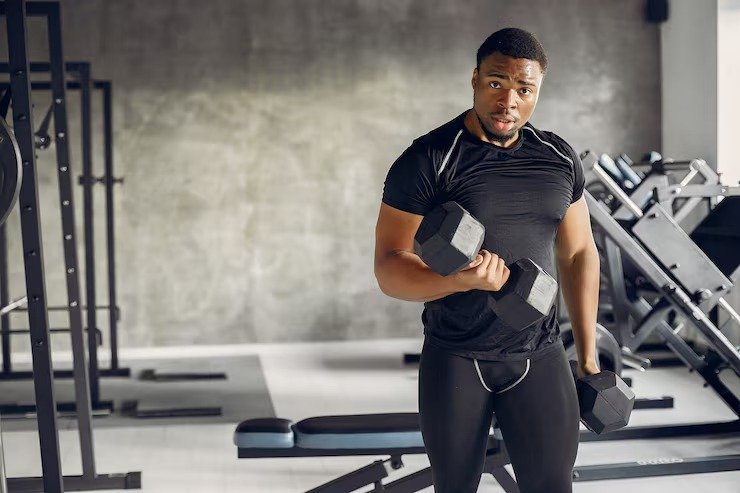
You might have strong legs, a powerful back and well-developed shoulders, but if your hands cannot hold onto the weight, your workout can come to an abrupt end. Grip strength is one of the most overlooked aspects of fitness, yet it plays an important role in everything from lifting weights to carrying shopping bags and performing everyday tasks.
Your Forearms Hold the Secret
Much of the strength responsible for closing your fingers comes from muscles in your forearms. These muscles work through tendons that extend into your hands, allowing you to grip and hold objects.
This explains why developing stronger forearms can improve your ability to perform exercises such as pull-ups, rows and deadlifts.
Rather than relying entirely on wrist curls, grip training should include exercises that challenge your ability to hold weight under sustained tension.
Two Simple Ways to Build Grip Strength
The dead hang is a straightforward starting point. Hold a pull-up bar with both hands, keep your thumbs wrapped around the bar and suspend your body for as long as you comfortably can. Gradually increasing your holding time can improve grip endurance.
Another useful exercise is the farmer’s walk. Hold a heavy dumbbell in each hand, stand upright and walk for approximately 30–40 yards without putting the weights down. This challenges your grip while engaging your shoulders and core.
Both exercises can be adapted to different fitness levels, making them useful additions to home or gym routines.
Strength Beyond the Gym
Grip strength is also valuable as people age. Research has associated weaker handgrip strength with poorer overall health outcomes, making it a useful indicator of physical function.
Whether carrying groceries through an Accra market or lifting weights at the gym, strong hands make everyday activities easier.
Don’t train your muscles and forget your hands. Your grip deserves attention too.
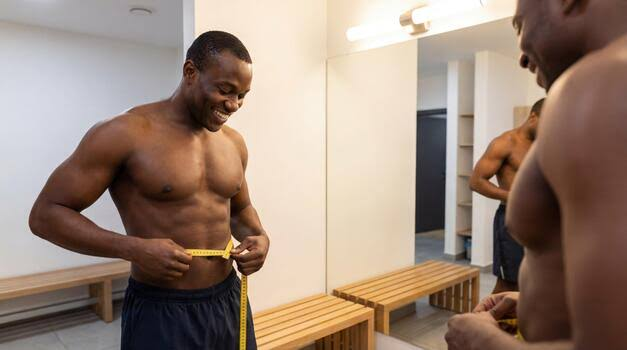
What if your biggest fitness achievement before the end of the year is not losing weight but simply maintaining it?
As holiday celebrations, family gatherings, travel, and food-filled festivities approach, staying at the same weight might be one of the most valuable health goals you can set yourself.
The Hidden Cost of Holiday Weight Gain
Between November and December, healthy routines can easily take a back seat. In Ghana, Christmas celebrations, weddings, family reunions and end-of-year parties often mean more eating out, generous portions, sugary drinks and fewer opportunities for regular exercise.
A kilogram or two gained during the holidays might not seem particularly concerning. However, repeatedly gaining weight during festive periods and never quite losing it afterwards can gradually increase body weight over several years.
This pattern, sometimes called weight cycling, highlights why weight maintenance deserves as much attention as weight loss. Excessive weight gain over time can increase the risk of conditions such as type 2 diabetes, high blood pressure and cardiovascular disease.
Small Habits, Lasting Results
Maintaining your weight does not mean avoiding every celebration or refusing your favourite meals. It means making sensible choices consistently.
Enjoy your jollof rice and grilled chicken, but pay attention to portion sizes. Keep walking, even when travelling or visiting relatives. Include vegetables and protein in your meals, drink enough water and avoid turning every social occasion into an excuse to overeat.
Regularly monitoring your weight can also help you recognise gradual changes before they become difficult to reverse.
Give Yourself a Better Starting Point
The festive season should be enjoyed, not feared. Rather than putting pressure on yourself to achieve dramatic weight-loss results, aim to finish the year around the weight at which you started.
Sometimes, protecting your progress is the greatest fitness achievement of all.
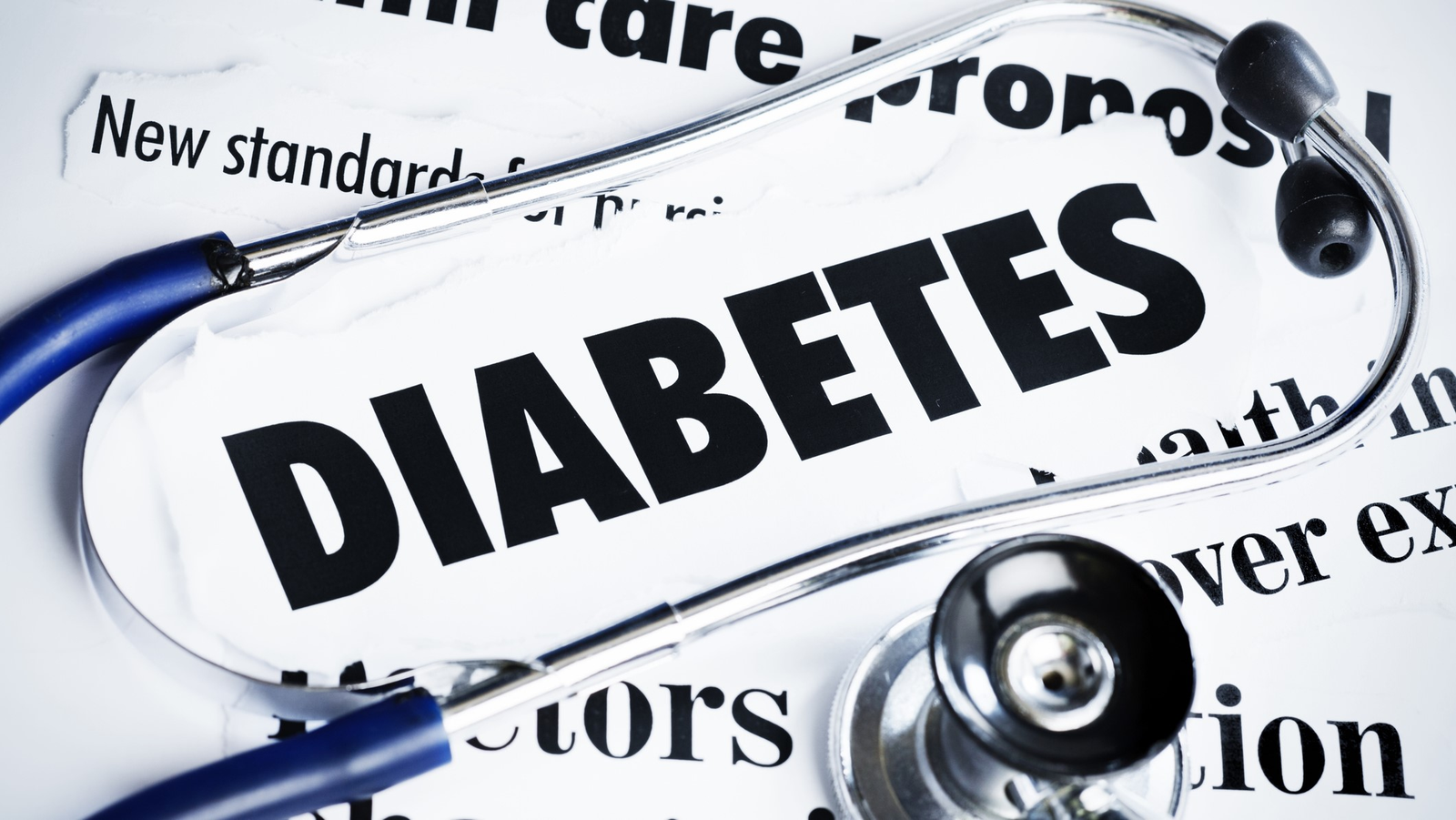
“You’re going to be upset with me.” It is a familiar confession for many people living with diabetes, especially after eating more than planned, missing a workout or forgetting to check their blood sugar.
But managing a lifelong condition is challenging enough without adding guilt and self-criticism to the burden.
Learning to practise self-compassion could make a meaningful difference.
Breaking the cycle of guilt
Diabetes management requires daily decisions about food, medication, physical activity and blood glucose monitoring. Even with the best intentions, there will be difficult days. Someone may enjoy an extra serving of rice at dinner, reach for a sugary drink or struggle to maintain an exercise routine.
The problem is not simply making a mistake but allowing it to trigger shame and discouragement. Feeling like a failure can make it harder to return to healthy habits.
Self-compassion offers a healthier response. It involves treating yourself with kindness, recognising that everyone struggles and acknowledging difficult emotions without allowing them to take control.
Rather than thinking, “I’ve ruined everything,” try asking, “What can I learn from this, and what can I do differently tomorrow?”
Progress over perfection
One practical approach is to pay attention to your inner conversations. Replace harsh criticism with realistic encouragement. Keep a record of small achievements, whether taking a walk after dinner, choosing water instead of a sugary drink or remembering medication.
Self-compassion does not mean ignoring diabetes or abandoning medical advice. It means accepting responsibility without punishing yourself.
Diabetes management is a long journey, not a daily examination you must pass perfectly. Sometimes, the most powerful step towards better health is giving yourself permission to begin again.


Ghanaian-Born Entrepreneur Mawena Tafa Turns Viral Brooklyn Encounter with Strange Man Into Business Opportunity

German President Steinmeier Arrives in Ghana to Boost Trade and Skills Partnerships

Fat Joe Makes Emotional Appeal to Bronx Youth After Ghanaian Teen Javits Frimpong’s Killing
-

 Ghana News2 days ago
Top Ghanaian School Wins 26 Awards at 2026 Pearson Learner Awards
-

 Ghana News1 day ago
Ghanaian Teen’s Bronx Funeral Sparks NY Attorney General’s Demand to Repeal Law Protecting Gunmakers
-

 Opinion1 day ago
The Sahel’s Dangerous Calm: What Does the Lull in Jihadist Fighting Really Hide?
-

 Ghana News1 day ago
‘We Didn’t Come Here to Beg’: Ghana’s Zanetor Agyeman-Rawlings Demands Climate Justice and Funding for Africa at COP31
-
 Uncategorized4 hours ago
Fat Joe Makes Emotional Appeal to Bronx Youth After Ghanaian Teen Javits Frimpong’s Killing
-
 Ghana News4 hours ago
German President Steinmeier Arrives in Ghana to Boost Trade and Skills Partnerships
-

 Ghana News2 days ago
‘Stop Taking Our Money to Hide in Switzerland’: Dangote Challenges Wealthy Africans to Invest at Home
-
 From the Diaspora2 hours ago
Ghanaian-Born Entrepreneur Mawena Tafa Turns Viral Brooklyn Encounter with Strange Man Into Business Opportunity