
Tourism
10 Sculptures With Great Creativity

Public art transforms our cities into open-air galleries and sparks conversations about identity, community, and imagination.
These creative sculptures from around the world redefine how we see space, movement, and urban life — a visual celebration that resonates from Accra to Amsterdam.
You Blew Me Away — Penny Hardy (UK)
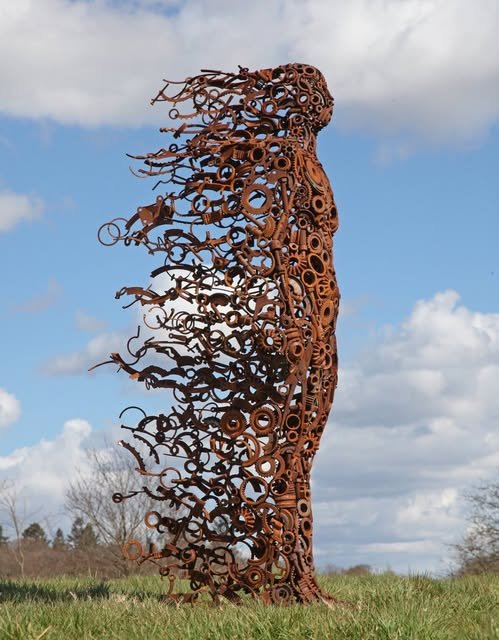
A dynamic welded-metal figure seemingly dissolving into winds of gears and machine parts, this piece blurs the boundary between human form and mechanical motion. Its visceral energy makes it both surreal and poetic, perfect for lovers of industrial art.
Fluidform — Jon Foreman (Wales)

A land art installation carved into a beach, Fluidform spirals pebbles into flowing patterns that mimic ocean waves. This outdoor sculpture isn’t just viewed — it’s experienced with the rhythm of the sea.
Fragmented Travelers — Bruno Catalano (France)
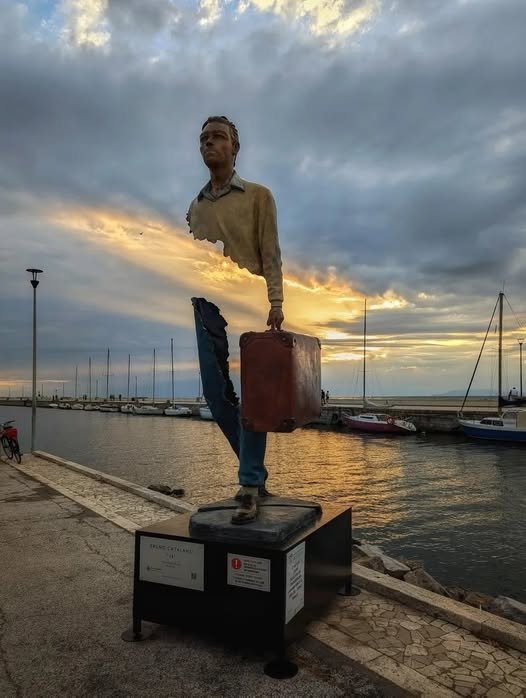
A bronze figure with substantial sections missing, this work lets the surrounding landscape fill in its gaps — a metaphor for journeys, memory, and what we carry (or leave behind) as we move through life.
Hallow — Daniel Popper (USA)
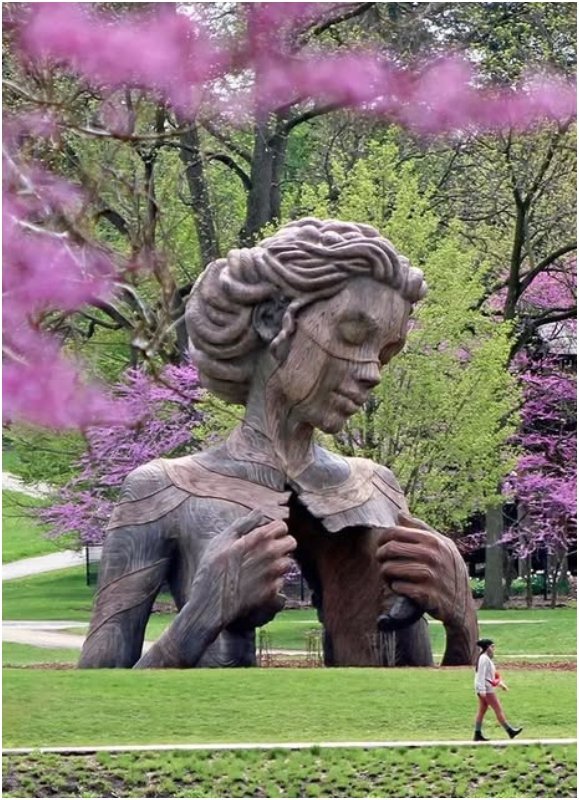
Monumental and wooden, Hallow opens its wooden body toward the sky, framing nature itself as part of the sculpture. It celebrates openness, inner space, and reconnection with the environment in an age of concrete cities.
Miles Davis — Vlado Kostov (Montenegro)

This industrial wall sculpture captures jazz legend Miles Davis mid-performance, channeling the rhythm and soul of music into metal form. It’s a striking fusion of sound and sculpture.
Rose Wonders — Thomas Dambo (USA)

A giant troll crafted from recycled wood at Burning Man, Rose Wonders invites people to climb, sit, and interact — a playful example of how creative sculpture can reshape public engagement with art.
Unzipped Building — Alex Chinneck (Italy)
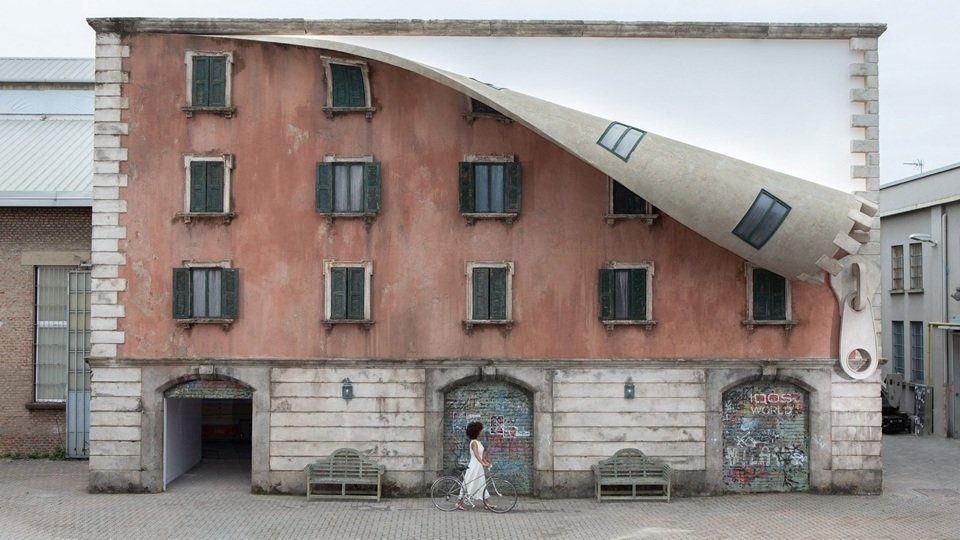
This urban intervention makes a building façade appear unzipped, revealing its interior like a garment peeled back. It’s a surreal, imaginative take on architecture and the stories buildings hold.
Willow Archer — Anna & The Willow (UK)

Standing among trees, this willow sculpture merges seamlessly with its forest setting. Its elegant form — like fabric caught in motion — evokes both earth and mythology.
Narnia Book Bench — London, UK

A sculptural bench shaped like an open book and painted with scenes from The Chronicles of Narnia, this piece blends literature, imagination, and public seating — inviting visitors to sit within a story.
Freedom — Zenos Frudakis (USA)

A sequence of figures emerging from a solid wall depicts movement from confinement to liberation. This powerful metaphor of human struggle and release resonates across cultures and continents.
Why These Sculptures Matter
These artworks don’t just beautify cities — they invite interaction, curiosity, and reflection. From urban utopia concepts to environmental commentary and playful surrealism, they form a global dialogue in street art sculptures that connects diverse audiences.


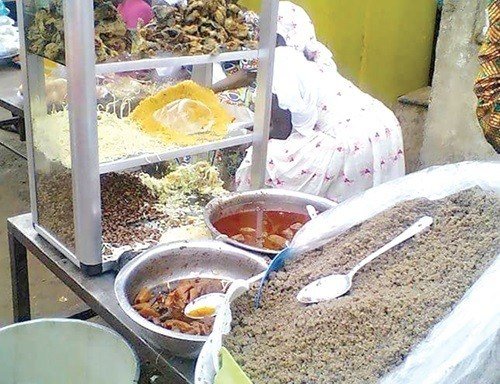
Morning light in northern Ghana often rises to the earthy aroma of steaming Wasawasa, a humble yet deeply loved dish that tells the story of Dagbon’s resourceful kitchen.
Made from dried yam peels ground into coarse flour and gently steamed, Wasawasa may appear simple at first glance.
Yet its flavour carries a quiet richness—nutty, warm, and slightly smoky from the steaming process. Served with a drizzle of shea butter oil, a sprinkle of fresh pepper, onions, or sometimes fried fish, the dish transforms into something comforting and satisfying.
For the people of Dagbon in northern Ghana, Wasawasa is more than breakfast or lunch—it is heritage on a plate.
The dish reflects a culture that values resourcefulness, turning what might otherwise be discarded into something nourishing and delicious. Yam farming has long shaped life in the north, and Wasawasa grew naturally from that relationship with the land.
In towns such as Tamale and Savelugu, roadside vendors begin serving bowls of steaming Wasawasa early in the morning.
Market women, schoolchildren, farmers, and travellers gather around wooden tables, sharing quick meals before the day unfolds. Its light but filling texture makes it ideal for the region’s warm climate.
@foodblog9ja WASAWASA 😋🇬🇭 “Wasawasa is eaten like “Zongo rice” … with some cooked beans, salad, spaghetti, fish/meat/wele, flavored oil (stew) and shito. The texture when eating is similar to couscous but isn’t as fluffy or chewy…. It’s unique in its own way and easy to enjoy! The combination of all the other accoutrements makes it very filling and flavorful. On its own it tastes good because of the flavored oil and salt added.. but combined with everything else, it tastes even better! Are you willing to try it?” . Credits: IG/torikubu_explores . . (Follow @foodblog9ja For More Amazing Food Contents) #streetfood #northernfood #wasawasa #ghanaianfoodculture #Foodblog9ja #foodblog9jarecipes #foodblog9javideos #foodblog9jatv ♬ original sound – Foodblog9ja
Beyond its cultural charm, Wasawasa also holds a quiet health appeal. High in fibre and naturally plant-based, it reflects the wholesome simplicity of traditional Ghanaian diets.
For visitors exploring Ghana’s northern region, tasting Wasawasa offers more than a new flavour—it provides a glimpse into the everyday rhythm of Dagbon life, where ingenuity, tradition, and hospitality meet in a bowl of steaming comfort.
The smell reaches you before the sight of it—sweet, smoky, and unmistakably Ghanaian.
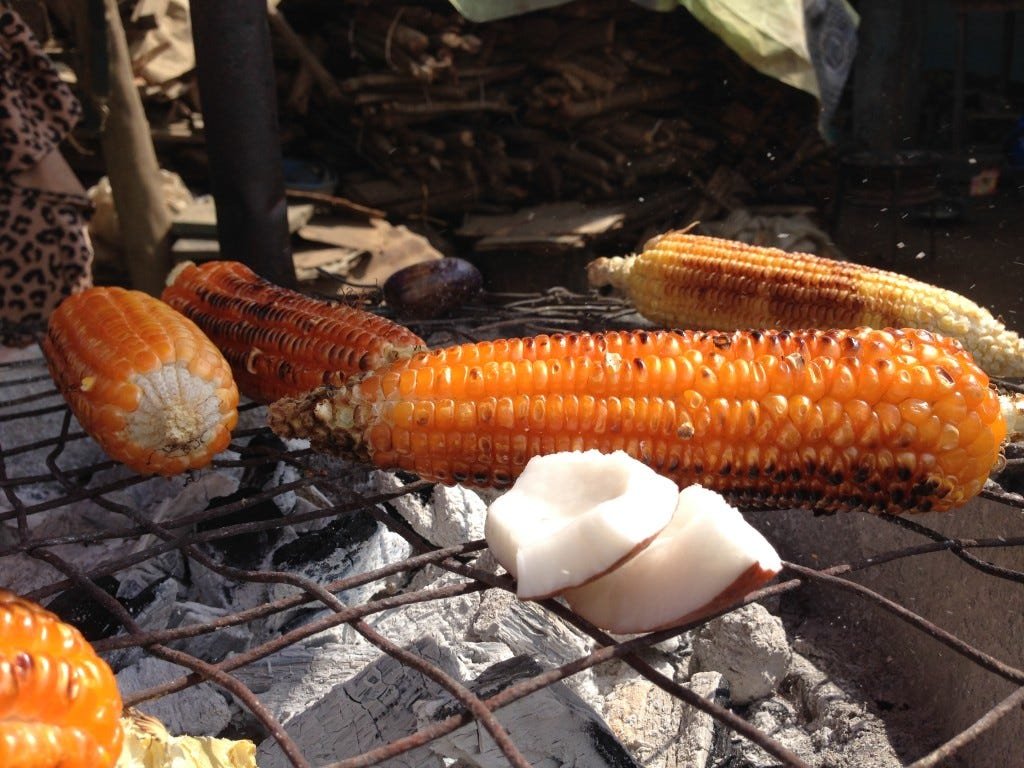
Along busy roads, outside markets, and at quiet neighborhood corners, roasted corn sizzles over glowing charcoal, turning a simple cob into one of the country’s most beloved street snacks.
In Ghana, roasted corn is more than something to nibble on; it is a small ritual woven into everyday life. Vendors fan open charcoal grills while rows of fresh maize slowly char, their golden kernels blistering and caramelising in the heat.
The result is a balance of flavours—naturally sweet corn deepened by a hint of smoke and a gentle crunch that gives way to juicy kernels.
During the maize harvest season, the snack becomes almost impossible to ignore. Stalls appear everywhere, from bustling city roads in Accra to quiet roadside stops in small towns.
Often, the corn is paired with fresh coconut, whose cool, milky sweetness perfectly complements the warm smokiness of the roasted kernels.
For many Ghanaians, roasted corn carries the taste of late afternoons and long journeys. Commuters buy it on their way home, students snack on it after school, and travellers reach for it during road trips across the country. It is affordable, filling, and surprisingly nutritious, rich in fibre and energy.
For visitors to Ghana, roasted corn offers something rare: a taste of daily life. No restaurant reservation is required—just follow the drifting aroma of charcoal and maize, and you will find one of Ghana’s simplest and most authentic culinary pleasures.
While the world often obsesses over Ghana’s spicy rice dishes, those in the know look toward the coast for a texture and tang that is entirely singular: akyeke and tilapia.
If you walk through the bustling streets of Osu or find yourself seaside in Takoradi, the air is thick with the scent of salted, grilled fish and the fermented brightness of cassava.
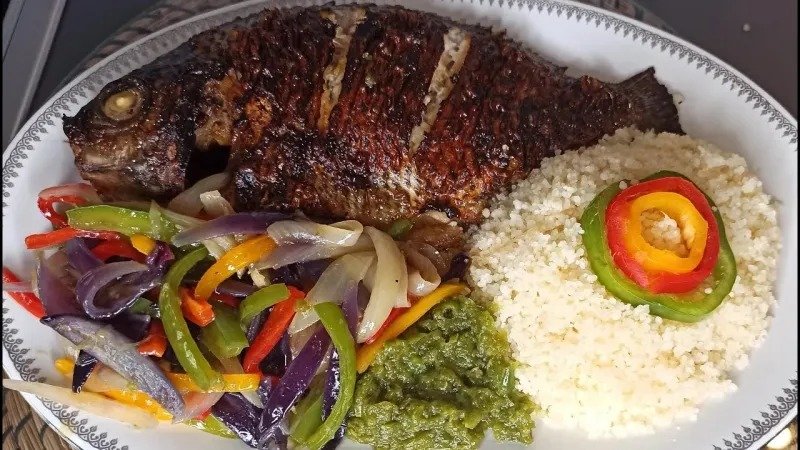
Akyeke (pronounced a-check-eh) is the crown jewel of the Nzema people, though its popularity has swept across the nation. At first glance, it looks like couscous, but the similarity ends there.
Made from fermented, grated cassava, it carries a light, fluffy texture and a signature tartness that cuts through the richness of its accompaniments. It is almost always served with a plump, charcoal-grilled tilapia—the skin charred to a crisp, the flesh underneath steaming and succulent.
The magic, however, lies in the “sides.” A mountain of akyeke is crowned with a vibrant medley of diced tomatoes, onions, and spicy green chilies, all drizzled with high-quality coconut oil or crude palm oil.
It is a masterpiece of temperature and texture—cold, zesty vegetables meeting hot, oily fish. For the health-conscious traveler, it is a gluten-free powerhouse, offering sustained energy without the heaviness of fried starches.
Eating akyeke is an experience in balance. It’s the go-to lunch for the Ghanaian professional and the ultimate weekend indulgence for families.
For any visitor, it represents the true taste of West African coastal life: breezy, bold, and brilliantly fresh.


Digital Ancestry: Why Synaptic Resonances is the Future of African Performance

Wasawasa: The Ghanaian Dish That Turns Yam Peels into Culinary Gold

From Records to Roots: Discover Your Family Story in This Global Webinar
-
 Business2 days ago
Netherlands Reclaims Position as World’s Top Exporter of Cocoa Products, Ghana Remains Key Supplier
-

 Business2 days ago
Ghana Nears Approval of Cannabis Licences as Country Prepares to Launch Regulated Industry
-

 Ghana News22 hours ago
Ghana Leads African Central Banks in Gold Reserve Accumulation as Global Buying Wave Hits $2 Billion
-

 Ghana News2 days ago
EU Approves $23 Million Grant to Upgrade Ghana’s Tema-Mpakadan Railway
-

 Festivals & Events15 hours ago
A Sunday to Remember: Immersing in the Soulful Power of ‘Before His Throne’
-

 Africa Watch2 days ago
U.S. Warns Citizens to Reconsider Travel to Nigeria Citing Terrorism
-

 Africa Watch2 days ago
Pope Leo XIV to Embark on Ambitious 10-Day Tour of Four African Nations
-

 Ghana News23 hours ago
Catholic Bishops Reject Trivialization of LGBTQ+ Debate by Mahama Government: ‘Nations Do Not Live by Bread Alone’