
Global Update
Zambian-American Influencer Jailed 18 Months for Online Attacks on President Hichilema

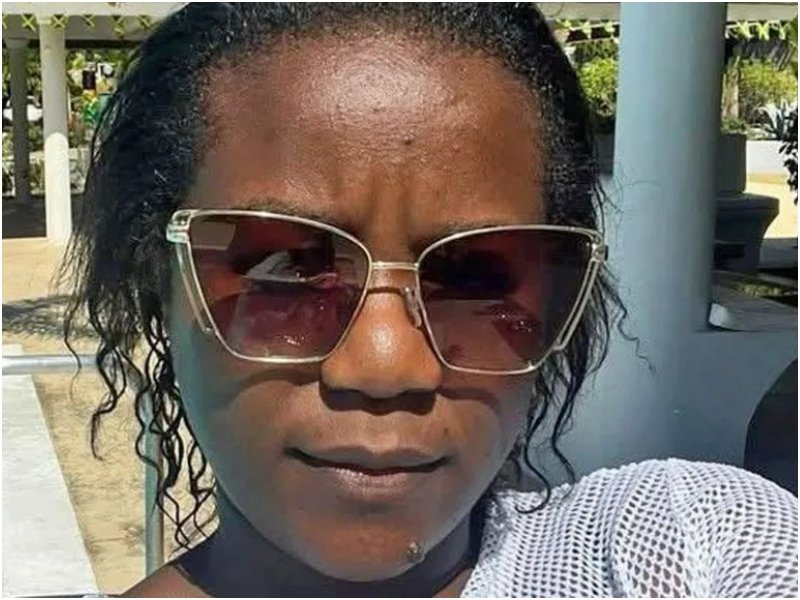
A popular Zambian-American social media personality has been sentenced to 18 months in prison after pleading guilty to hate speech charges stemming from online rants aimed at Zambia’s President Hakainde Hichilema.
Ethel Chisono Edwards, 42, widely known as “One Boss Lady,” was arrested three months ago upon arrival at Zambia’s main airport, where she had traveled from New York to attend her grandmother’s funeral.
Edwards, who holds dual citizenship and works as a real estate agent in the U.S., gained a sizable following for her outspoken political commentaries, many of which targeted the Zambian president.
Court Seeks to Rein in Rising Online Abuse
Appearing in a Lusaka magistrate’s court, Edwards pleaded guilty, apologized to the president and the nation, and admitted her posts were motivated by hatred and had no lawful basis. Despite her remorse, Magistrate Webster Milumbe insisted the court needed to send a clear message as online hate speech becomes increasingly prevalent.
The conviction was handed down under Zambia’s newly implemented Cyber Security and Cyber Crimes Act, which has granted authorities wider latitude in prosecuting digital offenses.
Throughout the proceedings, Edwards appeared subdued — a stark contrast to the fiery, confrontational tone that defined her online presence.
A Plea for Leniency
Her lawyer, Joseph Katati, argued for a non-custodial sentence, describing Edwards as the breadwinner of her family, a first-time offender, and a philanthropist who sponsors a girls’ football team in Zambia. In a detailed apology delivered on her behalf, Edwards expressed deep regret for her comments.
“I want to unreservedly apologize to President Hakainde Hichilema, his family, and the nation of Zambia,” the statement read.
However, the court ruled that Edwards’ sentence would take effect from the date of her arrest, meaning she has already served a significant portion of the 18-month term.
Katati said no decision has been made regarding an appeal.
Public Reaction Split
Her jailing has sparked heated debate in Zambia and among diaspora communities. Some argue the sentence is necessary to curb increasingly aggressive online rhetoric. Others say it undermines freedom of expression and raises concerns about how broadly cyber laws can be applied.
Zambia’s government has long faced criticism over its handling of speech-related offenses. Although President Hichilema abolished criminal defamation of the presidency in 2022, citizens continue to face prosecution under other statutes, including the cyber laws used to jail Edwards.
Just months ago, two men were sentenced to two years in prison for attempting to use witchcraft to harm the president — another case that drew global attention.
A Story Resonating Beyond Zambia
For audiences following developments across Africa, the Edwards case reflects broader tensions between digital activism and state regulation. As online platforms increasingly shape political discourse, governments continue to grapple with how to police harmful speech without suppressing dissent.
Edwards’ sentencing is likely to fuel that debate, both at home and abroad.











Global Update
UK-France Led Coalition Intensifies Push to Reopen Strait of Hormuz as the World Faces Soaring Fuel Costs

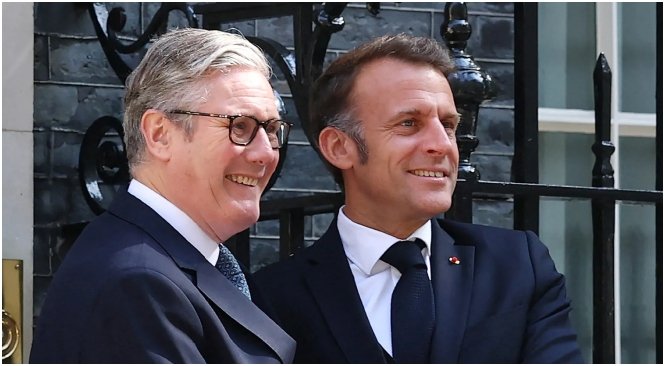
A growing international coalition led by the United Kingdom and France, now numbering nearly 30 countries, is stepping up diplomatic and military efforts to reopen the Strait of Hormuz, the vital chokepoint for global oil shipments that has been largely paralysed by ongoing conflict and attacks in the region.
The initiative gained momentum after a March 19 meeting of leaders from the UK, France, Germany, Italy, the Netherlands, and Japan, who issued a joint statement condemning the laying of mines and repeated drone and missile strikes that have effectively halted safe commercial shipping through the strait.
The countries called on Iran to immediately cease hostilities and comply with UN Security Council Resolution 2817.
Since then, the coalition has expanded significantly, with Britain and France scheduled to chair talks this week aimed at formalising a joint mission to restore safe navigation.
UK media reports indicate that defence chiefs are expected to meet in the coming days, and Britain has offered to host a follow-up summit in Portsmouth or London to finalise operational plans. Officials have stated that the coalition is prepared to act “as soon as the conditions are right.”
The urgency is being driven in part by the severe economic fallout being felt across Africa. South Africa is bracing for sharp fuel price increases due to disrupted global supply routes and India’s recent imposition of export duties on refined petroleum products.
Nigeria has already seen fuel prices rise by approximately 39% in recent weeks, while many other oil-importing African nations are struggling with higher freight costs, tighter supply, and weakening local currencies.
Reopening the Strait of Hormuz, through which roughly one-fifth of the world’s oil normally passes, is seen as critical to easing global energy price pressures and preventing further economic hardship in import-dependent regions.
Global Update
Federal Judge Orders Full Restoration of Voice of America Operations, Reinstating Over 1,000 Employees After Year-Long Shutdown
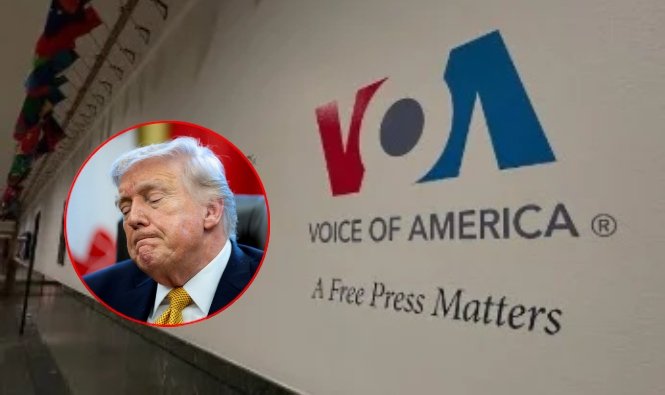
Washington, D.C. – A U.S. federal judge has directed the Trump administration to immediately reverse sweeping cuts that had effectively dismantled much of the Voice of America (VOA), reinstating 1,042 of the broadcaster’s 1,147 employees who had been placed on administrative leave or sidelined for nearly a year.
In a strongly worded ruling issued March 18, 2026, U.S. District Judge Royce C. Lamberth declared the administration’s actions “arbitrary and capricious” and in violation of federal law. The decision reverses moves that reduced VOA to a bare “statutory minimum” operation, severely curtailing multilingual programming and forcing the agency to halt most original journalism production.
The judge gave the U.S. Agency for Global Media (USAGM) seven calendar days to submit a detailed restoration plan, including timelines for resuming full broadcasts and returning staff to active duty. Non-compliance could trigger contempt proceedings.
The cuts stemmed from an executive order issued by President Donald Trump and were implemented under Kari Lake, his unconfirmed acting director of USAGM. Last week, Judge Lamberth had already ruled that Lake lacked legal authority to carry out the reductions due to her lack of Senate confirmation.
Major Implications for Workers
The ruling delivers immediate and substantial relief to more than 1,000 federal employees who had been in limbo since mid-2025:
- Immediate Return to Duty — The 1,042 affected journalists, editors, producers, technicians, and support staff will be reinstated to active roles, ending prolonged administrative leave.
- Restoration of Full Pay & Benefits — Workers regain uninterrupted salary, health insurance continuity, retirement contributions, and other federal employee protections that had been frozen or placed at risk.
- Reclamation of Professional Mission — Employees can resume their core journalistic work after nearly a year of enforced idleness, many of whom described the period as professionally demoralizing.
- Job Security & Seniority — The decision protects career progression, accumulated leave, and seniority rights that were threatened by the indefinite “statutory minimum” staffing model.
Patsy Widakuswara, VOA’s White House bureau chief and a lead plaintiff in the lawsuit, welcomed the outcome:
“We are eager to begin repairing the damage Kari Lake has inflicted on our agency and our colleagues, to return to our congressional mandate, and to rebuild the trust of the global audience we have been unable to serve for the past year. We know the road to restoring VOA’s operations and reputation will be long and difficult. We hope the American people will continue to support our mission to produce journalism, not propaganda.”
Broader Context
Founded during World War II, Voice of America broadcasts independent news in 49 languages to an estimated 362 million weekly listeners, often in countries with restricted press freedom. The near-total shutdown had drawn sharp criticism from press freedom organizations, former VOA staff, and foreign policy experts who argued it undermined U.S. soft power and global information access.
The Trump administration has not yet indicated whether it will appeal. President Trump has since nominated Sarah Rogers, current Under Secretary of State for Public Diplomacy, to lead USAGM on a permanent basis — a nomination that requires Senate confirmation.
The decision reinforces protections under the Administrative Procedure Act against politically motivated dismantling of congressionally mandated agencies and reaffirms that acting officials without Senate approval cannot unilaterally override statutory obligations.
Global Update
How Global Nations Are Scrambling with Drastic Measures as Trump’s Iran War Triggers Historic Oil Crisis
The escalating U.S.-led conflict with Iran, sparked by President Donald Trump’s military strikes, has unleashed what experts are calling the most severe energy crisis since the 1970s.
The situation is forcing countries worldwide to implement emergency responses to cope with soaring fuel prices, supply shortages, and economic ripple effects.
With the Strait of Hormuz effectively blockaded — halting safe passage for tankers carrying up to one-fifth of global oil — major producers like Saudi Arabia have slashed output, Iraq’s production has plummeted to less than one-third of pre-war levels, and force majeure declarations by energy firms in Qatar, Kuwait, and Bahrain have disrupted contracts.
Beyond fuel, the crisis is choking supplies of petroleum-derived products like fertilizers, plastics, and industrial raw materials, threatening food security and manufacturing.
Nations are responding with unprecedented austerity and conservation tactics:
- Bangladesh has shuttered all universities nationwide to curb electricity use and reduce commuting demands, aiming to stretch limited fuel reserves amid fears of broader blackouts.
- The Philippines has mandated a four-day work week for employers in Manila and other regions, specifically to conserve energy and minimize transport fuel consumption as diesel and gasoline supplies dwindle.
- Vietnam is grappling with widespread fuel outages, with gas stations in Hanoi displaying “sold out” signs and rationing supplies, prompting long queues and emergency imports.
- Pakistan is hiking gas prices to discourage private vehicle use, prioritizing diesel for essential trucks and buses in a bid to maintain logistics and food distribution chains.
- Japan has seen industrial fallout, with a major plastics plant north of Tokyo scaling down production due to shortages of petroleum-based raw materials, while aluminum smelters and other energy-intensive facilities face shutdowns.
The Wall Street Journal and CNBC have dubbed this the “biggest oil supply disruption in history,” with Brent crude prices surging amid global stockpiling. Analysts warn of cascading effects: higher fertilizer costs could spike food prices worldwide, while manufacturing halts risk supply-chain breakdowns.
Trump has described the war as benefiting “other parts of the world,” but critics argue the self-imposed crisis is backfiring, exacerbating inflation and instability far beyond the Middle East.
As diplomatic efforts falter, affected nations are bracing for prolonged economic pain unless a ceasefire restores safe passage through the strait.


Renowned Global Bodies Warn Middle East War Will Scuttle Africa’s 2026 Growth

Ex-President Akufo-Addo and President Mahama Exchange Pleasantries on Easter

Mahama Calls Christ’s Birthplace an ‘Epicentre of War’, New Airport Concourse Planned and Other Big Stories in Ghana Today
-
 Business2 days ago
Ghana Turns to Russian Fuel to Cushion Impact of Global Energy Crisis
-
 Tourism2 days ago
5 Things You Need to Know About Ghana’s Visa-Free Entry for All Africans
-
 Ghana News18 hours ago
Ghana President Convenes Emergency Cabinet Meeting to Cushion Ghanaians from Soaring Fuel Prices
-
 Ghana News18 hours ago
Mahama Calls Christ’s Birthplace an ‘Epicentre of War’, New Airport Concourse Planned and Other Big Stories in Ghana Today
-
 Ghana News18 hours ago
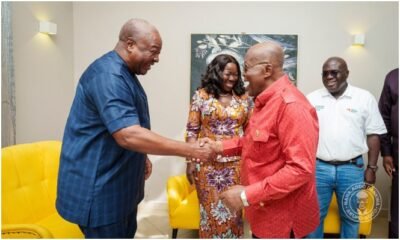
Ex-President Akufo-Addo and President Mahama Exchange Pleasantries on Easter
-

 Ghana News2 days ago
Ghanaian Stowaways Bound for Europe End Up in Nigeria After Five Days at Sea
-
 Ghana News2 days ago
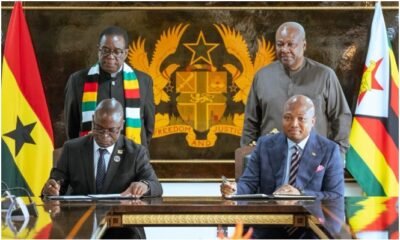
Here Are the 10 Key Agreements Signed Between Ghana and Zimbabwe During Mnangagwa’s State Visit
-
 Business17 hours ago
Renowned Global Bodies Warn Middle East War Will Scuttle Africa’s 2026 Growth