
Homes & Real Estate
Why Gradual Integration is the Key to Ghana’s Real Estate Success

Across the lush, undulating ridgelines of Ghana’s Eastern Region, a specific type of real estate dream is taking root.
For the global Ghanaian diaspora and expatriates accustomed to the vertical steel of New York or the dense brick of London, the allure of a sprawling “mountain view” property is intoxicating.
However, there is a distinct gap between the romanticized vision of hilltop living and the rugged reality of “virgin land.”
Industry experts are now advocating for a more measured approach to property acquisition—a “soft landing” strategy that prioritizes familiarity before diving into the wilderness.
The Shock of the Virgin Land
The transition from a hyper-urbanized global city to the quiet, often underdeveloped outskirts of Aburi or Peduase can be jarring.
Many investors arrive with visions of Mediterranean-style villas overlooking the mist, only to be confronted by “bush”—untamed land lacking basic infrastructure like paved roads, reliable electricity, or high-speed internet.
This initial shock isn’t just aesthetic; it’s operational. Managing a construction project or a homestead in an area where the nearest grocery store is a thirty-minute drive on a dirt track requires a level of grit that many city-dwellers haven’t yet cultivated.
The advice from those on the ground is clear: don’t just “boop” and jump into the deep end.
The “Center-Out” Investment Model
To mitigate this culture shock, a new trend is emerging in the Ghanaian property market: the Center-Out Approach.
Real estate advisors are increasingly suggesting that returnees and investors first settle in established urban centers—areas like Airport Residential, Cantonments, or even the developed cores of hill towns like Aburi—where the amenities mirror what they are used to abroad.
Living in the center allows for a period of “sartorial diplomacy” with the environment. It provides a base of operations that is comfortable and familiar, allowing the owner to explore the “other areas” at a leisurely pace.
By establishing a foothold in a developed hub, investors can supervise their more ambitious “virgin land” projects without sacrificing their quality of life.
Expanding the Horizon Beyond the Familiar
While towns like Aburi have become the default “mountain” destination for many, Ghana’s topography offers far more than just one famous ridge.
The danger of the “boop” jump is that it often leads to tunnel vision. When investors rush to buy what is popular or immediately available, they miss out on the burgeoning opportunities in surrounding districts that offer better value, more stable terrain, or unique microclimates.
The goal of modern real estate education in Ghana is to support people in seeing the “views” without being blinded by them.
It is about encouraging a transition that is sustainable. Once the rhythm of local life is understood, the “bush” stops being a source of shock and starts being a canvas for innovation.
Building a Sustainable Legacy
Ultimately, successful property ownership in Ghana is about more than just a deed; it is about community integration.
By taking the time to live in the center first, investors build the local relationships and logistical networks necessary to conquer the mountain.
In the high-stakes world of African real estate, the most successful builders aren’t those who jump the furthest, but those who step the most carefully.



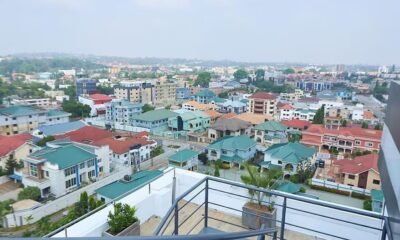



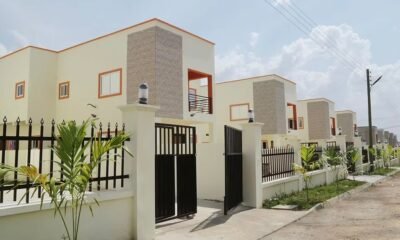

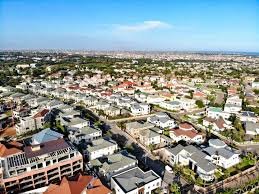
In the competitive landscape of Accra’s luxury real estate, a property’s “vibe” is often measured by more than just Italian marble or infinity pools.
For the high-net-worth investor and the global expatriate, the ultimate luxury is a commodity that is increasingly being priced into the land itself: perceived absolute safety.
While several neighborhoods vie for the title of Accra’s most elite, Cantonments continues to hold a unique psychological and financial edge, often referred to as the “Diplomatic Moat.”
The “Embassy Effect” on Property Value
The transcript of a recent discussion on neighborhood safety highlights a recurring sentiment in the Ghanaian market: the presence of high-profile inhabitants acts as a natural deterrent to crime.
Cantonments are home to the American Embassy, the European Union delegation, and various United Nations agencies (WHO, UNDP, etc.). As the discussion notes, “Because their staff lives in Cantonments, they have eyes around there.”
This isn’t just local lore; it’s a tangible market driver. The concentration of diplomatic missions ensures a heightened level of patrols by the Ghana Police Service and private security firms. This “extra layer” of protection transforms the neighborhood into a fortress of sorts, where the risk of the “craziness of our world” is mitigated by the sheer density of security infrastructure.
The Rigor of the “UN Standard”
For landlords, the real estate gold mine lies in securing a lease with a diplomatic or international body. However, as the transcript points out, these organizations have “so many guidelines” before they will even consider renting an apartment.
International agencies typically require a rigorous security audit of a property before staff can occupy it. These requirements often include:
- Specific perimeter wall heights and reinforced entry points.
- 24-hour manned security posts and advanced CCTV integration.
- Reliable backup power and water systems to ensure “peace and stability.”
- Proximity to emergency services and secure evacuation routes.
Properties that meet these stringent benchmarks command a massive premium. In 2026, a well-managed luxury apartment in Cantonments can range from $450,000 to over $1.2 million, with rental yields buoyed by the reliable, dollar-denominated budgets of global organizations.
A Legacy of Stability
While other areas like “The Boni” (referring to the burgeoning luxury zones near the Border/Airport) offer modern aesthetics, Cantonments relies on its reputation for established order.
It remains the destination of choice for those who value the “physical element of rest” that comes from knowing their environment is strictly monitored.
In the end, real estate in Cantonments isn’t just about buying square footage; it’s about buying into a system of oversight.
For the global reader looking at Ghana, this neighborhood represents the intersection of urban development and international security standards—a place where the soul of the home is protected by the watchful eyes of the world.
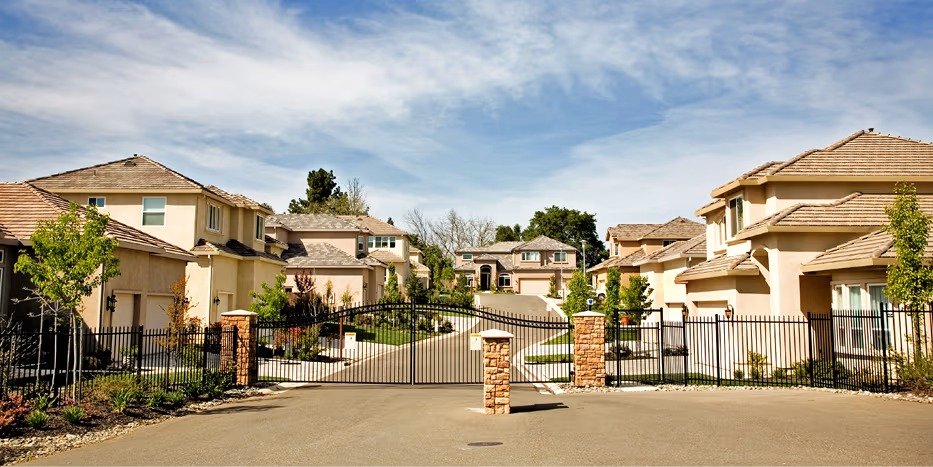
In Ghana’s fast-growing cities, the dream of owning a home can often feel just out of reach. Rising land prices, complex registration processes, and construction costs have made building a house from scratch a daunting journey for many families.
Yet across the outskirts of Accra, Kumasi, and other major urban centres, a new housing trend is steadily reshaping how people achieve that dream: estate living.
Estate housing has become one of the most visible responses to Ghana’s long-standing housing deficit. With demand for homes far exceeding supply, developers have stepped in to build planned communities—clusters of nearly identical houses developed by a single real estate company and sold to buyers ready to move in.
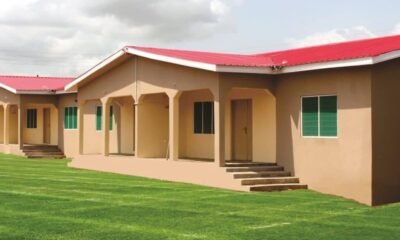
In simple terms, an estate house is part of a residential community designed and built by a developer rather than by individual homeowners. These homes may be detached or semi-detached and typically follow a uniform architectural style. While buyers sometimes have limited flexibility to make changes, the overall layout and appearance of the community are usually guided by the developer’s design standards.
Across Ghana, especially along the expanding edges of cities, new estates are appearing at a rapid pace. For many buyers, the appeal is clear: a brand-new home in a planned community, often with infrastructure already in place. But like most housing choices, estate living comes with both advantages and trade-offs.
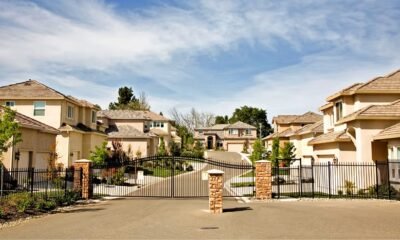
One of the biggest attractions is security. Many estates are built with perimeter fencing, gated entrances, security personnel, and sometimes electronic access systems. For homeowners concerned about safety—an increasingly important consideration in urban areas—this controlled environment offers reassurance and peace of mind.
Estate communities also promise a quieter alternative to city life. Located mostly on the urban fringes, these neighbourhoods offer a slower pace and less congestion than central city districts. After a long day navigating Accra’s traffic, residents often appreciate returning to streets that are calmer and more orderly.
Families are another group drawn to estate living. Many developments are designed with communal spaces such as playgrounds, parks, and walking paths. These shared spaces encourage interaction among neighbours and provide safe areas where children can play.
Affordability is another key factor driving interest. While buying a house in an estate may seem expensive at first glance, it can actually be more predictable than building independently. Purchasing land, securing permits, hiring architects, managing construction, and dealing with legal paperwork can quickly add up. Estate homes bundle many of these costs into one purchase, reducing both time and uncertainty.
Over time, these homes may also gain value. Planned communities often attract supporting amenities—schools, shops, clinics, and financial institutions—which can increase property demand and strengthen resale value.
Still, estate living isn’t without its challenges. Because homes are built close together, neighbours inevitably become part of daily life, and not every community will suit every buyer. Some estates attract mostly young families, while others may be quieter areas with older residents.
Strict building rules are another factor to consider. Developers often enforce guidelines to maintain a consistent appearance across the estate. Homeowners who prefer extensive renovations or architectural freedom may find these restrictions limiting.
Location is perhaps the most common concern. Many estates are built far from city centres where land is cheaper. For residents working in Accra or other busy urban districts, daily commuting can mean long hours in traffic.
Despite these challenges, estate housing continues to play a growing role in Ghana’s urban future. For many families, it offers a practical pathway to home ownership in a housing market where building alone is becoming increasingly complex.
As cities expand and demand for homes continues to rise, these carefully planned communities may well shape the next chapter of how Ghanaians live—and where they call home.
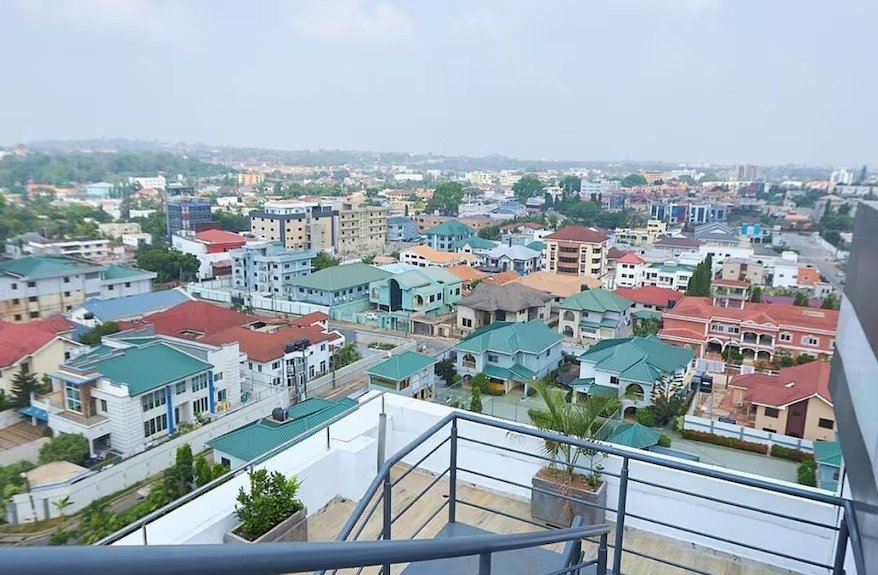
Mention East Legon in conversation, and the reaction is often immediate. For many people in Accra, the neighborhood represents a certain arrival point in life—a symbol of success wrapped in manicured streets, gated houses, and modern apartment blocks.
But beyond the image lies a question that regularly circulates among property buyers and investors: are East Legon’s property prices supported by genuine market value, or are they inflated by reputation?
The answer, according to many observers in Ghana’s real estate sector, sits somewhere in the middle.
A Reputation That Moves the Market
East Legon has gradually built a reputation as one of the capital’s most desirable residential areas. Located close to universities, major roads, shopping centers, and the airport, the suburb offers both convenience and status. Over the years, diplomats, business owners, professionals, and members of the Ghanaian diaspora have gravitated toward the area.
That concentration of affluent residents has helped shape the neighborhood’s identity. For some buyers, simply owning property in East Legon carries social significance. In everyday conversations across the city, living there can signal that someone has “made it.”
That perception has real consequences for the housing market.
Why Properties Sell Quickly
Real estate agents often point to a simple fact: homes in East Legon tend to sell faster than in many other parts of Accra. Investors who purchase houses or apartments in the area frequently find strong demand when they decide to sell.
Part of this comes down to location. East Legon sits within easy reach of key commercial districts, educational institutions, and entertainment spots. The area also offers relatively well-developed infrastructure compared with some newer suburbs.
Another factor is the steady influx of buyers from abroad. Members of the Ghanaian diaspora returning home often look for neighborhoods with established reputations, reliable amenities, and international-style housing. East Legon fits that description.
Hype Meets Real Value
Still, the prestige attached to the neighborhood undeniably fuels price escalation. When demand is driven partly by perception, the market can become competitive quickly.
Developers have responded by building luxury apartments, townhouses, and gated communities designed to match the area’s reputation. Prices have followed suit, sometimes rising beyond what similar properties might command elsewhere in the city.
Yet the market continues to move.
What East Legon Reveals About Accra’s Property Market
The story of East Legon reflects a broader trend in Ghana’s urban development: location branding matters. A neighborhood’s image can shape demand just as strongly as its physical features.
For investors and homebuyers, the lesson is clear. In Accra’s evolving property market, value is rarely determined by bricks and land alone. Reputation, lifestyle, and the promise of quick resale can be just as powerful in setting the price of a home.


Digital Ancestry: Why Synaptic Resonances is the Future of African Performance

Wasawasa: The Ghanaian Dish That Turns Yam Peels into Culinary Gold

From Records to Roots: Discover Your Family Story in This Global Webinar
-

 Business2 days ago
Netherlands Reclaims Position as World’s Top Exporter of Cocoa Products, Ghana Remains Key Supplier
-

 Festivals & Events16 hours ago
A Sunday to Remember: Immersing in the Soulful Power of ‘Before His Throne’
-

 Ghana News24 hours ago
Ghana Leads African Central Banks in Gold Reserve Accumulation as Global Buying Wave Hits $2 Billion
-

 Africa Watch2 days ago
U.S. Warns Citizens to Reconsider Travel to Nigeria Citing Terrorism
-

 Africa Watch2 days ago
Pope Leo XIV to Embark on Ambitious 10-Day Tour of Four African Nations
-

 Ghana News1 day ago
Catholic Bishops Reject Trivialization of LGBTQ+ Debate by Mahama Government: ‘Nations Do Not Live by Bread Alone’
-

 Fashion & Style17 hours ago
How Bondaana Tailored Mahama’s Power Move in Paris
-

 Health & Wellness17 hours ago
How Often Should You Wash Workout Clothes? Dermatologists Say It Depends on Your Sweat