
Tourism
U.S. Immigration Expert Predicts Tougher 2026 for Travelers as Delays, Denials and Enforcement Set to Rise


A U.S.-based immigration attorney has cautioned immigrants, employers and families around the world—particularly those with ties to the United States—to prepare for a far more demanding immigration environment in 2026, marked by longer delays, stricter adjudication and intensified enforcement.
Akua Poku, principal attorney at AK Poku Law, says trends emerging in 2025 suggest that U.S. immigration agencies are moving toward a system that prioritises rigorous screening over speed, leaving little room for error in applications.
Her assessment has drawn attention among African migrants and diaspora communities, many of whom rely on U.S. immigration pathways for education, employment, family reunification and asylum.
Slower Processing Across the Board
According to Poku, applicants should expect significant delays across the U.S. immigration system in 2026. She anticipates more re-reviews of files, additional interviews, and prolonged adjudication timelines—even for categories that historically moved quickly.
“These delays are not isolated,” she explained, noting that both U.S. Citizenship and Immigration Services (USCIS) and immigration courts are likely to be affected.
Courts Facing Growing Backlogs
Poku warned that immigration courts could become increasingly congested as policy shifts channel more denied cases into removal proceedings. Combined with judicial changes and administrative reforms, this is expected to leave many migrants waiting longer for hearings and final rulings.
For individuals without lawful status, or those with pending cases, the impact could be especially severe.
Higher Bar for Evidence
One of the most consequential changes, Poku predicts, will be a rise in Requests for Evidence (RFEs) and Notices of Intent to Deny (NOIDs). USCIS, she says, is likely to demand more comprehensive documentation at the initial filing stage.
Applications that lack clarity, contain inconsistencies or fall short of technical requirements may be denied more quickly than in previous years, with fewer chances for correction.
Less Flexibility, Faster Denials
Poku also foresees a narrower use of discretion by immigration officers and judges. Minor errors that once resulted in warnings or opportunities to amend filings may now lead directly to denials.
This shift, she noted, underscores the growing importance of precision and professional legal guidance, particularly for complex cases involving employment visas, family sponsorship and humanitarian relief.
ICE Expected to Step Up Enforcement
Beyond administrative changes, Poku says U.S. Immigration and Customs Enforcement (ICE) is likely to adopt a more assertive enforcement stance in 2026. This includes renewed attention to old deportation orders, expired statuses and gaps in immigration histories.
For migrants who have lived in the U.S. for years with unresolved issues, she warned, enforcement risks may increase substantially.
Asylum Cases Under Early Review
Another area of concern is asylum. Poku predicts more early-stage dismissals, where judges assess applications upfront and may deny them without full hearings if eligibility thresholds are not met.
For asylum seekers from conflict-affected regions, including parts of Africa, this development could significantly reduce opportunities to present full claims unless filings are thorough from the outset.
A Critical Year for Migrants
While no single policy announcement has yet defined the 2026 landscape, Poku says the direction is clear: the system is becoming stricter, less forgiving and more enforcement-driven.
Her advice is blunt: 2026 will reward those who are organised, proactive and meticulous—and penalise those who delay or submit weak applications.















Compact, filling and made from one of West Africa’s most treasured grains, Kapala shows how Ghanaian food traditions turn simple ingredients into practical nourishment for everyday life.
Known as millet balls, Kapala is prepared by cooking millet and moulding it into firm, round shapes.
The result is a humble food with a pleasantly grainy texture and a mild, earthy flavour that allows it to pair beautifully with a variety of accompaniments.
A Taste of Ghanaian Food Heritage
Kapala’s appeal lies in its versatility. It can be served alongside soup, where the millet balls provide a satisfying base for a hearty meal, or enjoyed with milk for a simpler combination.
For those who prefer a savoury kick, a spicy groundnut-based sauce offers a delicious contrast, bringing creamy nuttiness and heat to the grain’s gentle flavour.
Millet has long been valued in parts of Ghana and across West Africa, particularly in communities where traditional grains remain important to everyday cooking.
Kapala reflects a practical approach to food: preparing a staple that can be carried easily and eaten when needed.
For farmers heading to their fields, its compact shape makes it convenient to transport and consume during a demanding working day. It is a reminder that traditional food can be both culturally meaningful and adapted to the realities of rural life.
Nourishment in Every Bite
Millet provides carbohydrates for energy, along with dietary fibre, minerals and other nutrients.
Its fibre content can support digestive health, while its carbohydrates help fuel physical activity. The overall nutritional value of Kapala depends on how it is prepared and what accompanies it.
For international visitors exploring Ghanaian cuisine, Kapala offers an opportunity to appreciate the ingenuity behind everyday local foods. Its simplicity is part of its charm: a familiar grain transformed into a portable, nourishing staple.
In every rounded ball is a story of resourcefulness, agricultural heritage and the enduring connection between Ghanaian food and daily life.

A child searching for their first picture book, a university student hunting for a prescribed textbook or a reader hoping to find their next favourite novel can all begin their search at the same place: EPP BookShop at Legon City Mall.
Located at 7 Lagoon Street, off Giffard Road, the Legon branch brings together books for different ages, interests and stages of learning.

Its appeal lies in the range of titles available, making it a useful stop for families preparing children for school, students pursuing higher education and readers looking beyond the classroom.
From a Small Accra Shop to a Growing Book Business
EPP Books began in 1991 as a modest bookshop in Accra, occupying a space of no more than 20 square metres.
Over the years, it grew into a chain with branches across the West African sub-region, expanding its reach beyond its original location.
That journey reflects the continuing need for accessible books in homes, schools and educational institutions.
For many learners, textbooks and supplementary readers are essential tools, while novels and self-help books offer opportunities for entertainment, personal growth and discovery.
Books for Different Stages of Life
At the Legon branch, the selection spans preschool materials, children’s readers, school curriculum books, secondary-school textbooks and university-level titles. Customers can also browse bestselling novels and books on personal development.

EPP BookShop serves both retail and wholesale customers, giving individual readers and organisations options for purchasing books. If a particular title is unavailable on the shelves, the shop can also arrange to order it.
For residents, students and visitors in the Legon area, the branch offers more than a place to buy reading materials. It provides a practical starting point for the search for knowledge, whether that begins with a child’s first schoolbook or a reader’s next literary adventure.

From a steaming bowl of fufu and soup to the irresistible aroma of kelewele fresh from the frying pan, Ghanaian food offers more than comfort and flavour.
When balanced well, it can also provide many of the nutrients the body needs to thrive.
Traditional Ghanaian cuisine draws heavily on natural ingredients, including yam, plantain, beans, fish, groundnuts and leafy vegetables.
These foods supply energy, protein, fibre, vitamins and minerals. Kontomire stew, okro soup and garden eggs bring colour and nutrients to the table, while fish and legumes offer protein.
Spices and seasonings give dishes their distinctive character, making everyday meals deeply satisfying.
Waakye, the much-loved combination of rice and beans, illustrates this potential. Paired with vegetables, fish or eggs, it can provide a satisfying mix of carbohydrates, protein and fibre.
Yet the nutritional value depends on portion sizes and the amount of oil, salt and rich accompaniments added.
When Tradition Needs Balance
Palm oil gives dishes such as red red their familiar colour and taste. It also contains vitamin E and carotenoids, which the body can convert into vitamin A. However, it is high in saturated fat, so using moderate amounts and avoiding repeated overheating are sensible choices.
Portion sizes matter, too. Meals dominated by large servings of fufu, banku, rice or yam, with little vegetables or protein, may make it harder to maintain a balanced diet over time.
Meanwhile, instant noodles, sugary drinks and heavily processed snacks are increasingly competing with home-cooked meals. Frequent consumption can contribute to excessive sugar, salt and calorie intake.
Keeping Ghanaian Food Healthy
The answer is not to abandon beloved local dishes, but to prepare and serve them thoughtfully.
Enjoy reasonable portions of starchy staples, add generous vegetables, include beans, fish or other protein sources, and use oil and salt sparingly.
Ghanaian food can be both delicious and nourishing. The secret lies in balance, variety and preserving the best of local cooking while making choices that support long-term health.



-

 Ghana News2 days ago
OBITUARY: Gamal Gorkeh Nkrumah, Son of Ghana’s Founding President, Dies in Cairo
-

 Festivals & Events2 days ago
MaddFest 2027: Welcome the New Year with a Night of Celebration in Accra
-

 Health & Wellness2 days ago
Walking Is More Than Exercise: Small Steps That Can Transform Your Health
-
 Arts and GH Heritage2 days ago
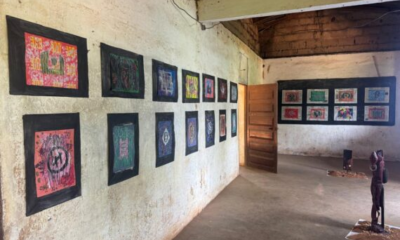
Inside Togo’s Abandoned Colonial Building, African Artists Reclaim Cultural Memory
-

 Global Update2 days ago
Wave of Student Killings at Mexico Universities Raises Safety Concerns
-

 Ghana News2 days ago
Mahama to Churches: The Real Sermon Is Written After the Closing Prayer
-

 Reels & Social Media Highlights1 day ago
Ghana’s Timeline Erupts: Showboy’s Crude Plea, Asantewaa’s Silence, and a Nation Divided
-

 Taste GH20 hours ago
Simple, Nourishing and Rooted in Tradition: Discover Ghana’s Kapala