
Fashion & Style
The New Style Formula Turning Simple Pants Into Fashion Essentials

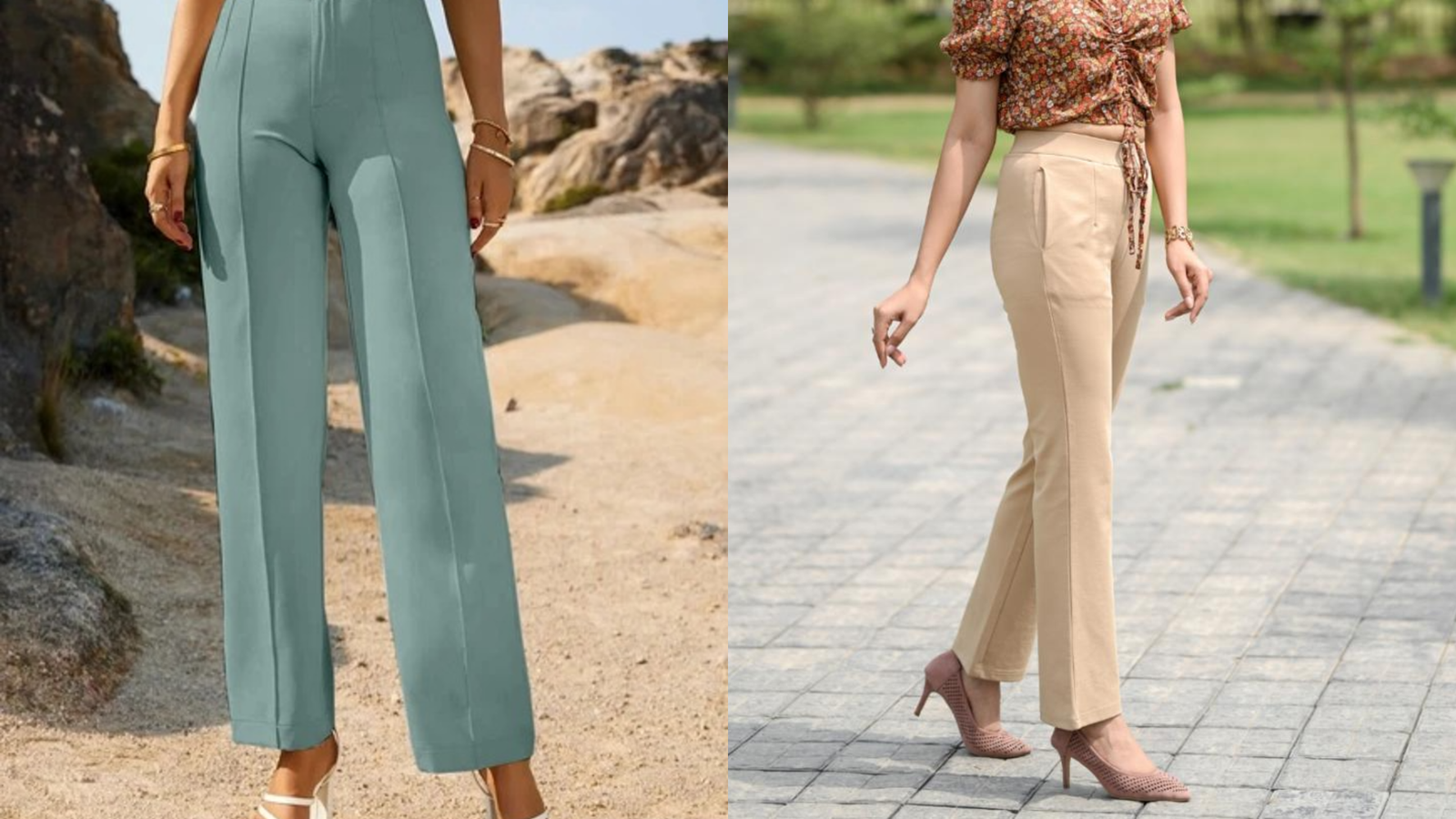
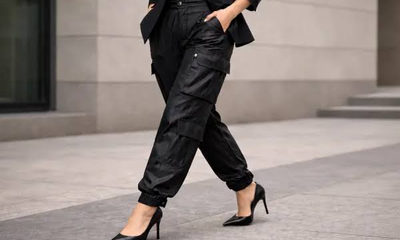
A simple stripe running down the side of a pair of trousers is becoming one of fashion’s quiet power moves. Across social media style videos and streetwear conversations, colour-matched striped pants are stepping out of their athletic roots and into everyday fashion — polished, intentional, and surprisingly versatile.
Black stripes on black pants feel sleek and understated. White stripes on grey trousers create a crisp, almost tailored finish. Brown-on-brown combinations project warmth and quiet luxury, while navy stripes against white pants bring a coastal sharpness often associated with European summer dressing.
Even classic denim gets a fresh edge when finished with white side stripes, turning ordinary jeans into something more directional and expressive.
What makes the trend interesting is not just the stripe itself, but the message behind it. Fashion has entered an era where subtle details carry the loudest statements. Instead of oversized logos or heavily layered outfits, style-conscious dressers are leaning into clean lines, tonal coordination, and pieces that balance comfort with structure.
In cities like Accra, where fashion increasingly moves between luxury influence and streetwear practicality, striped trousers fit naturally into the modern wardrobe. Young creatives pair them with fitted T-shirts and loafers for gallery openings, while others style them with sneakers and oversized shirts for casual city life.
The look works because it feels adaptable — sporty enough for everyday wear, refined enough for social settings.
The rise of monochrome and tonal dressing across African fashion spaces has also helped push the aesthetic forward. Brown-on-brown styling, once considered difficult to pull off, is now associated with elevated menswear and minimalist confidence. Black-on-black remains timeless, while white and navy combinations evoke the relaxed elegance often seen in resort fashion campaigns.
Fashion observers say the appeal lies in how effortless the styling appears. A stripe introduces movement and shape without demanding attention. It gives basic trousers a sense of design, creating outfits that look considered without appearing overworked.
There is also something culturally relevant about the shift. Younger African consumers are redefining luxury through styling rather than price alone. Looking polished is no longer strictly tied to designer labels; it is increasingly about coordination, fit, and individuality.
And perhaps that explains why striped pants continue gaining momentum. In a fashion cycle crowded with noise, they offer something refreshingly simple: clean style that speaks softly but still gets noticed.







Fashion & Style
Beyond Fashion: How African Skincare Brands Are Redefining Beauty for Melanin-Rich Skin
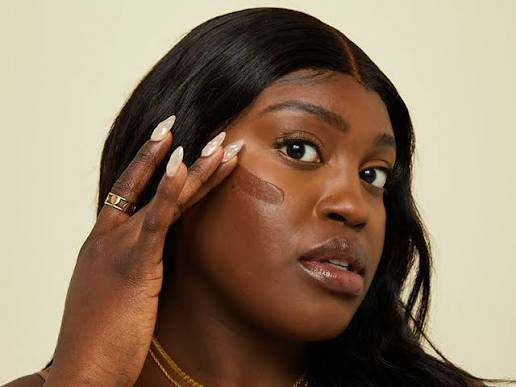
Personal style does not begin and end with what a woman wears. For many Black women, feeling confident in their appearance also means caring for their skin, embracing their natural complexion, and finding beauty products that understand the needs of melanin-rich skin.
Hyperpigmentation, which causes darker patches to appear when excess melanin accumulates in certain areas, remains a common skincare concern.
Acne scars, sun exposure, hormonal changes, and irritation can all contribute to uneven skin tone.
Increasingly, African beauty brands are offering products designed to address these concerns without encouraging women to lighten their natural complexion.
African Ingredients, Modern Beauty Solutions
In Ghana, MelaSkin SPF 50+ offers sun protection formulated for melanin-rich skin, addressing a common misconception that darker skin does not need sunscreen.
Daily sun protection is important because ultraviolet exposure can deepen existing dark spots.
Other African brands are also finding their place in contemporary skincare routines. Nigeria’s Arami Essentials offers Onyx Polish, a black soap blend featuring honey and shea butter, while Ghana’s Skin Gourmet has its Baobab Glow Toner, formulated with fruit acids for exfoliation.
South African brand Orí Lifestyle offers a Radiance Serum combining vitamin C, niacinamide and African botanicals to help improve uneven skin tone.
Confidence in Natural Beauty
A consistent routine combining gentle cleansing, suitable exfoliation, targeted treatments, moisturising and sunscreen can help improve the appearance of hyperpigmentation over time.
For African women, the growing availability of locally produced skincare represents more than another beauty trend. It reflects a wider appreciation of products developed with their skin needs in mind.
Ultimately, healthy, cared-for skin is an expression of personal confidence, and beautiful style is all the better when women feel comfortable in their natural complexion.
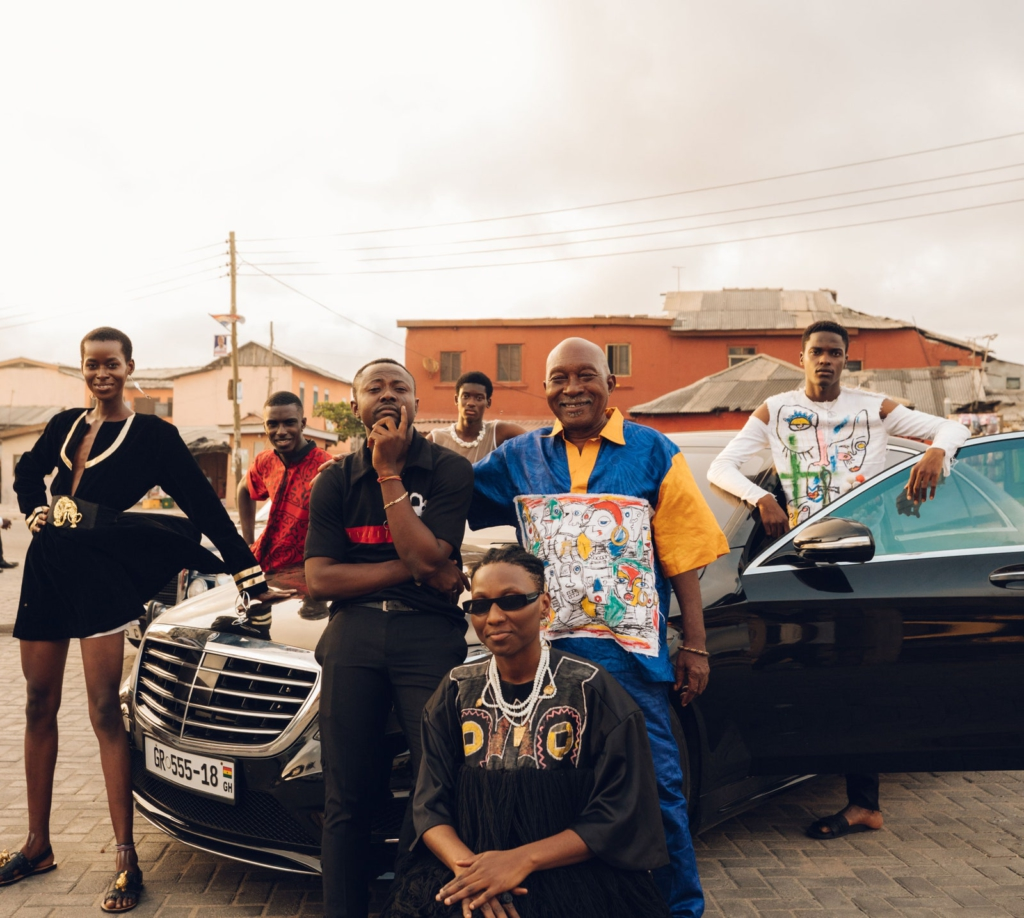
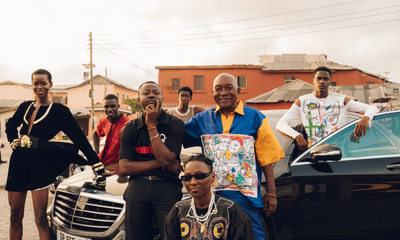
At Accra’s Kantamanto Market, where secondhand clothes arrive in enormous quantities and unwanted garments often become waste, designer Hassan Alfaziz Iddrisu sees something others overlook: creative possibility.
Through his fashion label, Hazza, the Ghanaian designer is transforming discarded textiles into distinctive contemporary clothing while challenging conventional ideas about sustainability and African style.
Originally from Kumasi and now based in Accra, Iddrisu began his fashion journey trading vintage clothing. His fascination with rare garments eventually led him to experiment with deconstructing secondhand pieces and assembling them into original designs.
Although he initially had no formal sewing or cutting skills, his creative ideas attracted buyers and encouraged him to establish Hazza in 2013.
The ethically made, unisex sportswear label combines African identity with traditional production techniques.
Its aesthetic features relaxed tailoring, breezy suits, utilitarian shirts and colourful fabrics, often sourced through reuse and repurposing.
For Iddrisu, sustainability begins with choosing materials differently. He sources much of his fabric from Kumasi, selecting discarded textiles that would otherwise remain unsold or end up as waste.
Through tie-dye and screen printing, he gives these materials new colour, character and purpose. His Afrafradom collection reflects this experimental approach.
His creative inspiration also comes from everyday Ghanaian life. Rather than seeking ideas exclusively in fashionable spaces, he visits less celebrated neighbourhoods and communities, where he believes authentic cultural expression can be found.
Hazza represents a compelling direction for African fashion, where environmental responsibility, cultural identity and inventive craftsmanship meet.
By turning unwanted fabrics into desirable garments, Iddrisu demonstrates that fashion’s next statement need not begin with something new; sometimes, it begins with seeing value in what others have thrown away.
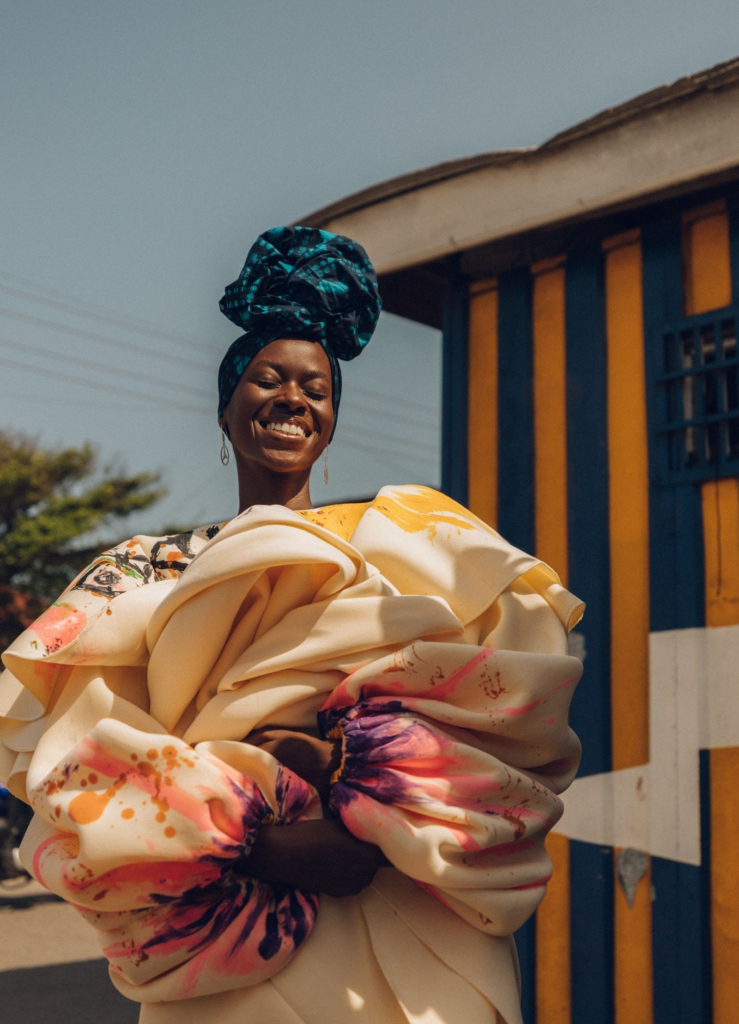
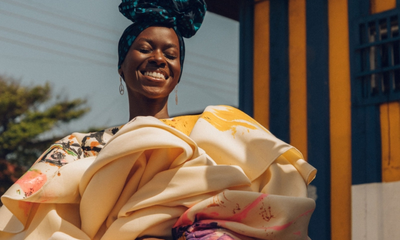
A childhood spent watching seamstresses at work in Axim has become the creative foundation of Steve French’s fashion identity.
Today, the Ghanaian designer is transforming those early memories into contemporary womenswear, using fabric, abstract painting and storytelling to give traditional influences a new artistic expression.
Originally from Axim in Ghana’s Western Region and now based in Accra, French developed an interest in fashion at just seven years old.
His earliest creative experiments involved drawing cartoon characters such as Mickey and Minnie Mouse, with particular attention to what they wore. That childhood fascination eventually grew into a fashion label, established in 2016.
French’s designs celebrate the female form through feminine gowns, flowing skirts, expressive prints and bold colours.
His approach combines cultural references with contemporary design, creating clothes that reflect his Ghanaian identity while exploring new artistic possibilities.
His latest collection draws heavily on memories of growing up around seamstresses in Axim. Inspired by the stories and traditions passed down through those encounters, he experimented with neoprene and abstract painting, translating personal narratives into images on tops, skirts and dresses.
Beyond aesthetics, French sees fashion as an opportunity to create meaningful economic and social connections.
He works with local artisans, believing that clothing should benefit not only the person wearing it but also the people producing it and the communities behind the craft.
His creative outlook has also evolved through periods of stillness and reflection. He now finds inspiration in everyday Ghanaian life, from roadside traders to music and ordinary encounters.
For French, fashion is both a personal inheritance and a community responsibility, proving that childhood memories and local craftsmanship can become powerful foundations for contemporary African design.


Javits Frimpong’s Murder: One Suspect Arrested, Two Still Wanted as Bullying Questions Remain Unanswered

Ghana Coconut Shipment Used to Conceal 2.6 Tons of Cocaine Bound for Europe

Ghanaian Regulators Test Local Innovator’s Plastic-Derived Fuel, Finds Petrol and Diesel Fall Short of Required Standards
-

 Ghana News1 day ago
After COVID-19 Exposed Africa’s Vaccine Dependence, Ghana’s NVI and Africa CDC Embark on a New Path to Secure Health Sovereignty
-

 Business1 day ago
Ghanaian Pharmaceutical Manufacturers Begin Breaking Into African Markets Thanks to Africa CDC’s Pooled System
-

 Ghana News1 day ago
Africa Cannot Build Its Pharmaceutical Future on Imports: Ghana and Africa CDC Seek a New Way Forward
-
 Festivals & Events23 hours ago
Ghana Food Festival: Diaspora Experience 2026 Celebrates Food, Culture and Connection
-
 Taste GH23 hours ago
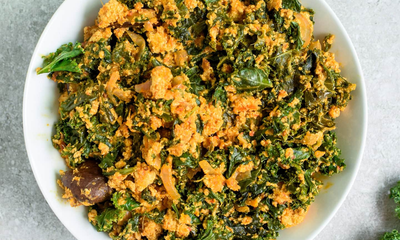
Vegan Kontomire Stew: A Ghanaian Classic Reimagined with Tofu and Melon Seeds
-

 Festivals & Events20 hours ago
Samanpiid Festival: Bawku’s Celebration of Harvest, Renewal and Kusasi Heritage
-
 Homes & Real Estate20 hours ago
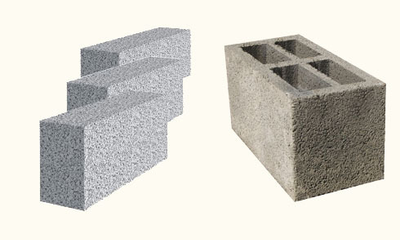
Building in Ghana? How to Test Your Blocks Before They Become Part of Your Home
-

 Health & Wellness2 days ago
The Fitness Secret Is Not More Discipline, but Building Habits You Can Maintain