
Health & Wellness
The Four Things Every Exercise Plan Needs

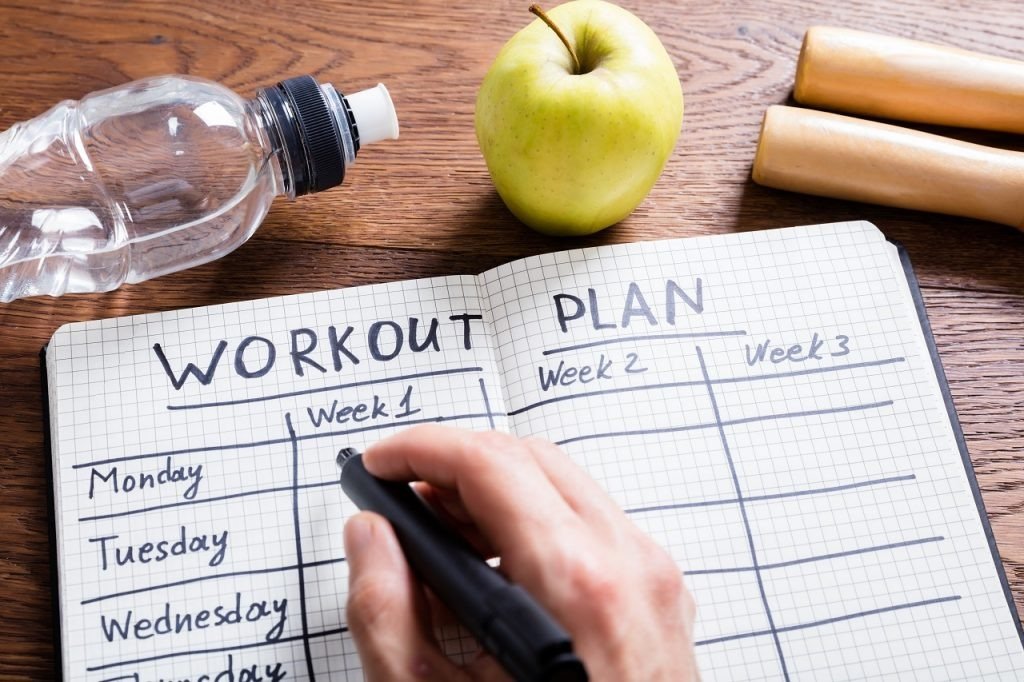
Every January, fitness goals surge. Gyms fill up, running shoes come out of storage, and people promise themselves that this year will be different. Yet by the time February or March arrives, many of those resolutions quietly disappear.
Fitness experts say the problem is rarely motivation—it’s planning.
Across the world, common New Year goals tend to sound familiar: exercise more, lose weight, stop smoking, or cut back on alcohol. While the intentions are good, many of these resolutions fail because they lack structure. Simply deciding to “exercise more” is often too vague to translate into lasting behaviour change.
Health and fitness professionals say successful exercise plans share several core elements: readiness for change, clear goal-setting, a structured workout plan, and consistent tracking.
Understanding readiness is often the first step. Behaviour scientists frequently refer to the Transtheoretical Model of Behaviour Change, developed by psychologist James Prochaska. The model describes the stages people typically move through when changing habits.
Some people are in the “precontemplation” stage, meaning they are not yet considering exercise or may not recognise the risks of a sedentary lifestyle. Others are in the “contemplation” stage, where they understand the benefits of exercise but have not yet started. The next phase, often called “determination,” is when individuals begin preparing to take action.
The “action” stage follows, when people actively begin exercising. If they maintain that routine for several months, they enter the “maintenance” phase. But relapse is also part of the cycle, and many people move back and forth between stages before building a consistent habit.
Once someone is ready to act, experts recommend setting clear and achievable goals. A widely used framework is the SMART method, which encourages goals that are Specific, Measurable, Attainable, Realistic, and Timely.
Instead of saying “I will exercise more,” a SMART goal might sound like this: cycling twice a week for 30 minutes, attending a cardio class three times a week, and doing strength training sessions targeting major muscle groups. Having defined activities, timeframes and measurable outcomes makes progress easier to track.
The next step is creating a structured workout plan using what trainers call the FITT formula—Frequency, Intensity, Type, and Time.
Frequency refers to how often someone exercises each week. Intensity describes how hard the body is working during those sessions. Type refers to the kind of exercise being performed, such as endurance activities like walking or cycling, strength training, or flexibility exercises like stretching. Time refers to the duration of each workout.
A balanced fitness routine typically includes endurance training for cardiovascular health, strength exercises to build muscle, and flexibility work to maintain mobility.
Finally, consistency depends on turning that plan into a real schedule. Fitness professionals recommend treating exercise like any other important commitment by setting aside specific times during the week for workouts.
Tracking progress can also help people stay motivated. Some choose to keep a journal, while others rely on fitness apps to record workouts, monitor improvements, and reflect on how they feel physically and mentally.
Support systems also matter. Exercising with a partner, joining a group class, or sharing goals with friends can create accountability and make it easier to stay on track.
Experts say the difference between abandoned resolutions and lasting change often comes down to one simple factor: having a clear plan.
When fitness goals move from vague intentions to structured routines, they stand a far better chance of lasting well beyond the first few weeks of the year.











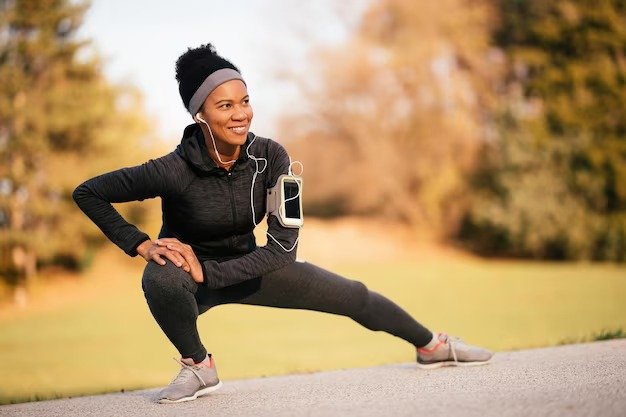
For millions of office workers, the modern workday looks almost identical: hours seated at a desk, eyes fixed on a computer screen, and barely any movement between meetings and emails. By mid-afternoon, the fatigue sets in—not just mental exhaustion, but the heavy, sluggish feeling that comes from sitting still for too long.
Health experts say that sensation is often linked to one overlooked issue: poor circulation.
When the body remains inactive for extended periods, blood flow slows, and muscles become stiff. Over time, this can affect both physical and mental well-being. According to emerging research in psychoneuroimmunology (PNI)—a field that explores the relationship between the mind, nervous system, and immune response—regular body movement plays a key role in maintaining both emotional balance and immune health.
PNI researchers examine how lifestyle habits influence the interaction between the brain and the body’s immune system. One of their central findings is that physical movement does far more than strengthen muscles or burn calories. It stimulates circulation, raises heart rate, and triggers the release of biochemical messengers such as endorphins, dopamine and serotonin—chemicals associated with improved mood and reduced stress.
In practical terms, that means something as simple as standing up and stretching during the workday can improve both focus and overall well-being.
Movement also serves as a natural stress outlet. For people who spend long hours working at computers—a common reality in today’s digital economy—short bursts of activity can help release built-up tension and restore mental clarity.
Medical studies have even highlighted the importance of movement in clinical settings. Research involving cancer patients, for example, found that individuals who remained physically active during treatment often reported higher energy levels and fewer distressing symptoms compared with patients who were largely inactive.
The encouraging news is that maintaining healthy circulation doesn’t require intense workouts or gym memberships. Simple activities such as walking and stretching are among the most effective ways to keep the body active throughout the day.
For office workers, desk-based stretches can provide a quick and practical solution. Health professionals recommend incorporating short stretching breaks into the workday to counter the effects of prolonged sitting.
Common stretches include gently tilting the head toward each shoulder to release neck tension, raising both arms overhead while interlocking the fingers to stretch the spine, or rolling the shoulders upward and releasing them to loosen tight muscles. Other movements involve turning the head from side to side, hugging one knee toward the chest while seated, or extending one arm overhead and leaning sideways to stretch the torso.
Even small movements—such as placing one ankle over the opposite knee and gently pressing down to stretch the hips—can help activate circulation and relieve stiffness.
Another technique gaining attention is progressive muscle relaxation. This method involves deliberately tensing and then relaxing different muscle groups throughout the body. The practice is widely used to reduce anxiety and promote relaxation, and it can easily be done while seated at a desk.
Health specialists say the key is consistency. Taking just a few minutes every hour to move, stretch or stand can significantly reduce the physical strain of long workdays.
In an era when many jobs demand extended screen time, staying active throughout the day may be one of the simplest ways to protect both body and mind.
Sometimes, the healthiest decision at work is simply to stand up.

For years, the dominant message in weight loss has been simple: eat less. Many people assume that the path to a leaner body is to keep lowering calories until the scale finally moves.
But for some individuals—especially those who have dieted for a long time—eating less can actually make progress harder.
The human body is not a machine that runs indefinitely on minimal fuel. When food intake stays too low for too long, the body adapts in ways that slow down fat loss rather than accelerate it.
Understanding how metabolism responds to food intake can help explain why sometimes the answer is not eating less, but eating smarter.
Chronic Undereating Can Slow Your Metabolism
Think of the body like an engine. If it constantly receives too little fuel, it begins to conserve energy to survive.
When someone consistently eats very low calories—such as 1,200 calories per day for long periods—the body responds by slowing its metabolic processes.
Hormones adjust, energy expenditure drops, and the body becomes more efficient at using fewer calories. This adaptation is the body’s natural way of protecting itself during perceived food scarcity.
Over time, this can lead to fatigue, stalled weight loss, and intense frustration. Despite strict dieting, progress slows because the body has shifted into energy-conservation mode.
Low Calorie Can Lead to Muscle Loss
Another major downside of chronic undereating is the loss of lean muscle.
Muscle tissue requires energy to maintain. When calorie intake is too low—especially without sufficient protein or resistance training—the body may break down muscle for energy.
As muscle mass declines, metabolism slows even further, since muscle burns more calories than fat at rest.
This creates a difficult cycle. People eat less in an attempt to lose fat, but the loss of muscle reduces the number of calories their bodies burn each day. The result can be a plateau that feels impossible to break.
Fuel and Strength Training Help Rebuild the “Engine”
The solution for some people may involve gradually increasing calorie intake while prioritising strength training.
Adding more nutritious food back into the diet provides the body with the energy it needs to support muscle growth and recovery. Resistance training—such as lifting weights—stimulates muscle development, which in turn increases the body’s energy demands.
As lean muscle mass improves, the body becomes more efficient at burning calories throughout the day. In this context, higher calorie intake does not automatically lead to weight gain. Instead, those calories become fuel for training, muscle maintenance, and metabolic activity.
In other words, the body begins to use energy rather than store it.
A Balanced Approach to Nutrition
This does not mean that everyone should dramatically increase their calorie intake overnight. Individual energy needs vary widely depending on body size, activity level, and health goals.
However, for people stuck in a cycle of extremely low-calorie dieting, rebuilding a healthier relationship with food—and supporting the body with adequate nutrition—may be the step that finally moves progress forward.
Health & Wellness
How to Build the Perfect Protein Plate: Benefits, Practical Tips, and Expert Advice


Protein has become one of the most talked-about nutrients in wellness circles, and for good reason.
Beyond its traditional role in muscle building, protein is increasingly recognised as a daily health essential that supports hormone production, blood sugar stability, healthy aging, and overall metabolic function.
In a recent segment on the Today show, registered dietitian and best-selling author Rachael DeVaux broke down why protein should be viewed not just as a fitness nutrient but as a foundational part of everyday nutrition.
“It’s made with amino acids and helps with hormone production, blood sugar stability, healthy aging and, of course, muscle recovery and maintenance,” she explained.
DeVaux emphasised that protein becomes increasingly important with age, as the body naturally begins to lose muscle mass over time. Higher protein intake can help protect against this decline and support long-term strength and mobility.
How Much Protein Do You Need?
The USDA recommends adults consume between 0.54 and 0.73 grams of protein per pound of body weight. For a 150-pound person, that translates to roughly 81 to 110 grams per day. However, DeVaux suggests aiming a bit higher — around 0.8 to 1.0 grams per pound — depending on age, activity level, and personal goals.

She recommends “front-loading” protein by starting the day with 30 to 40 grams. This approach helps stabilise blood sugar, reduce mid-morning cravings, and set a positive tone for the rest of the day’s eating.
Practical Ways to Hit Your Protein Goals
DeVaux shared several simple, realistic strategies:
- Breakfast Power Move: Prepare make-ahead breakfast sandwiches with eggs, chicken sausage, and cheese for around 32 grams of protein per serving. These can be wrapped and frozen for busy mornings.
- Smart Swaps: Cook rice or other grains in bone broth instead of water to add an extra 5 grams of protein per serving while enhancing flavour.
- Convenient Snacks: Air-fried chickpeas deliver 11 grams of protein per serving and make an easy, crunchy snack. Protein powders can also be a helpful tool when whole-food sources are limited, but she advises choosing clean options with minimal ingredients, no artificial sweeteners, and third-party testing for purity.
DeVaux stressed that while protein powders are convenient, the bulk of daily intake should come from whole, minimally processed foods.
The Bottom Line
Whether your goal is muscle maintenance, better blood sugar control, healthy aging, or simply feeling more energised throughout the day, prioritising protein at every meal can deliver meaningful benefits. Starting the day strong with 30–40 grams and spreading intake evenly appears to be an effective strategy for most people.
As protein continues to dominate wellness conversations, experts agree: it’s not just about building muscle — it’s about supporting overall health from the inside out.


Ghana’s Foreign Minister Slams UK Conservative Leader Kemi Badenoch Over Slavery Reparations Remarks

Claim Rawlings Did Not Die from COVID-19, Airfares Rise Over New Levy and Other Big Stories in Ghana Today

Newspaper Headlines Today: Wednesday, April 1, 2026
-

 Global Update2 days ago
UK-France Led Coalition Intensifies Push to Reopen Strait of Hormuz as the World Faces Soaring Fuel Costs
-

 Ghana News2 days ago
Ghana to Build Global Coalition Around CARICOM’s 10-Point Reparations Plan
-

 Ghana News1 day ago
Dr. Arikana Chihombori-Quao to Headline Upcoming Pan-African Unity Summit in Ghana
-

 Ghana News1 day ago
Black Stars Coach Sacked, Mahama Blasts Critics of UN Slavery Reparations Motion, and Other Big Stories in Ghana Today
-

 Ghana News2 days ago
Court Moves NAM1 Trial to Virtual Hearing, Israel Explains Voting Against UN Slave Trade Motion, and Other Trending Stories
-

 Opinion1 day ago
Between Memory and Partnership: Ghana’s Moral Test on Reparatory Justice
-

 Opinion2 days ago
Why Ghanaian Officials Must Know About and Prepare for the Hidden Risks of a Mass Black American Return to Ghana
-
 Ghana News1 day ago
Newspaper Headlines Today: Tuesday, March 31, 2026