
Fashion & Style
From Lagos Thrift Finds to Chanel’s Grand Palais Runway: Rachel Ojuromi’s Fashion Leap

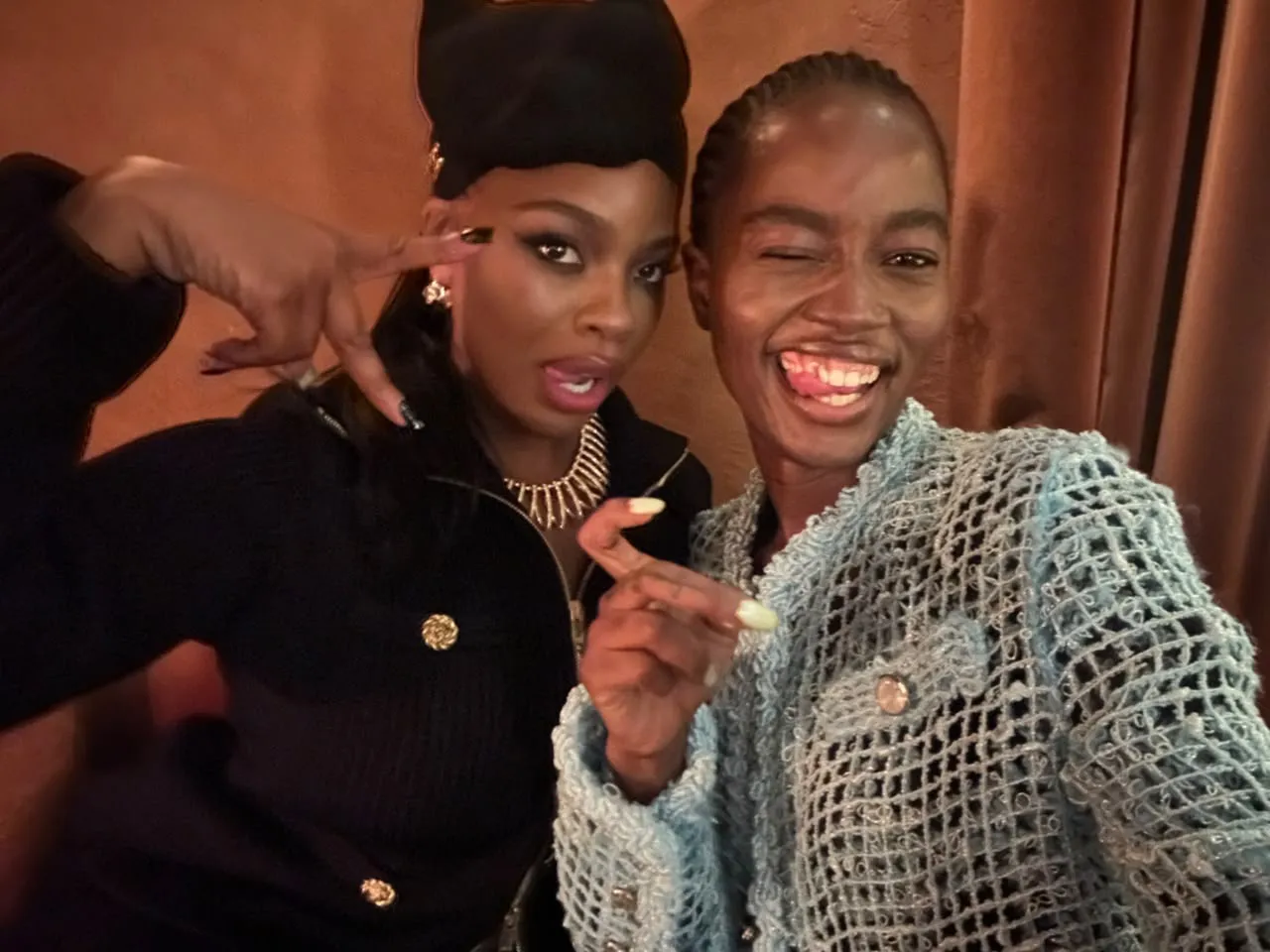
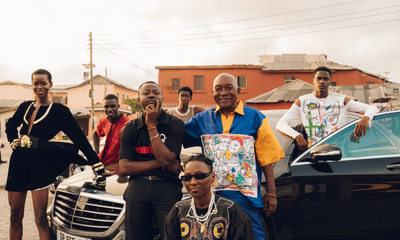
Rachel Ojuromi did not wait for a fashion house to discover her. She made the streets of Lagos her runway—and eventually, Chanel came looking.
The 22-year-old Nigerian creative had built an audience by turning everyday Lagos locations into striking fashion sets, combining dramatic styling with thrifted and reworked pieces.
Working alongside stylist and designer Debby Fasingha and photographer Odey Ikpä, Ojuromi created videos that felt closer to miniature fashion campaigns than conventional social-media posts.
The breakthrough came in July 2026, when the trio recreated Chanel’s Métiers d’Art 2026 collection on Lagos streets.
Their interpretation drew inspiration from the original show, designed by Matthieu Blazy and staged in the New York subway, but replaced the luxury house’s setting with the textures and energy of Lagos.
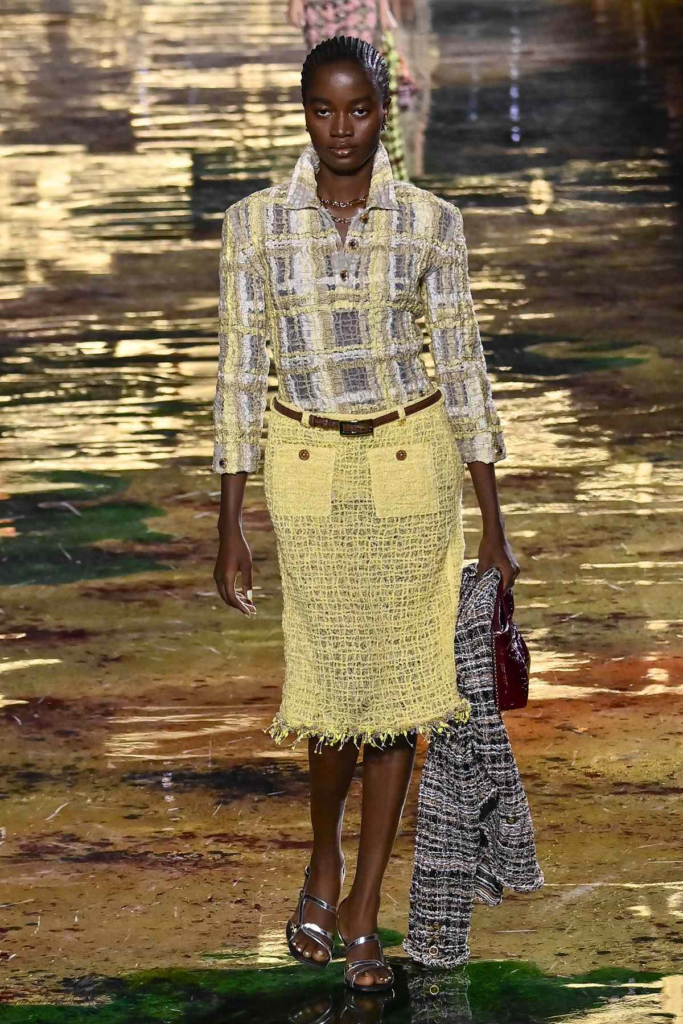
Blazy reacted to the recreation, helping propel the video further into fashion circles. Months later, Ojuromi found herself walking in his Chanel Spring/Summer 2027 collection at Paris’s Grand Palais.
Her runway look—a grey-and-yellow tweed Chanel ensemble—carried a quiet personal detail: yellow is Fasingha’s favourite colour.
But Ojuromi’s real statement had already been made in Lagos. She demonstrated that creativity does not need a luxury budget, famous location or established fashion platform to command international attention.
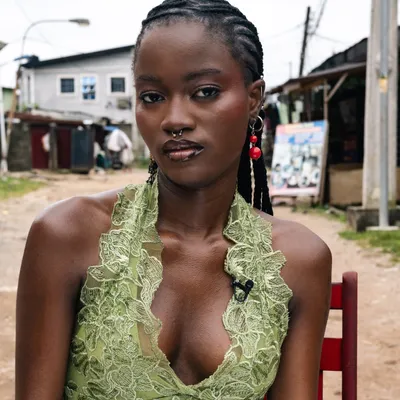
Her journey also challenges the idea that African creators must first receive approval from Paris, London or New York before their work carries global weight.
Ojuromi started with thrifted clothes, familiar streets and a strong visual identity. Chanel became part of the story later.
That may be the most important fashion lesson of all: sometimes the runway comes after you have already built your own.







Fashion & Style
Beyond Fashion: How African Skincare Brands Are Redefining Beauty for Melanin-Rich Skin
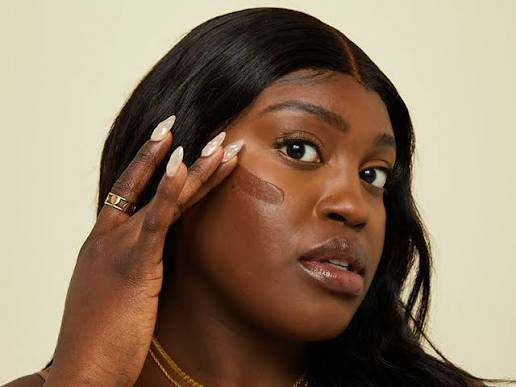
Personal style does not begin and end with what a woman wears. For many Black women, feeling confident in their appearance also means caring for their skin, embracing their natural complexion, and finding beauty products that understand the needs of melanin-rich skin.
Hyperpigmentation, which causes darker patches to appear when excess melanin accumulates in certain areas, remains a common skincare concern.
Acne scars, sun exposure, hormonal changes, and irritation can all contribute to uneven skin tone.
Increasingly, African beauty brands are offering products designed to address these concerns without encouraging women to lighten their natural complexion.
African Ingredients, Modern Beauty Solutions
In Ghana, MelaSkin SPF 50+ offers sun protection formulated for melanin-rich skin, addressing a common misconception that darker skin does not need sunscreen.
Daily sun protection is important because ultraviolet exposure can deepen existing dark spots.
Other African brands are also finding their place in contemporary skincare routines. Nigeria’s Arami Essentials offers Onyx Polish, a black soap blend featuring honey and shea butter, while Ghana’s Skin Gourmet has its Baobab Glow Toner, formulated with fruit acids for exfoliation.
South African brand Orí Lifestyle offers a Radiance Serum combining vitamin C, niacinamide and African botanicals to help improve uneven skin tone.
Confidence in Natural Beauty
A consistent routine combining gentle cleansing, suitable exfoliation, targeted treatments, moisturising and sunscreen can help improve the appearance of hyperpigmentation over time.
For African women, the growing availability of locally produced skincare represents more than another beauty trend. It reflects a wider appreciation of products developed with their skin needs in mind.
Ultimately, healthy, cared-for skin is an expression of personal confidence, and beautiful style is all the better when women feel comfortable in their natural complexion.
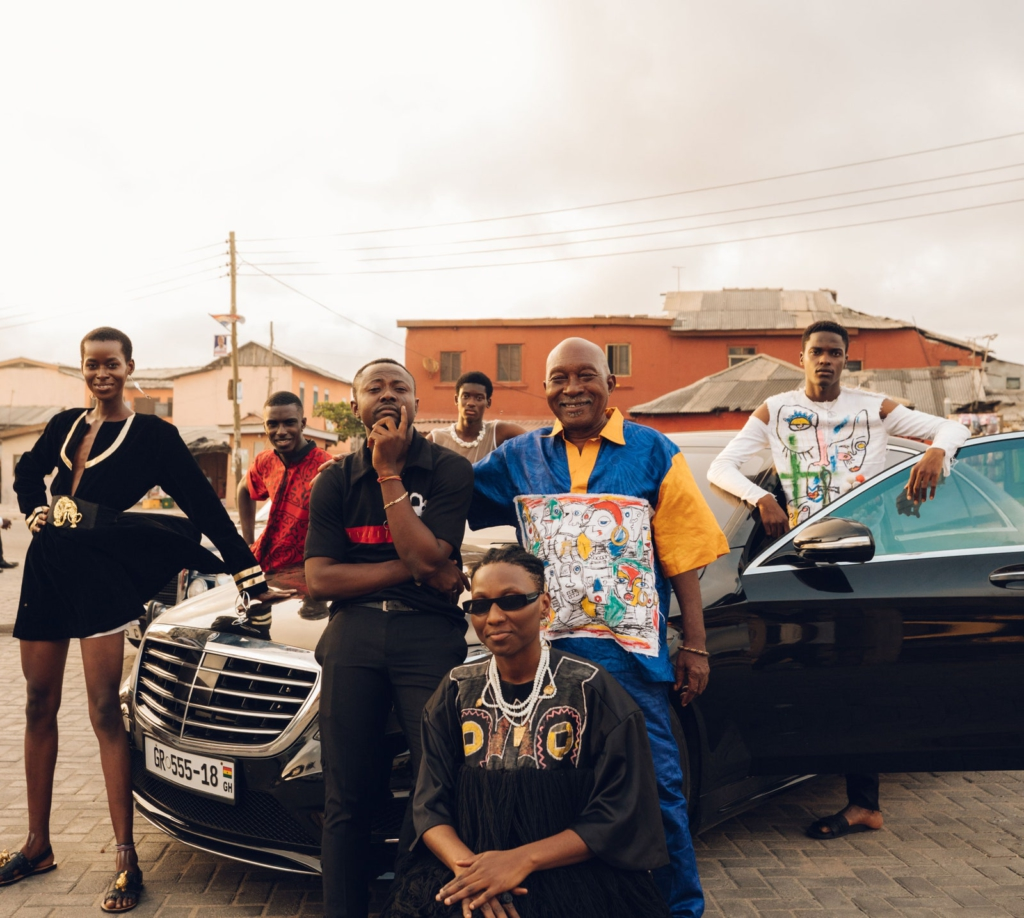
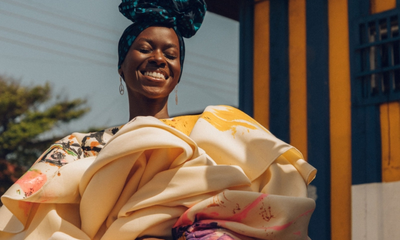
At Accra’s Kantamanto Market, where secondhand clothes arrive in enormous quantities and unwanted garments often become waste, designer Hassan Alfaziz Iddrisu sees something others overlook: creative possibility.
Through his fashion label, Hazza, the Ghanaian designer is transforming discarded textiles into distinctive contemporary clothing while challenging conventional ideas about sustainability and African style.
Originally from Kumasi and now based in Accra, Iddrisu began his fashion journey trading vintage clothing. His fascination with rare garments eventually led him to experiment with deconstructing secondhand pieces and assembling them into original designs.
Although he initially had no formal sewing or cutting skills, his creative ideas attracted buyers and encouraged him to establish Hazza in 2013.
The ethically made, unisex sportswear label combines African identity with traditional production techniques.
Its aesthetic features relaxed tailoring, breezy suits, utilitarian shirts and colourful fabrics, often sourced through reuse and repurposing.
For Iddrisu, sustainability begins with choosing materials differently. He sources much of his fabric from Kumasi, selecting discarded textiles that would otherwise remain unsold or end up as waste.
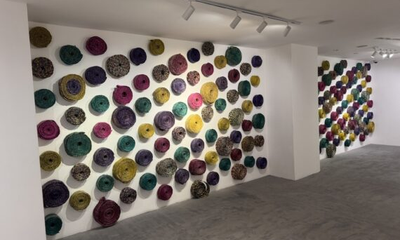
Through tie-dye and screen printing, he gives these materials new colour, character and purpose. His Afrafradom collection reflects this experimental approach.
His creative inspiration also comes from everyday Ghanaian life. Rather than seeking ideas exclusively in fashionable spaces, he visits less celebrated neighbourhoods and communities, where he believes authentic cultural expression can be found.
Hazza represents a compelling direction for African fashion, where environmental responsibility, cultural identity and inventive craftsmanship meet.
By turning unwanted fabrics into desirable garments, Iddrisu demonstrates that fashion’s next statement need not begin with something new; sometimes, it begins with seeing value in what others have thrown away.
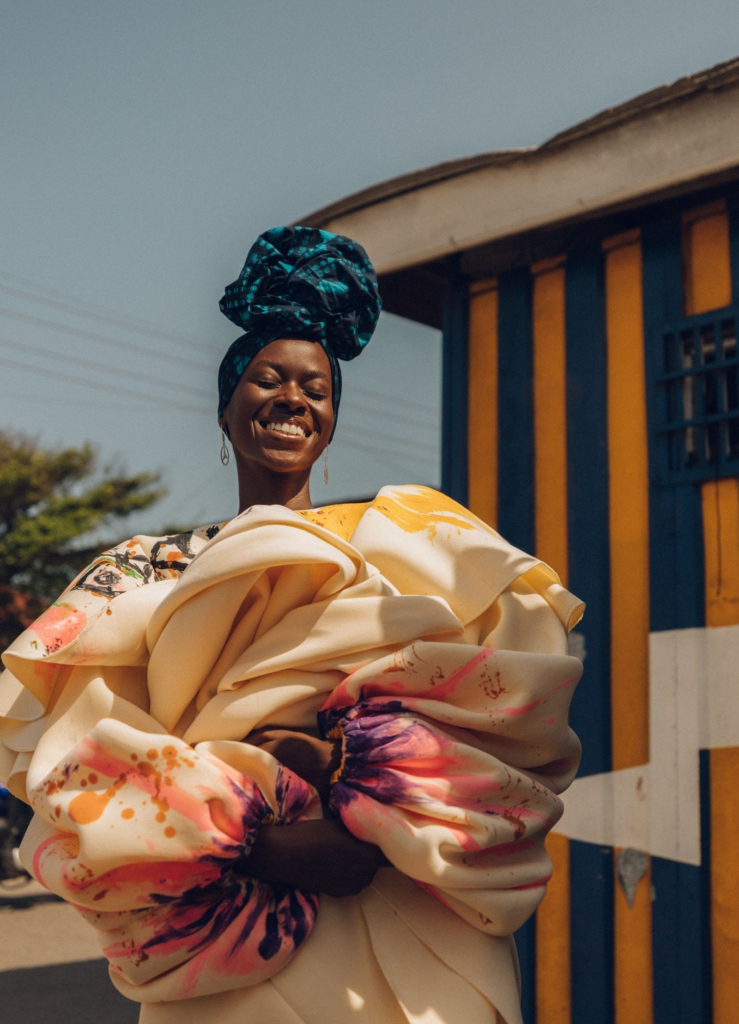
A childhood spent watching seamstresses at work in Axim has become the creative foundation of Steve French’s fashion identity.
Today, the Ghanaian designer is transforming those early memories into contemporary womenswear, using fabric, abstract painting and storytelling to give traditional influences a new artistic expression.
Originally from Axim in Ghana’s Western Region and now based in Accra, French developed an interest in fashion at just seven years old.
His earliest creative experiments involved drawing cartoon characters such as Mickey and Minnie Mouse, with particular attention to what they wore. That childhood fascination eventually grew into a fashion label, established in 2016.
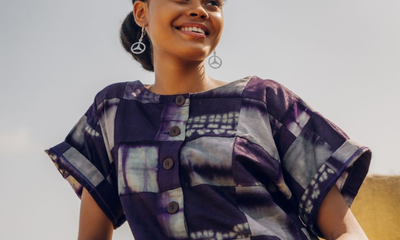
French’s designs celebrate the female form through feminine gowns, flowing skirts, expressive prints and bold colours.
His approach combines cultural references with contemporary design, creating clothes that reflect his Ghanaian identity while exploring new artistic possibilities.
His latest collection draws heavily on memories of growing up around seamstresses in Axim. Inspired by the stories and traditions passed down through those encounters, he experimented with neoprene and abstract painting, translating personal narratives into images on tops, skirts and dresses.
Beyond aesthetics, French sees fashion as an opportunity to create meaningful economic and social connections.
He works with local artisans, believing that clothing should benefit not only the person wearing it but also the people producing it and the communities behind the craft.
His creative outlook has also evolved through periods of stillness and reflection. He now finds inspiration in everyday Ghanaian life, from roadside traders to music and ordinary encounters.
For French, fashion is both a personal inheritance and a community responsibility, proving that childhood memories and local craftsmanship can become powerful foundations for contemporary African design.


Managing Diabetes Starts with Self-Compassion, Not Self-Criticism

Sunshine and Vitamin D: Why Your Body Needs More Than Just a Little Daylight

Europe Faces Wave of Hoax Bomb Threats Amid Growing Fears of Hybrid Warfare
-

 Global Update2 days ago
A New COVID-19 Variant is Raising Interest as Cases Increase in Parts of the World
-

 Ghana News2 days ago
Ghana Unveils New Cedi Notes Featuring Nkrumah, Kofi Annan and Trailblazing Women
-

 Ghana News2 days ago
Ghanaian Regulators Test Local Innovator’s Plastic-Derived Fuel, Finds Petrol and Diesel Fall Short of Required Standards
-

 Ghana News2 days ago
Ghana Coconut Shipment Used to Conceal 2.6 Tons of Cocaine Bound for Europe
-

 Health & Wellness2 days ago
Flu Prevention Starts at Home: Five Everyday Habits That Protect Your Family
-

 Ghana News2 days ago
Javits Frimpong’s Murder: One Suspect Arrested, Two Still Wanted as Bullying Questions Remain Unanswered
-

 Reels & Social Media Highlights2 days ago
Heritage Notes and Heartbreak: Ghana’s Social Media Mood on November 12
-

 Ghana News20 hours ago
Ghana Targets Industrialization in 2027 as $10 Billion Economic Transformation Plan Unveiled in 2027 Budget