
Ghana News
Starlink satellite internet Access at Luta D/A Basic School Is Redefining Rural Education

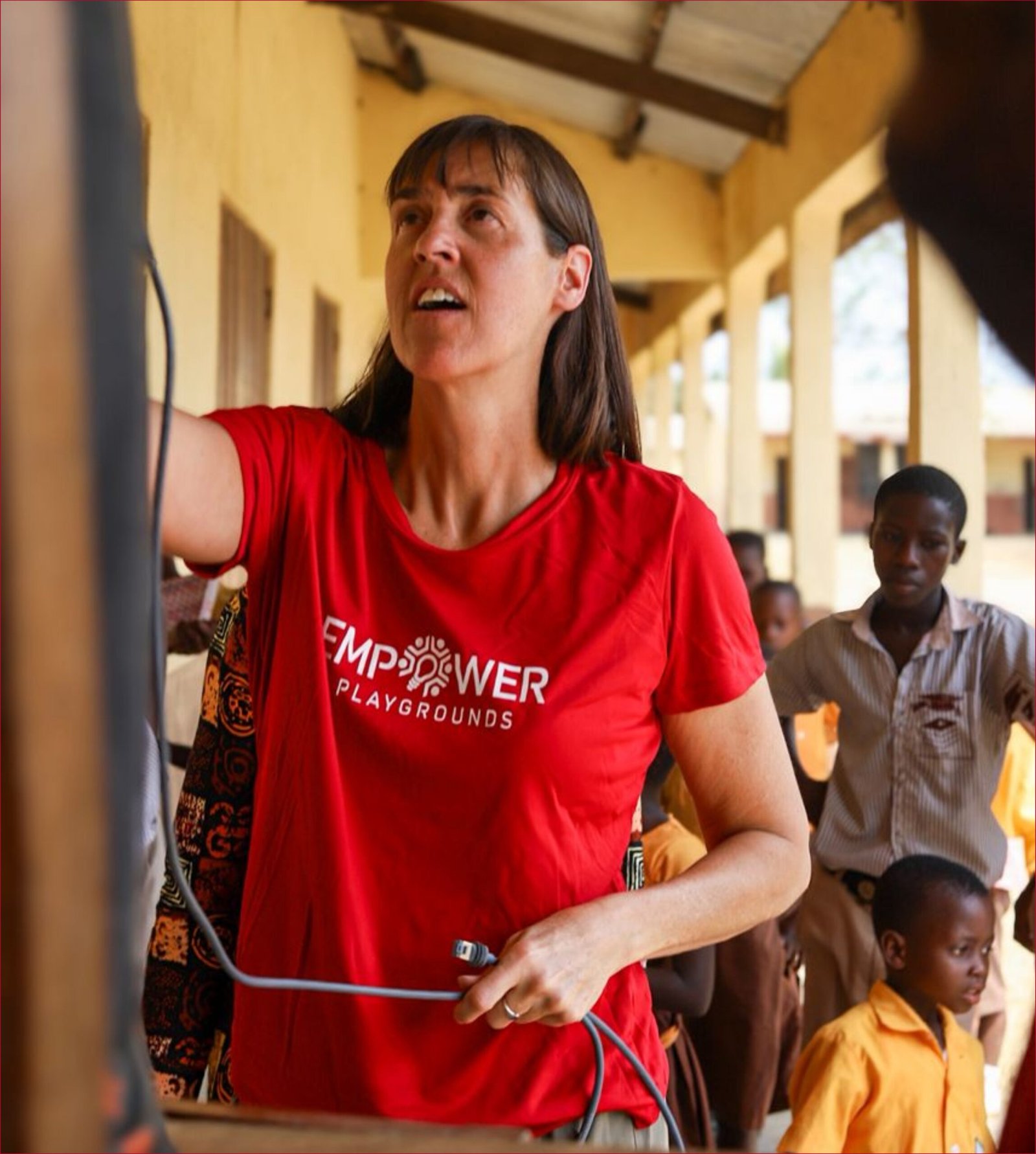
Across rural Ghana, the digital divide remains one of the most persistent barriers to quality education.
While students in urban centers increasingly benefit from online learning tools, digital resources, and seamless communication, many rural schools continue to operate without reliable internet access, placing them at a structural disadvantage from the very start.
The absence of connectivity affects more than just learning materials. It limits access to information, disrupts administrative processes, isolates teachers, and reinforces educational inequality between rural and urban communities. For students, it often means fewer opportunities to explore, research, and learn beyond the classroom.
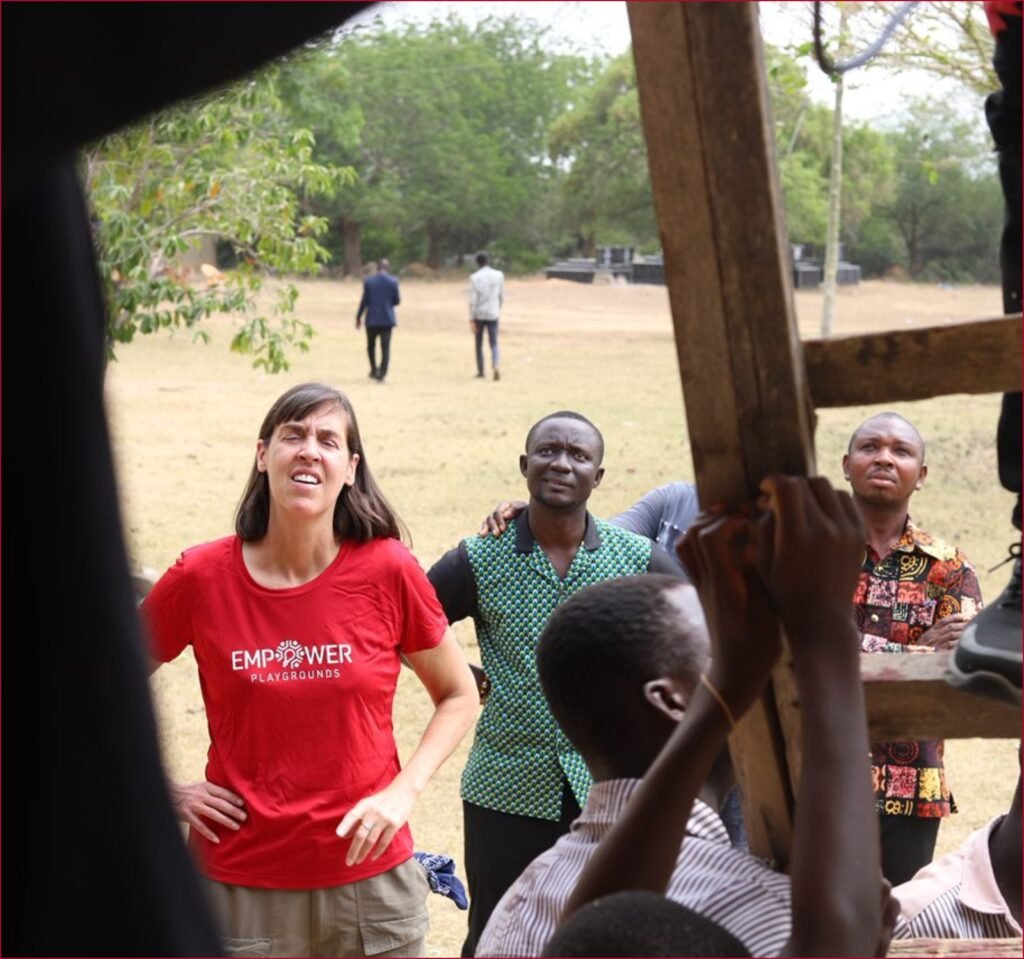
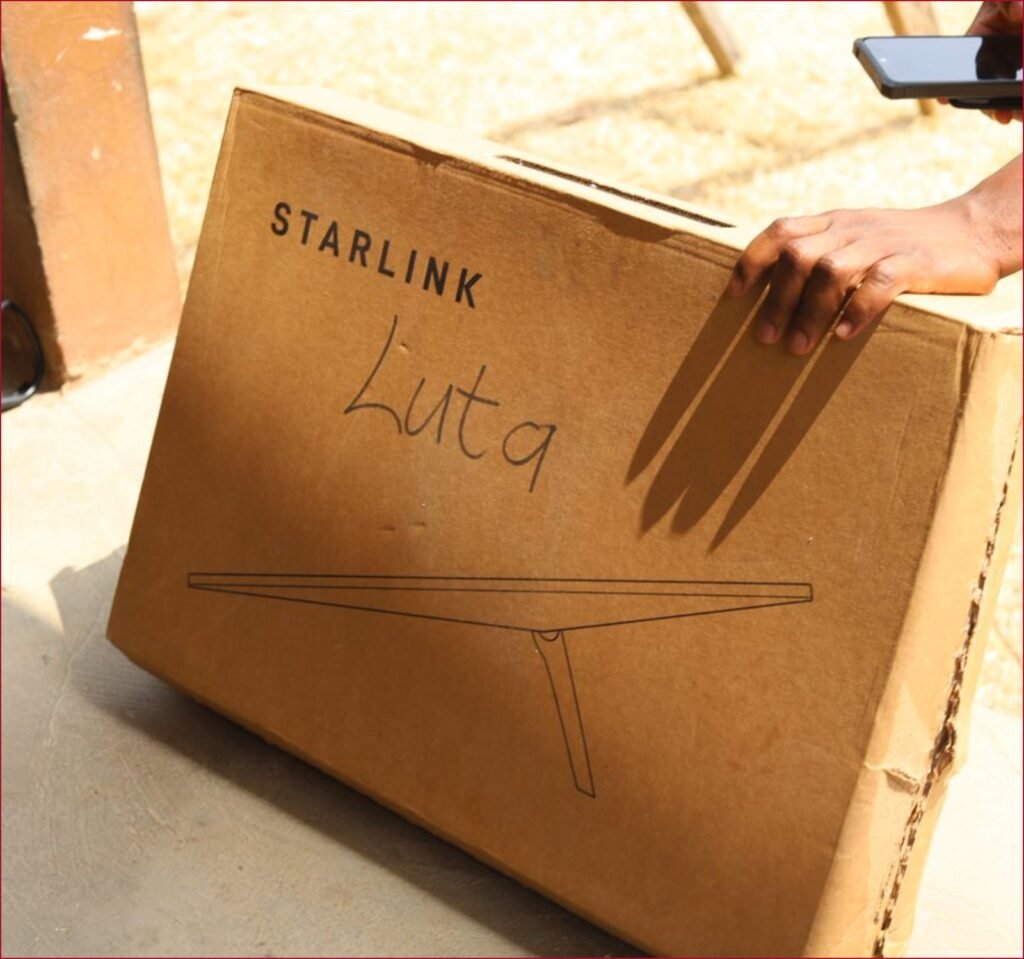
At Luta D/A Basic School, this long-standing challenge is now being addressed through the installation of Starlink satellite internet, a move that represents a step toward equity.
By providing reliable internet access, the school is now better positioned to offer students learning experiences closer to those available to their peers in urban areas. Digital access creates opportunities for research, exposure to new ideas, and engagement with educational content that was previously out of reach.
For the students, the impact is immediate and personal. “We are excited because now we can do a lot more research and learn better,” one student shared.
This access helps level the playing field, ensuring that where a child lives does not determine the quality of education they receive.
Beyond student learning, internet access plays a critical role in supporting teachers who work in rural and nearly off-grid communities.
For over ten years, current teachers at Luta D/A Basic School faced serious connectivity challenges. Essential professional tasks such as online verifications and updates required by education authorities, often meant traveling long distances to Ada or Sege, at personal cost and inconvenience.
Even staying in touch with family was difficult. Teachers had to travel to a location known as “cobra spot”, an area with frequent snake sightings, just to find enough network coverage to make a phone call.
“With this installation, all of that is going to be a thing of the past,” a teacher noted.
Speaking on the broader implications, Angela Trego, a board member of Empower Playgrounds, emphasized that infrastructure like internet access is key to improving teacher retention in rural schools.
Providing reliable connectivity, she explained, helps make rural postings more sustainable and attractive, encouraging teachers to remain in these communities rather than seek transfers to urban areas.
With connectivity now in place, the quality of teaching and learning at Luta D/A Basic School is expected to improve significantly.
Teachers can now access online resources, stream educational videos, and integrate digital materials into their lessons, tools that enhance comprehension and engagement in the classroom.
“Teaching is going to improve,” a teacher shared. “Now we will be able to stream educative videos and materials to aid in teaching.”
This installation, carried out as part of Empower Playgrounds’ mission to enhance educational experiences in underserved communities, demonstrates how targeted infrastructure investments can address systemic inequities in education.
At Luta D/A Basic School, internet access is helping close the gap between rural and urban education, supporting teachers, empowering students, and moving the community closer to a future where opportunity is not defined by geography.



Ghana News
French Customs Seize $260 Million of Cocaine Hidden in Plastic Waste from Ghana at Dunkirk Port
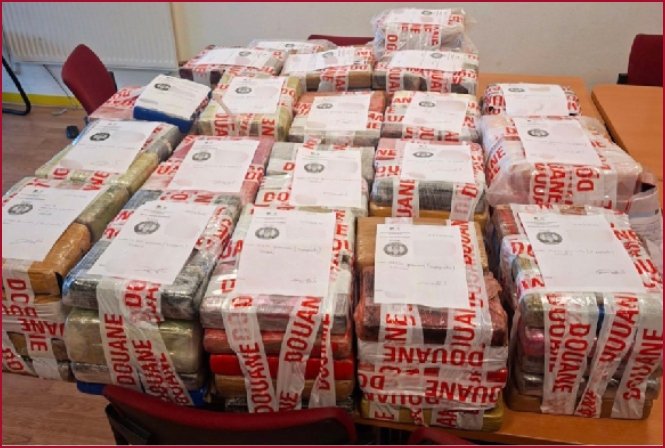
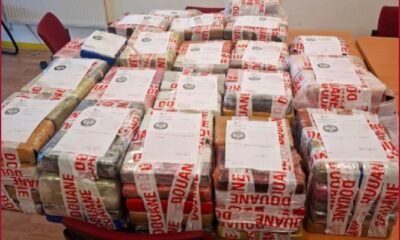
French customs officers have seized nearly 3.9 metric tons of cocaine with an estimated street value of €225 million ($261.45 million) at the northern port of Dunkirk, in one of the largest drug busts in recent French history, the French organized crime prosecutor’s office announced Thursday.
The cocaine was concealed inside a container of plastic waste arriving from Ghana, according to authorities. The shipment was initially destined, in part, for Antwerp, Belgium — a major European hub for narcotics trafficking.
Investigation and Charges
The cocaine has since been destroyed, and the French prosecutor has opened a formal investigation. France’s judicial police had been targeting the criminal network alleged to be behind the shipment before the seizure took place.
Charges under investigation include the organized importation of narcotics and participation in a criminal association, offenses that carry penalties of up to 10 years’ imprisonment under French law.
A Growing Trend in European Drug Trafficking
The record seizure underscores the growing challenge European authorities face as criminal networks increasingly exploit West African trade routes to smuggle narcotics into the continent. Ghana has emerged as a key transit point for cocaine produced in South America and destined for European markets.
The concealment method — hiding drugs within legitimate cargo shipments — is a common tactic used by trafficking organizations to evade detection at ports. The plastic waste shipment would have appeared routine to customs officials without targeted intelligence.
France’s Broader Drug Seizure Statistics
The Dunkirk operation is part of a broader escalation in French customs enforcement. In 2025, French customs seized 108.81 tonnes of narcotics across the country, covering all drug types, with an estimated total value of €2.197 billion. The latest seizure adds to an already significant year for French drug interdiction efforts.
Regional and International Implications
The fact that the shipment was destined for Antwerp highlights the interconnected nature of European drug trafficking networks. Antwerp has become one of Europe’s primary entry points for cocaine, with criminal gangs increasingly using smaller ports like Dunkirk as alternative routes to avoid heightened security at larger hubs.
The involvement of Ghana as the origin point also raises concerns about West Africa’s role in the global drug trade. The region has become a major transit corridor for cocaine flowing from South America to Europe, with criminal networks exploiting weak border controls and corruption in some countries.
French authorities have not yet announced any arrests in connection with the seizure, but the investigation remains ongoing. The destruction of the cocaine suggests authorities prioritized eliminating the narcotics from circulation rather than preserving it as evidence, though samples may have been retained for prosecution purposes.
Global Context
The seizure comes amid heightened international cooperation against drug trafficking, with European Union member states increasingly sharing intelligence and coordinating operations. The street value of the seized cocaine — over $260 million — represents a significant financial blow to the criminal network behind the shipment.
For Ghana, the incident highlights the need for strengthened port security and international cooperation to prevent the country from being used as a transit point for narcotics. The Ghanaian government has not yet issued a statement on the seizure.
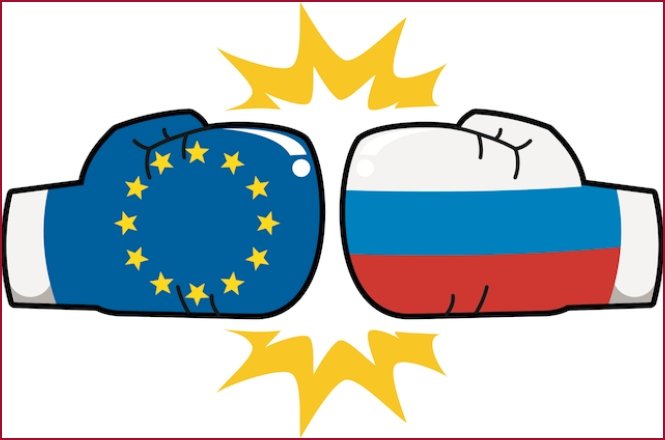
The European Union has launched a pointed diplomatic offensive in Ghana, using Ukraine’s 35th Independence Day commemoration as a platform to directly challenge Russia’s credibility as a partner to the West African nation.
The move signals a new, more assertive phase in the geopolitical competition for influence across Africa, a contest increasingly being described as a “new scramble for the continent.”
EU Ambassador to Ghana, Rune Skinnebach, used the high-profile event in Accra to deliver a blistering assessment of Russia’s track record, citing broken promises, deadly recruitment schemes, and unfulfilled billion-dollar commitments. His remarks represent Brussels’ most direct challenge yet to Moscow’s growing footprint in Ghana.
The “Cannon Fodder” Allegation
At the heart of Skinnebach’s critique was the alleged illegal recruitment of young Ghanaians to fight alongside Russian forces in Ukraine. He described the practice as a “classic example” of Russia’s unreliability.
“The illegal recruitment of young Ghanaians to fight alongside Russian forces has gone on for far too long,” Skinnebach stated. “Russia is neither a reliable nor credible partner to Ghana.”
The scale of the tragedy has been devastating. Ghana’s Foreign Affairs Minister, Samuel Okudzeto Ablakwa, disclosed in August that 62 Ghanaian nationals had been killed and 15 others remained missing after being lured to Russia. Reports indicate some recruits were used as “cannon fodder” on the frontlines.
The issue gained wider international attention when Amnesty International, in a September 10, 2026, briefing, disclosed that Russia had recruited thousands of foreign nationals—including people from low-income countries—using “deceptive, coercive and exploitative practices.” Recruits were allegedly lured by promises of civilian employment, high salaries, legal status, or Russian citizenship before being sent to fight in Ukraine.
The $13.5 Billion in Broken Promises
Skinnebach did not stop at the recruitment scandal. He listed a series of major bilateral commitments that he said Russia had failed to deliver:
- The Rosatom Nuclear Project: A proposed nuclear power station involving Russian specialists and the training of Ghanaian personnel. It remains stuck at the cooperation and development stage, with only a memorandum of understanding signed between Ghana’s Atomic Energy Commission and Rosatom.
- The $1 Billion Russia Export Centre: Announced in 2018 to support Russian companies investing in Ghana and Ghanaian businesses seeking to trade with Russia. The funds were never disbursed.
- The $12.5 Billion Railway Project: A 2022 proposal by Russian company Geo Services to redevelop Ghana’s railway network, connecting Accra to Paga. The project never materialized.
“Promises are easy. Delivery is what counts,” Skinnebach said. “This is worth remembering when Russia presents itself as a champion of African interests.”
The Trade Paradox
Despite the diplomatic friction, Ghana-Russia bilateral trade has grown significantly. Trade volumes rose from $247 million in 2022 to over $800 million in 2024, driven by Russian exports of fertilizers, machinery, and grain, alongside Ghanaian exports of cocoa, gold, and agricultural products.
This paradox—growing trade alongside broken promises—underscores the complexity of Ghana’s position. Accra has maintained a policy of non-alignment, seeking to balance its relationships with Western powers and Russia while protecting its economic interests.
“Non-Alignment Does Not Equate Indifference”
Skinnebach acknowledged Ghana’s longstanding commitment to non-alignment but argued that the policy should not be interpreted as indifference to violations of international law.
“We respect Ghana’s position on non-alignment, but non-alignment does not equate indifference,” he said. “We do not ask Ghana to join the camp, we ask Ghana and all like-minded partners to stand up for principles that protect every country, large or small.”
The Ambassador also called for continued international pressure for the return of Ukrainian children whom Ukraine and its international partners say have been unlawfully deported or forcibly transferred by Russia. He described how thousands of Ukrainian children have been subjected to Russian patriotic and military-orientated education, with procedures in place to grant them Russian citizenship.
“Think about what that means,” he added.
The Broader Context: A New Scramble for Africa
Skinnebach’s remarks come amid a broader geopolitical realignment across Africa. Russia has deepened its footprint in the Sahel, where military juntas in Mali, Burkina Faso, and Niger have severed ties with Western partners and embraced Moscow’s Africa Corps. The Kremlin has also expanded its diplomatic and economic engagement across the continent, positioning itself as an alternative to Western powers.
The EU, meanwhile, is seeking to counter this influence through a combination of economic investment, diplomatic engagement, and principled advocacy for international law. The bloc has launched initiatives such as the Global Gateway strategy, which aims to mobilize €300 billion in infrastructure investment across Africa by 2027.
But the competition is not just about money. It is about values, governance, and the rules-based international order. Skinnebach’s speech was a clear signal that Brussels is willing to name and shame Moscow when it perceives Russian actions as harmful to African nations.
What It Means for Ghana
For Ghana, the EU’s assertive stance presents both opportunities and challenges. On one hand, closer alignment with the EU on principled issues could unlock greater investment and trade benefits. On the other, Ghana must navigate its relationships carefully to avoid being drawn into a geopolitical confrontation that could jeopardize its economic ties with Russia.
President John Dramani Mahama has maintained a pragmatic foreign policy, stressing Ghana’s non-aligned status while seeking partnerships that deliver tangible benefits. Whether Brussels’ message resonates with Accra—and whether it translates into concrete action—remains to be seen.
What is clear is that the “new scramble for Africa” is no longer just about resources. It is about values, influence, and the future of the continent’s place in a rapidly changing global order. And in that contest, the EU is determined to make its voice heard.
Ghana News
‘A Solemn Covenant With the People’: Mahama Charges New Justices to Guard Ghana’s Constitution

President John Dramani Mahama has sworn in three new Justices of the Supreme Court, charging them to uphold the Constitution with independence, integrity, and courage, in a ceremony that underscored the critical role of the judiciary in safeguarding Ghana’s democracy.
Justice Sophia Rosetta Oduokunwa Bernasco-Essa, Justice Edward Amoako Asante, and Mr. Anthony Forson Jnr. took the judicial oath at a ceremony at the Presidency on Friday, following their approval by Parliament.
The event was attended by Vice President Naana Jane Opoku-Agyemang, Chief Justice Gertrude Torkornoo, Justices of the Superior Courts, members of the Judicial Council, Parliament, and the Ghana Bar Association.
“Consequential, Not Ceremonial”
In his address, President Mahama described the elevation of the three Justices as one of the highest responsibilities in Ghana’s constitutional democracy, warning them that the oath they had taken was not a mere formality.
“The oath you have taken today is consequential, not ceremonial. It is a solemn covenant with the people of Ghana,” the President said.
He noted that the Supreme Court occupies a unique place in safeguarding the Constitution, settling questions of national importance, and shaping the evolution of Ghanaian law. He emphasized that the authority of the Court rests not on political power but on the confidence of citizens that justice will be administered independently, impartially, and strictly according to law.
“The authority of the Court rests not on political power but on the confidence of citizens that justice will be administered independently, impartially and strictly according to law,” Mahama stated.
A Bench of Distinct Perspectives
President Mahama said each Justice brings a distinct perspective that will enrich the work of the Supreme Court.
He described Justice Bernasco-Essa as an accomplished appellate judge whose extensive experience in the practical administration of justice would strengthen the quality and consistency of the Court’s decisions.
Justice Asante, he noted, combines national appellate experience with distinguished service as former President of the ECOWAS Court of Justice, bringing valuable expertise in regional integration, treaty obligations, and human rights jurisprudence.
For Mr. Forson Jnr., the President said his transition from private legal practice and leadership of the Ghana Bar Association adds the practical perspective of citizens, businesses, and institutions that seek justice before the courts.
A Historic Elevation
Justice Edward Amoako Asante’s appointment is particularly notable. His tenure as President of the ECOWAS Court of Justice provides a rare blend of national and regional judicial experience. His expertise in treaty obligations and human rights jurisprudence is expected to deepen the Supreme Court’s deliberations on matters of regional and international law.
Mr. Anthony Forson Jnr.’s move from the presidency of the Ghana Bar Association to the Supreme Court is a significant transition that brings the practical perspective of private legal practice directly to the apex court. His experience representing citizens, businesses, and institutions will inform the Court’s understanding of the real-world implications of its decisions.
Justice Sophia Rosetta Oduokunwa Bernasco-Essa’s elevation adds to the growing number of women on Ghana’s Supreme Court, a development that reflects broader efforts to enhance gender diversity in the judiciary.
A Defining Moment for Judicial Independence
President Mahama’s charge to the new Justices comes at a critical time for Ghana’s judiciary. The Supreme Court is expected to adjudicate on matters of national importance in the coming years, including electoral disputes, constitutional interpretation, and cases involving the balance of power between the executive, legislature, and judiciary.
The President expressed confidence that the varied experiences of the three Justices would deepen deliberations at the Supreme Court and contribute to the continued development of Ghana’s jurisprudence.
“The oath you have taken today is consequential, not ceremonial. It is a solemn covenant with the people of Ghana,” Mahama reiterated, underscoring the gravity of the moment.
As Ghana’s apex court welcomes its newest members, the nation watches with expectation that the promise of independence, integrity, and courage will be fulfilled in every judgment delivered.


French Customs Seize $260 Million of Cocaine Hidden in Plastic Waste from Ghana at Dunkirk Port

Trusted Security Guard Remanded Over Alleged Murder of Respected Elderly Couple

The New Scramble for Africa: How the EU Is Countering Russian Influence in Ghana
-

 Ghana News2 days ago
Top Headlines From Ghanaian Newspapers: Friday, Sept. 11, 2026
-

 Ghana News2 days ago
Boeing Projects 75,000 New Aviation Jobs for Africa: Here’s How Young People Can Tap In
-

 Ghana News2 days ago
‘A Solemn Covenant With the People’: Mahama Charges New Justices to Guard Ghana’s Constitution
-

 Festivals & Events2 days ago
Accra Welcomes Cave_bureau for a Powerful Conversation on Earth, Memory and Architecture
-
 Health & Wellness2 days ago
Forget the Fitness Hype: The Power of a Daily Walk
-
 Ghana News23 hours ago
The New Scramble for Africa: How the EU Is Countering Russian Influence in Ghana
-
 Global Update22 hours ago
Trusted Security Guard Remanded Over Alleged Murder of Respected Elderly Couple
-
 Ghana News22 hours ago
French Customs Seize $260 Million of Cocaine Hidden in Plastic Waste from Ghana at Dunkirk Port