
Festivals & Events
Looking for a Different Night Out in Accra? Try Open Canvas


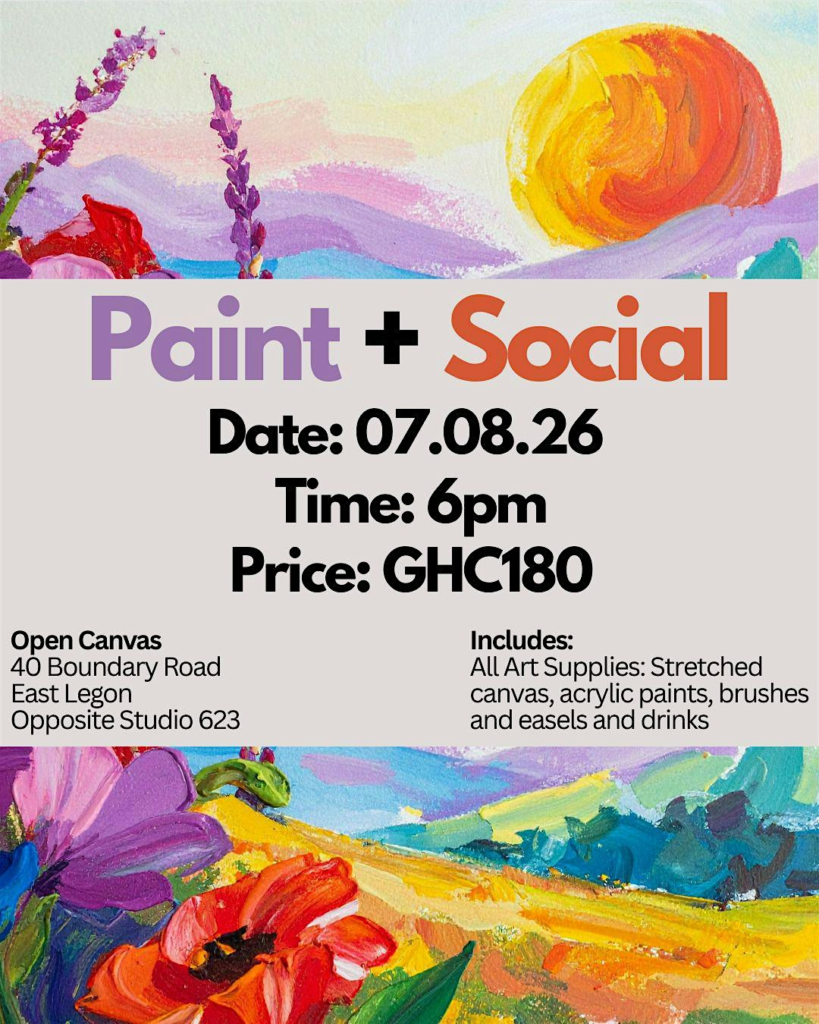
Accra has no shortage of places to eat, dance and socialise, but Open Canvas: Paint & Social offers a different way to spend an evening: put a brush in your hand, meet new people and leave with something you created yourself.
A Different Kind of Night Out in Accra
Hosted by Open Canvas Ghana in East Legon Annex, the event is designed less like a formal art class and more like a relaxed creative gathering.
Running from 6 pm to 8 pm, it welcomes experienced painters, complete beginners, friends, couples and solo visitors.
There is also a broader social appeal. In a city where work, traffic and busy schedules can easily dominate everyday life, creative gatherings such as this create room for conversation and connection.
Participants are encouraged to chat, mingle and make new acquaintances while working on their paintings.
Painting Without the Pressure
The evening is led by a professional resident artist who guides participants through the featured painting step by step. Instead of expecting guests to arrive with artistic experience, the process is broken down into simple shapes and manageable stages.

All the essential materials are provided, including a stretched canvas, acrylic paints, brushes and easels. Each guest also receives a complimentary drink, while additional snacks and drinks can be purchased throughout the evening.
The atmosphere is deliberately informal. There is no pressure to produce gallery-quality art or compete with anyone else. The real attraction is the experience of creating something while enjoying good company.
A Creative Experience for Visitors and Locals
For international visitors exploring Accra, Open Canvas offers an easy way to experience the city’s contemporary social and creative scene beyond conventional sightseeing.
For Ghanaians, it presents an opportunity to slow down, meet people and reconnect with creativity in an informal setting.
And there is a satisfying souvenir at the end: your own finished painting to take home.
Whether you arrive with friends, come on a date or walk in alone, the evening promises something increasingly valuable in a busy city—a few hours to create, connect and simply enjoy yourself.


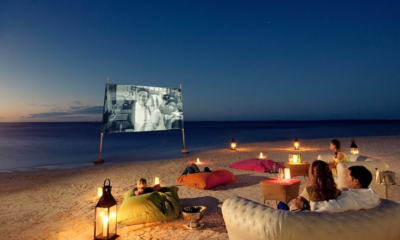




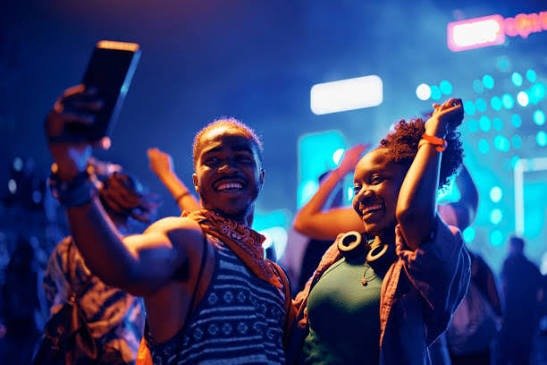
As the festive season winds down, Accra has one more reason to stay awake. Live in Ghana – MaddFest arrives at Alora Beach Resort on January 3, 2027, promising six hours of nightlife and celebration for partygoers eager to keep Ghana’s festive spirit alive.
Organised by December in Ghana, an event organiser with experience hosting entertainment events, MaddFest forms part of the social energy surrounding Ghana’s popular festive season, when music, nightlife and gatherings draw locals and international visitors together.
A Night Out by the Beach
Scheduled for Sunday, January 3, from 10 p.m. to 4 a.m., the event offers an opportunity to experience Accra after dark in a beach resort setting.
While specific performers, food offerings and activities have not yet been detailed, the event’s late-night format promises an extended opportunity for guests to socialise and enjoy the city’s entertainment scene.
Ghana’s December festivities have grown into a major attraction for the diaspora and international travellers, with concerts, parties and cultural gatherings creating opportunities to reconnect with home and discover contemporary Ghanaian music and lifestyle.
Events such as MaddFest contribute to this atmosphere, where entertainment becomes a meeting point for different generations and cultures.
Why MaddFest Deserves a Place on Your Calendar
For visitors, MaddFest offers a chance to experience Accra’s nightlife beyond daytime sightseeing.
Ghanaians returning from abroad may also find it an opportunity to reconnect with friends and enjoy the country’s lively entertainment culture.
The event is not presented as a traditional cultural festival, but its social setting reflects the role music, dancing and shared celebrations play in Ghanaian life.
With Alora Beach Resort providing the setting, guests can plan a night out that extends into the early hours of Monday morning.
Whether you are visiting Ghana for the festive season or simply looking for another reason to enjoy Accra, Live in Ghana – MaddFest offers a date worth considering. Check the official event listing for ticket details and announcements before making plans.

When December arrives in Accra, the city begins to move to its own rhythm. Friends reunite, visitors return from abroad, and the nightlife fills with opportunities to meet new people and celebrate.
On December 4, LALID LIVE 2026 will add another gathering to the capital’s festive calendar, bringing guests together at Bloom Bar on Spintex Road.
A Night Out in Ghana’s Capital
Organised by AFROWAVE 2019, LALID LIVE is scheduled for Friday, December 4, from 9 p.m. to 11:30 p.m. The in-person event invites guests to enjoy an evening of entertainment and good company.
Although detailed information about the programme, performers and activities has not yet been provided, the event offers an opportunity to explore Accra’s contemporary social scene during one of the city’s busiest tourism periods.

Ghana’s December celebrations have become an important meeting point for residents, members of the diaspora and international travellers.
Alongside concerts, cultural festivals and nightlife events, these gatherings create spaces for reconnecting with friends, discovering new entertainment and sharing experiences across cultures.
Why Put LALID LIVE on Your Calendar?
For visitors, the event presents a chance to experience Accra beyond its daytime attractions, from historic landmarks to markets and galleries. Spending an evening at a local entertainment venue can offer a different perspective on how the city socialises and welcomes guests.
For Ghanaians returning home or looking for a night out with friends, LALID LIVE provides another opportunity to connect during the festive season.
Bloom Bar, located on Spintex Road, provides the setting for the gathering. Guests should check the official event listing for ticket information and any announcements about performances or additional activities before attending.
Whether you are visiting Accra for December or simply planning an evening out, LALID LIVE 2026 is worth considering as part of the city’s growing festive programme.
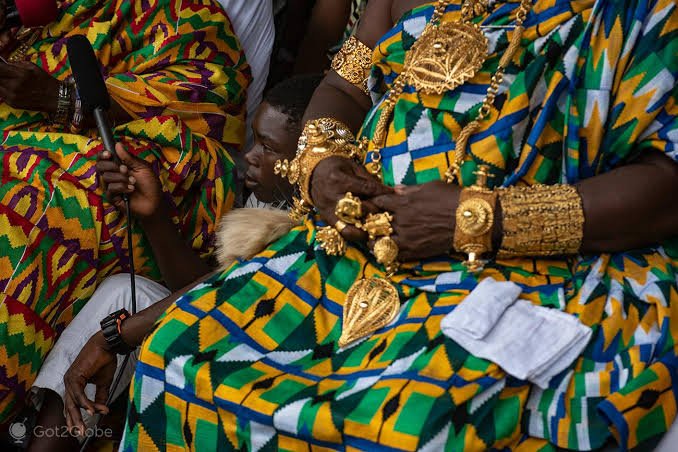
The sound of drums rolls through Atebubu as chiefs arrive in palanquins, traditional clothing brightens the gathering, and the rhythms of dancing and horn blowing fill the air.
In October, the town in Ghana’s Bono East Region takes on a festive spirit as residents and visitors come together for Foyawoo, a celebration marked by hospitality, tradition and communal pride.
One of the festival’s most welcoming features is the reception extended to visitors. Food and drinks are offered as guests join residents in the celebrations, turning the occasion into more than a public spectacle. It becomes an opportunity to share in the warmth of local life and experience the generosity that helps sustain Ghanaian communal traditions.
Royal Processions and Cultural Expression
A colourful durbar of chiefs forms a central attraction. Carried in palanquins, traditional leaders make a striking appearance, reflecting the importance of chieftaincy in Ghanaian society. Chiefs serve as custodians of customary practices and community identity, and their participation gives the gathering a strong sense of continuity between generations.
Drumming, dancing and horn blowing provide the festival’s energetic soundtrack. Traditional attire adds colour and meaning to the occasion, transforming public spaces into a collective expression of identity. For younger generations, such gatherings offer an opportunity to witness cultural practices beyond the home and learn about the traditions that shape their community.
Keeping Atebubu’s Heritage Alive
Although detailed historical accounts of Foyawoo’s origins and specific ritual meanings are not established in the information available, its public celebrations demonstrate the continuing importance of gathering, hospitality and traditional leadership in community life.
Festivals such as Foyawoo also offer visitors a way to discover Ghana beyond its major cities, encountering local customs through music, clothing, food and shared celebration.
For anyone exploring Ghana’s cultural heritage, an October visit to Atebubu offers a chance to experience a community celebration where tradition is not simply remembered but brought to life through the people who sustain it.


Dressing for Your Shape: How Strategic Styling Can Transform Everyday Fashion

The Scale Can Lie: Why Lifting Weights May Help You Lose More Fat

Ghana’s Timeline Erupts: Showboy’s Crude Plea, Asantewaa’s Silence, and a Nation Divided
-

 Ghana News17 hours ago
OBITUARY: Gamal Gorkeh Nkrumah, Son of Ghana’s Founding President, Dies in Cairo
-

 Festivals & Events2 days ago
LALID LIVE 2026: An Evening of Entertainment and Connection in Accra
-

 Sights and Sounds1 day ago
EPP BookShop at Legon: A Destination for Students, Families and Book Lovers
-

 Health & Wellness20 hours ago
Walking Is More Than Exercise: Small Steps That Can Transform Your Health
-

 Festivals & Events15 hours ago
MaddFest 2027: Welcome the New Year with a Night of Celebration in Accra
-
 Taste GH2 days ago
From Waakye to Fufu: How to Enjoy Ghanaian Food and Eat Well
-
 Homes & Real Estate1 day ago
Building Smarter in Ghana: Could Plastic Rebar Clips Improve Construction Efficiency?
-
 Arts and GH Heritage21 hours ago
Inside Togo’s Abandoned Colonial Building, African Artists Reclaim Cultural Memory