
Tourism
Ghana Debuts Bold ‘Accra By Night’ in Push for a 24-Hour Tourism Economy


Ghana has officially stepped into the night-time tourism arena with the launch of “Accra By Night,” a new initiative designed to showcase the capital’s cultural landmarks, bustling street life and emerging late-night economy.
The program, led by the Ghana Tourism Development Company (GTDC) in partnership with the Ministry of Tourism and the Ghana Tourism Authority, aims to reposition Accra as a global night-time destination.
The inaugural tour—conducted aboard a double-decker bus—took participants on a sweeping route through some of the city’s most historic and vibrant areas. Beginning at the Ghana Tourism Information Centre, the nighttime journey wound through Independence Avenue and the Ministries enclave before making key stops at Jamestown Lighthouse, the Kwame Nkrumah Memorial Park, Nationalism Park, and the lively Osu Night Market, where guests sampled street food and browsed artisanal goods. The experience ended in Osu’s nightlife district with stops at local favorites such as the Republic Bar and Purple Pub, stretching into the early hours of the morning.
Security escorts were stationed along the route to ensure a safe and comfortable experience—an important gesture as the country promotes growth in its after-dark economy.
Tourism Minister Abla Dzifa Gomashie hailed the launch as “a significant milestone in Ghana’s tourism evolution,” calling it both a cultural celebration and a strategic economic opportunity. She explained that the initiative aligns with President John Dramani Mahama’s 24-hour economy vision, which calls for industries—including tourism—to expand beyond daytime operations.
“Accra by Night is more than a tour,” Gomashie said. “It’s a platform to highlight our creative economy and open new opportunities for visitors, artists and service providers.”
GTDC CEO Professor Kobi Mensah added that the initiative also challenges long-held stigma surrounding the night economy.
“As tourism leaders, we must find ways to plug into the 24-hour vision. This night tour is one of the most practical ways to start shifting public perception and expanding the sector,” he said.
With its blend of history, food, music, and community energy, Accra By Night positions the Ghanaian capital among world cities actively cultivating vibrant and safe after-hours tourism.
Global travel analysts say such initiatives not only increase visitor spending but strengthen cultural visibility—offering Ghana a promising foothold in the expanding global night-time economy.








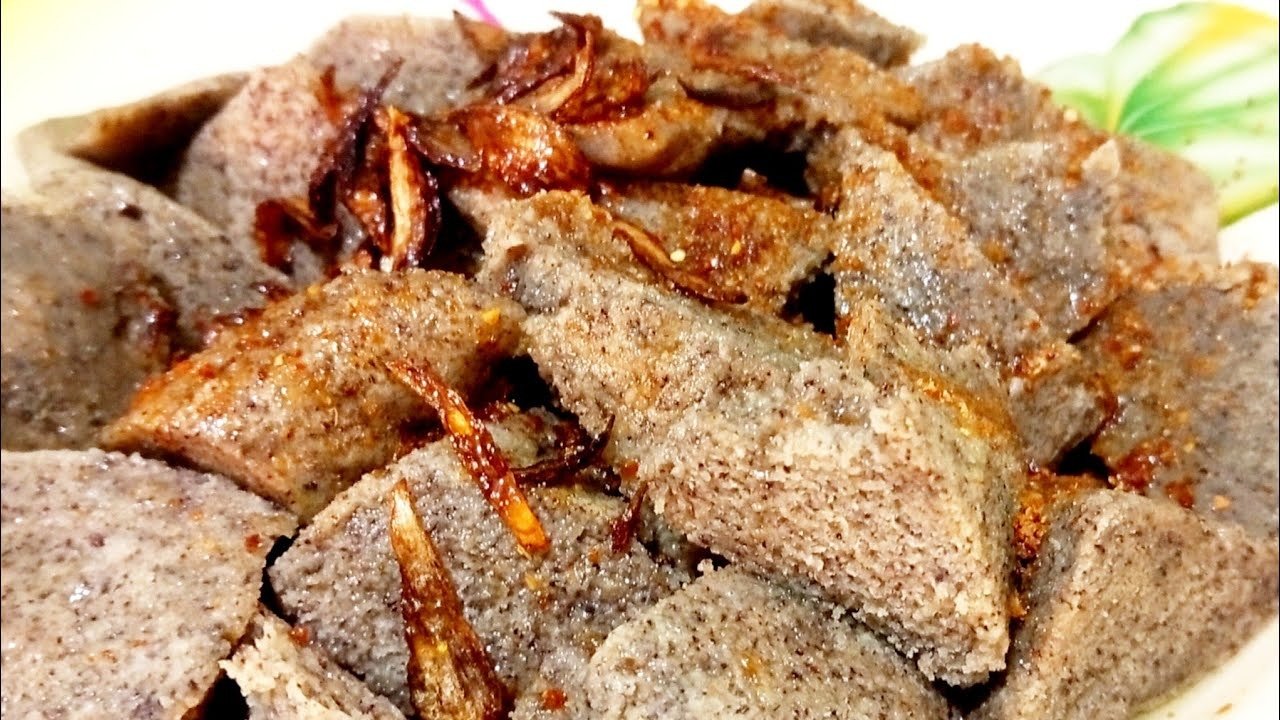
The first spoonful of Tubaani Beans carries more than the comfort of a good meal—it carries the taste of Northern Ghana, where beans, rice and groundnut oil come together in a dish rooted in everyday life.
While many Ghanaians in the south know rice and beans mainly through waakye, the northern preparation offers a character of its own.
Tubaani Beans can feature local varieties such as Bambara beans and Frafra beans, giving the dish a distinctive texture and earthy depth.
The beans are paired with rice and finished with groundnut oil, whose rich, nutty aroma adds warmth to every mouthful.
Then comes the pepper sauce: hot, bright and unapologetic. Its heat cuts through the richness of the beans and groundnut oil, creating a satisfying balance that keeps diners reaching for another spoonful.
For many communities across Northern Ghana, this is more than an inexpensive lunch. It is a practical meal shaped by the crops grown by farming families and the culinary traditions passed from one generation to another.
The beans provide plant-based protein, while the rice supplies energy, making the combination both filling and nourishing.
Its appeal also lies in its simplicity. There are no elaborate ingredients demanding attention; instead, the dish allows humble local produce to speak for itself.
For visitors discovering Ghanaian cuisine, Tubaani Beans offers a delicious introduction to the food culture of the north—a meal that is affordable, deeply familiar and unmistakably tied to the land.
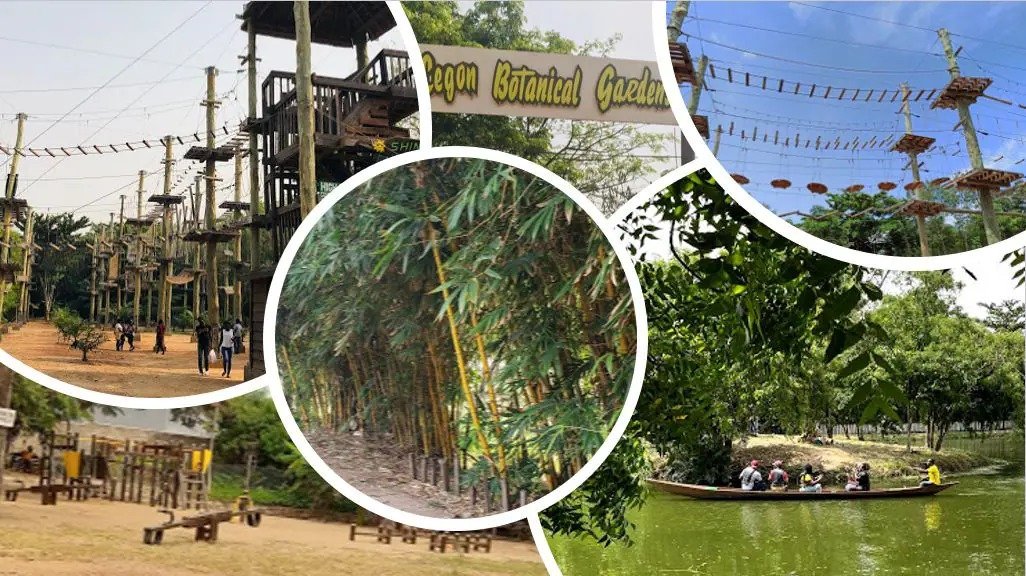
A few minutes can make all the difference in Accra. One moment you’re surrounded by busy roads and constant movement; the next, you’re gliding across a lake, cycling beneath tall trees, or stepping onto a canopy walk high above the ground.
That contrast is what makes Legon Botanical Gardens one of the city’s most rewarding outdoor escapes.
Located beside the University of Ghana in Legon, the gardens have evolved into more than a traditional botanical park.
They offer a rare combination of adventure and quiet reflection, making the space appealing to families, couples, solo travellers and groups of friends looking to experience a different side of Ghana’s capital.
Visitors who enjoy active days can rent bicycles and explore the network of cycling trails that wind through the grounds.
The adventure continues with rope courses and the popular canopy walk, where elevated pathways provide a fresh perspective of the gardens’ lush surroundings.
Those seeking a slower pace will find plenty to enjoy as well. The lake creates a peaceful setting for canoeing or a relaxing fishing session, offering a welcome break from the city’s fast rhythm.
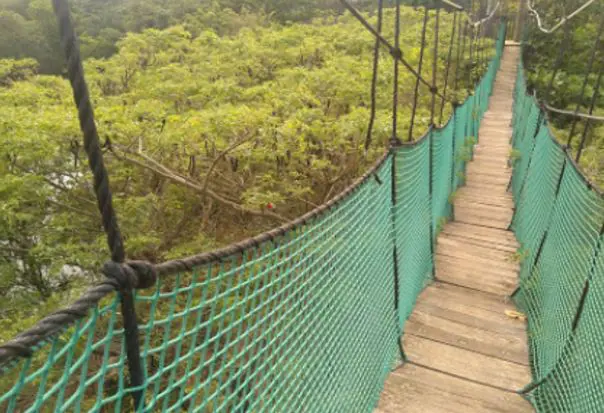
It’s this balance of excitement and calm that gives the gardens their broad appeal, allowing visitors of different ages and interests to share the same space without feeling rushed.
With entry fees starting from GHS 15—while activities are priced separately—the gardens offer an accessible day out for many visitors.
For travellers eager to explore even more of Ghana’s green spaces, the Aburi Botanical Gardens, about an hour’s drive from Accra, provide another scenic option.
But for those staying in the capital, Legon Botanical Gardens proves that sometimes the best getaway is closer than expected.
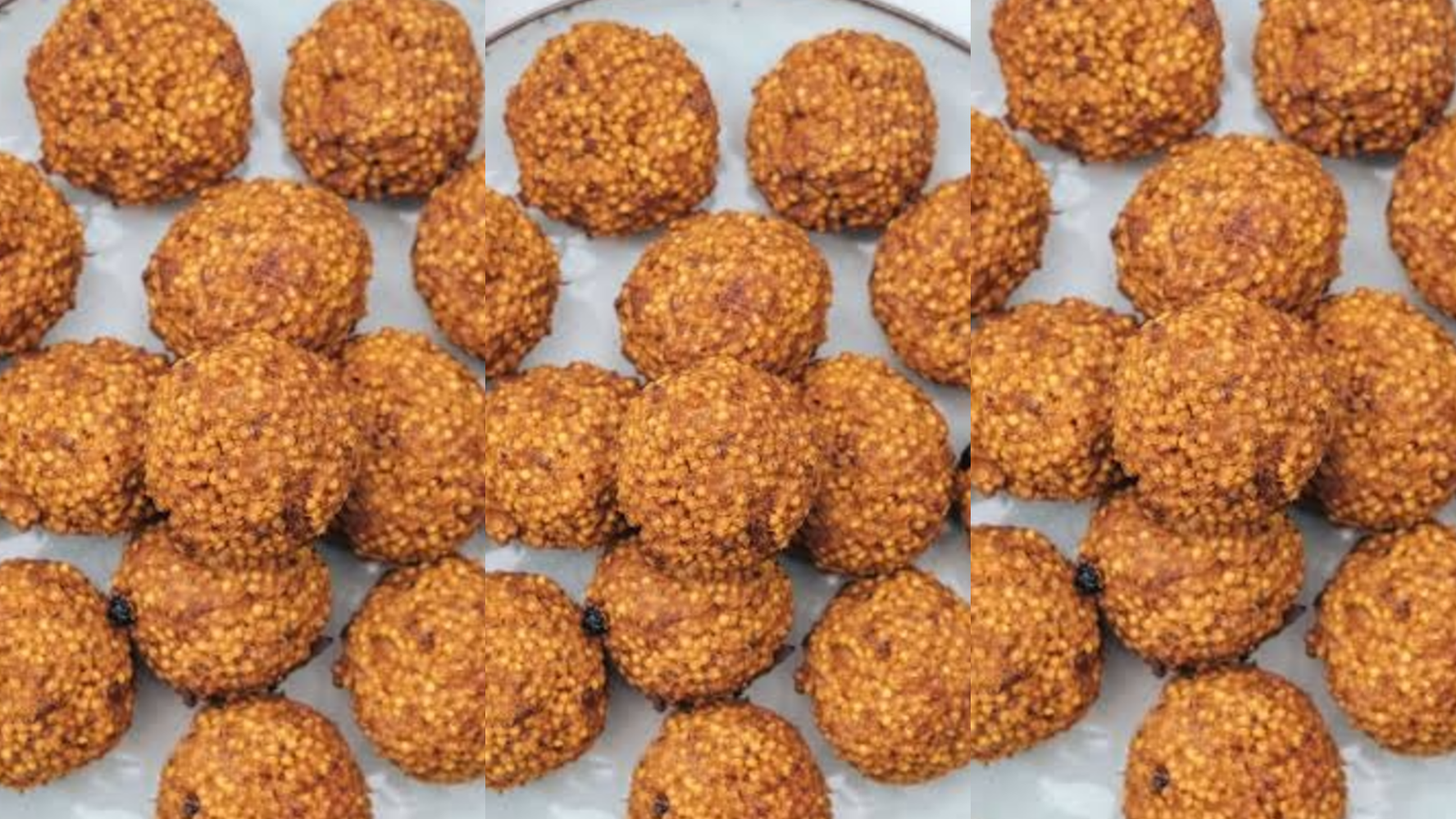
Long before packaged snacks became common, Kapala was already doing the job—fueling long days, satisfying hungry families, and proving that simple ingredients can create remarkable food.
Known across parts of northern Ghana as millet balls, Kapala is made by cooking millet until it reaches a soft, thick consistency before carefully molding it into firm, round balls.
The result is a smooth, dense bite with a gentle nutty flavour that speaks to the grain’s natural earthiness.
It is filling without feeling heavy, making it a favourite for people who need lasting energy throughout the day.
Kapala’s versatility is part of its charm. It can be dipped into steaming bowls of soup, where it absorbs rich flavours while keeping its satisfying texture.
It is equally enjoyable with fresh milk for a lighter meal or paired with a spicy groundnut-based sauce that balances creamy sweetness with a warming kick.
The dish carries deep cultural significance beyond the plate. For generations, farmers have tucked Kapala into their bags before heading to the fields, relying on its portability and staying power through long hours of physical work.
In many ways, it represents Ghana’s traditional version of convenience food—made with care rather than processed for speed.
Its health appeal is just as compelling today. Millet is naturally rich in fibre, minerals and essential nutrients, making Kapala a wholesome choice for anyone looking for sustained energy and a nourishing meal rooted in local ingredients.
For visitors exploring Ghanaian cuisine, Kapala offers something more than a taste of millet. It offers a glimpse into a food tradition built on resilience, practicality and the enduring value of sharing simple meals.



-

 Ghana News1 day ago
Top Headlines From Ghanaian Newspapers: Monday, Sept. 7, 2026
-
 Sights and Sounds2 days ago
Trade Accra’s Traffic for Treetops at Legon Botanical Gardens
-

 Festivals & Events2 days ago
Dzawuwu: The Volta Festival That Celebrates Agave Bravery
-

 Ghana News8 hours ago
How Ghana’s Government Pressured MTN, Telecel, and AirtelTigo to Cut Data Prices
-
 Arts and GH Heritage13 hours ago
The Stories We Live With: Inside Nubuke Foundation’s Weight of the Ordinary
-

 Ghana News9 hours ago
Top Headlines From Ghanaian Newspapers: Tuesday, Sept. 8, 2026
-

 Ghana News8 hours ago
Buckingham Palace Responds to Jamaica’s $10 Billion Reparations Demand, But the UK Government’s Wallet Remains Shut
-

 Health & Wellness2 days ago
Why 500 Sit-Ups a Day Won’t Reveal Your Abs