
Business
Ghana Aims for the Gold Standard: LBMA Certification Quest Set to Reshape Africa’s Bullion Landscape

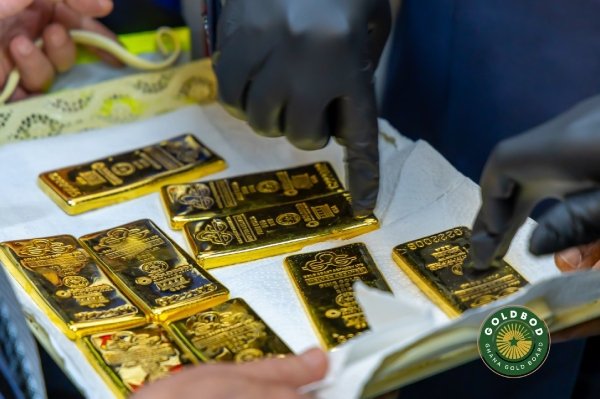
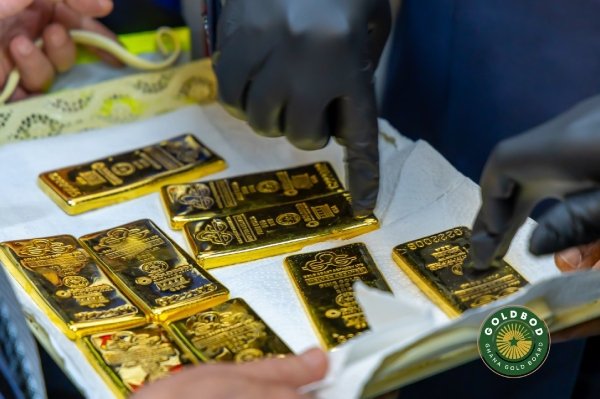
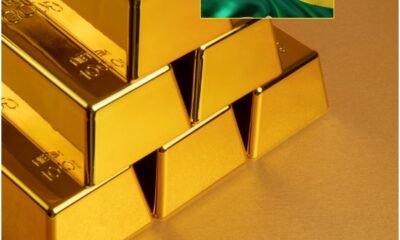
In a secure vault within the Gold Coast Refinery, the first bars of locally refined artisanal gold gleam with more than just intrinsic value.
They represent the cornerstone of Ghana’s ambitious bid to become the first sub-Saharan African nation, outside of South Africa, to produce London Bullion Market Association (LBMA)-certified gold—a move that could position the continent’s top producer as its undisputed gold standard setter.
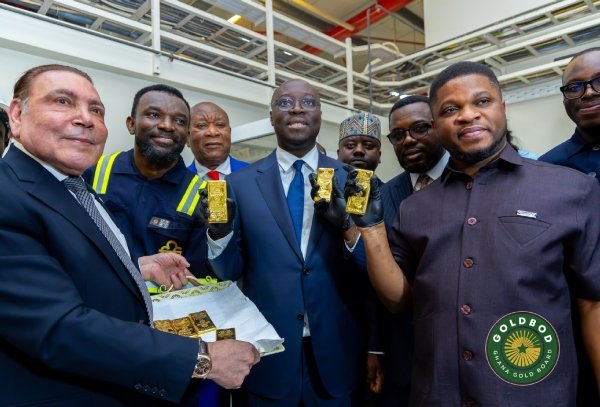
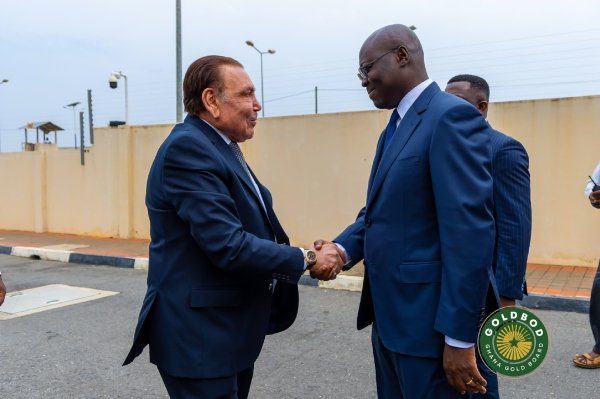
The quest for this prestigious certification was the unspoken headline during a high-profile tour this week, where Finance Minister Dr. Cassiel Ato Forson and Ghana Gold Board CEO Sammy Gyamfi Esq. inspected the historic first batch of refined gold from the artisanal and small-scale mining (ASM) sector.
“This refinery has been tasked to ensure that they obtain an LBMA license,” declared Dr. Forson, standing amidst the refinery’s humming machinery. “So that Ghana, for the first time, will be able to stamp our gold as LBMA approved.”
The statement, seemingly technical, signals a tectonic shift. LBMA’s “Good Delivery” list is the global benchmark for quality and integrity in the gold market. It is a non-negotiable passport for gold to be traded freely on the international terminal markets in London and New York, commanding premium prices and instant trust from central banks and institutional investors.
From Raw Export to Premium Product
For decades, Ghana has been a paradox: the continent’s leading gold producer, yet a net exporter of raw, unrefined precious metal. The vast majority of its gold, particularly from large-scale industrial mines, has been shipped overseas for refining and certification, ceding value, jobs, and critical market control to foreign entities.
The newly operationalized Ghana Gold Board is spearheading a reversal of this model. By aggregating and formalizing gold from the historically informal ASM sector—which contributes nearly one-third of national output—and funneling it directly to the Gold Coast Refinery, Ghana is building a closed-loop, domestic value chain.
“We have the capacity to buy 2.5 tons of gold per week on average. It is our policy to ensure that in the shortest possible time, we will not be exporting raw gold outside this country,” Minister Forson stated.
The refinery, with a capacity of two tons per week, has entered an agreement to refine one ton weekly for the Gold Board, a figure set to scale rapidly.
The Certification Hurdle: Integrity and Traceability
Obtaining LBMA certification is an arduous, multi-year process that scrutinizes more than just purity. It demands an unassailable chain of custody from mine to bar, rigorous anti-money laundering protocols, and consistent production of 99.5% pure gold bars meeting exacting technical specifications.
This is where Ghana’s ASM formalization drive converges with its quality ambitions. The LBMA’s emphasis on provenance and ethical sourcing aligns with the Gold Board’s mandate to bring traceability and regulation to the ASM sector. The government’s next announced policy—a Gold Board-operated fire assay laboratory—directly supports this quest.
“For the first time, all large-scale mining companies will take their gold through fire assay at the Gold Board lab for us to ascertain the true value of our royalties,” Forson explained, highlighting a historic lack of independent verification.
This move not only ensures fiscal transparency for the state but also establishes a national assay standard, a foundational step toward international certification.
Geopolitical and Economic Implications
Success would recalibrate Africa’s gold ecosystem. Currently, South Africa’s Rand Refinery—a technical partner to Gold Coast Refinery—is the only LBMA-listed facility in sub-Saharan Africa. Ghana’s certification would create a rival center of gravity, offering a trusted, locally refined alternative for West African producers like Burkina Faso, Mali, and Ivory Coast.
Economically, it would transform Ghana’s gold from a commodity into a high-integrity financial asset. LBMA-certified gold can be held as premium reserves by the Bank of Ghana, potentially strengthening the currency and national balance sheet. It also creates a magnet for investment in downstream industries like jewelry and high-tech manufacturing, fulfilling the government’s “value addition” mantra.
A Long Road Ahead
Industry analysts caution that the path to LBMA approval is rigorous. “The partnership with Rand Refinery is strategic, providing crucial technical mentorship,” noted Kofi Abebrese, a commodities analyst in Accra. “But consistent volume, unwavering adherence to protocols, and meticulous documentation over a sustained period are what will ultimately convince the LBMA auditors.”
The government appears committed to the marathon. The activation of the refinery and the Gold Board within months of taking office underscores its political priority. By tethering this quest to job creation, a 24-hour economic policy, and capturing lost royalties, the administration has framed LBMA certification not as a technical trophy, but as the keystone of a broader industrial and fiscal revolution.
As the first stamped bars from this new pipeline await their audit, Ghana is betting that its golden future lies not in the earth, but in the integrity of its stamp.











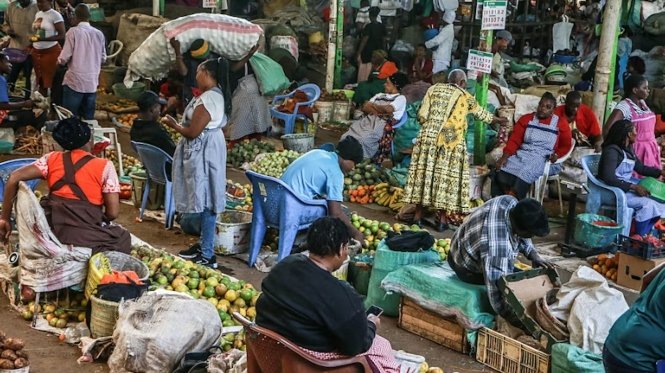
Four leading African and global development institutions have issued a stark joint warning that the escalating Middle East conflict is transmitting economic shocks to Africa faster and more intensely than previous global disruptions, potentially shaving at least 0.2 percentage points off the continent’s GDP growth in 2026 if the crisis lasts beyond six months.
The African Development Bank Group (AfDB), African Union Commission (AUC), United Nations Development Programme (UNDP), and United Nations Economic Commission for Africa (UNECA) released the policy brief on April 2, 2026, on the sidelines of the 58th Session of the Economic Commission for Africa.
The brief highlights surging fuel and food prices, higher shipping and insurance costs, exchange rate pressures, and tightening fiscal space as the main transmission channels.
Oil prices have already risen by 50% since the conflict intensified, while disruptions to the Strait of Hormuz — which handles about 20% of global oil exports — have drastically reduced traffic. The Middle East accounts for 15.8% of Africa’s imports and 10.9% of its exports.
The brief identifies fertilizer supply disruptions as potentially even more damaging than the oil shock for some countries, as reduced Gulf LNG supply affects ammonia and urea production during the critical planting season. Currencies in 29 African countries have already depreciated, raising debt servicing costs and making imports more expensive.
Particularly vulnerable nations include Senegal, Sudan, Cabo Verde, South Sudan, and The Gambia. However, some countries may see limited gains: Nigeria from higher oil prices and refined exports via the Dangote Refinery, Mozambique from LNG opportunities, and ports in South Africa, Namibia, Mauritius, and Kenya from rerouted shipping.
The institutions called for immediate coordinated action, including pooled fuel procurement, emergency food corridors, diversified fertilizer sourcing, and targeted social protection.
In the medium to long term, they urged accelerated renewable energy deployment, deeper AfCFTA integration, and the creation of a Continental Crisis and Resilience Compact focused on energy and food security, financial safety nets, and greater strategic autonomy.
This coordinated alert from Africa’s premier development bodies underscores the urgent need for the continent to move beyond reactive measures toward structural solutions that build long-term resilience against global shocks.
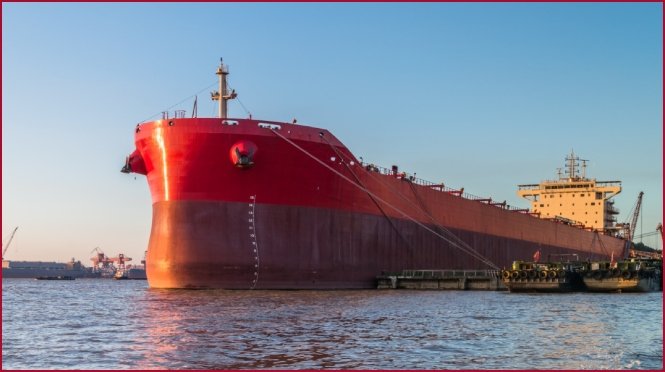
Accra, Ghana – As global fuel markets face severe disruptions from escalating tensions involving Iran and the potential closure of key shipping routes like the Strait of Hormuz, Ghana is emerging as one of the more insulated economies in Africa by diversifying its energy supplies, including through increased imports from Russia.
A tanker carrying approximately 320,000 barrels of refined petroleum products from Russia is currently en route to Ghana’s main oil hub in Tema, per a report by Business Insider Africa. The vessel, Hellas Fighter, loaded at Vysotsk and last tracked passing Mauritania, is expected to arrive on April 6. This shipment reflects Ghana’s pragmatic strategy to widen its supplier base amid uncertainty in traditional supply chains.
President John Dramani Mahama recently stated that Ghana currently has enough petroleum stocks to last about six weeks. Speaking at the World Affairs Council in Philadelphia, he acknowledged that fuel prices affect virtually every sector of the economy but assured that the government is taking steps to cushion the impact and secure additional supplies.
“We are making a real push to ensure that the economy is cushioned,” Mahama said, while expressing hope that “cooler heads will prevail” in the ongoing crisis.
The move toward Russian fuel highlights a broader shift across parts of Africa, where countries are actively diversifying sources to mitigate risks from global shocks, shipping disruptions, and price volatility.
While many sub-Saharan nations remain highly vulnerable due to heavy reliance on imports and foreign exchange constraints, Ghana’s approach demonstrates an effort to maintain stability through strategic sourcing.
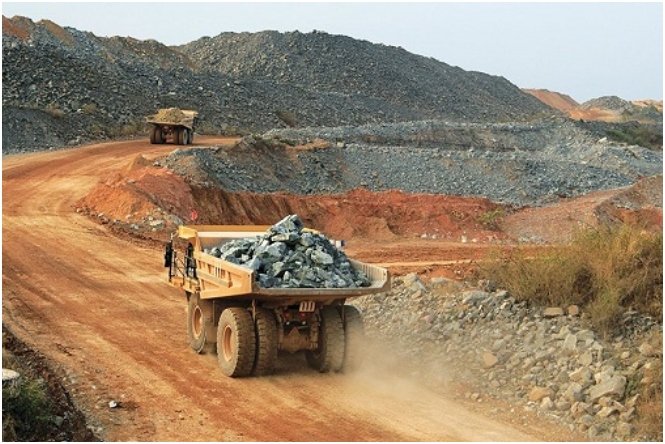
Accra, Ghana – Ghana has limited the tender process for the takeover of Gold Fields Ltd.’s Damang gold mine to companies that are 100% owned by Ghanaian citizens, as the government prepares to assume full control of the asset in April 2026.
The decision, outlined in a notice dated March 24 and signed by Lands and Natural Resources Minister Emmanuel Armah-Kofi Buah, reflects the country’s broader push to increase local ownership and participation in its mining sector. The deadline for submitting offers is Tuesday, March 31, 2026.
Gold Fields, which has operated Damang for nearly 30 years, saw its mining lease expire last year. The government granted a 12-month extension to ensure a smooth transition, during which the company restarted mining activities and submitted a detailed feasibility study to extend the mine’s operational life. Damang produced 88,000 ounces of gold last year.
Under the tender requirements, the successful bidder must have proven experience in open-pit gold mining, the capacity to operate the mine for at least another decade, and access to more than $500 million in funding for project development. The eventual owner will take over the asset on April 18.
This move aligns with a continental trend of African governments seeking greater control and revenue shares from their natural resources. In Ghana, major mines are still largely owned by multinational companies such as AngloGold Ashanti, Newmont, and China’s Zijin Mining. The Damang transition is being watched closely as a test case for increasing indigenous involvement in the sector.
Gold Fields is also negotiating a lease extension for its larger Tarkwa operation. Since 2000, the company has invested approximately $5 billion in its Ghanaian operations and contributed around $2.9 billion to the state through taxes, royalties, and dividends. It currently employs more than 7,000 people in the country, 99% of whom are Ghanaian nationals.


Renowned Global Bodies Warn Middle East War Will Scuttle Africa’s 2026 Growth

Ex-President Akufo-Addo and President Mahama Exchange Pleasantries on Easter

Mahama Calls Christ’s Birthplace an ‘Epicentre of War’, New Airport Concourse Planned and Other Big Stories in Ghana Today
-

 Ghana News1 day ago
Ghana President Convenes Emergency Cabinet Meeting to Cushion Ghanaians from Soaring Fuel Prices
-
 Ghana News1 day ago
Mahama Calls Christ’s Birthplace an ‘Epicentre of War’, New Airport Concourse Planned and Other Big Stories in Ghana Today
-
 Ghana News1 day ago
Ex-President Akufo-Addo and President Mahama Exchange Pleasantries on Easter
-
 Business1 day ago
Renowned Global Bodies Warn Middle East War Will Scuttle Africa’s 2026 Growth