
Fashion & Style
Alt.FFF Launches in Accra With a New Question: What Comes Before the Garment?

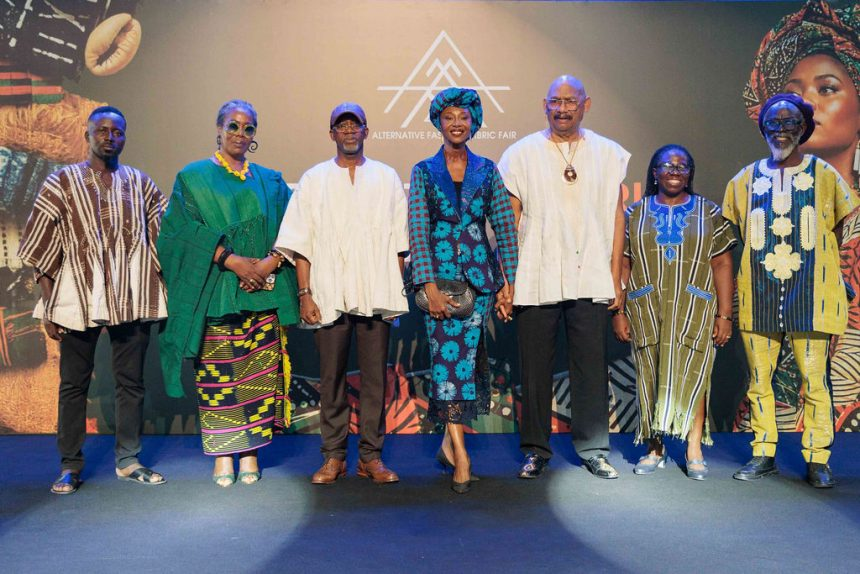
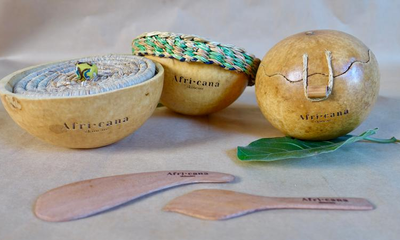
Before a designer cuts the first piece of fabric or a model steps onto a runway, there is a longer story — one involving fibres, makers, manufacturers, traditional techniques and materials.
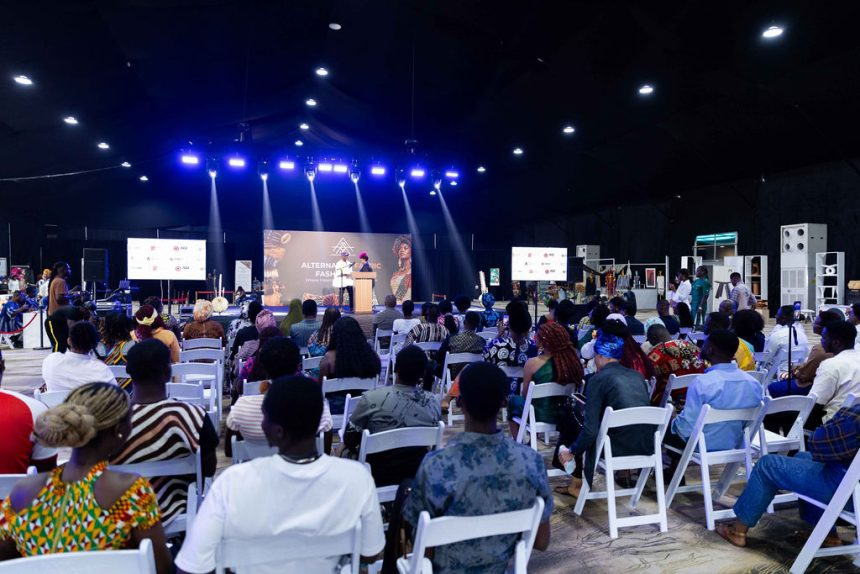
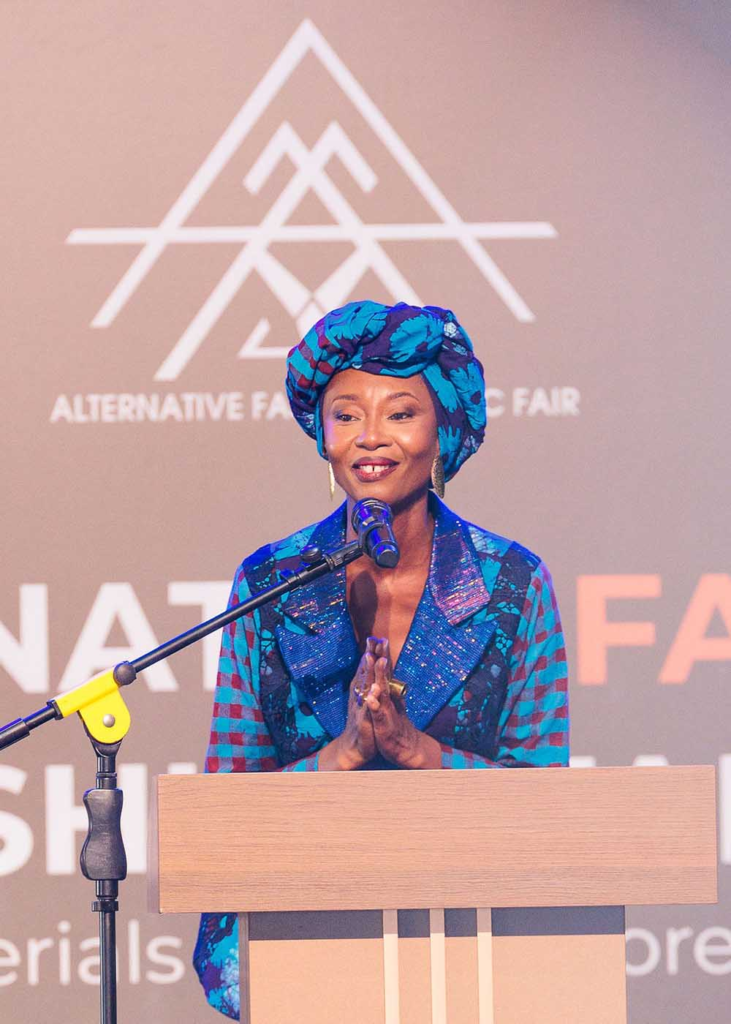
That often-unseen story took centre stage in Accra on September 19 as the inaugural Alternative Fashion Fabric Fair (Alt.FFF) launched at the Palms Convention Centre.
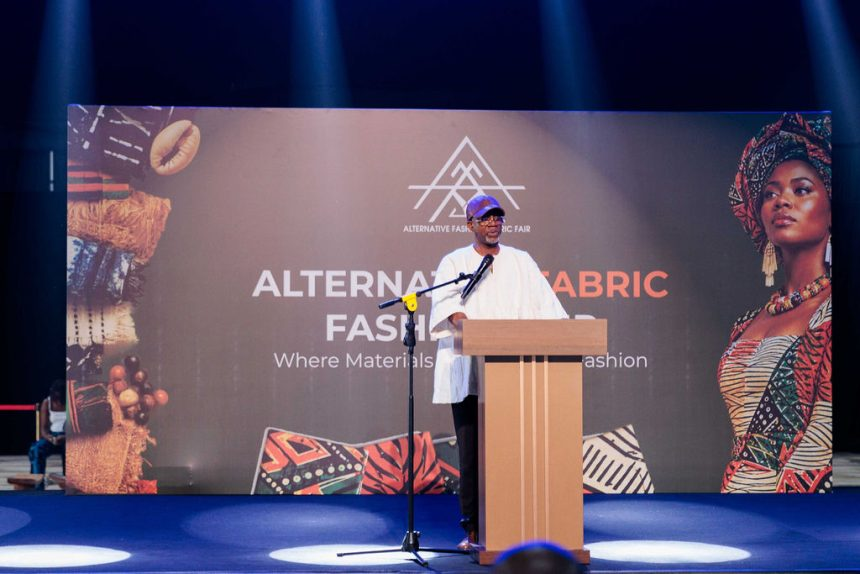
Looking Beyond the Finished Look
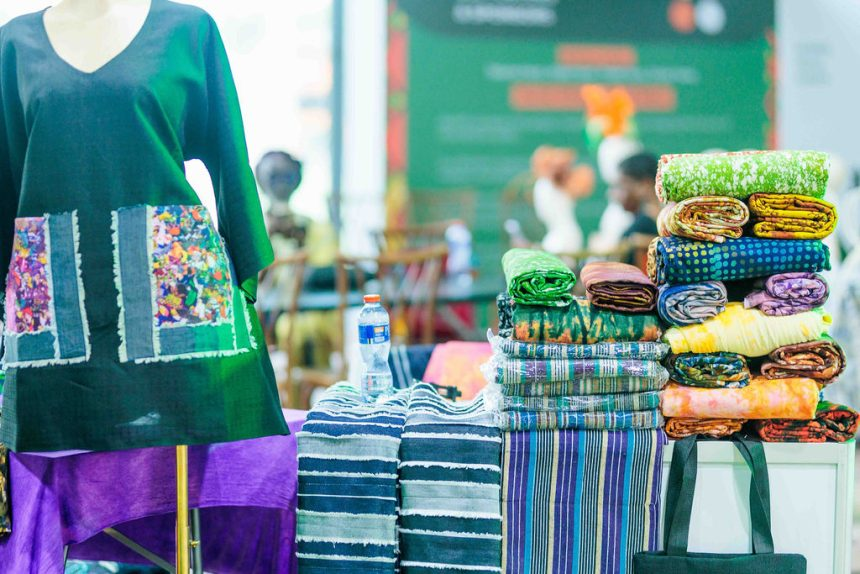
Held under the theme “Where Materials Speak Before Fashion,” Alt.FFF shifted attention away from finished clothing and towards the infrastructure behind Africa’s fashion industry.
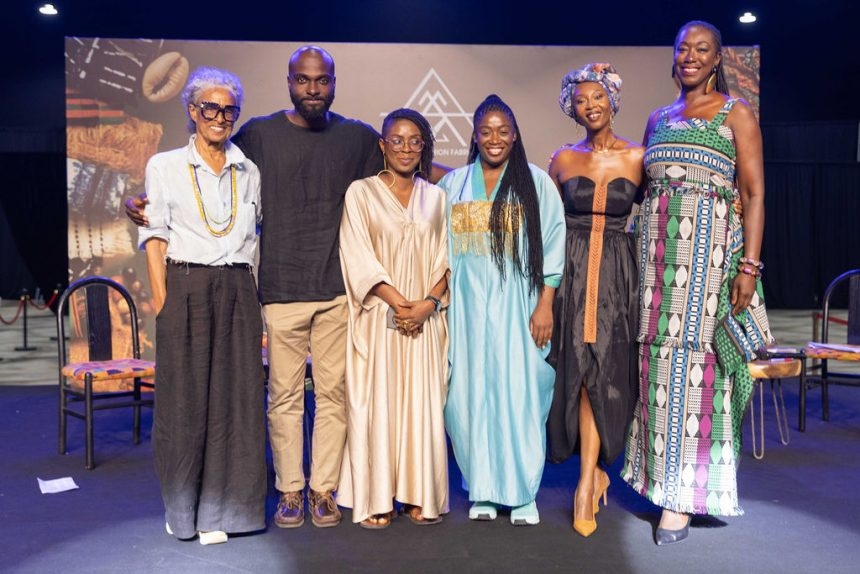
The fair brought together designers, artisans, manufacturers, material innovators and creative businesses, giving visitors the chance to explore everything from fabrics and natural materials to manufacturing processes and sustainability.
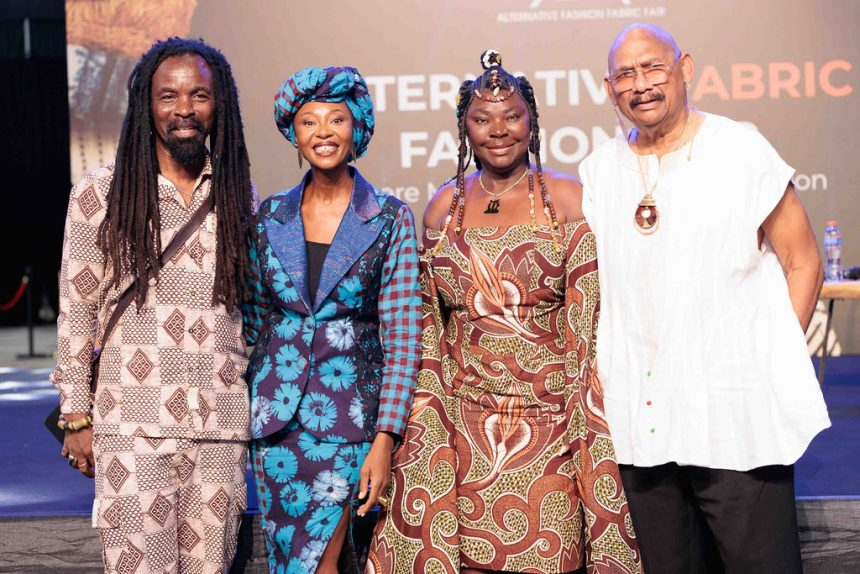
Its exhibition space featured a Sustainability Zone, Furniture Zone, Green Artist Area, Experience Hall, Moving Loom Dark Room and Workshop Area.
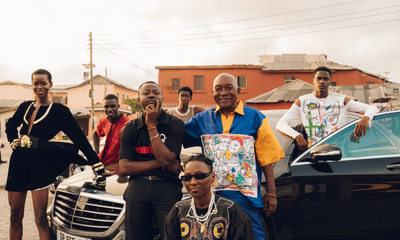
A special presentation of garments by legendary Ghanaian designer Kofi Ansah also connected contemporary fashion with the country’s creative heritage.
Building an African Fashion Economy
The conversations were just as important as the displays. A panel on intra-African trade and cross-border opportunities examined how producers, manufacturers and creative businesses can build stronger links across the continent.
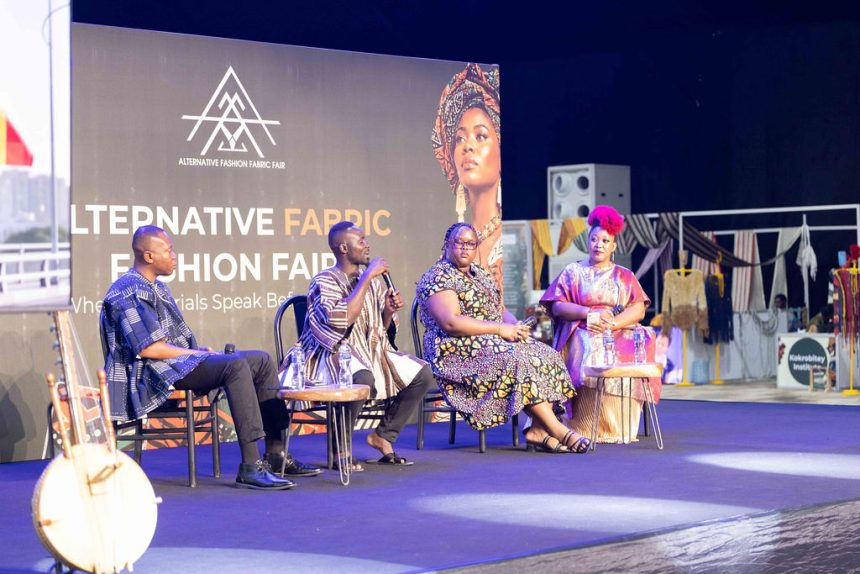
Another session, “The Future Session – The Next Market: Alt.FFF 2027,” brought together voices from fashion, art, culture, design and creative enterprise to consider where the platform could go next.
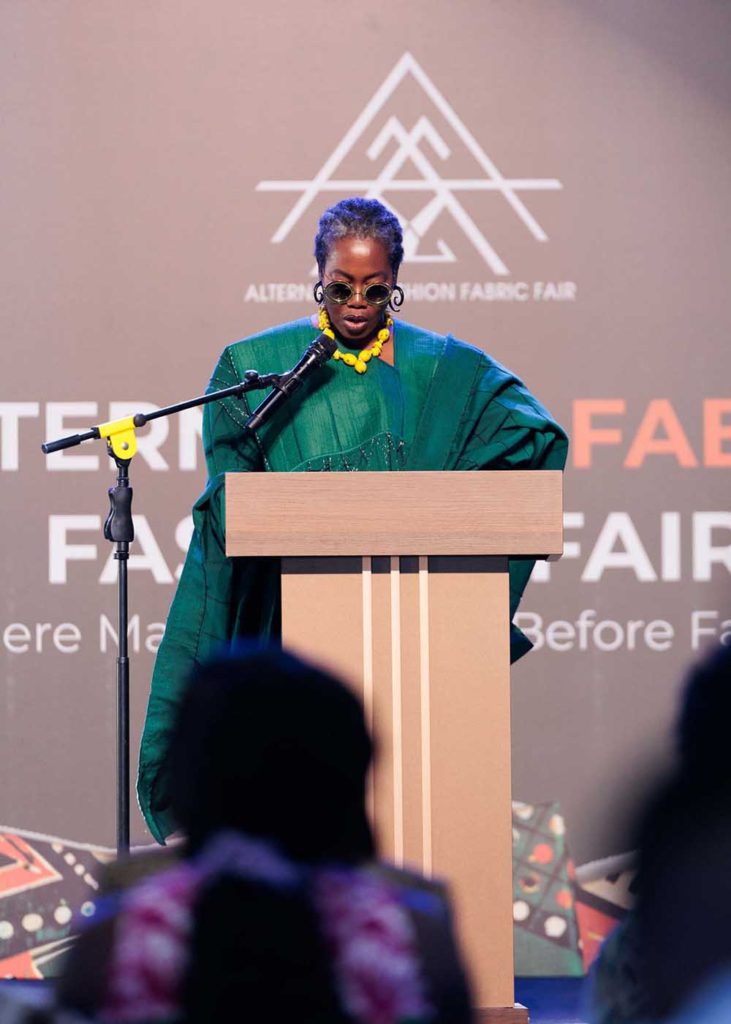
For founder and curator Makeba Nana Boateng, the fair is about making an overlooked part of fashion visible.
Alt.FFF’s debut suggests that the future of African fashion may not be defined only by what designers put on the runway, but also by the materials, people and industries working behind the scenes to make those designs possible.








Fashion & Style
The Shirt Code: How Small Design Details Define the Difference Between Formal and Casual Style
Sometimes, the difference between looking boardroom-ready and effortlessly relaxed comes down to details many people overlook.
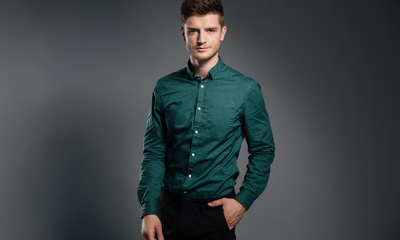
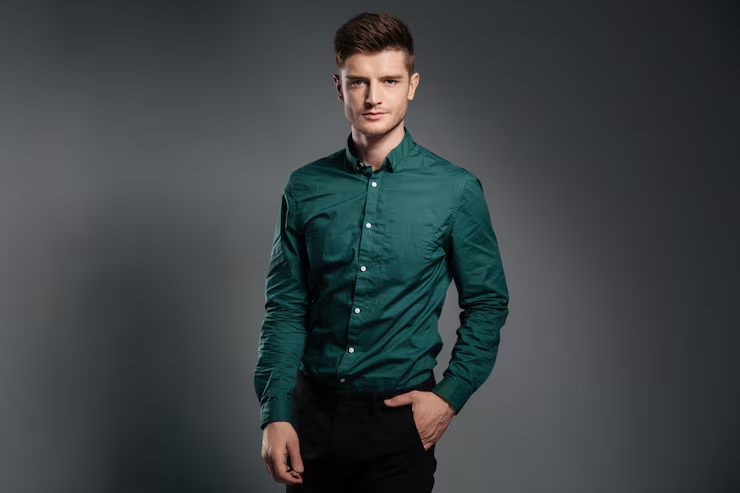
A shirt may appear simple, but its collar, buttons, front construction and fabric can determine whether it belongs in a formal wardrobe or a casual one.
Reading the Details
One useful way to distinguish formal shirts from casual shirts is to examine their construction.
A stiff collar, for instance, traditionally signals formal dressing. Designed to maintain its shape, it gives a shirt a structured appearance that works particularly well under suits and blazers.
Casual shirts, on the other hand, often feature button-down collars, where small buttons secure the collar points to the shirt.
The front design also offers clues. A shirt without a visible placket, or with a cleaner front construction, can create a more streamlined and formal appearance.
Shirts featuring a prominent placket tend to lean towards casual styling, although the distinction is not absolute.
Fabric and colour provide another useful guide. Solid-coloured shirts, particularly in white, light blue and other understated shades, remain dependable choices for professional settings.
Patterned shirts, including checks, stripes and playful prints, generally communicate a more relaxed personality.
Dressing With Intention
For professionals in Accra’s increasingly style-conscious business environment, understanding these distinctions can make wardrobe decisions easier.
Whether attending a corporate meeting, a networking event or a weekend social gathering, choosing the appropriate shirt helps communicate confidence and awareness of the occasion.
However, fashion rules are not rigid. Contemporary menswear frequently blends formal and casual elements, with button-down collars appearing in smart-casual outfits and patterned shirts finding their way into creative workplaces.
Ultimately, dressing well is not simply about owning expensive clothes. It is about understanding design, recognising context and knowing how individual details shape the impression you make.
Fashion & Style
Accra Fashion Week Plans Buyer-Distribution System To Turn African Designers Into Commercial Success Stories
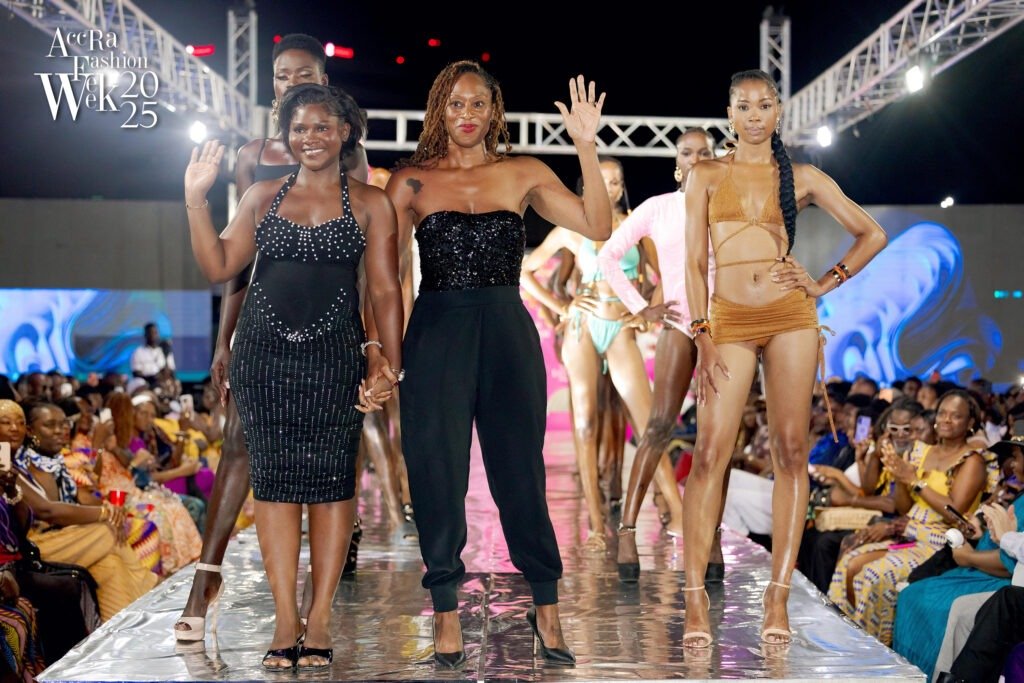
For many African designers, the runway is the easy part. Getting their collections into boutiques, securing wholesale orders and finding customers willing to pay for their creativity is often the bigger challenge. Accra Fashion Week now wants to change that equation by building a buyer-distribution system in Ghana’s capital.
Founder and head of the platform, Nana Addo Tamakloe, is pushing for a new commercial direction as the fashion event enters its second decade. His ambition is to move beyond the familiar spectacle of models, cameras and celebrity appearances towards a structured network connecting African fashion designers with retailers, boutiques, corporate buyers and distribution partners.
Tamakloe believes Ghana’s fashion shows have become effective platforms for publicity and brand exposure, but that visibility must translate into business opportunities if designers are to build sustainable labels.
His vision draws on Accra Fashion Week’s original objectives when it launched in 2016. Its early Batiks to Boutique initiative sought to encourage local boutiques to stock Ghanaian designers instead of depending heavily on imported clothing.
Now, he wants to expand that thinking into a more organised commercial framework.
His participation in the BRICS+ Fashion Summit also provides an international platform to advance conversations about trade, market access and opportunities for African fashion businesses. He previously represented Ghana at the Moscow summit.
The proposed system could help position Accra as a commercial destination for Afrocentric fashion brands, connecting creative talent with the infrastructure needed to reach customers locally and internationally.
For Ghana’s fashion industry, the ambition signals an important change in priorities. A successful collection should not simply generate applause on the runway; it should generate orders, reach retail shelves and create sustainable income for its designer.
The future of African fashion may depend as much on who buys the clothes as who wears them.
Fashion & Style
Accra Fashion Week Celebrates 10 Years of Championing African Fashion and Creative Excellence
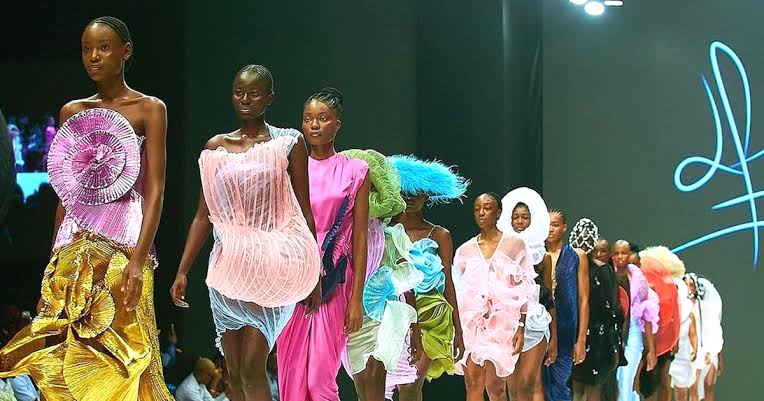
Fashion is more than what appears on the runway. It is a statement of identity, a celebration of creativity and an industry sustained by the people who bring ideas to life.
As Accra Fashion Week approaches its 10th anniversary, the Ghanaian fashion platform is preparing a landmark celebration that reflects a decade of championing African designers, creative talent and the business of style.
A Decade of Giving African Fashion a Platform
Established in 2016, Accra Fashion Week has provided designers with opportunities to showcase collections, connect with international audiences and position African fashion within wider conversations about global style.
Its journey has included virtual presentations during 2020 and international collaborations, demonstrating the platform’s ability to adapt to an evolving creative industry.
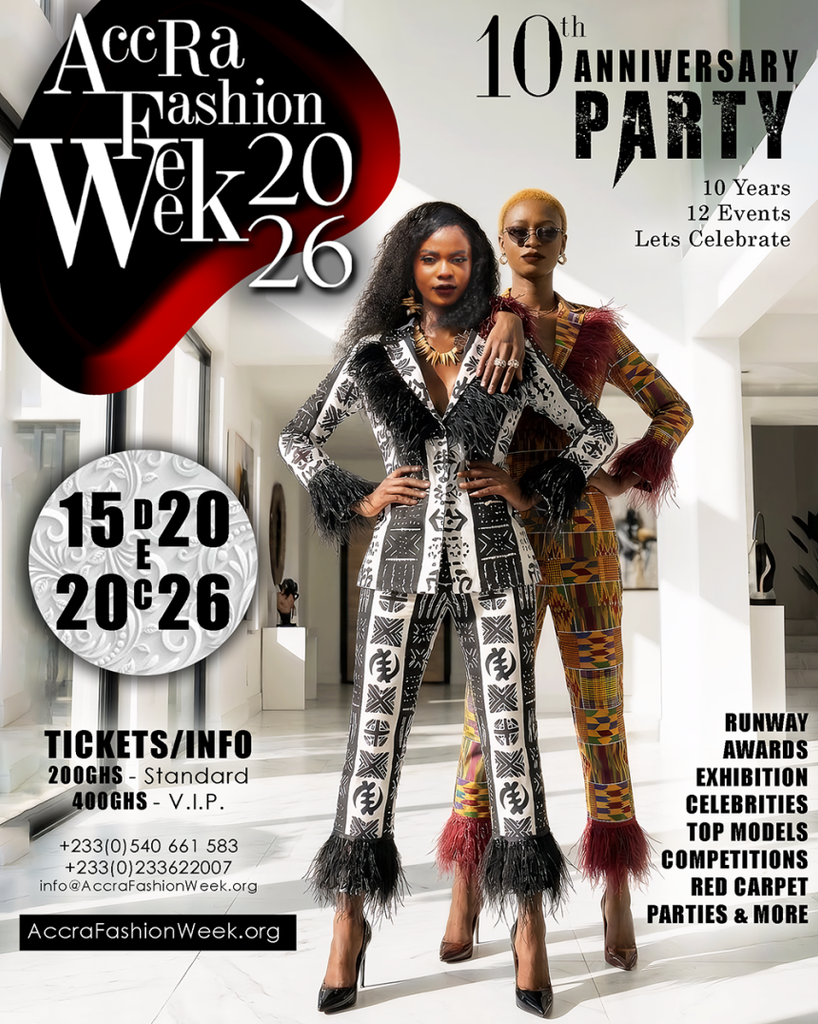
The anniversary edition promises more than conventional runway presentations. Fashion Talk, an online discussion platform, will bring designers, entrepreneurs and industry professionals together to exchange ideas about the opportunities and challenges shaping African fashion.
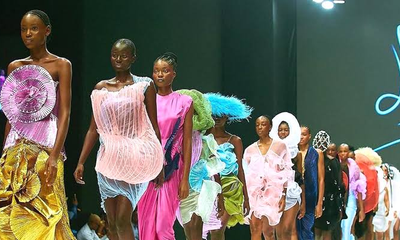
The Swimwear Deluxe Show will introduce another dimension to the celebrations, placing swimwear design, confidence and presentation in the spotlight.
FashionGHANA Honors & Awards Makes a Comeback
One of the most anticipated developments is the return of FashionGHANA Honors & Awards, last held in 2022. The awards recognise contributions from designers, models, photographers, stylists, entrepreneurs and other professionals whose work supports the industry.
Its return reinforces an important message: African fashion is built not only by the faces walking the runway but also by the creative talent working behind the scenes.
As Accra Fashion Week celebrates ten years, its anniversary offers an opportunity to recognise how far Ghana’s fashion industry has travelled while considering what comes next. The next decade will belong to those who continue to turn African creativity into cultural influence and international opportunity.


Ghanaian-Born Entrepreneur Mawena Tafa Turns Viral Brooklyn Encounter with Strange Man Into Business Opportunity

German President Steinmeier Arrives in Ghana to Boost Trade and Skills Partnerships

Fat Joe Makes Emotional Appeal to Bronx Youth After Ghanaian Teen Javits Frimpong’s Killing
-

 Ghana News2 days ago
Ghanaian Teen’s Bronx Funeral Sparks NY Attorney General’s Demand to Repeal Law Protecting Gunmakers
-

 Ghana News2 days ago
‘We Didn’t Come Here to Beg’: Ghana’s Zanetor Agyeman-Rawlings Demands Climate Justice and Funding for Africa at COP31
-

 Opinion2 days ago
The Sahel’s Dangerous Calm: What Does the Lull in Jihadist Fighting Really Hide?
-
 Uncategorized16 hours ago
Fat Joe Makes Emotional Appeal to Bronx Youth After Ghanaian Teen Javits Frimpong’s Killing
-
 Ghana News16 hours ago
German President Steinmeier Arrives in Ghana to Boost Trade and Skills Partnerships
-
 From the Diaspora14 hours ago
Ghanaian-Born Entrepreneur Mawena Tafa Turns Viral Brooklyn Encounter with Strange Man Into Business Opportunity