
Arts and GH Heritage
Congo: Capturing Life Beyond War

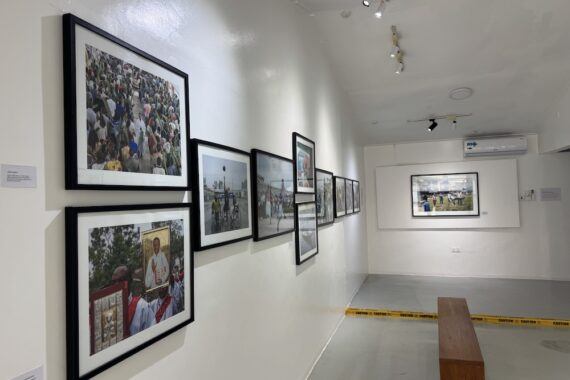
War photography often arrives from afar, bringing images of destruction, displacement, and death to audiences who may never encounter the conflict firsthand. Congo, Close to Home, however, offers a different kind of testimony.
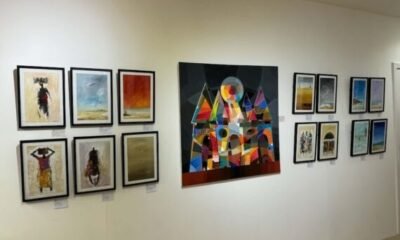
Presented at Dikan Gallery in Accra, the exhibition brings together the work of seven young Congolese photographers whose cameras remain embedded in the communities they document.
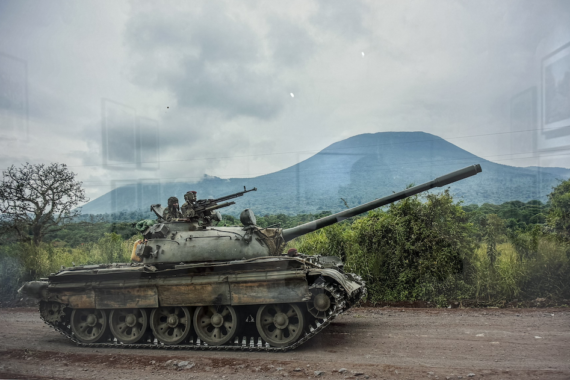
Aubin Mukoni, Arlette Bashizi, Gloire Chasinga, Guerchom Ndebo, Jospin Mwisha, Marie-Jeanne Munyerenkana, and Moses Sawasgwa photograph life in and around Goma, a city of more than a million people on the shores of Lake Kivu.
Living under the shadow of conflict and occupation since January 2025, they document a society confronting violence while refusing to surrender its ordinary rhythms.
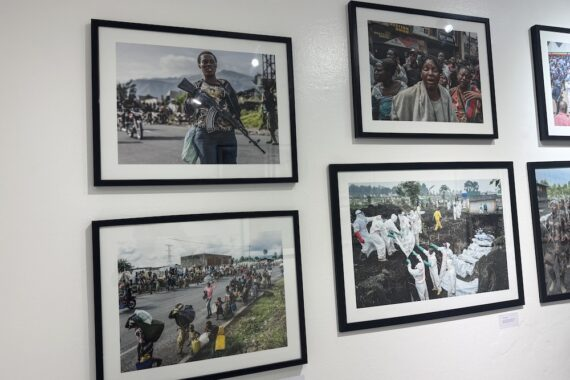
That tension gives the exhibition its emotional force. The photographs do not merely catalog war; they look at what unfolds alongside it. Markets continue.
People dance. Couples marry. Children play. Families mourn. Graves are dug. Daily life, in all its fragility and resilience, endures.
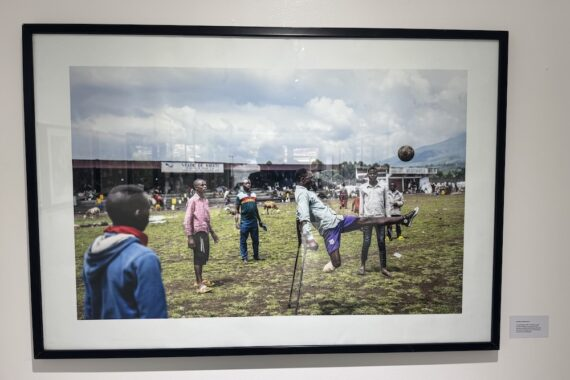
One particularly striking image shows a boy playing football on crutches at a camp for displaced people outside Goma.
It could easily be read solely through the language of tragedy, yet the football introduces another dimension: childhood endures even in circumstances that try to take it away.
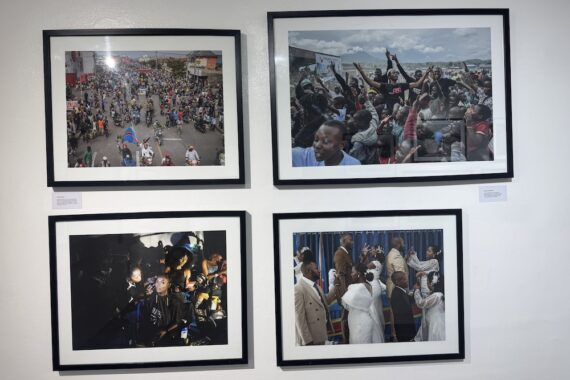
This is where the exhibition moves beyond conventional conflict photography. Its photographers are not visiting journalists passing through a crisis.
They are witnesses who live with the consequences of what they photograph. Their proximity creates an intimate visual record in which the line between photographer and subject blurs.
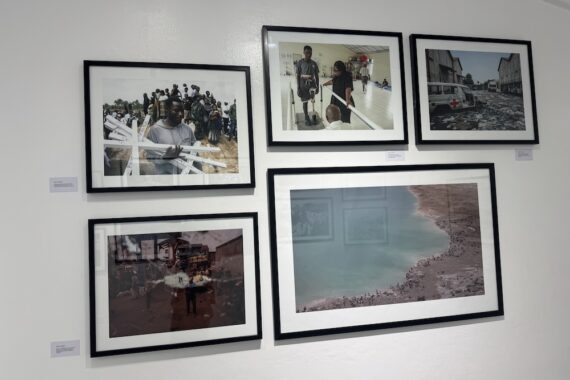
Curated by Paul Ninson, chief curator of Dikan Gallery, the exhibition also advances a deliberate geographic argument. Displaying these photographs in Accra reminds us that Congo is not some distant African crisis beyond the concerns of other Africans.
From Accra to Goma, the exhibition proposes a shared continental proximity—geographical, historical, and human.
There is also an important question of authorship. In an age when images of African conflict are frequently produced for international audiences, Congo, Close to Home places the camera in the hands of Congolese photographers.
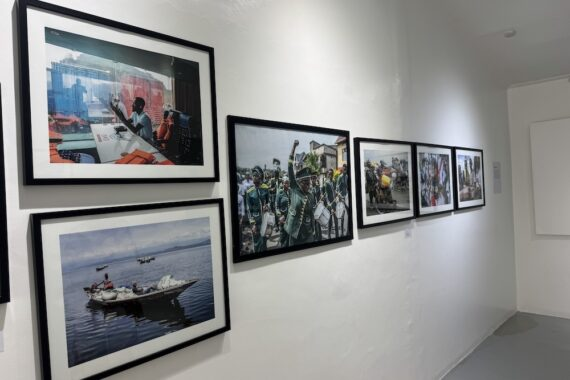
Their photographs therefore become personal documents as much as news images, preserving details that might otherwise disappear once international media attention shifts elsewhere.
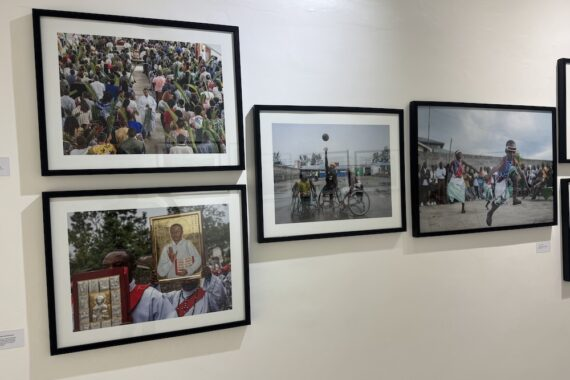
Ultimately, Congo, Close to Home is an exhibition about a city that is broken but not emptied of life. Its photographs insist that beyond the headlines and statistics are people who continue to love, work, celebrate, grieve, and dream.
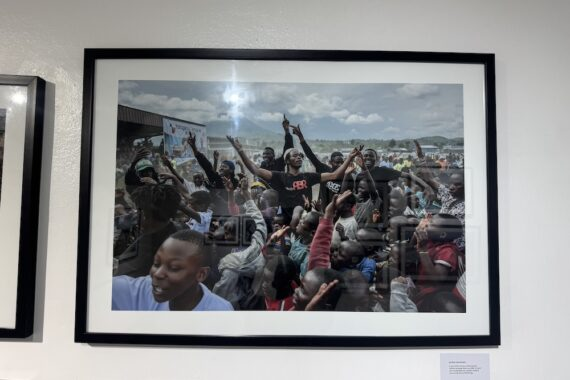
In that sense, the exhibition does more than document Congo’s war; it documents the stubborn persistence of life within it.



Arts and GH Heritage
Between The Oceans: How Two Hip-Hop Dancers Carry Ancestral Histories In Their Bodies
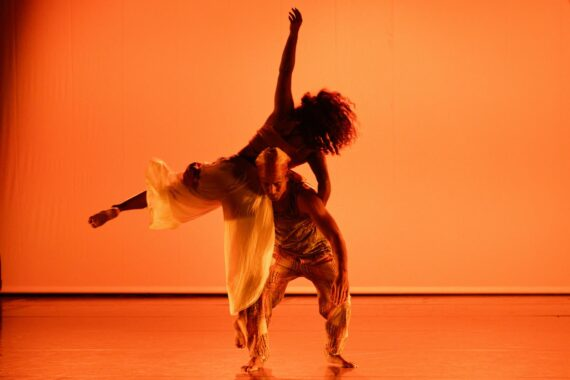
A Berlin dance-theatre collaboration explores African heritage, identity and the cultural memories that travel across generations.
A body can remember what geography separates. In Between the Oceans, a powerful hip-hop dance-theatre duet, two Germany-raised performers turn movement into a conversation about ancestry, belonging and the cultural histories that remain alive long after people leave their ancestral homelands.
Presented at Uferstudios during KUYUM Tanzplattform 2026, the production brings together Tiffani Achilleas and Raphael Moussa Hillebrand, the first urban dancer to win the German Dance Prize.
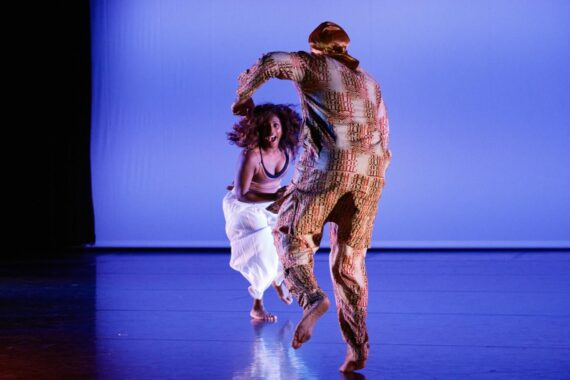
Drawing on journeys to places connected to their family histories, including Benin, Mali, Salvador da Bahia in Brazil and Sri Lanka, the pair explore how inherited identities shape the way people understand themselves.
The performance moves between explosive popping, locking, intricate footwork and intimate storytelling. A slideshow of travel photographs provides a visual record of their journeys, while their spoken accounts reveal the complexities of navigating identity in different societies.
Abroad, they are sometimes perceived as European or white; in Germany, their brown skin can make them targets of racial profiling.
One of the production’s most memorable observations comes from Achilleas: “Culture is only experienced because it’s carried in your body.”
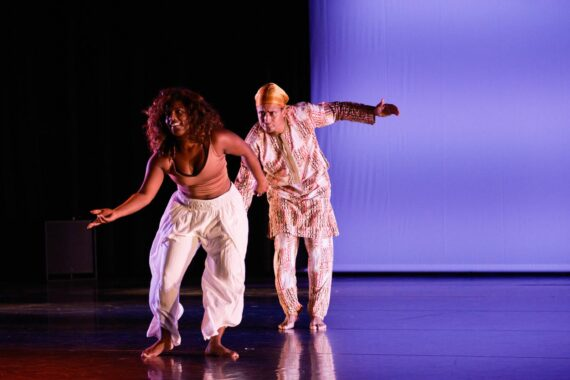
The statement resonates deeply with African heritage, where dance, music, storytelling and ritual have long served as vessels of collective memory.
In Ghana, traditional forms such as Adowa, Kpanlogo and Agbadza carry histories and social meanings through movement, connecting generations beyond spoken words.
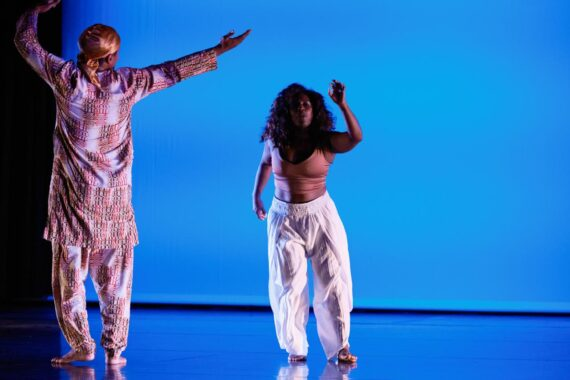
Between the Oceans offers a compelling reminder that heritage is not simply a place people visit or a history they study. It is something they embody, reinterpret and carry forward.
Through their collaboration, Achilleas and Hillebrand show that ancestry can travel across oceans without losing its power to shape the present.
Arts and GH Heritage
1935 Photograph Of Mozambican Boy Reignites Debate Over African Origins Of Fades And Gold Teeth

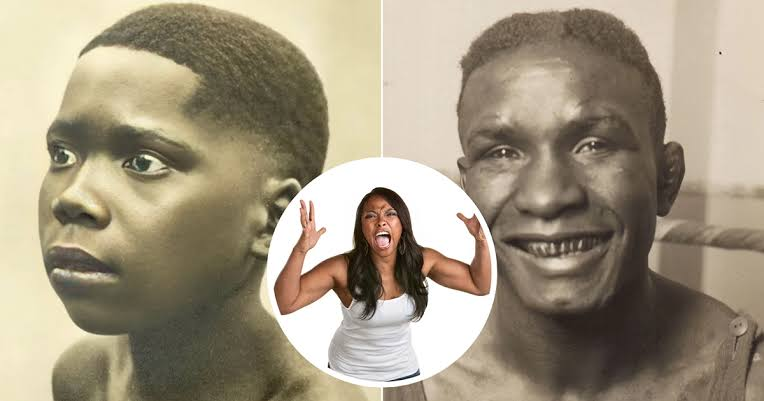
A historical photograph of a young Tsonga boy in Mozambique, dating back to 1935, has reignited an online debate about the African roots of hairstyles and fashion trends commonly associated with Black American culture, including fade haircuts and gold teeth.
The photograph, taken in the area around Xai-Xai in present-day Mozambique, shows a boy wearing a closely shaved hairstyle with a carefully shaped section of hair that bears a striking resemblance to modern fade haircuts.
Its circulation on social media has prompted questions about its authenticity, with some users even suggesting it could be AI-generated. However, historical archive records identify the image as an authentic 1935 photograph of a Tsonga boy.
The discovery has drawn attention amid longstanding tensions surrounding the Foundational Black American (FBA) movement, promoted by American commentator Tariq Nasheed.
Established around the idea of recognising the distinct lineage and historical experiences of Black Americans descended from enslaved people in the United States, the movement has frequently featured debates about cultural identity, historical ownership and reparations. Some prominent voices associated with the movement have also faced criticism over claims that Africans had little or no influence on cultural practices and styles embraced by Black Americans.
The Mozambican photograph has provided fresh material for those challenging such arguments, particularly regarding the history of African hairstyling.
Across the continent, hairstyles have long served as expressions of identity, social standing, age, community affiliation and artistic creativity. African societies developed intricate braiding techniques, cornrows, shaved patterns and sculpted hairstyles centuries before many contemporary styles became popular internationally.
The debate has also extended to gold teeth and decorative dental jewellery. Gold has a particularly long and distinguished history in West Africa, especially among Akan communities in present-day Ghana and Côte d’Ivoire.
For centuries, Akan goldsmiths developed sophisticated techniques for transforming the precious metal into royal regalia, jewellery and personal ornaments. Gold carried associations with authority, wealth, prestige and spiritual significance, with historical examples preserved in museum collections around the world.
However, the historical use of gold in African adornment does not establish a direct connection between traditional Akan jewellery and modern American gold grills. The latter developed within a distinct cultural setting, particularly through hip-hop and wider Black American popular culture.
The renewed discussion highlights the importance of distinguishing between cultural influence, parallel traditions and independent innovation. African and African-American communities have developed distinctive cultural expressions, while also sharing historical connections that cannot always be separated neatly.
Black Americans have made significant contributions to global music, fashion, language and popular culture. Equally, Africa’s cultural history extends far beyond the narratives often presented in contemporary debates about Black identity.
Rather than turning the 1935 photograph into another confrontation over cultural ownership, historians and cultural enthusiasts have an opportunity to examine the rich traditions of African hairstyling and personal adornment.
The image offers a reminder that styles recognised around the world today often have histories far older and more geographically diverse than modern cultural debates suggest.
Arts and GH Heritage
The Stories Family Photographs Leave Behind: Ezra Appiah Reimagines Memory and Belonging
A family photograph may capture a wedding, a birthday or several generations gathered beneath one roof, but what happens to the moments that never make it into the frame?
The disagreements, private struggles, absences and complicated relationships are just as much a part of family history, yet they rarely find a place in the carefully preserved album.
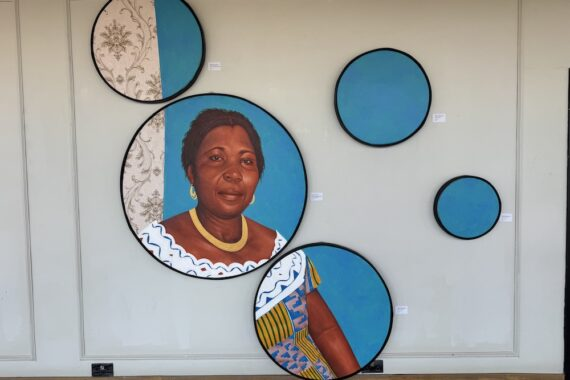
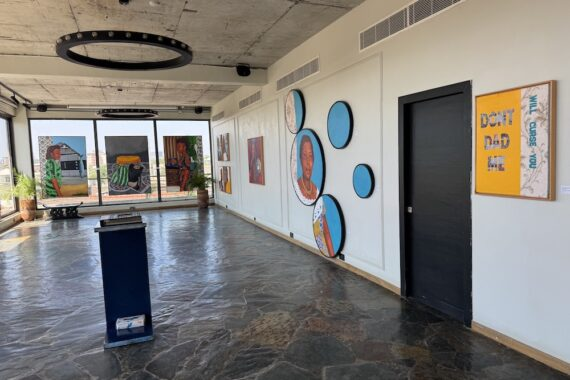
It is this gap between appearance and reality that Ghanaian artist Ezra Appiah explores in Family Album: A New and a Reborn Version, a solo exhibition at Mix Art Gallery in Accra.
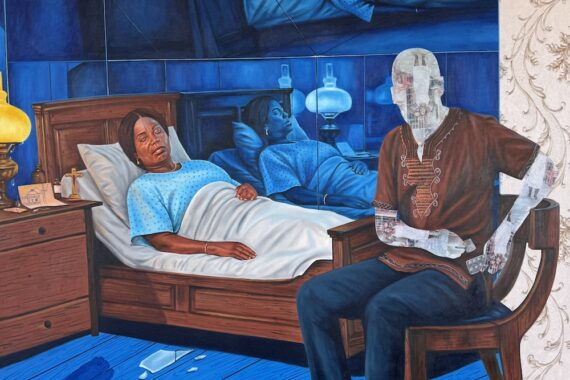
Beyond the Picture-Perfect Family
For many Ghanaian households, family photographs carry considerable emotional and cultural significance. They document naming ceremonies, marriages, funerals and reunions, becoming treasured records passed between generations.
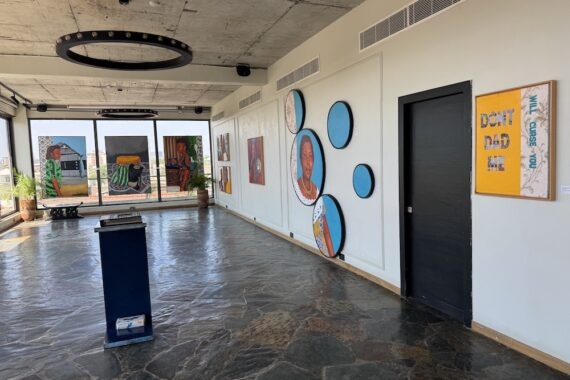
They also help families maintain connections with relatives who have migrated abroad or live far from home.
Yet photographs are selective. They preserve particular versions of events while leaving other experiences outside the frame.
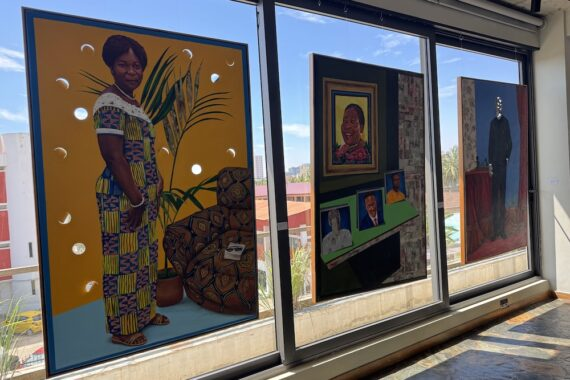
Drawing on childhood recollections and archival family photographs, Appiah uses montage to bring different moments together, reconstructing narratives that challenge conventional ideas of domestic happiness and belonging.
Giving Silence a Place in Family History
A 2024 Absa L’Atelier Art Ambassador, Appiah approaches photography as a tool for questioning memory rather than simply documenting it.
His work draws attention to overlooked experiences, suggesting that family identity is shaped as much by absence and silence as by shared celebrations.
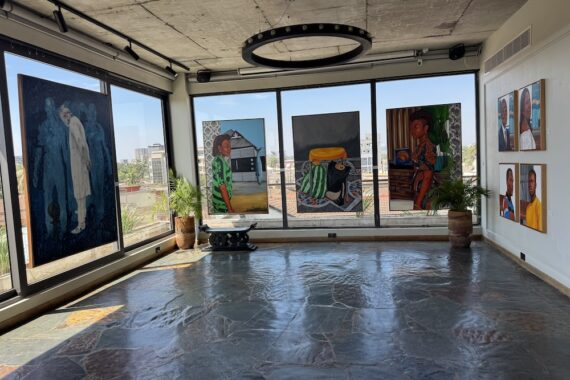
For audiences in Ghana and beyond, the exhibition offers an opportunity to reconsider the photographs inherited from parents and grandparents. What do these images reveal, and what have generations chosen not to discuss?
Family Album: A New and a Reborn Version invites visitors to confront those questions before its closing on November 27, 2026.


German President Steinmeier Arrives in Ghana to Boost Trade and Skills Partnerships

Fat Joe Makes Emotional Appeal to Bronx Youth After Ghanaian Teen Javits Frimpong’s Killing

The Sahel’s Dangerous Calm: What Does the Lull in Jihadist Fighting Really Hide?
-

 Ghana News2 days ago
Top Ghanaian School Wins 26 Awards at 2026 Pearson Learner Awards
-

 Business2 days ago
Invest Ghana Summit: NVI Pitches Vaccine Manufacturing Opportunities to Investors
-

 Ghana News1 day ago
Ghanaian Teen’s Bronx Funeral Sparks NY Attorney General’s Demand to Repeal Law Protecting Gunmakers
-
 Opinion1 day ago
The Sahel’s Dangerous Calm: What Does the Lull in Jihadist Fighting Really Hide?
-
 Ghana News1 day ago
‘We Didn’t Come Here to Beg’: Ghana’s Zanetor Agyeman-Rawlings Demands Climate Justice and Funding for Africa at COP31
-

 Ghana News2 days ago
‘Stop Taking Our Money to Hide in Switzerland’: Dangote Challenges Wealthy Africans to Invest at Home
-
 Uncategorized1 hour ago
Fat Joe Makes Emotional Appeal to Bronx Youth After Ghanaian Teen Javits Frimpong’s Killing
-
 Ghana News1 hour ago
German President Steinmeier Arrives in Ghana to Boost Trade and Skills Partnerships