
Tourism
Mona Boyd: Meet the African American Entrepreneur Who Owns a 4-Star Luxury Resort Near Ghana’s ‘Door of No Return’


For more than three decades, African American entrepreneur Mona Boyd has called Ghana home.
Today, her latest venture, AnoMansa Beach Resort, a four-star luxury escape on the country’s historic coastline, is redefining what heritage tourism can look like near one of the most emotionally significant landmarks in the African diaspora.
Situated just six minutes from Elmina Castle and 30 minutes from Cape Coast Castle, sites deeply associated with the transatlantic slave trade, the resort stands as a modern counterpoint to a painful past — a place where healing, reflection, and high-end hospitality converge.
“When I stood on this land after the resort’s completion, I was quite emotional,” Boyd reflected. “Knowing that some of my ancestors may have passed through the ‘Door of No Return’ just six miles away, I felt that my family’s journey had come full circle.”
A Homecoming Wrapped in Luxury
AnoMansa Beach Resort offers 36 elegantly designed rooms, blending understated Ghanaian artistry with contemporary comforts. Each room overlooks the Atlantic, drawing guests into the peaceful rhythm of the coast.
With two gourmet restaurants, the resort elevates coastal dining through farm-to-table menus that celebrate fresh local ingredients — from seafood caught nearby to produce sourced from surrounding communities.
Guests gather at the bar and lounge, where live bands and traditional drumming ensembles heighten the ambiance, reminding visitors that the soul of Ghana is never far away.
A Sanctuary With Purpose
Boyd, who also owns Landtours Ghana, Avis Rent a Car, and Budget Rent a Car in Ghana, envisioned AnoMansa as more than a luxury retreat.
“My goal is for guests to leave feeling more centered, reconnected, and energized than when they arrived,” she tells Black Enterprise.
Wellness is central to the resort’s philosophy. Travelers can unwind with professional massages, join daily yoga and meditation sessions, or explore the coastline through guided hikes and water sports. Educational lectures and cultural performances round out the experience, offering opportunities to reflect on history while celebrating resilience.
A New Standard for Heritage Tourism
AnoMansa arrives at a time when Ghana continues to position itself as a global destination for African diaspora travel, especially after the success of its Year of Return and Beyond the Return initiatives. But the region around Cape Coast and Elmina has long lacked high-end accommodation that aligns with the emotional weight and global interest in its historical sites.
“AnoMansa Beach Resort fills a long-standing gap for travelers seeking a higher level of service, authenticity, and comfort in this historic region,” Boyd explained. “It’s where luxury meets purpose — where every guest becomes part of a story of renewal.”
As the sun dips behind the Atlantic, the resort stands not just as a business achievement, but as a symbol — a reminder that even in places marked by loss, new chapters of connection and renewal can flourish.












Compact, filling and made from one of West Africa’s most treasured grains, Kapala shows how Ghanaian food traditions turn simple ingredients into practical nourishment for everyday life.
Known as millet balls, Kapala is prepared by cooking millet and moulding it into firm, round shapes.
The result is a humble food with a pleasantly grainy texture and a mild, earthy flavour that allows it to pair beautifully with a variety of accompaniments.
A Taste of Ghanaian Food Heritage
Kapala’s appeal lies in its versatility. It can be served alongside soup, where the millet balls provide a satisfying base for a hearty meal, or enjoyed with milk for a simpler combination.
For those who prefer a savoury kick, a spicy groundnut-based sauce offers a delicious contrast, bringing creamy nuttiness and heat to the grain’s gentle flavour.
Millet has long been valued in parts of Ghana and across West Africa, particularly in communities where traditional grains remain important to everyday cooking.
Kapala reflects a practical approach to food: preparing a staple that can be carried easily and eaten when needed.
For farmers heading to their fields, its compact shape makes it convenient to transport and consume during a demanding working day. It is a reminder that traditional food can be both culturally meaningful and adapted to the realities of rural life.
Nourishment in Every Bite
Millet provides carbohydrates for energy, along with dietary fibre, minerals and other nutrients.
Its fibre content can support digestive health, while its carbohydrates help fuel physical activity. The overall nutritional value of Kapala depends on how it is prepared and what accompanies it.
For international visitors exploring Ghanaian cuisine, Kapala offers an opportunity to appreciate the ingenuity behind everyday local foods. Its simplicity is part of its charm: a familiar grain transformed into a portable, nourishing staple.
In every rounded ball is a story of resourcefulness, agricultural heritage and the enduring connection between Ghanaian food and daily life.
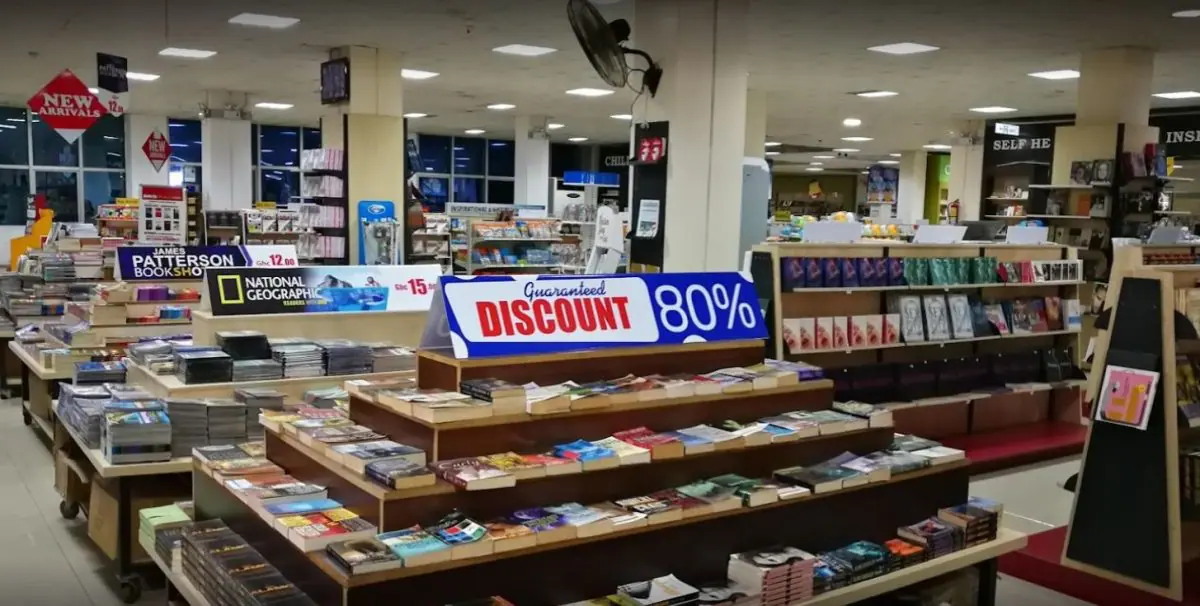
A child searching for their first picture book, a university student hunting for a prescribed textbook or a reader hoping to find their next favourite novel can all begin their search at the same place: EPP BookShop at Legon City Mall.
Located at 7 Lagoon Street, off Giffard Road, the Legon branch brings together books for different ages, interests and stages of learning.

Its appeal lies in the range of titles available, making it a useful stop for families preparing children for school, students pursuing higher education and readers looking beyond the classroom.
From a Small Accra Shop to a Growing Book Business
EPP Books began in 1991 as a modest bookshop in Accra, occupying a space of no more than 20 square metres.
Over the years, it grew into a chain with branches across the West African sub-region, expanding its reach beyond its original location.
That journey reflects the continuing need for accessible books in homes, schools and educational institutions.
For many learners, textbooks and supplementary readers are essential tools, while novels and self-help books offer opportunities for entertainment, personal growth and discovery.
Books for Different Stages of Life
At the Legon branch, the selection spans preschool materials, children’s readers, school curriculum books, secondary-school textbooks and university-level titles. Customers can also browse bestselling novels and books on personal development.
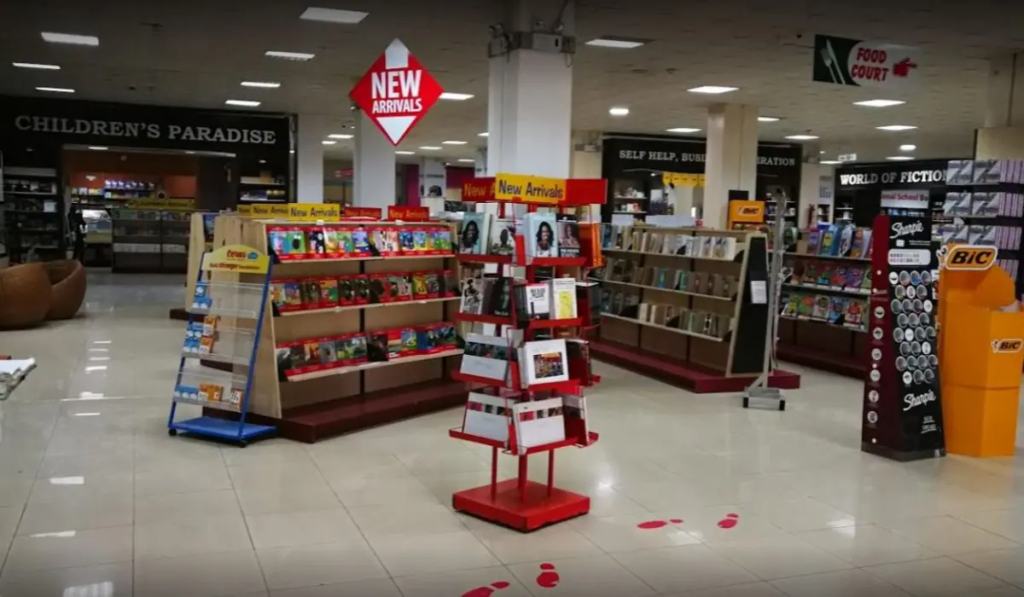
EPP BookShop serves both retail and wholesale customers, giving individual readers and organisations options for purchasing books. If a particular title is unavailable on the shelves, the shop can also arrange to order it.
For residents, students and visitors in the Legon area, the branch offers more than a place to buy reading materials. It provides a practical starting point for the search for knowledge, whether that begins with a child’s first schoolbook or a reader’s next literary adventure.

From a steaming bowl of fufu and soup to the irresistible aroma of kelewele fresh from the frying pan, Ghanaian food offers more than comfort and flavour.
When balanced well, it can also provide many of the nutrients the body needs to thrive.
Traditional Ghanaian cuisine draws heavily on natural ingredients, including yam, plantain, beans, fish, groundnuts and leafy vegetables.
These foods supply energy, protein, fibre, vitamins and minerals. Kontomire stew, okro soup and garden eggs bring colour and nutrients to the table, while fish and legumes offer protein.
Spices and seasonings give dishes their distinctive character, making everyday meals deeply satisfying.
Waakye, the much-loved combination of rice and beans, illustrates this potential. Paired with vegetables, fish or eggs, it can provide a satisfying mix of carbohydrates, protein and fibre.
Yet the nutritional value depends on portion sizes and the amount of oil, salt and rich accompaniments added.
When Tradition Needs Balance
Palm oil gives dishes such as red red their familiar colour and taste. It also contains vitamin E and carotenoids, which the body can convert into vitamin A. However, it is high in saturated fat, so using moderate amounts and avoiding repeated overheating are sensible choices.
Portion sizes matter, too. Meals dominated by large servings of fufu, banku, rice or yam, with little vegetables or protein, may make it harder to maintain a balanced diet over time.
Meanwhile, instant noodles, sugary drinks and heavily processed snacks are increasingly competing with home-cooked meals. Frequent consumption can contribute to excessive sugar, salt and calorie intake.
Keeping Ghanaian Food Healthy
The answer is not to abandon beloved local dishes, but to prepare and serve them thoughtfully.
Enjoy reasonable portions of starchy staples, add generous vegetables, include beans, fish or other protein sources, and use oil and salt sparingly.
Ghanaian food can be both delicious and nourishing. The secret lies in balance, variety and preserving the best of local cooking while making choices that support long-term health.



-

 Ghana News1 day ago
OBITUARY: Gamal Gorkeh Nkrumah, Son of Ghana’s Founding President, Dies in Cairo
-
 Sights and Sounds2 days ago
EPP BookShop at Legon: A Destination for Students, Families and Book Lovers
-

 Health & Wellness1 day ago
Walking Is More Than Exercise: Small Steps That Can Transform Your Health
-

 Festivals & Events1 day ago
MaddFest 2027: Welcome the New Year with a Night of Celebration in Accra
-
 Homes & Real Estate2 days ago
Building Smarter in Ghana: Could Plastic Rebar Clips Improve Construction Efficiency?
-
 Arts and GH Heritage1 day ago
Inside Togo’s Abandoned Colonial Building, African Artists Reclaim Cultural Memory
-

 Global Update1 day ago
Wave of Student Killings at Mexico Universities Raises Safety Concerns
-

 Ghana News1 day ago
Mahama to Churches: The Real Sermon Is Written After the Closing Prayer