
Homes & Real Estate
Prefab Dreams: The Rise of China-Sourced Housing in Ghana

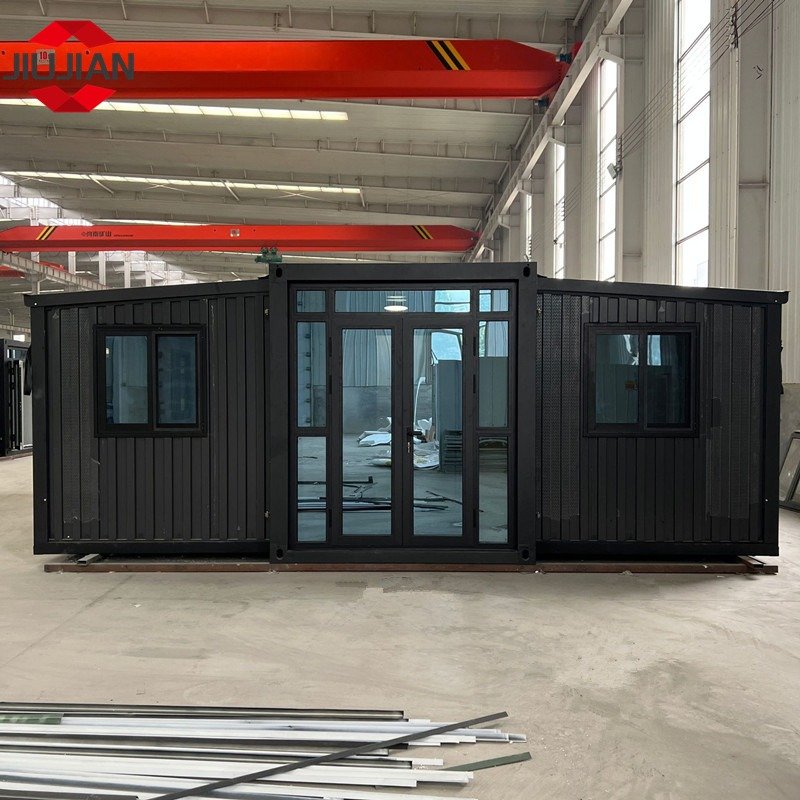
The promise arrives in glossy videos and WhatsApp catalogues: a fully built home, shipped in containers and assembled in weeks—at a fraction of local construction costs.
For a growing number of Ghanaians, importing prefabricated homes from China is no longer a curiosity; it’s becoming a serious housing option.
A Shortcut Through Ghana’s Housing Challenge
Ghana faces a well-documented housing deficit, with demand far outpacing supply. In major cities like Accra and Kumasi, the cost of building materials—cement, iron rods, roofing sheets—has climbed steadily, pushing homeownership further out of reach for many middle-income earners. Traditional construction can stretch over years, often stalled by rising costs and inconsistent cash flow.
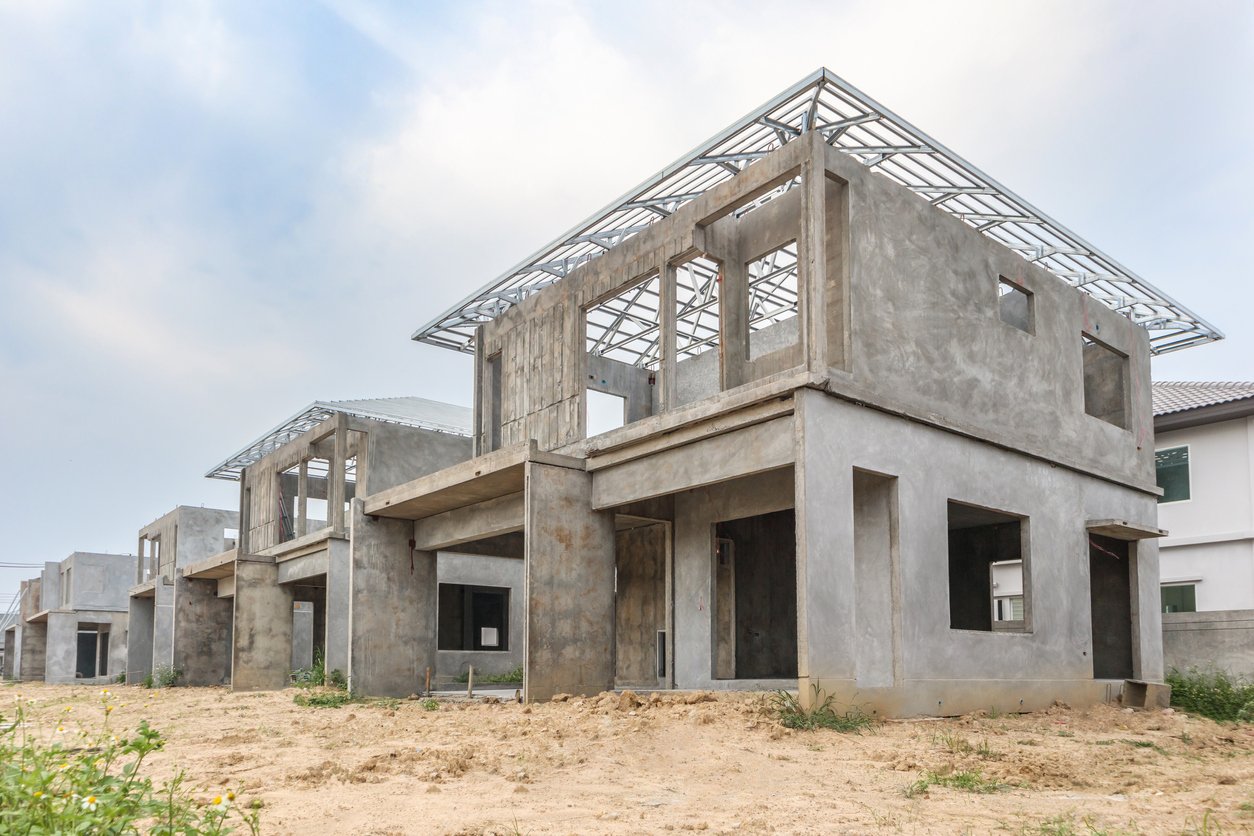
Prefab homes, largely manufactured in Chinese industrial hubs such as Foshan, offer an appealing alternative. Buyers can select designs online, customize layouts, and have entire structures shipped in parts for local assembly. For some, it promises speed, predictability, and cost control in an otherwise uncertain market.
Social Media and the New Housing Marketplace
The trend is being fueled by social media. TikTok, Facebook, and Instagram are filled with Ghana-based agents advertising “container homes,” “modular villas,” and “ready-to-install apartments.” Short videos show sleek interiors, modern kitchens, and compact luxury spaces, often accompanied by bold claims of affordability.
Like their American counterparts, some Ghanaian buyers are cutting out local suppliers and sourcing directly from Chinese manufacturers. A three-bedroom prefab home, depending on specifications, can cost significantly less than building from scratch—at least on paper.
The Hidden Costs Behind the Promise
Yet, as with many shortcuts, the reality is more complex. Import duties, fluctuating exchange rates, and shipping costs can quickly inflate the initial price. Ghana’s port charges and clearance processes add another layer of expense and unpredictability.
There are also practical challenges on the ground. Local contractors may not be familiar with assembling prefab systems, requiring additional technical guidance or even foreign expertise. Differences in measurements, electrical standards, and climate suitability—particularly Ghana’s heat and humidity—can complicate installation.
@chinahouse12 #creatorsearchinsights Welcome to China house We make look 👀 easy 1 Bedroom Toilet 🚽 and Bathroom 🛀 Price 15,000Ghc Contact us delivery service Allows Num: 0595 394 732 Num : 0242 156 989 #chinahouse #container #fypシ #foryou @creator searches insight @THE TIKTOK GODDESS 🧝🏻♀️ ♬ Doing Of The Lord – Moses Bliss & Nathaniel Bassey
Returns or corrections are not simple. A defective component could take months to replace, delaying entire projects. And while some imported homes boast durability, questions remain about long-term maintenance and resale value in Ghana’s property market.
A New Frontier for Property Investment
Despite the risks, interest continues to grow. For diaspora investors and young professionals, prefab homes present a faster route to property ownership. In peri-urban areas and gated communities, they are beginning to appear as rental units, short-stay apartments, and even office spaces.
Real estate analysts suggest the trend reflects a broader shift: buyers are no longer tied to traditional construction methods. Instead, they are exploring global supply chains to solve local problems.
Still, experts caution that importing a home is not a plug-and-play solution. It requires careful planning, due diligence, and a clear understanding of Ghana’s regulatory and environmental context.
For now, the idea of a home arriving in containers remains both exciting and uncertain—a bold response to Ghana’s housing pressures, but one that demands more than just a click to deliver.





Homes & Real Estate
Building Smarter in Ghana: Could Plastic Rebar Clips Improve Construction Efficiency?
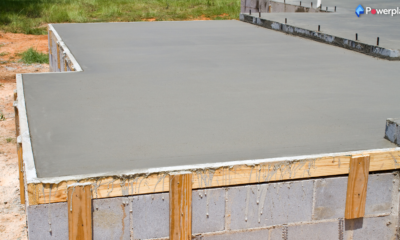
In construction, a small innovation can make a significant difference to the time, labour and money required to complete a building.
In Ghana, where developers and homeowners closely monitor construction costs, replacing traditional reinforcement binding wire with plastic rebar clips could offer an alternative worth considering.
Rethinking How Buildings Are Reinforced
Before concrete is poured for a floor slab, columns or beams, steel reinforcement bars must be positioned and secured to create a stable framework.
Traditionally, workers use binding wire, twisting it around intersecting bars with pliers to hold them in place.
The method is flexible, allowing workers to adjust angles and accommodate different reinforcement layouts. However, tying numerous intersections by hand can be labour-intensive, adding hours of work to construction projects.
Plastic rebar clips offer a different approach. Designed to secure reinforcement bars at predetermined angles, they can help workers assemble consistent grids more quickly.
Depending on the product, installation may require a specialised tool, potentially introducing additional equipment costs.
Weighing Efficiency Against Flexibility
For Ghanaian property developers managing apartment blocks, commercial buildings or housing estates, reducing repetitive manual work could improve productivity and help construction teams meet project schedules.
Individual homeowners building incrementally may also benefit from methods that reduce labour requirements, provided the overall costs make sense.
Yet the clips are not a universal replacement for binding wire. Their fixed geometry may limit adjustments where reinforcement layouts require unusual angles or site-specific modifications.
Product quality, durability, compatibility with the reinforcement design and installation requirements must also be assessed.
Importantly, plastic clips do not automatically guarantee adequate concrete cover. The correct spacers and approved construction methods must still be used to maintain the required distance between steel reinforcement and the concrete surface.
Innovation Must Serve the Building
For Ghana’s construction sector, the lesson is straightforward: innovation should be judged by performance, safety and total project cost, not novelty alone.
The smartest building method is the one that saves time without compromising structural integrity.
Buying a home is a major milestone, but the real test of ownership begins when the keys are in your hand and the empty rooms await your plans.
In Ghana’s increasingly urban housing market, where apartments and compact homes are popular with professionals, families and investors, thoughtful interior design can make the difference between a property that simply looks impressive and one that works beautifully for everyday life.
Designing for Comfort and Function
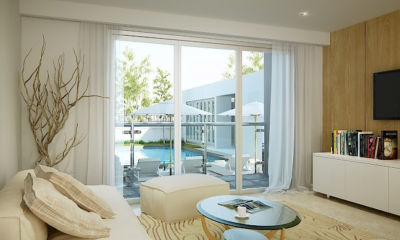
For buyers of modern developments such as Devtraco Plus, furnishing a new apartment involves more than choosing attractive sofas and decorative accessories. Every decision affects how residents move, relax and interact within their homes.
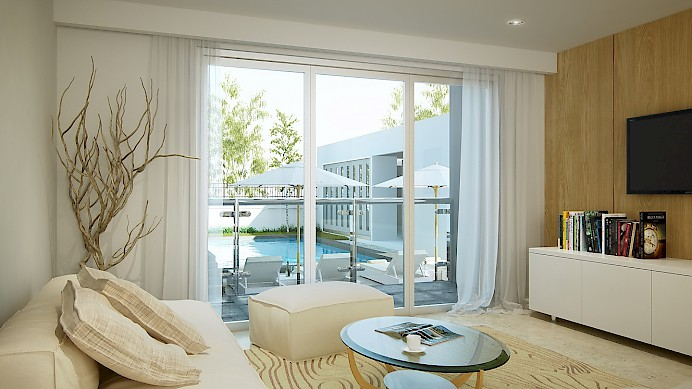
In the living room, clear walkways and carefully positioned furniture create an inviting space without making it feel cramped. Dining areas benefit from comfortable seating arrangements that encourage family meals and conversation, while appropriate lighting helps define the space.
The kitchen requires particular attention. Grouping utensils by purpose, keeping frequently used items accessible and maintaining clear preparation areas can make cooking easier, especially in apartments where storage is limited.
Bedrooms That Support Everyday Living
A bedroom should offer a retreat from Accra’s busy streets and demanding work schedules. Keeping unnecessary equipment and clutter to a minimum helps create a calmer environment. Simple furniture arrangements, soft colours and practical bedside lighting can make even a modest room feel restful.
Bathrooms also deserve attention. Secure, slip-resistant mats, accessible storage and easy-to-clean surfaces improve both safety and convenience.
Interior Design as a Property Investment
For homeowners and landlords, good design is not merely decorative. Durable finishes, efficient storage and flexible furniture arrangements can improve a property’s appeal to prospective tenants and buyers.
In Ghana, where purchasing a home often represents a substantial financial commitment, making existing space more functional can be a practical alternative to moving into a larger property.
The goal is not to fill every corner, but to make every room earn its place. A well-arranged home supports daily routines, welcomes visitors and makes ownership more rewarding long after the excitement of collecting the keys has passed.
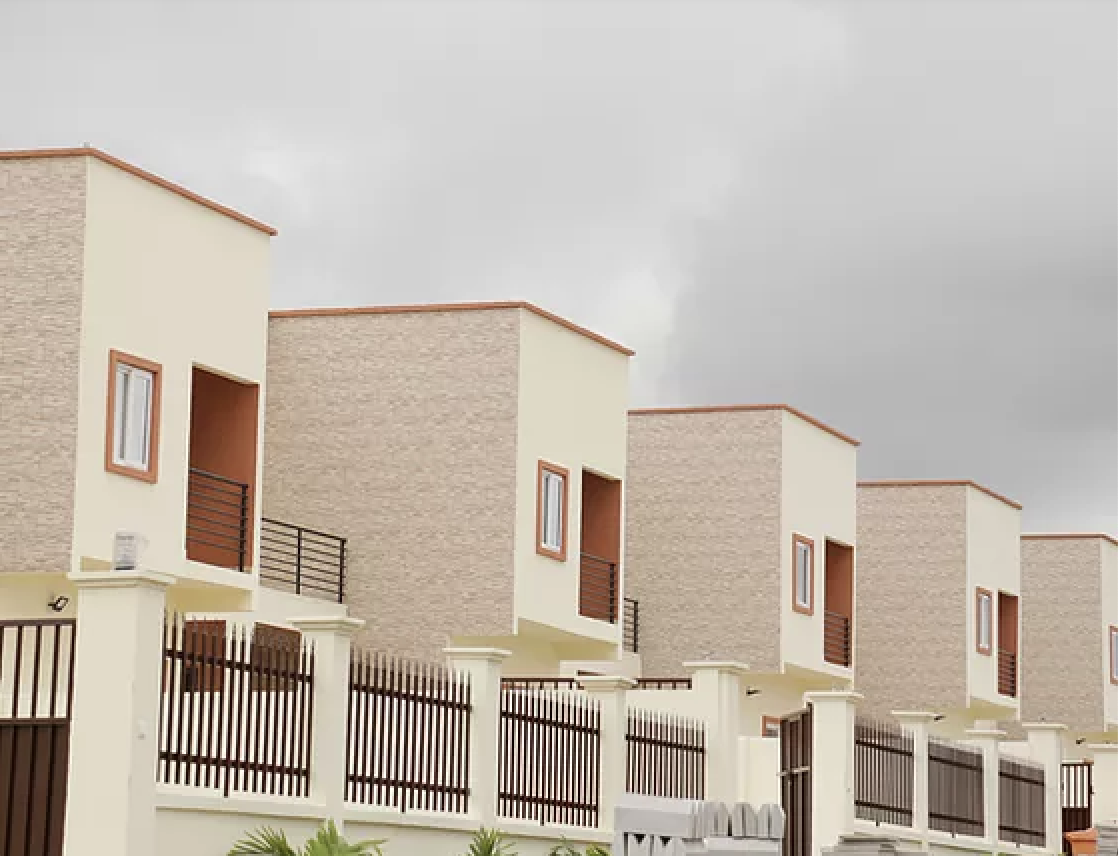
For investors watching Ghana’s expanding cities, real estate is no longer simply about buying a house and waiting for its value to rise.
Growing demand for homes, commercial spaces and short-term accommodation is creating opportunities across several parts of the property market.
Infrastructure Makes a Difference
Government initiatives aimed at encouraging private-sector investment, including incentives for eligible developers, are helping shape Ghana’s property landscape.
The continued digitisation of land records is also important for a market where ownership verification and documentation have traditionally been major concerns.
For international investors, improvements in land administration could make property transactions easier to navigate, although proper legal and professional checks remain essential.
Apartments, Land and Commercial Space
Accra remains a major focus because of its concentration of businesses, expatriates, tourists and a growing urban population. Small apartment developments can serve the demand for both longer-term tenants and short-stay accommodation.
Land banking offers another route. Areas around Peduase and Aburi, for example, have attracted interest because development can gradually increase land values.
Commercial property in busy districts such as Madina, Spintex and Osu can also benefit from steady demand from businesses and shoppers.
Returns Come With Research
The attraction of Ghanaian property lies partly in the possibility of rental income and long-term appreciation.
But the market is not a guaranteed or risk-free investment. Location, construction quality, tenant demand, title documentation, financing costs and property management can all determine whether an investment succeeds.
For Ghanaians and overseas buyers alike, the bigger opportunity may be to approach real estate not simply as a place to store money, but as part of Ghana’s changing urban economy—where the right property can provide both shelter and income.



-

 Ghana News23 hours ago
OBITUARY: Gamal Gorkeh Nkrumah, Son of Ghana’s Founding President, Dies in Cairo
-

 Health & Wellness1 day ago
Walking Is More Than Exercise: Small Steps That Can Transform Your Health
-

 Festivals & Events21 hours ago
MaddFest 2027: Welcome the New Year with a Night of Celebration in Accra
-

 Sights and Sounds2 days ago
EPP BookShop at Legon: A Destination for Students, Families and Book Lovers
-
 Homes & Real Estate2 days ago
Building Smarter in Ghana: Could Plastic Rebar Clips Improve Construction Efficiency?
-

 Arts and GH Heritage1 day ago
Inside Togo’s Abandoned Colonial Building, African Artists Reclaim Cultural Memory
-

 Global Update22 hours ago
Wave of Student Killings at Mexico Universities Raises Safety Concerns
-

 Ghana News22 hours ago
Mahama to Churches: The Real Sermon Is Written After the Closing Prayer