
Health & Wellness
The Chair is the New Cigarette: How to Reclaim Years of Life Expectancy


If you spend more than three hours a day sitting, you may have already traded away two years of your life.
It is a sobering calculation that has led health experts to coin a chilling new medical term: “Sitting Disease.” In an era where digital convenience is king, the chair has quietly become one of the most significant threats to modern longevity.
The Evolution of Inactivity
For most of human history, survival required physical toil. In the mid-19th century, roughly 90% of the population was linked to agriculture, living lives defined by constant motion. Fast forward to 2026, and that figure has plummeted to less than 2% in many developed economies.
In emerging hubs like Accra, the shift is equally palpable. As the economy transitions from physical markets and farming toward tech-heavy service sectors, more Ghanaians are trading the “active hustle” for the “office huddle.”
This sedentary shift is not merely a lifestyle change; it is a metabolic crisis. Researchers found that long-term sitting is directly linked to increased risks of type 2 diabetes, cardiovascular disease, and all-cause mortality.
The Morning Jog Myth
Perhaps the most startling insight from recent studies is that your morning workout might not be enough to save you. Experts suggest that the physiological damage caused by sitting for eight hours at a desk is largely independent of your morning jog.
Even if you hit the gym three times a week, a day spent immobile in a swivel chair or stuck in traffic continues to take its toll on your arteries and insulin sensitivity.
Dr. James Levine of the Mayo Clinic suggests a simple, albeit challenging, rule of thumb: if you have been sitting for an hour, you have been sitting for too long. His recommendation? Aim for at least 10 minutes of movement for every 60 minutes of desk time.
Practical Shifts for the Modern Professional
- Combatting sitting disease doesn’t require a radical lifestyle overhaul—it requires a series of tactical shifts in our daily habits. The goal is to “stand up for health” by integrating motion into the mundane.
- The “Walking Talk”: Stand up or pace while taking phone calls.
- Strategic Parking: Choose a parking spot at the far end of the lot to force a short walk.
- The 10-Minute Reset: Use a timer to remind yourself to stretch or walk to a colleague’s desk instead of sending an instant message.
- Screen Time Swap: Reducing television viewing to less than two hours a day can add approximately 1.5 years back to your life expectancy.
Making the Most of the Time We Control
Even those in the most restrictive professions are finding ways to adapt. Long-haul truckers, who face some of the most sedentary conditions on earth, are increasingly carrying bicycles on their rigs or utilizing walking trails at rest stops.
Success stories like Rick Ash, a trucker who lost 54 pounds by simply optimizing his breaks for movement, prove that improvement is possible in any environment.
Ultimately, your health is not determined by a single hour at the gym, but by the other 23 hours of the day. By choosing to stand more and sit less, we can reclaim the longevity that modern convenience has tried to take away.











Your body may resist your new weight after weight loss. Understanding metabolic adaptation can help you build a more realistic, sustainable maintenance plan.
Imagine two people who weigh 75 kilograms. One has maintained that weight for years, while the other has recently lost 10 kilograms after weighing 85.
Although the scale shows the same number, their bodies may not respond to food and energy in exactly the same way.
For someone who has lost substantial weight, the challenge may not end when the target is reached. The body can adapt to weight loss, making long-term maintenance more difficult than expected.
When the Body Adjusts
Weight loss reduces the amount of energy the body needs because a smaller body generally requires fewer calories to function and move.
In some people, energy expenditure also falls more than expected for their new body size, a response known as adaptive thermogenesis.
Hormonal changes can contribute, too. Signals involved in hunger and fullness may shift, leaving a person feeling hungrier while their body uses less energy than before.
This does not mean the metabolism is permanently damaged. Nor does it mean everyone who loses weight must eat less than another person of the same weight for the rest of their life. The degree of adaptation varies, and individual differences in muscle mass, activity and physiology matter.
Making Maintenance Sustainable
For people in Ghana and elsewhere, the practical lesson is to treat weight maintenance as part of the journey, not an afterthought. Regular physical activity, resistance training to preserve muscle, adequate protein and filling, nutritious meals can all support long-term progress.
After losing weight, it may also help to monitor changing hunger levels, activity and weight trends without responding to every fluctuation with severe restriction.
The goal is not to fight your body through endless dieting. It is to build routines you can live with, recognising that maintaining a lower weight may require continued attention, patience and flexibility.
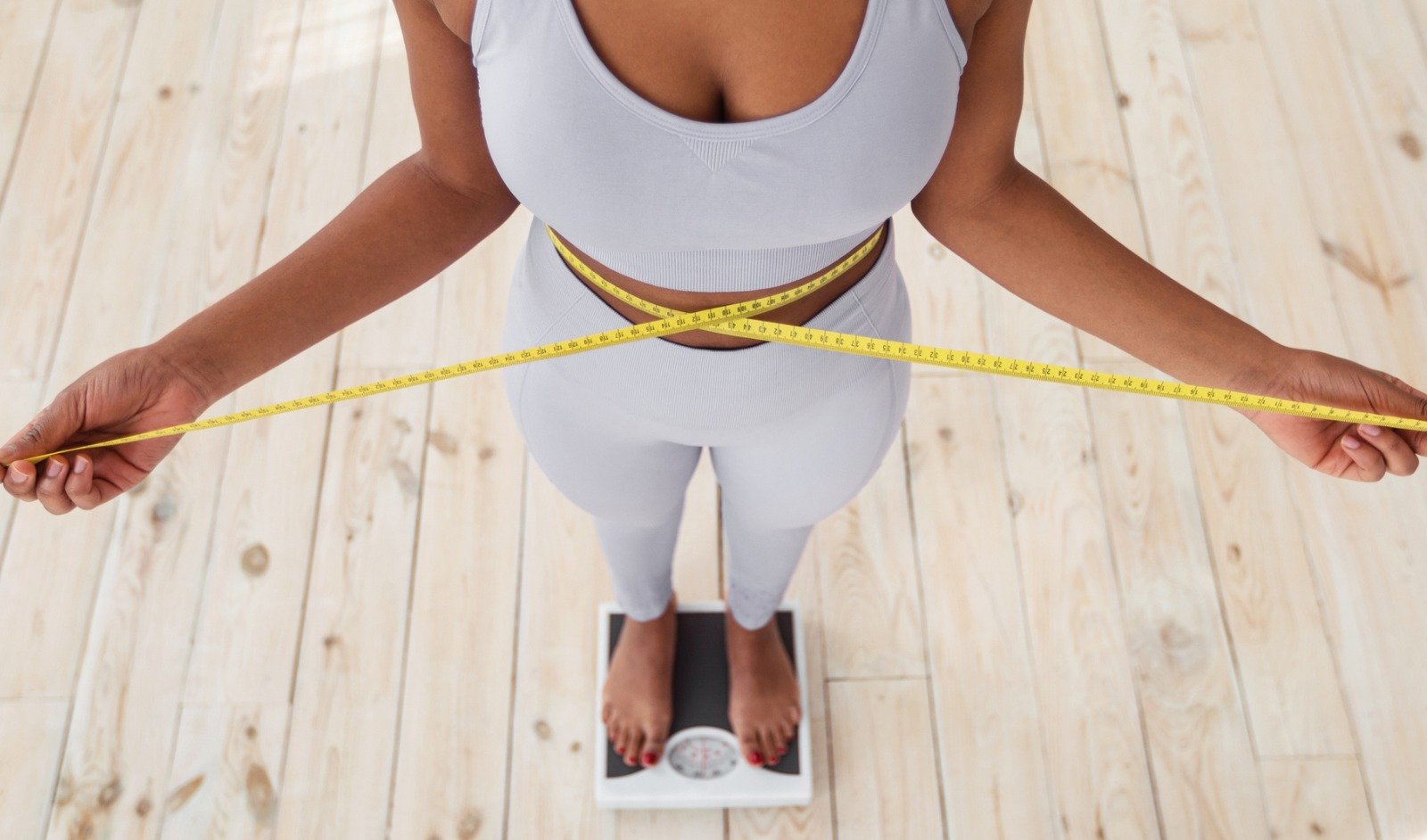
From filling your plate with nutritious foods to walking without a destination, small daily choices can help build a sustainable approach to weight management.
What if losing weight started with eating more food, not less?
It may sound surprising, but filling your plate with the right foods can make managing your weight easier. Instead of beginning with strict restrictions, a more sustainable approach focuses on everyday habits that help control hunger, manage calorie intake and keep the body moving.
Eat More Without Overloading on Calories
Volume eating is built around choosing foods that provide plenty of food for relatively few calories. Vegetables, fruits, beans and lean proteins can help make meals satisfying without pushing calorie intake too high.
For Ghanaian households, this might mean adding more kontomire, garden eggs, okra or other vegetables to meals, alongside beans, fish or lean meat. Portion sizes and cooking methods still matter, particularly when dishes contain generous amounts of oil.
Give Snacking a Second Thought
Eating between meals is not automatically unhealthy, but habitual snacking can add calories without providing much satisfaction. Establishing regular meal times and paying attention to genuine hunger may help people distinguish between needing food and simply eating out of boredom.
Intermittent fasting is optional, not essential. The aim is to develop a routine that supports adequate nutrition rather than forcing yourself to ignore hunger.
Enjoy Treats Without Losing Control
Weight management does not require abandoning favourite foods. Allowing yourself a reasonable portion of something sweet, crunchy or indulgent can make a balanced eating pattern easier to maintain. The key is enjoying it without automatically reaching for more.
Make Movement Part of Everyday Life
Walking to a nearby shop, taking the stairs or volunteering to run an errand all create opportunities to move. These activities complement planned exercise and help reduce sedentary time.
The lasting lesson is simple: sustainable weight loss is rarely built on one dramatic change. It grows from ordinary choices repeated consistently, with enough flexibility to make healthy habits part of everyday life.

What if spending just two hours a week lifting weights could do more than strengthen your muscles?
Research examining the relationship between resistance training and longevity suggests that building strength may be an important part of protecting long-term health.
The Case for Stronger Muscles
A large observational study involving approximately 147,000 participants, with a 30-year follow-up, examined how strength-training habits were associated with mortality.
Published in the British Journal of Sports Medicine, the research found that people who reported around 90 to 120 minutes of resistance training weekly experienced particularly favourable associations with longevity compared with those who did none.
The analysis reported a 13 per cent lower risk of death from all causes, a 19 per cent lower risk of cardiovascular mortality and a 27 per cent lower risk of neurological disease mortality among the relevant strength-training group.
These figures are encouraging, but they do not prove that lifting weights directly prevents death or guarantees a longer life. Observational studies identify associations, and other lifestyle factors may contribute to the results.
Making Strength Part of Everyday Life
Strength training does not have to mean lifting heavy barbells in an expensive gym. Squats, wall push-ups, resistance bands and exercises using manageable dumbbells can help build strength at home.
Carrying groceries or rising from a chair may seem ordinary, but maintaining the strength needed for such tasks becomes increasingly valuable with age.
For adults in Ghana balancing work, family responsibilities and long commutes, short, consistent sessions can be a practical starting point. Beginners should choose manageable resistance, focus on proper technique and increase difficulty gradually.
An Investment in the Years Ahead
Walking and other aerobic activities remain important for heart health, but strength training deserves a place alongside them. The goal is not simply to look stronger today; it is to preserve mobility, independence and physical capacity for the future.
Two hours a week may be a worthwhile investment in a healthier ageing journey.


Funding Fears Loom For Ghana’s Life-Saving Malaria Vaccine Five Years After Roll Out

‘There was a Coordinated Disclosure Plan’: AI-Discovered Flaw in PHP Triggers Global Internet Chaos as Cybercriminals Race to Exploit It
