
Health & Wellness
Simple Lifestyle Changes That Can Help You Lose Weight Without Extreme Diets


Weight loss advice often sounds complicated—strict diets, intense workouts, and dramatic lifestyle overhauls.
But sometimes the most effective changes are surprisingly small. Even modest adjustments to everyday habits can lead to measurable improvements in health and body weight over time.
A recent health discussion sparked by celebrity socialite Paris Hilton illustrates this point simply.
Reports that Hilton shed a few pounds after cutting fast food from her routine might seem trivial at first glance. Yet the story highlights a broader reality: small shifts in daily behavior can produce real results.
For many people navigating busy work schedules, long commutes, and digital distractions, sustainable weight management often begins with practical changes rather than drastic ones.
Small habits, big impact
Research consistently shows that everyday choices—what we drink, how we move, and how we sleep—play a major role in weight regulation.
One of the easiest adjustments is increasing daily water intake. Drinking water before or between meals can help reduce unnecessary snacking by creating a feeling of fullness. Hydration also helps people better distinguish between thirst and hunger, two signals that the body often confuses.
Equally important is cutting back on calorie-heavy beverages. Sugary sodas, sweetened coffee drinks, fruit juices, and alcohol can quietly add hundreds of calories to a day’s intake. Removing or reducing these drinks can make a noticeable difference over time without changing the rest of a diet.
Nutrition experts also emphasize the importance of dietary fiber. Whole grains, fruits, vegetables, and beans contain fiber that slows digestion and promotes longer-lasting satiety. In simple terms, fiber-rich foods help people feel full sooner and stay satisfied longer, making it easier to avoid overeating.
Movement doesn’t require a gym
While structured exercise programs can be beneficial, increasing physical activity does not always require a gym membership. Short bursts of movement throughout the day—such as walking during work breaks, taking the stairs, or doing quick bodyweight exercises—can improve circulation and burn additional calories.
This approach can be particularly useful for people working desk jobs or spending long hours in front of computers. Even a 10-minute brisk walk during a lunch break can contribute to daily activity goals.
At home, cooking more meals instead of relying on restaurant or takeaway food can also support weight management. Restaurant portions tend to be larger and often contain higher amounts of salt, oils, and calories. Preparing meals at home gives individuals greater control over ingredients and portion sizes.
Smart snacking is another small but meaningful adjustment. Replacing processed snacks with whole foods—such as fruit, nuts, or vegetables—reduces excess sugar and unhealthy fats while providing essential nutrients.
The overlooked role of sleep
One factor often overlooked in weight management is sleep. Studies have shown that people who consistently sleep fewer than seven hours a night tend to have higher body weights. Sleep deprivation can disrupt hormones that regulate hunger, increase cravings for high-calorie foods, and slow the body’s metabolism.
In other words, a good night’s sleep is not just restorative—it can also support healthy weight balance.
Sustainable change
For many people, the idea of losing weight can feel overwhelming. But health experts increasingly stress that progress does not have to begin with extreme measures.
Sometimes it starts with simple decisions: drinking water instead of soda, walking during a break, choosing whole foods, or going to bed earlier.
Individually, these steps may seem small. Together, they can gradually transform daily habits—and, over time, overall health.









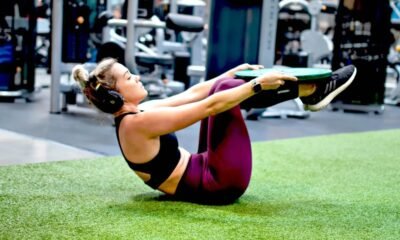


If you’ve been counting sit-ups instead of seeing results, the problem may not be your effort—it may be your strategy.
One of the biggest fitness myths is that doing endless crunches will melt away belly fat. Sit-ups strengthen the abdominal muscles, which matters for posture, balance and everyday movement.
The catch is that stronger abs don’t automatically become visible if they’re still covered by body fat.
Strength Is Only Part of the Picture
Think of your abdominal muscles like a sculpture behind a curtain. You can make the sculpture stronger, but the curtain still has to move before its shape becomes visible.
That’s why fitness experts increasingly encourage a wider approach: combine resistance training with regular movement, enough protein to support muscle, and an eating pattern you can maintain consistently.
These habits help create the conditions for losing body fat across the body, rather than trying to target one stubborn area.
The conversation around brown fat has also attracted attention. Brown fat burns energy to produce heat, while white fat mainly stores energy.
Scientists are exploring ways brown fat activity can influence metabolism, but there’s no proven shortcut that reliably turns white fat into brown fat through fasting alone in everyday life.
Build a Body That Works, Not Just One That Looks Good
For someone in Accra squeezing in a quick workout before work or a parent exercising between family responsibilities, this is good news. You don’t need hundreds of sit-ups to make progress.
Train your core, walk more, lift weights a few times each week, eat enough protein, and be patient.
The visible changes often follow the healthy habits—not the other way around.

Some of the healthiest moments in life don’t happen in a gym. They happen when you step outside, feel the sun on your face, and give your mind permission to slow down.
Many people think spending time outdoors requires a weekend getaway or an expensive adventure. The reality is much simpler.
A walk through a neighbourhood park, breakfast on a balcony, or watching the sunset after work can become small rituals with surprisingly meaningful benefits.
Nature Doesn’t Ask for Perfection
Our daily routines often keep us indoors—behind office desks, in traffic, or glued to screens. Breaking that pattern doesn’t have to mean adding another demanding task to your schedule.
Take your workout outside instead of staying on a treadmill. Turn a phone call into a walking meeting. Pack lunch for a nearby park, or carry a book to a quiet garden.
Even hobbies like photography, painting, or gardening become opportunities to spend more time in fresh air.
These small choices do more than fill your day with pleasant moments. Research has linked time in nature with lower stress levels, improved sleep, better concentration, increased physical activity, and stronger social connections.
Build a Habit That Lasts
The secret isn’t spending hours outdoors once a month. It’s making outside time feel normal.
Choose one consistent moment each day—a morning walk, an evening sunset, or watering plants after work—and protect it like any other appointment. Over time, those minutes become part of your routine rather than another item on your to-do list.
For Ghanaians, that might mean an evening stroll along Labadi Beach, a visit to Aburi’s green spaces, or simply sitting under a tree in your neighbourhood.
Nature doesn’t have to be far away. Sometimes the best medicine is waiting just outside your door.
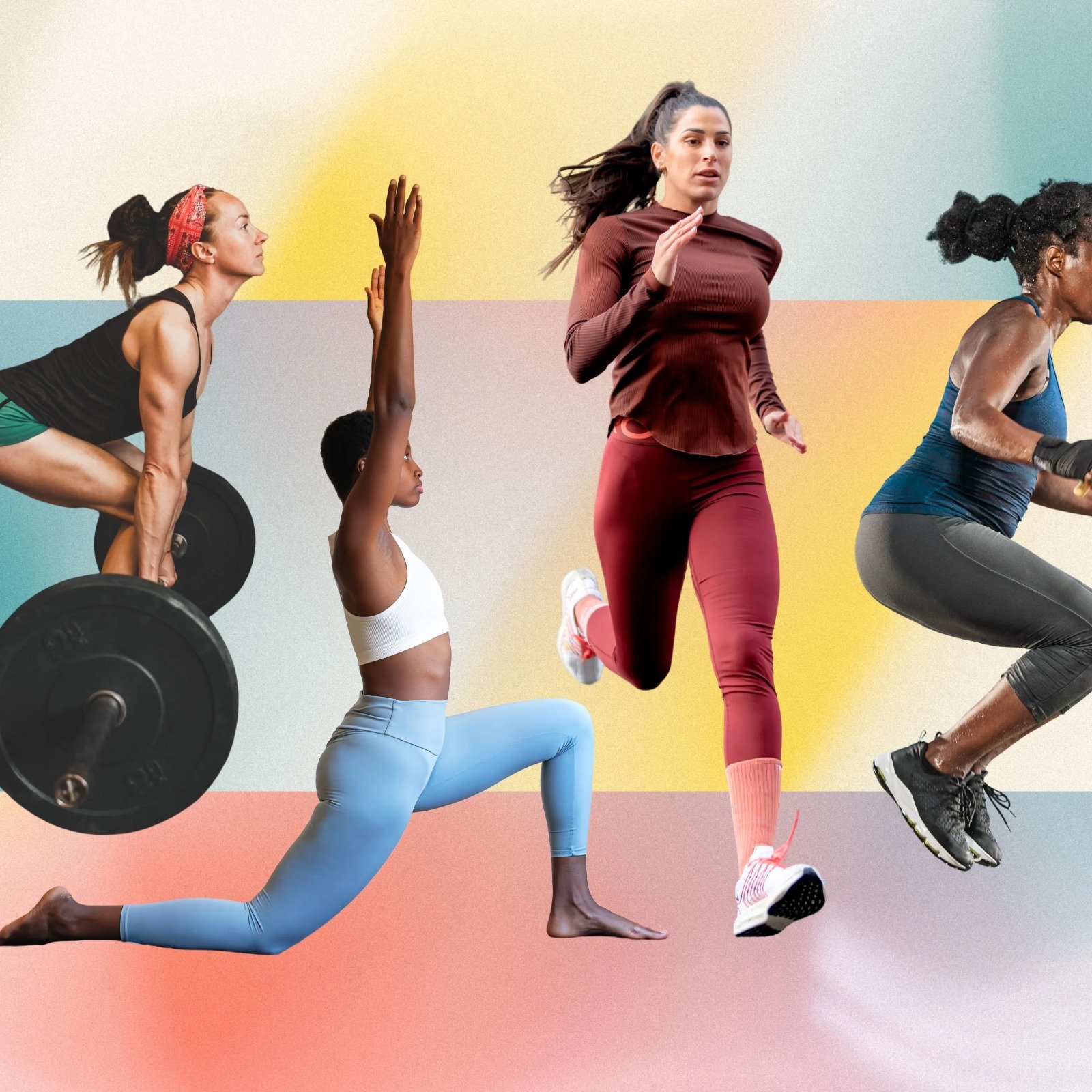
One week, your favourite workout feels effortless. The next, climbing the stairs feels like a challenge.
That shift is easy to mistake for laziness, but your menstrual cycle may be quietly changing how your body feels, recovers, and even how hungry you become.
Rather than expecting the same energy every day, learning your cycle’s patterns can help you train and eat with less frustration.
Working with your body’s rhythm
In the days before a period, many women notice stronger cravings and a bigger appetite. Research suggests energy expenditure can rise slightly during this phase for some people, though usually not by hundreds of calories.
Instead of battling every craving, it often helps to build balanced meals with protein, fibre, and healthy fats that keep you satisfied.
When menstruation begins, fatigue can become more noticeable, especially for people with heavier bleeding.
Iron-rich foods such as lean red meat, beans, kontomire (cocoyam leaves), and other dark leafy greens, paired with vitamin C-rich fruits like oranges or pineapples, can support iron absorption as part of an overall healthy diet.
Keep moving—even if you adjust the pace
As energy returns after menstruation, many people find they’re ready to increase training intensity or chase personal bests.
That doesn’t mean every cycle looks identical. Stress, sleep, nutrition, and individual hormone patterns all play a role.
The biggest lesson is surprisingly simple: your cycle doesn’t demand that you stop exercising. It invites you to adapt.
Some days call for strength training, others for a gentler walk or stretching. Listening to those signals isn’t giving in—it’s building a routine that works with your body instead of against it.


Medikal in Church and ‘Cheater’ Memes

How Ghana’s Government Pressured MTN, Telecel, and AirtelTigo to Cut Data Prices

Buckingham Palace Responds to Jamaica’s $10 Billion Reparations Demand, But the UK Government’s Wallet Remains Shut
-

 Ghana News1 day ago
Top Headlines From Ghanaian Newspapers: Monday, Sept. 7, 2026
-

 Festivals & Events1 day ago
Dzawuwu: The Volta Festival That Celebrates Agave Bravery
-

 Sights and Sounds1 day ago
Trade Accra’s Traffic for Treetops at Legon Botanical Gardens
-

 Health & Wellness1 day ago
Why 500 Sit-Ups a Day Won’t Reveal Your Abs
-

 Ghana News1 day ago
Ghanaian Vaccine and Medicine Manufacturers Get Ready Market After NVI Clinches Historic Deal to Sell to Africa’s Bulk Buying Group
-
 Taste GH21 hours ago
Tubaani Beans: Northern Ghana’s Hearty Answer to Rice and Beans
-

 Festivals & Events21 hours ago
Lagos Meets Accra: Zephans & Co Brings Summer Style to the City
-

 Ghana News6 hours ago
Top Headlines From Ghanaian Newspapers: Tuesday, Sept. 8, 2026