
Festivals & Events
Play, Learn, Belong: Ghana Hosts Its First SENshine Fest for Families and Children

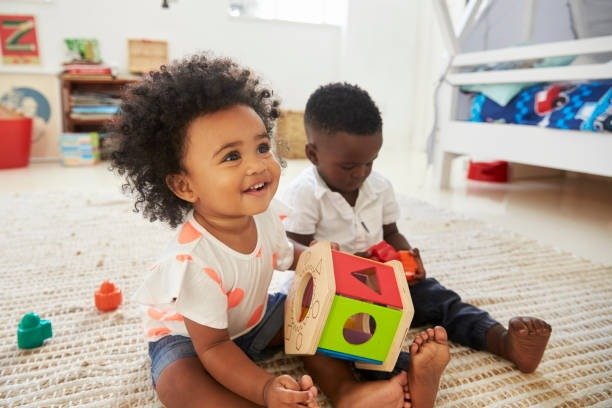
Laughter, music, and the excited bounce of children on inflatable castles will soon fill the air as a unique celebration of inclusion arrives in Ghana. For one day, families, caregivers, and children will gather not just for games and entertainment, but for something deeper: a community space where children with special educational needs are celebrated, understood, and supported.
The SENshine Fest – Ghana Edition promises exactly that—a joyful gathering built around play, learning, and connection.
Organized in partnership with Nature’s Sprout Academy, the festival brings to Ghana an event that has already created safe, welcoming environments for families raising neurodiverse children. The goal is simple but powerful: create a judgment-free space where children of all abilities can play together while parents and caregivers gain practical knowledge, encouragement, and community support.
In Ghana, conversations around neurodiversity and special educational needs are gradually becoming more open, but many families still navigate these journeys quietly. Events like SENshine Fest help shift that narrative.
By creating a public celebration that embraces every child’s individuality, the festival places inclusion at the center of community life.
Visitors can expect a vibrant, family-friendly atmosphere where laughter and movement set the tone. Children will gravitate toward the festival’s inflatables and bouncy castles—soft-edged slides, obstacle courses, and play zones designed for safe enjoyment.
For many children, particularly those with sensory sensitivities, spaces like this offer rare opportunities to engage freely while parents watch with relief and pride.
Food will also play a role in the experience. Nutritious snacks designed to support healthy digestion will be available, reflecting growing awareness about how diet can support children’s wellbeing.
Beyond the fun, the festival also creates room for learning. The SENshine Buddy Station will serve as an open “Ask Me Anything” hub, staffed by special educational needs specialists ready to answer questions without judgment. Parents and caregivers can also attend interactive workshops where culture and practical caregiving strategies meet—helping families better understand how to support neurodiverse children in everyday life.
One of the most meaningful aspects of the day will be something simple: children playing together. Side-by-side play between children with and without special needs encourages empathy, friendship, and understanding in ways that no lecture can replicate.
For visitors to Ghana, the event offers a glimpse into a changing social landscape—one where communities are learning to celebrate diversity in all its forms. For local families, it provides a rare moment of belonging and shared understanding.
Admission to the festival is free, with children up to age eleven welcomed into a space designed entirely for them. As the organizers like to say, this is more than a festival. It’s a place where every child gets to shine.



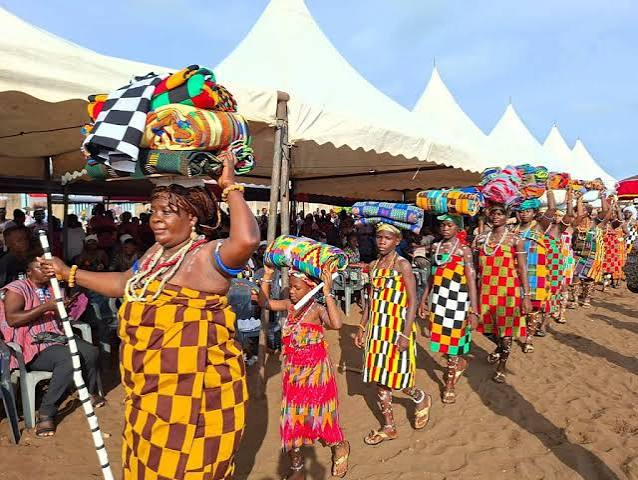
Water splashes against an imaginary wall as people gather to witness one of the most powerful stories in Ewe history.
In Ve-Deme, in Ghana’s Volta Region, the Velukusi Festival brings an ancestral struggle for freedom into the present, transforming a story of oppression, courage and escape into a living act of remembrance.
Celebrated during the first week of October, Velukusi commemorates the traditional account of the Ewes’ escape from the cruel rule of King Aghorkoli in Togo. According to the story passed down through generations, the Ewes were held behind a formidable wall.
Determined to break free, they repeatedly poured water onto a section of the structure until it weakened and collapsed.
Their escape did not end with the fallen wall. To conceal their direction of travel, they walked backwards, leaving misleading footprints for those who might pursue them. This extraordinary detail has become a defining feature of the festival’s historical re-enactment.
Bringing Ancestral Courage to Life
During Velukusi, the community revisits the escape through a dramatic performance that allows younger generations and visitors to connect with the experience of their forebears.
The re-enactment gives physical expression to a story that speaks of collective determination, ingenuity and the enduring human desire for freedom.
The festival reaches its climax with a colourful display of traditional cloths and beads, followed by a grand durbar of chiefs.
Traditional regalia, customary leadership and communal gatherings place Ewe identity at the centre of the celebration.
A Living Heritage
For the people of Ve-Deme, Velukusi is more than a historical commemoration. It strengthens community bonds and keeps ancestral memory alive at a time when younger generations are increasingly exposed to global influences.
For visitors exploring Ghana, the festival offers an opportunity to encounter the Volta Region’s heritage through storytelling, ceremony and traditional craftsmanship.
Velukusi reminds us that freedom is worth remembering—and that experiencing the traditions of Ve-Deme is a meaningful way to understand the resilience of the Ewe people.
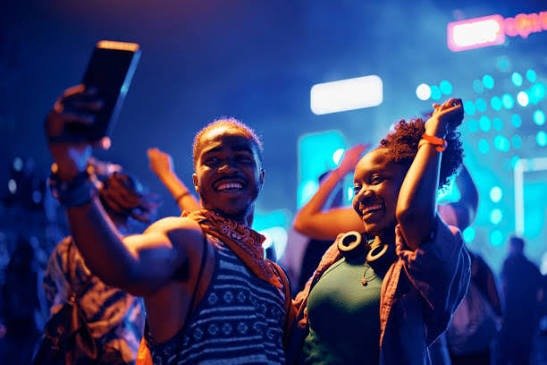
As the festive season winds down, Accra has one more reason to stay awake. Live in Ghana – MaddFest arrives at Alora Beach Resort on January 3, 2027, promising six hours of nightlife and celebration for partygoers eager to keep Ghana’s festive spirit alive.
Organised by December in Ghana, an event organiser with experience hosting entertainment events, MaddFest forms part of the social energy surrounding Ghana’s popular festive season, when music, nightlife and gatherings draw locals and international visitors together.
A Night Out by the Beach
Scheduled for Sunday, January 3, from 10 p.m. to 4 a.m., the event offers an opportunity to experience Accra after dark in a beach resort setting.
While specific performers, food offerings and activities have not yet been detailed, the event’s late-night format promises an extended opportunity for guests to socialise and enjoy the city’s entertainment scene.
Ghana’s December festivities have grown into a major attraction for the diaspora and international travellers, with concerts, parties and cultural gatherings creating opportunities to reconnect with home and discover contemporary Ghanaian music and lifestyle.
Events such as MaddFest contribute to this atmosphere, where entertainment becomes a meeting point for different generations and cultures.
Why MaddFest Deserves a Place on Your Calendar
For visitors, MaddFest offers a chance to experience Accra’s nightlife beyond daytime sightseeing.
Ghanaians returning from abroad may also find it an opportunity to reconnect with friends and enjoy the country’s lively entertainment culture.
The event is not presented as a traditional cultural festival, but its social setting reflects the role music, dancing and shared celebrations play in Ghanaian life.
With Alora Beach Resort providing the setting, guests can plan a night out that extends into the early hours of Monday morning.
Whether you are visiting Ghana for the festive season or simply looking for another reason to enjoy Accra, Live in Ghana – MaddFest offers a date worth considering. Check the official event listing for ticket details and announcements before making plans.

When December arrives in Accra, the city begins to move to its own rhythm. Friends reunite, visitors return from abroad, and the nightlife fills with opportunities to meet new people and celebrate.
On December 4, LALID LIVE 2026 will add another gathering to the capital’s festive calendar, bringing guests together at Bloom Bar on Spintex Road.
A Night Out in Ghana’s Capital
Organised by AFROWAVE 2019, LALID LIVE is scheduled for Friday, December 4, from 9 p.m. to 11:30 p.m. The in-person event invites guests to enjoy an evening of entertainment and good company.
Although detailed information about the programme, performers and activities has not yet been provided, the event offers an opportunity to explore Accra’s contemporary social scene during one of the city’s busiest tourism periods.

Ghana’s December celebrations have become an important meeting point for residents, members of the diaspora and international travellers.
Alongside concerts, cultural festivals and nightlife events, these gatherings create spaces for reconnecting with friends, discovering new entertainment and sharing experiences across cultures.
Why Put LALID LIVE on Your Calendar?
For visitors, the event presents a chance to experience Accra beyond its daytime attractions, from historic landmarks to markets and galleries. Spending an evening at a local entertainment venue can offer a different perspective on how the city socialises and welcomes guests.
For Ghanaians returning home or looking for a night out with friends, LALID LIVE provides another opportunity to connect during the festive season.
Bloom Bar, located on Spintex Road, provides the setting for the gathering. Guests should check the official event listing for ticket information and any announcements about performances or additional activities before attending.
Whether you are visiting Accra for December or simply planning an evening out, LALID LIVE 2026 is worth considering as part of the city’s growing festive programme.



-

 Ghana News1 day ago
OBITUARY: Gamal Gorkeh Nkrumah, Son of Ghana’s Founding President, Dies in Cairo
-
 Sights and Sounds2 days ago
EPP BookShop at Legon: A Destination for Students, Families and Book Lovers
-
 Health & Wellness1 day ago
Walking Is More Than Exercise: Small Steps That Can Transform Your Health
-

 Festivals & Events1 day ago
MaddFest 2027: Welcome the New Year with a Night of Celebration in Accra
-
 Homes & Real Estate2 days ago
Building Smarter in Ghana: Could Plastic Rebar Clips Improve Construction Efficiency?
-
 Arts and GH Heritage1 day ago
Inside Togo’s Abandoned Colonial Building, African Artists Reclaim Cultural Memory
-
 Global Update1 day ago
Wave of Student Killings at Mexico Universities Raises Safety Concerns
-
 Ghana News1 day ago
Mahama to Churches: The Real Sermon Is Written After the Closing Prayer