
Travel
Where Wildlife Meets History: Exploring the Shai Hills Resource Reserve

Just after sunrise, the savannah begins to glow. Golden light spills across wide grasslands while rocky hills rise abruptly from the earth like ancient watchtowers.
A troop of baboons darts across the path, pausing long enough to study the arriving visitors before disappearing into the brush.
This is Shai Hills Resource Reserve, a striking stretch of protected land less than an hour from the bustle of Accra, where wildlife, history, and landscape meet dramatically.
The reserve sits between Accra and the Volta Region, covering more than 50 square kilometers of savannah plains and rocky outcrops.
Unlike Ghana’s dense rainforest parks, Shai Hills feels wide and open. Tall grasses sway in the wind, acacia trees dot the terrain, and clusters of hills break the horizon.
These hills once sheltered the Shai people before colonial conflicts in the late 19th century forced communities to relocate to nearby settlements.
Today, remnants of that past remain in the caves carved into the rock faces—quiet spaces that once served as homes, shrines, and lookout points.
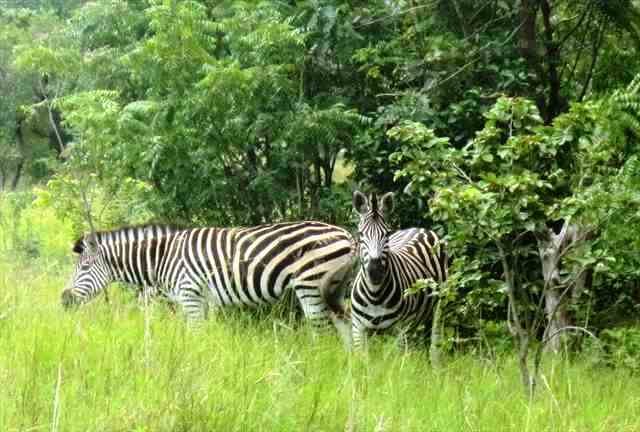
Exploring Shai Hills is as much about movement as it is about scenery. Visitors often begin with a guided drive through the reserve, where antelopes graze calmly in the distance and zebras wander the plains.
Birdlife is everywhere, bright flashes of color in the trees, accompanied by constant chatter in the warm air. For travelers eager to stretch their legs, hiking trails lead up the rocky slopes, rewarding the climb with sweeping views of the savannah below.
One of the most memorable stops is the Obonu Tem Cave, perched high within a hillside. The path up is steep and rocky, but the view from the entrance stretches across the entire reserve.
Standing there, with wind moving through the grasslands and the quiet hum of nature all around, it’s easy to imagine how the Shai people once watched the land from this very vantage point.
@_mtravels_ Here are a few things I noticed during my visit to Shai hills and if you’re visiting soon, I hope you’ll find this video helpful. If you’ve visited already, share your thoughts in the comments and share to help someone. #ghanatiktok🇬🇭 #fyp #travel #traveltips ♬ original sound – Mtravels
Beyond wildlife and hiking, Shai Hills offers smaller moments that linger with travelers—the rustle of grass underfoot, the distant call of birds, the sudden appearance of a curious baboon along the roadside.
Its proximity to Accra makes it one of the easiest nature escapes in Ghana, yet once inside the reserve, the city feels far away.
For travelers searching for wildlife, culture, and open landscapes without a long journey into the interior of the country, Shai Hills delivers an experience that feels both wild and deeply rooted in Ghana’s past.










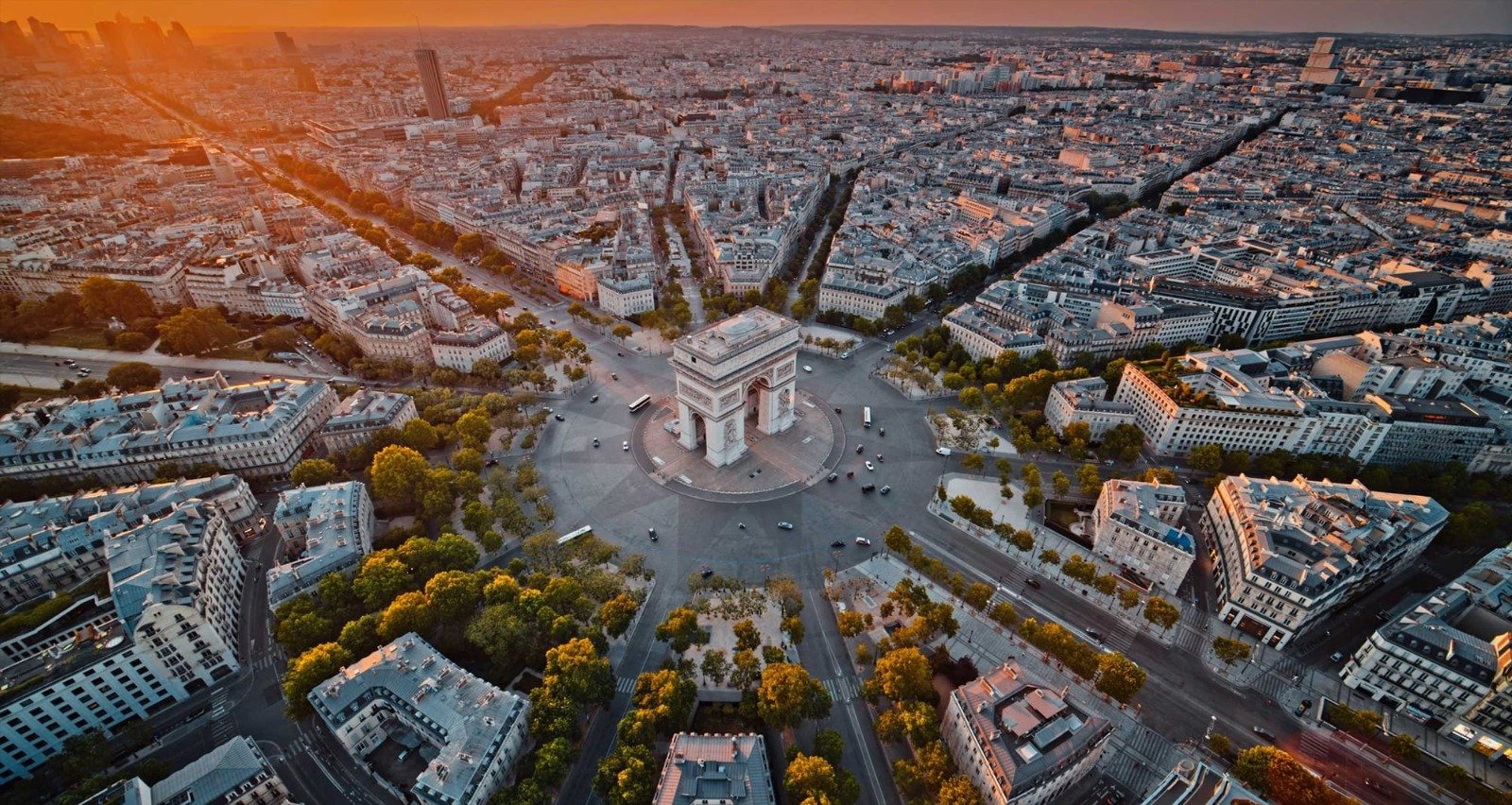
For many Ghanaian travellers, Europe often feels like a dream with a hefty price tag. Images of London’s expensive hotels, Parisian cafés and Rome’s tourist-packed streets have created the impression that exploring the continent requires a fortune.
Yet a growing number of budget-conscious travellers are discovering that some of Europe’s most rewarding destinations cost less than half as much as its famous capitals.
The difference can be dramatic.
A day in London typically costs around €120 for accommodation, meals and activities. Paris averages €110, while Rome comes in at roughly €95.
Those figures can quickly stretch the budget of anyone planning a week-long holiday.
Where the Savings Begin
Eastern and Southeastern Europe tell a different story. In Budapest, Hungary, visitors can expect to spend around €35 a day, while Skopje, North Macedonia, averages just €25.
Belgrade, Serbia, sits at about €35, Warsaw, Poland, around €40, and both Sarajevo, Bosnia and Herzegovina, and Bucharest, Romania, average roughly €25–30 daily. Tirana, Albania, is another standout at around €30.
Those prices cover the essentials that matter most to travellers: a place to sleep, local meals and activities that make a trip memorable.
More Than Just Lower Prices
The appeal goes beyond saving money. Budapest is famous for its historic thermal baths and grand riverside architecture. Sarajevo blends Ottoman and European influences in a city shaped by resilience and history.
Tirana has become known for colourful streets, lively cafés and nearby mountain escapes, while Warsaw combines restored old-world charm with a modern cultural scene.
For travellers from Ghana and elsewhere, these destinations offer the chance to experience Europe without feeling pressured to rush through attractions or overspend on basic expenses.
Making European Travel More Accessible
With airfares often taking the biggest share of an international travel budget, choosing a more affordable destination can make the rest of the trip significantly easier to manage.
Money saved on accommodation and food can be redirected toward longer stays, local experiences or visits to multiple cities.
As more travellers look beyond Europe’s best-known capitals, the continent’s lesser-publicised destinations are gaining attention for offering rich culture, impressive history and better value.
The cheapest trip is not always about spending less—it is about getting more from every euro.
There is a certain kind of magic in waking up somewhere completely unfamiliar. One moment you are falling asleep as a train rolls through the countryside, and the next you are stepping onto a platform in another city without paying for an extra hotel night.
It is one of those simple travel tricks that seasoned Europe explorers swear by, yet many first-time visitors never think to use.
After years of travelling across the continent, experienced travellers are sharing the practical habits that make European adventures smoother, cheaper and more rewarding.
From smarter transport choices to overlooked destinations, these tips prove that seeing more of Europe is not always about spending more money.
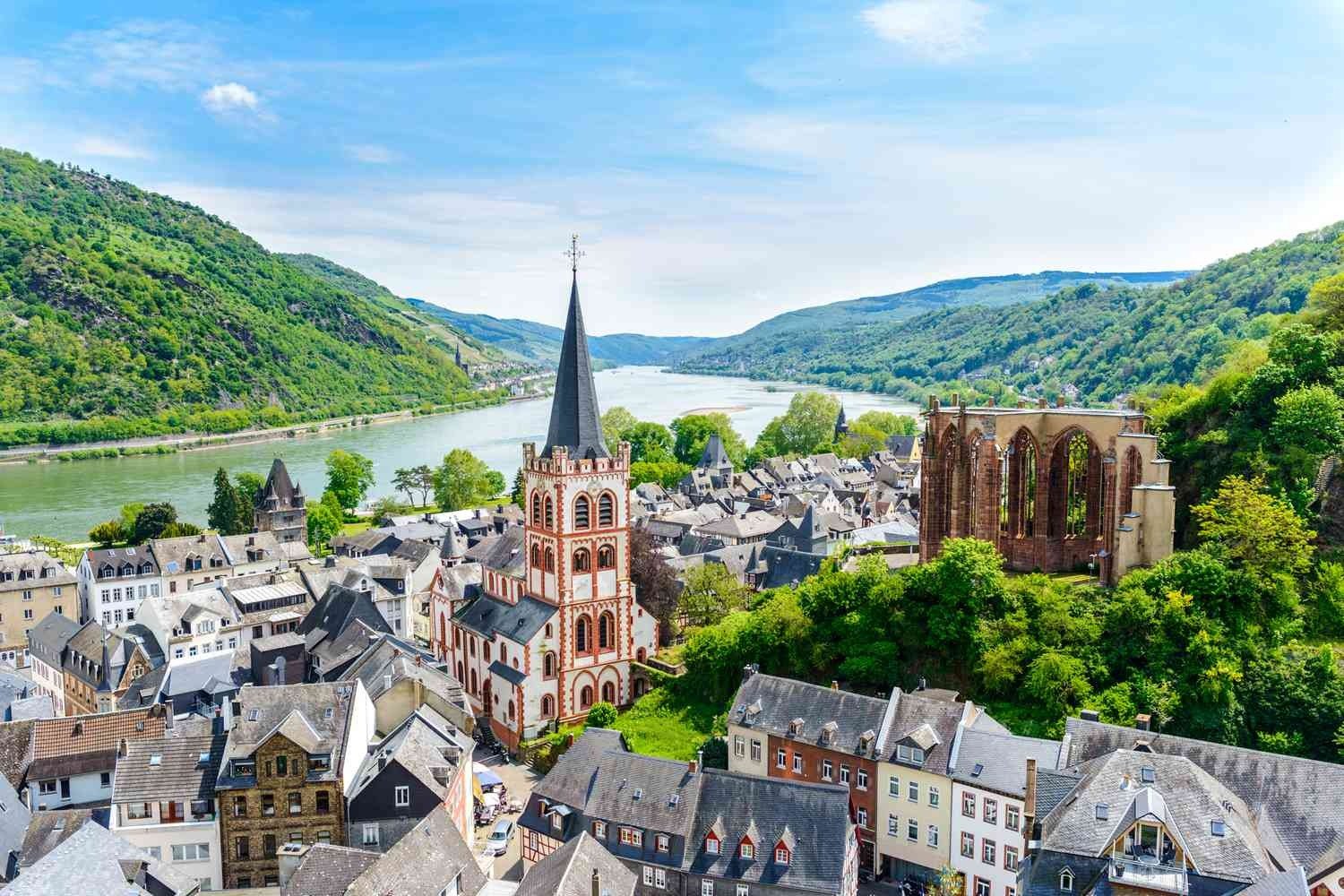
One of the biggest money-saving strategies is taking advantage of Europe’s extensive night train network. Countries including Austria, Germany, Italy and parts of Central Europe are connected by overnight rail services that allow passengers to travel while they sleep.
Instead of checking into another hotel, travellers can board an evening train and wake up ready to explore a new destination.
For budget-conscious travellers, including many Ghanaians planning multi-country European trips, this can stretch travel funds considerably while turning the journey itself into part of the experience.
Another surprisingly useful habit is downloading offline maps before arriving. Google Maps allows users to save entire cities or regions to their phones, making navigation possible even without mobile data or a reliable internet connection.
That can be especially helpful when arriving at airports late at night, exploring rural areas or trying to find accommodation in unfamiliar neighbourhoods.
Airport spending is another area where frequent travellers are finding unexpected savings. Those flying through participating European airports can use the Club Avolta app to collect loyalty points while shopping or dining.
The app offers rewards and discounts at selected airport retailers and restaurants, giving travellers extra value on purchases they might already be making during long layovers.
Accommodation is another area where travellers can rethink old assumptions. Staying directly in a city centre often comes with premium prices, but Europe’s public transport systems make nearby towns and suburbs surprisingly practical alternatives.
A short train or tram ride can significantly reduce accommodation costs while offering a quieter, more local experience away from tourist crowds.
Cities like Amsterdam, Paris and Milan all have neighbouring communities that provide easy access without the higher price tag.
Perhaps the strongest recommendation is to look beyond Europe’s most famous hotspots altogether.
Eastern Europe continues to attract travellers looking for a different side of the continent. Countries such as Poland, Romania, Hungary and Bulgaria often combine historic architecture, vibrant local culture and lower travel costs with fewer crowds than destinations like Paris or Venice.
Many visitors describe the region as offering a more relaxed pace, warm hospitality and authentic experiences that are becoming harder to find in Europe’s busiest tourist centres.
As international travel becomes more accessible, especially for Africans exploring Europe for leisure, study or business, these practical travel habits can make a noticeable difference. Sometimes the smartest travel upgrade is not booking a more expensive flight.
It is simply knowing the tricks that experienced travellers wish they had discovered much sooner.
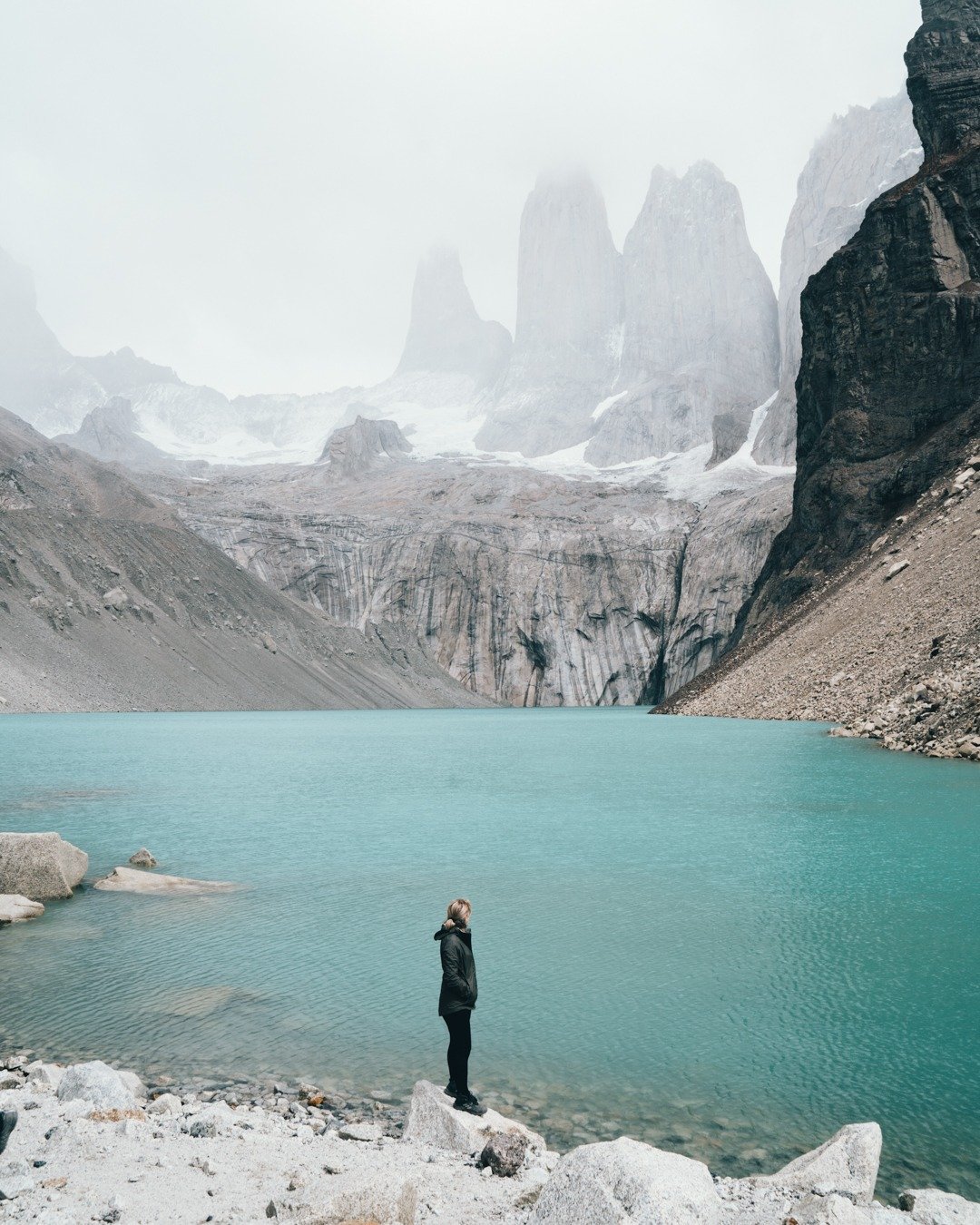
The view was everything she had imagined for years. Towering granite peaks rose above a brilliant turquoise lake in Chile’s Patagonia, creating one of the world’s most photographed hiking destinations.
After nearly four hours of climbing through the rugged landscape of Torres del Paine National Park, reaching the summit should have been a moment of pure celebration.
Instead, it became a reminder of how closely joy and sorrow can exist at the same time.
The traveller, who had long dreamed of visiting the iconic national park, described the experience as surreal. Once a young woman working tirelessly to save enough money to see the world, she had finally reached a destination she had admired through photographs for years.
Standing before the dramatic alpine scenery, she experienced the familiar disbelief many travellers know well: the feeling of finally arriving somewhere that once seemed impossibly distant.
Yet while her camera captured one of South America’s most spectacular landscapes, her thoughts kept returning thousands of kilometres away to a humanitarian disaster unfolding in Turkey and Syria.
As rescue workers searched through collapsed buildings following the devastating earthquakes, reports indicated that tens of thousands of people had lost their lives, while many more remained trapped beneath the rubble.
Families were desperately waiting for news of loved ones as emergency crews raced against time in freezing conditions.
The emotional contrast proved impossible for her to ignore.
“How can someone be living one of the best days of their life while another person is experiencing their very worst?” she reflected, expressing a question that resonates far beyond travel.
Her experience highlights a growing conversation in the age of social media, where breathtaking holiday photographs often appear alongside images of conflict, natural disasters and humanitarian crises.
For many content creators and travellers, sharing moments of personal happiness can become emotionally complicated when the wider world is facing immense suffering.
Rather than posting a collection of scenic photographs immediately, she chose to pause and acknowledge those affected by the disaster.
It was not, she explained, about feeling guilty for experiencing joy or placing herself at the centre of a global tragedy. Instead, it was about recognising a shared humanity that connects people across borders.
That perspective also reflects a broader shift in travel storytelling. Increasingly, travellers are using their platforms not only to inspire exploration but also to encourage empathy, social awareness and meaningful action.
The traveller said she never wanted her online presence to exist in isolation from the realities shaping the lives of others. While travel remains a celebration of discovery and culture, she believes it should not come at the expense of compassion for those enduring unimaginable hardship.
Her message was simple: extraordinary personal experiences and profound global tragedies can exist simultaneously. One does not erase the other.
For readers, whether in Ghana or elsewhere, the story serves as a reminder that while life’s milestones deserve celebration, they can also become moments to reflect on the fortunes we often take for granted and to support communities facing unimaginable loss.
Sometimes the most meaningful journey is not measured by the distance travelled, but by the compassion we extend to people we may never meet.


-

 Festivals & Events2 days ago
MaddFest 2027: Welcome the New Year with a Night of Celebration in Accra
-

 Global Update2 days ago
Wave of Student Killings at Mexico Universities Raises Safety Concerns
-

 Ghana News2 days ago
Mahama to Churches: The Real Sermon Is Written After the Closing Prayer
-

 Reels & Social Media Highlights2 days ago
Ghana’s Timeline Erupts: Showboy’s Crude Plea, Asantewaa’s Silence, and a Nation Divided
-

 Health & Wellness2 days ago
The Scale Can Lie: Why Lifting Weights May Help You Lose More Fat
-
 Festivals & Events1 day ago
Velukusi Festival: Re-enacting the Ewe Escape to Freedom in Ve-Deme
-

 Taste GH1 day ago
Simple, Nourishing and Rooted in Tradition: Discover Ghana’s Kapala
-

 Fashion & Style2 days ago
Dressing for Your Shape: How Strategic Styling Can Transform Everyday Fashion