
Homes & Real Estate
The House That Was Sold Twice: A Cautionary Tale Before You Buy in Ghana


There is a story that gets whispered in Accra real estate circles. A man, let us call him Kwame, had been saving for years.
He found a beautiful house in a quiet neighborhood, handed over a hefty deposit, and began making plans to move his family in.
Six months later, a stranger arrived with a key. The house had been sold to two different people. Kwame’s documents were sitting in a drawer, worthless. The other buyer’s documents were sitting at the Lands Commission, stamped and registered.
Kwame learned the hard way what too many Ghanaian homebuyers discover: in property, love at first sight is not enough. You need paperwork that holds up in a courtroom.
For Ghanaians abroad and locals alike, buying a house is the dream. It is the anchor. The inheritance you leave your children.
The thing that tells you, after years of rent receipts and moving boxes, that you have finally arrived. Areas like Tema are buzzing with modern developments, and the calls from diaspora buyers are coming in faster than ever.
But here is the thing about Ghana’s property market that no glossy brochure will tell you: the person holding the key does not always own the land.
The Documents That Will Save You
Before you hand over a single pesewa, there are three things you need to hold in your hand. Not promises. Not handshake agreements. Paper.
First is the Land Title Certificate. This is the gold standard. It means the property has walked through the doors of the Lands Commission and emerged with a clear name attached. If the seller’s name does not match this certificate, stop right there.
Second is the Indenture. Think of this as the marriage certificate between buyer and seller. It should name both parties, describe the property down to its boundaries, and bear signatures that were witnessed by people who actually saw them sign. A proper indenture is not just signed; it is stamped and registered with the state.
Third is the Consolidated Search Report. This is your insurance policy. It is a formal check with the Lands Commission to confirm that the property belongs to the seller, that it has not been sold to someone else, and that no family dispute or court case is lurking in its past.
The Unspoken Rule
Here is what experienced buyers know: a developer who hesitates to show you documents is a developer who has something to hide.
The right developers will hand you these papers before you ask. They will walk you through the process because they know that a buyer who feels secure is a buyer who will tell their friends.
At the end of the day, buying a home in Ghana is not just about square footage or kitchen finishes. It is about peace of mind. It is about knowing that the house you paid for will be the house your children inherit.
Do not let the excitement of the purchase blind you to the paperwork. A beautiful house without clean documents is not a home. It is a headache waiting to happen.









Homes & Real Estate
Building Smarter in Ghana: Could Plastic Rebar Clips Improve Construction Efficiency?
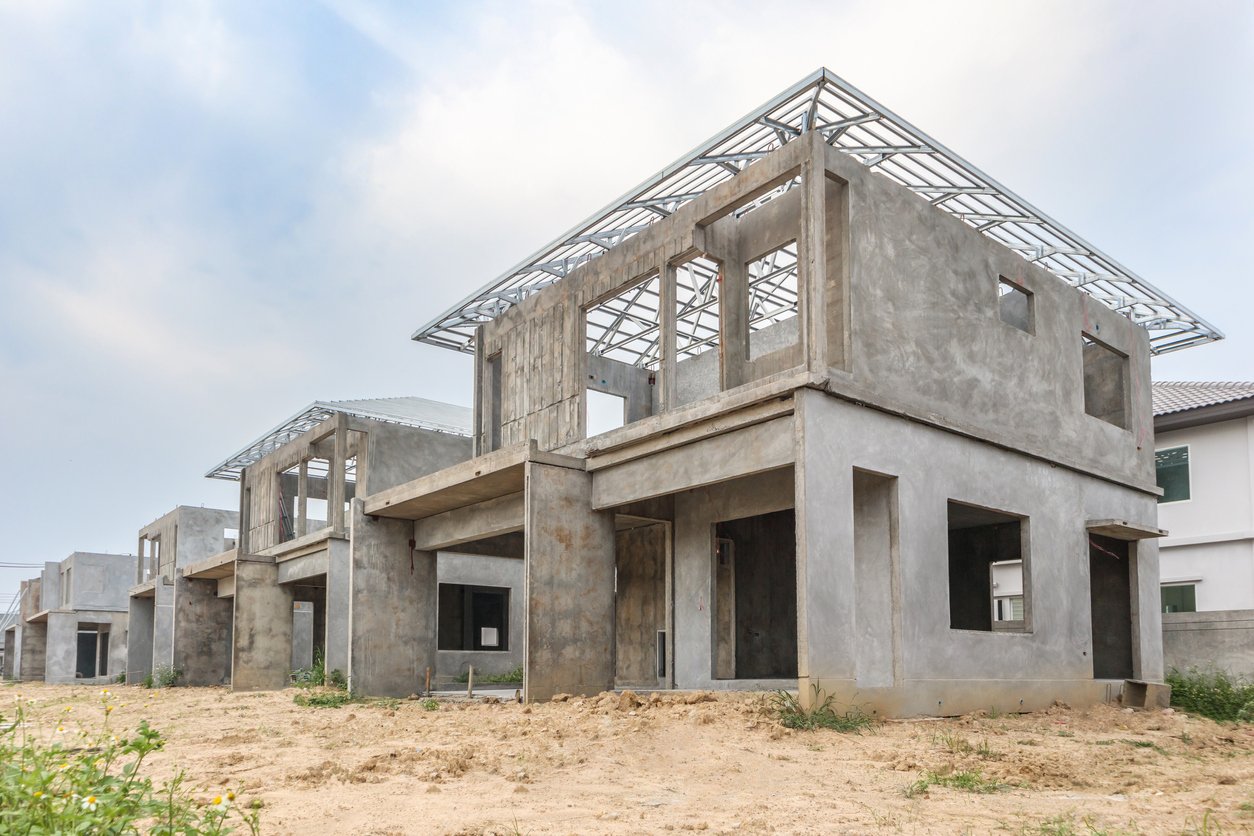
In construction, a small innovation can make a significant difference to the time, labour and money required to complete a building.
In Ghana, where developers and homeowners closely monitor construction costs, replacing traditional reinforcement binding wire with plastic rebar clips could offer an alternative worth considering.
Rethinking How Buildings Are Reinforced
Before concrete is poured for a floor slab, columns or beams, steel reinforcement bars must be positioned and secured to create a stable framework.
Traditionally, workers use binding wire, twisting it around intersecting bars with pliers to hold them in place.
The method is flexible, allowing workers to adjust angles and accommodate different reinforcement layouts. However, tying numerous intersections by hand can be labour-intensive, adding hours of work to construction projects.
Plastic rebar clips offer a different approach. Designed to secure reinforcement bars at predetermined angles, they can help workers assemble consistent grids more quickly.
Depending on the product, installation may require a specialised tool, potentially introducing additional equipment costs.
Weighing Efficiency Against Flexibility
For Ghanaian property developers managing apartment blocks, commercial buildings or housing estates, reducing repetitive manual work could improve productivity and help construction teams meet project schedules.
Individual homeowners building incrementally may also benefit from methods that reduce labour requirements, provided the overall costs make sense.
Yet the clips are not a universal replacement for binding wire. Their fixed geometry may limit adjustments where reinforcement layouts require unusual angles or site-specific modifications.
Product quality, durability, compatibility with the reinforcement design and installation requirements must also be assessed.
Importantly, plastic clips do not automatically guarantee adequate concrete cover. The correct spacers and approved construction methods must still be used to maintain the required distance between steel reinforcement and the concrete surface.
Innovation Must Serve the Building
For Ghana’s construction sector, the lesson is straightforward: innovation should be judged by performance, safety and total project cost, not novelty alone.
The smartest building method is the one that saves time without compromising structural integrity.

Buying a home is a major milestone, but the real test of ownership begins when the keys are in your hand and the empty rooms await your plans.
In Ghana’s increasingly urban housing market, where apartments and compact homes are popular with professionals, families and investors, thoughtful interior design can make the difference between a property that simply looks impressive and one that works beautifully for everyday life.
Designing for Comfort and Function
For buyers of modern developments such as Devtraco Plus, furnishing a new apartment involves more than choosing attractive sofas and decorative accessories. Every decision affects how residents move, relax and interact within their homes.
In the living room, clear walkways and carefully positioned furniture create an inviting space without making it feel cramped. Dining areas benefit from comfortable seating arrangements that encourage family meals and conversation, while appropriate lighting helps define the space.
The kitchen requires particular attention. Grouping utensils by purpose, keeping frequently used items accessible and maintaining clear preparation areas can make cooking easier, especially in apartments where storage is limited.
Bedrooms That Support Everyday Living
A bedroom should offer a retreat from Accra’s busy streets and demanding work schedules. Keeping unnecessary equipment and clutter to a minimum helps create a calmer environment. Simple furniture arrangements, soft colours and practical bedside lighting can make even a modest room feel restful.
Bathrooms also deserve attention. Secure, slip-resistant mats, accessible storage and easy-to-clean surfaces improve both safety and convenience.
Interior Design as a Property Investment
For homeowners and landlords, good design is not merely decorative. Durable finishes, efficient storage and flexible furniture arrangements can improve a property’s appeal to prospective tenants and buyers.
In Ghana, where purchasing a home often represents a substantial financial commitment, making existing space more functional can be a practical alternative to moving into a larger property.
The goal is not to fill every corner, but to make every room earn its place. A well-arranged home supports daily routines, welcomes visitors and makes ownership more rewarding long after the excitement of collecting the keys has passed.
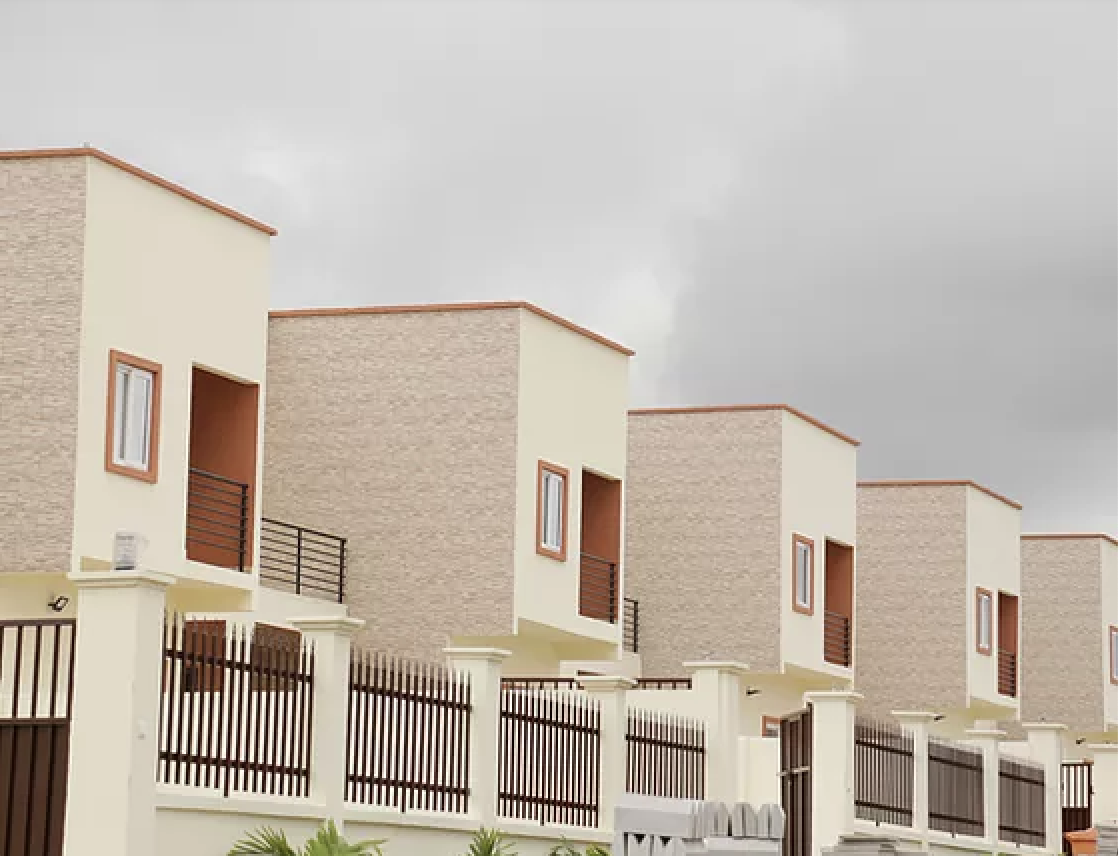
For investors watching Ghana’s expanding cities, real estate is no longer simply about buying a house and waiting for its value to rise.
Growing demand for homes, commercial spaces and short-term accommodation is creating opportunities across several parts of the property market.
Infrastructure Makes a Difference
Government initiatives aimed at encouraging private-sector investment, including incentives for eligible developers, are helping shape Ghana’s property landscape.
The continued digitisation of land records is also important for a market where ownership verification and documentation have traditionally been major concerns.
For international investors, improvements in land administration could make property transactions easier to navigate, although proper legal and professional checks remain essential.
Apartments, Land and Commercial Space
Accra remains a major focus because of its concentration of businesses, expatriates, tourists and a growing urban population. Small apartment developments can serve the demand for both longer-term tenants and short-stay accommodation.
Land banking offers another route. Areas around Peduase and Aburi, for example, have attracted interest because development can gradually increase land values.
Commercial property in busy districts such as Madina, Spintex and Osu can also benefit from steady demand from businesses and shoppers.
Returns Come With Research
The attraction of Ghanaian property lies partly in the possibility of rental income and long-term appreciation.
But the market is not a guaranteed or risk-free investment. Location, construction quality, tenant demand, title documentation, financing costs and property management can all determine whether an investment succeeds.
For Ghanaians and overseas buyers alike, the bigger opportunity may be to approach real estate not simply as a place to store money, but as part of Ghana’s changing urban economy—where the right property can provide both shelter and income.

-

 Reels & Social Media Highlights2 days ago
Ghana’s Timeline Erupts: Showboy’s Crude Plea, Asantewaa’s Silence, and a Nation Divided
-

 Health & Wellness2 days ago
The Scale Can Lie: Why Lifting Weights May Help You Lose More Fat
-

 Festivals & Events1 day ago
Velukusi Festival: Re-enacting the Ewe Escape to Freedom in Ve-Deme
-

 Taste GH1 day ago
Simple, Nourishing and Rooted in Tradition: Discover Ghana’s Kapala
-

 Fashion & Style2 days ago
Dressing for Your Shape: How Strategic Styling Can Transform Everyday Fashion
-

 Health & Wellness1 day ago
The Weight-Loss Plateau: How Daily Movement and Hidden Calories Can Matter