
Homes & Real Estate
From Negotiation to Keys: Mastering the Art of the Deal in Ghana’s Elite Real Estate
In Accra’s luxury market, the price on the sign is just a suggestion—your real ‘homecoming’ begins the moment you learn how to call the seller’s bluff.


For many in the diaspora, the dream of “returning home” is often anchored by a physical structure—a sanctuary in the heart of Accra that mirrors the luxury they’ve grown accustomed to in London, New York, or Toronto.
You’ve seen the glossy Instagram reels of glass-fronted apartments in Airport Residential and the sprawling villas of East Legon. But there is a wide, expensive chasm between “liking” a post and holding the keys to a property that actually holds its value.
The Ghana luxury real estate market is booming, but for the unsuspecting returnee, it can feel like navigating a gold mine without a map.
If you want to invest back home, you have to stop thinking like a tourist and start thinking like a local power player.
The Myth of the “Fixed” Price
In many Western markets, the listing price is a rigid starting point. In Ghana’s luxury sector, the sticker price is often an invitation to a dance.
Sellers frequently bake a “Diaspora Premium” into their initial ask, assuming that buyers from abroad aren’t attuned to the local price per square meter.
To win, you must lead with data. Did you know that a high-end apartment in the Airport Residential Area should hover around $6,500 per sqm, while East Legon sits closer to $4,500?
Before you even hop on a Zoom call with an agent, you need to be armed with these benchmarks.
When you walk into a negotiation knowing the last three years of price trends, you aren’t just another buyer; you’re a strategist.
Hunting for the “Ghost” Listings
The best deals in Accra rarely make it to a public website. They exist in the “Coming Soon” shadows—properties held by sellers who want a quiet, professional exit without the circus of a hundred public viewings.
This is where your network becomes your net worth. You need an agent who doesn’t just send you links, but who has the “inside track” on developers prepping for a soft launch.
When you catch a seller before the official marketing blitz, you aren’t just beating the competition; you’re catching the seller at their most flexible.
This is your window to negotiate terms that matter more than price—like extended payment plans or custom floor modifications.
The Psychology of the Opening Move
Never start at the list price. In the Ghanaian luxury context, an opening bid of 10% to 15% below the asking price isn’t an insult; it’s a standard opening gambit.
However, price is only one lever. If you want to keep the seller engaged while offering less cash, get creative with your “contingency add-ons.”
Are you an all-cash buyer? Can you offer a shortened inspection period because you have a trusted local surveyor on standby? Or perhaps you can offer a flexible move-in timeline, allowing the current owner extra time to relocate.
In luxury deals, convenience often carries more weight than a few extra thousand dollars.
The Power of Walking Away (and Coming Back)
The most dangerous thing a diaspora buyer can do is fall in love with a “dream home” before the paperwork is signed. The moment an agent senses your emotional attachment, your leverage evaporates.
Determine your “Walk-Away Price” in your home currency and stick to it. If the numbers don’t align, be prepared to end the conversation politely. Ghana’s market is dynamic; a property that feels “impossible” today might still be sitting unsold in six months. A seller who was stubborn in March is often much more reasonable by September. Patience is a currency that many buyers forget to spend.
The New Frontier: The Developer Direct Route
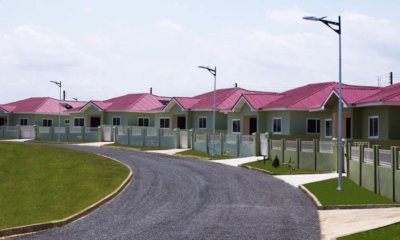
If the “dance” of resale negotiations feels too exhausting, there is a smarter way to enter the market: The New Build. Specialized developers like VAAL Ghana are shifting the landscape.
By looking at projects like Harmonia Residence, you bypass the risks of inherited defects and “inflated” resale egos.
Starting at $250k for luxury apartments in Airport West, these developments offer something a resale can’t: Customization.
When you buy into a pre-construction phase, you aren’t just buying a box; you’re influencing the finishings, the layout, and the aesthetic.
It’s the ultimate “flex” for a diaspora investor—getting a brand-new, ultramodern home with a gym, rooftop lounge, and 24/7 security, often at a price that compares favorably to a decade-old resale.








Homes & Real Estate
Building Smarter in Ghana: Could Plastic Rebar Clips Improve Construction Efficiency?
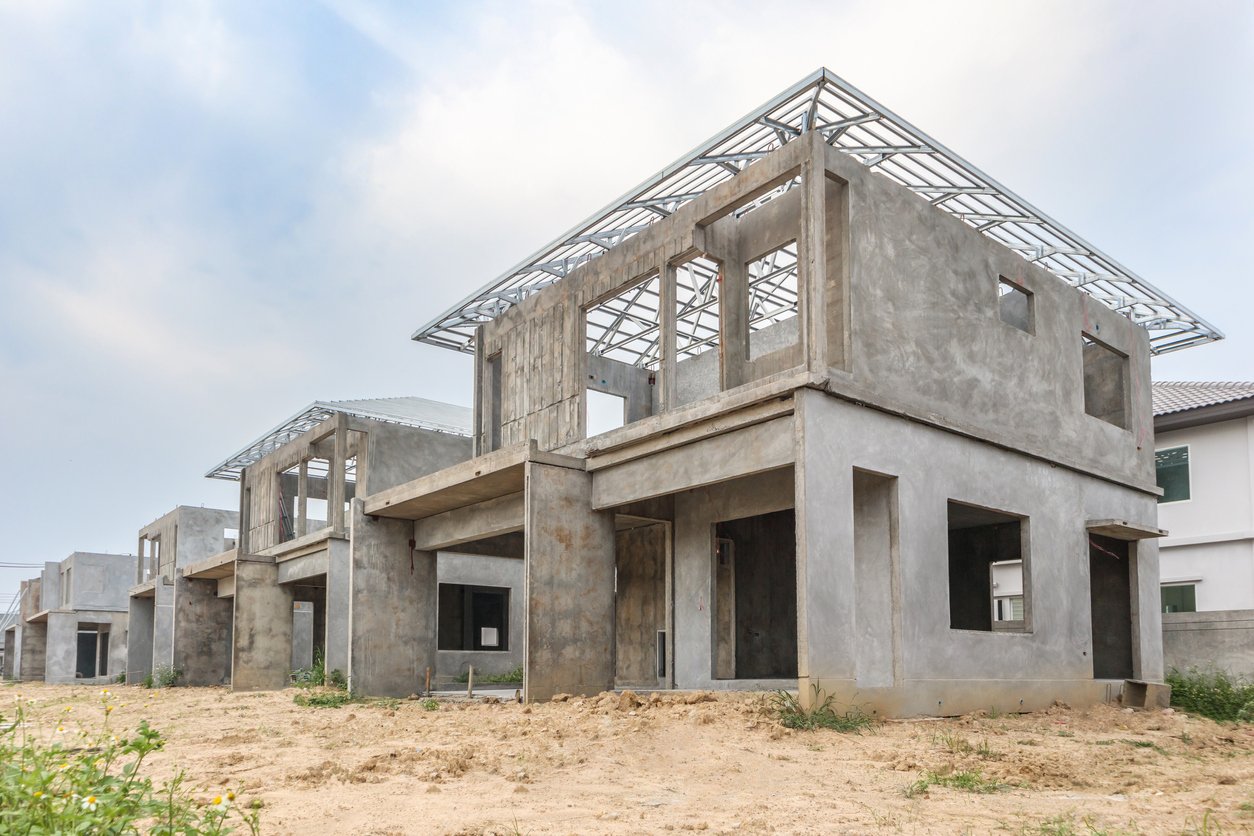
In construction, a small innovation can make a significant difference to the time, labour and money required to complete a building.
In Ghana, where developers and homeowners closely monitor construction costs, replacing traditional reinforcement binding wire with plastic rebar clips could offer an alternative worth considering.
Rethinking How Buildings Are Reinforced
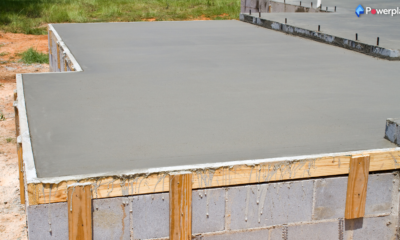
Before concrete is poured for a floor slab, columns or beams, steel reinforcement bars must be positioned and secured to create a stable framework.
Traditionally, workers use binding wire, twisting it around intersecting bars with pliers to hold them in place.
The method is flexible, allowing workers to adjust angles and accommodate different reinforcement layouts. However, tying numerous intersections by hand can be labour-intensive, adding hours of work to construction projects.
Plastic rebar clips offer a different approach. Designed to secure reinforcement bars at predetermined angles, they can help workers assemble consistent grids more quickly.
Depending on the product, installation may require a specialised tool, potentially introducing additional equipment costs.
Weighing Efficiency Against Flexibility
For Ghanaian property developers managing apartment blocks, commercial buildings or housing estates, reducing repetitive manual work could improve productivity and help construction teams meet project schedules.
Individual homeowners building incrementally may also benefit from methods that reduce labour requirements, provided the overall costs make sense.
Yet the clips are not a universal replacement for binding wire. Their fixed geometry may limit adjustments where reinforcement layouts require unusual angles or site-specific modifications.
Product quality, durability, compatibility with the reinforcement design and installation requirements must also be assessed.
Importantly, plastic clips do not automatically guarantee adequate concrete cover. The correct spacers and approved construction methods must still be used to maintain the required distance between steel reinforcement and the concrete surface.
Innovation Must Serve the Building
For Ghana’s construction sector, the lesson is straightforward: innovation should be judged by performance, safety and total project cost, not novelty alone.
The smartest building method is the one that saves time without compromising structural integrity.
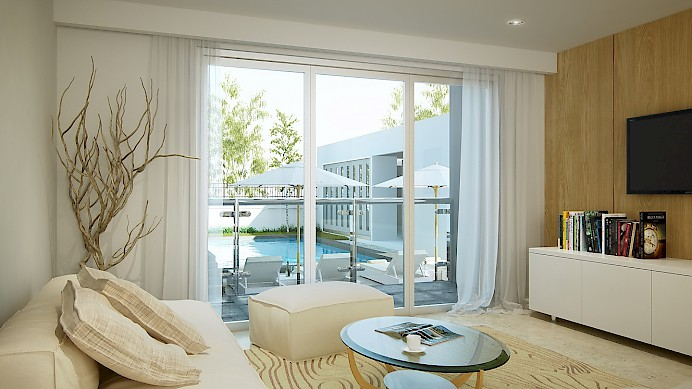
Buying a home is a major milestone, but the real test of ownership begins when the keys are in your hand and the empty rooms await your plans.
In Ghana’s increasingly urban housing market, where apartments and compact homes are popular with professionals, families and investors, thoughtful interior design can make the difference between a property that simply looks impressive and one that works beautifully for everyday life.
Designing for Comfort and Function
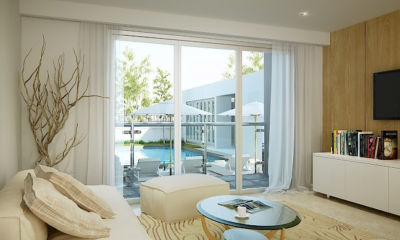
For buyers of modern developments such as Devtraco Plus, furnishing a new apartment involves more than choosing attractive sofas and decorative accessories. Every decision affects how residents move, relax and interact within their homes.
In the living room, clear walkways and carefully positioned furniture create an inviting space without making it feel cramped. Dining areas benefit from comfortable seating arrangements that encourage family meals and conversation, while appropriate lighting helps define the space.
The kitchen requires particular attention. Grouping utensils by purpose, keeping frequently used items accessible and maintaining clear preparation areas can make cooking easier, especially in apartments where storage is limited.
Bedrooms That Support Everyday Living
A bedroom should offer a retreat from Accra’s busy streets and demanding work schedules. Keeping unnecessary equipment and clutter to a minimum helps create a calmer environment. Simple furniture arrangements, soft colours and practical bedside lighting can make even a modest room feel restful.
Bathrooms also deserve attention. Secure, slip-resistant mats, accessible storage and easy-to-clean surfaces improve both safety and convenience.
Interior Design as a Property Investment
For homeowners and landlords, good design is not merely decorative. Durable finishes, efficient storage and flexible furniture arrangements can improve a property’s appeal to prospective tenants and buyers.
In Ghana, where purchasing a home often represents a substantial financial commitment, making existing space more functional can be a practical alternative to moving into a larger property.
The goal is not to fill every corner, but to make every room earn its place. A well-arranged home supports daily routines, welcomes visitors and makes ownership more rewarding long after the excitement of collecting the keys has passed.
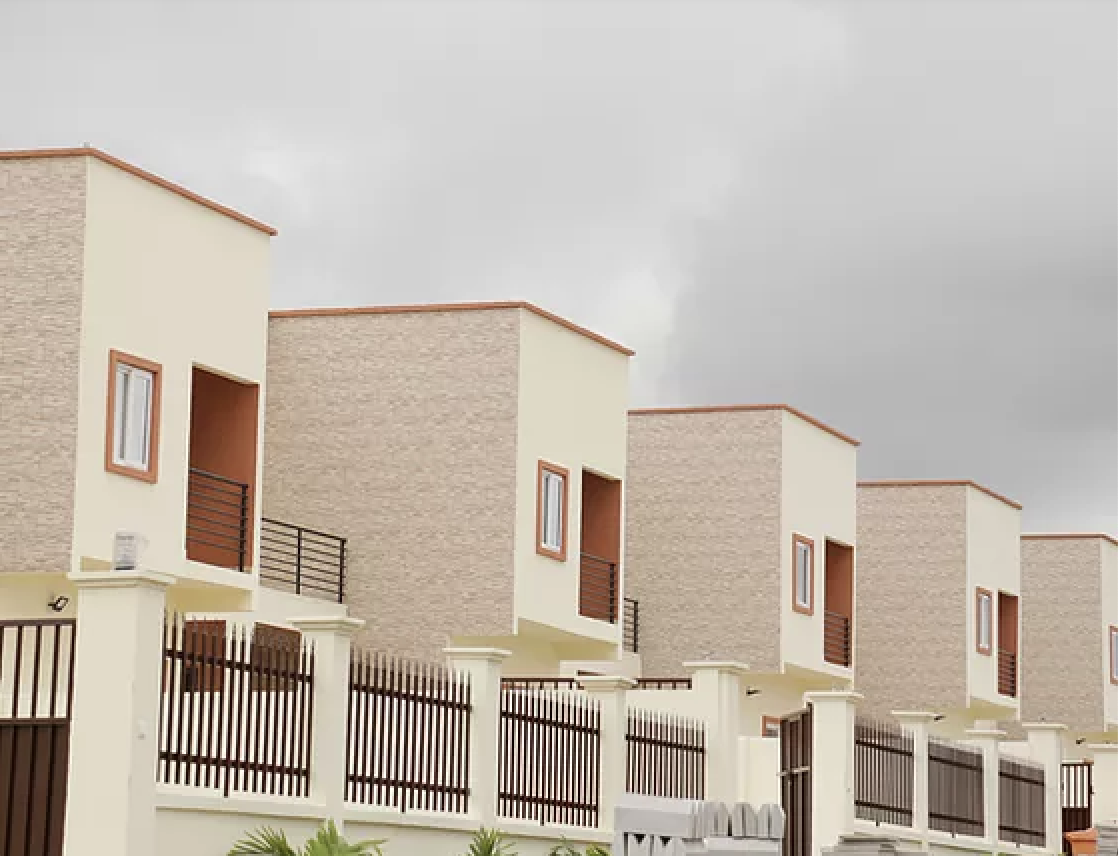
For investors watching Ghana’s expanding cities, real estate is no longer simply about buying a house and waiting for its value to rise.
Growing demand for homes, commercial spaces and short-term accommodation is creating opportunities across several parts of the property market.
Infrastructure Makes a Difference
Government initiatives aimed at encouraging private-sector investment, including incentives for eligible developers, are helping shape Ghana’s property landscape.
The continued digitisation of land records is also important for a market where ownership verification and documentation have traditionally been major concerns.
For international investors, improvements in land administration could make property transactions easier to navigate, although proper legal and professional checks remain essential.
Apartments, Land and Commercial Space
Accra remains a major focus because of its concentration of businesses, expatriates, tourists and a growing urban population. Small apartment developments can serve the demand for both longer-term tenants and short-stay accommodation.
Land banking offers another route. Areas around Peduase and Aburi, for example, have attracted interest because development can gradually increase land values.
Commercial property in busy districts such as Madina, Spintex and Osu can also benefit from steady demand from businesses and shoppers.
Returns Come With Research
The attraction of Ghanaian property lies partly in the possibility of rental income and long-term appreciation.
But the market is not a guaranteed or risk-free investment. Location, construction quality, tenant demand, title documentation, financing costs and property management can all determine whether an investment succeeds.
For Ghanaians and overseas buyers alike, the bigger opportunity may be to approach real estate not simply as a place to store money, but as part of Ghana’s changing urban economy—where the right property can provide both shelter and income.


-

 Ghana News2 days ago
OBITUARY: Gamal Gorkeh Nkrumah, Son of Ghana’s Founding President, Dies in Cairo
-

 Festivals & Events2 days ago
MaddFest 2027: Welcome the New Year with a Night of Celebration in Accra
-

 Global Update2 days ago
Wave of Student Killings at Mexico Universities Raises Safety Concerns
-

 Ghana News2 days ago
Mahama to Churches: The Real Sermon Is Written After the Closing Prayer
-

 Reels & Social Media Highlights2 days ago
Ghana’s Timeline Erupts: Showboy’s Crude Plea, Asantewaa’s Silence, and a Nation Divided
-

 Health & Wellness2 days ago
The Scale Can Lie: Why Lifting Weights May Help You Lose More Fat
-

 Festivals & Events1 day ago
Velukusi Festival: Re-enacting the Ewe Escape to Freedom in Ve-Deme
-

 Taste GH1 day ago
Simple, Nourishing and Rooted in Tradition: Discover Ghana’s Kapala