
Reels & Social Media Highlights
How Social Media is Painting Ghana’s 69th Independence Day Celebration

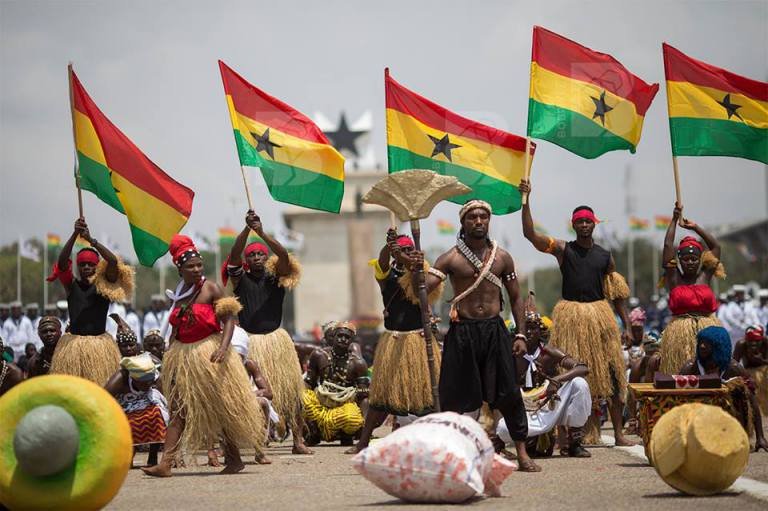
Scroll through your timeline tonight, and you will feel it. The flags are going up in the neighborhoods. The last-minute tailors are working overtime. But the main stage for this year’s Independence celebration? It is right in our palms.
On Friday, March 6, Ghana turns 69. And if you want to know how we are really preparing, forget the parade routes. Look at the trends. Right now, the energy is split between a football-fueled frenzy and a quiet revival of everything hand-woven.
The National Jersey Hunt
Let us address the chaos. If you do not have a Black Stars jersey by now, you might have to sit this one out.
Social media has turned jersey-buying into a competitive sport. Videos are surfacing everywhere showing crowds crammed into sports shops, grabbing at anything that is red, gold, and green. Prices that sat quietly at GH¢80 have reportedly jumped to GH¢1500 in some spots. Vendors and customers are going back and forth, and there is already talk of regulators stepping in.
Why now? It is not just fashion. The Black Stars are heading to the World Cup, and that energy is spilling directly into our national day. People are tired of waiting for politics to give them a reason to feel proud. Football delivered first.
🥳Some 69 on Friday to celebrate Ghana at 69 🇬🇭🇬🇭 pic.twitter.com/dyZJidYOgh
— 𝖲ɣᑯ౿ᑯ𓃵 (@Mi_Syded) March 5, 2026
As one user put it:
Football brings us together in ways politics never could 🇬🇭 who else agrees
— Grace_Unspeakable (@Great8_Grace) March 3, 2026
Another fan captured the rush:
This is the real Black Stars spirit – rush am before dem increase price again! March 6 we go show full force, no cap!
— Stessy ✨ (@stessysteve) March 3, 2026
But where there is a trend, there is always a gentle pushback. Content creator Kobe Boujee raised an eyebrow and asked the question on some minds:
How about Ghanaians channel the same energy to the Fugu this March, like the Ghana jersey?? At least you could wear it one very occasion.
— Kobe Boujee (@kobeboujee) March 2026
The Fugu Hold
And honestly? The timing is right.
Just weeks ago, the Fugu (or Batakari) was at the center of an unexpected storm. When President Mahama wore one to Zambia, the jokes came fast. But the comeback was faster. Ghanaians turned the mockery into a movement, pushing #FuguDay and #FuguPride to trend globally with millions of posts.
A vintage clip of Kwame Nkrumah is making the rounds again, reminding us why this matters:
Kwame Nkrumah wore African cloth while declaring that we are capable of managing our own affairs. We must trade among ourselves, produce what we consume, add value to our resources, respect our culture, and project pride in who we are. Development starts with mindset. Culture is power. Identity is strength. Self-belief is development.
— Abeiku Santana (@AbeikuSantana) February 2026
March is officially Ghana Month, and the “wear Ghana” push has real legs this year. Offices are coordinating Fugu Wednesdays. Podcast hosts are sitting in Kente. Families are booking studio sessions in matching prints. The debate online—jersey versus smock, modern versus traditional—is lively. But the fact that we are arguing about culture at all? That is the win.
The Eve Mood
Beyond the clothes, the preparation is also mental. The Ghana Studies Association is hosting a heavy conversation with President Mahama and ex-President Kufuor on “Ghana in Uncertain Times.” The Africa Prosperity Network is mixing musicians with politicians to talk about opening borders.
And for the ones who just want to feel something good, a video from the 10th Independence celebration at Labadi Beach is floating around:
Throwback to Ghana’s 10th independence Anniversary celebration at Labadi Beach in March 1967.
— Trendsgist (@Trendsgistt) March 3, 2026
Watching the crowd in 1967 move to highlife by the shore hits different tonight. It is a quiet reminder that this feeling—this pride—is not new. It just wakes up every March.
Tonight’s Vibe
So as we sit in Independence Eve, the preparation looks different on everyone. Some are ironing jerseys. Some are shaking out smocks. Some are logging into Zoom to hear the elders speak.
The thread tying it all together? A real hunger to feel good about home again. Whether it comes from a World Cup qualification or a strip of handwoven cloth, the pride is honest.
Tomorrow, wear something. Wear red, gold, and green. Wear a jersey. Wear a smock. Just wear it like you mean it.
Happy 69th, Ghana. We are not just counting years. We are living them.










Ghana’s social media spaces were ablaze on Tuesday, September 7, 2026, as a potent mix of celebrity worship, relationship debates, and viral security concerns captured the nation’s attention.
The digital streets of Facebook and X (formerly Twitter) were anything but quiet, showcasing the country’s unique blend of humour, outrage, and cultural commentary.
@prophetelbernardsfanpage Prophet Bernard Elbernard Nelson-Eshun weeks ago invited Medikal and he showed up at Spiritlife Revival Ministries #prophetbernardelbernard #bernardelbernard #viral #fyp #SpiritlifeRevivalMinistries ♬ original sound – ProphetElbernards_fanpage
One of the most surprising viral moments featured Ghanaian rapper Medikal, whose surprise appearance at Prophet ElBernard’s Spiritlife Revival Ministries sparked widespread discussion.
Dressed sharply and actively participating in worship, the rapper’s presence challenged perceptions about the intersection of secular celebrity and faith, quickly becoming a top-trending conversation.
Meanwhile, a major debate erupted over the Joy Prime podcast ‘Talk Your Shhh‘ after a panellist advised women to pursue married men they considered “good”.
The comments, perceived as promoting infidelity, drew sharp backlash. Celebrities like Efia Odo and Moliy condemned the advice, fueling a fiery debate about morality and media influence.
Adding a lighter, cross-border twist, a new Ghanaian marriage registry app named Marrify went viral—but for an unexpected reason.
The app’s promotional image featured South African actor S’dumo Mtshali, who has become a pan-African meme for infidelity.
Ghanaians and South Africans flooded the timeline with jokes, dubbing him the “Face of Cheaters” as the app allowed users to check marital status.
Concerns over security also trended after a disturbing CCTV clip of a daylight armed robbery circulated widely, sparking outrage and fear.
TRENDING 🇬🇭🚨:
— WithAlvin 🇬🇭 (@withAlvin__) September 7, 2026
CCTV Footage Shows How Robbers Entered a Home, Shot, and Made Off With Valuables
These robbers are getting bolder by the day! I trust the Ghana Police pic.twitter.com/35ZZXfTOpS
The nation’s social mood oscillated between humour and serious debate, reflecting a society deeply engaged with faith, celebrity culture, and pressing social issues.
Reels & Social Media Highlights
From Viral Outrage to Economic Pain: The Trends That Dominated Ghana’s Digital Town Square
If you logged into Ghana’s social media space on Tuesday, September 1, 2026, you encountered a digital town square buzzing with a potent mix of outrage, defence, and economic anxiety.
It was a day when the nation’s cultural and economic nerves were laid bare across Facebook and X, proving that the Ghanaian online community is as reactive as it is resilient.
The most explosive topic was the controversy surrounding young content creator Adobea. A video showing the minor with what looked like a branded alcoholic beverage at a public spot sparked immediate and widespread condemnation, triggering fierce debates about child safety and adult negligence.
Broadcast journalist Nana Aba Anamoah led the charge, slamming the adults present for their “spectacular adult stupidity”.
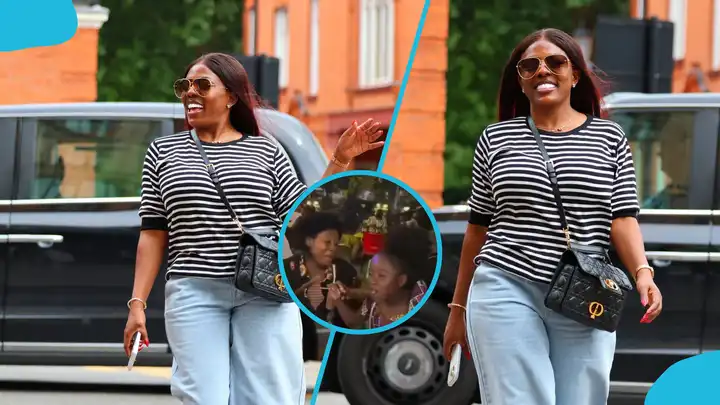
While Adobea and fellow creator Efya Gongon later claimed the bottle contained water and was part of an educational project, skepticism ran high, with calls for police intervention.
Simultaneously, the economic mood was souring online as Oil Marketing Companies began implementing fuel price increases.
With petrol hitting around GH¢16 per litre and diesel rising despite a government subsidy, a wave of frustrated commentary flooded timelines, connecting the higher cost of living to everyday struggles.
Some people have really lost the plot. A grown woman (clearly without a functioning brain) is sitting right beside a child drinking Smirnoff Ice, while another fool is busy filming the whole thing instead of stopping it. Not only did nobody have the sense to take the drink away,… pic.twitter.com/nX7SOfuVom
— nana aba (@thenanaaba) September 1, 2026
While not as explosive as the Adobea saga, the fuel hike grounded the digital conversation in the realities of the pocketbook, dominating discussions about the economy’s trajectory.
These trends reveal a Ghanaian social media space that is deeply concerned with protecting its youth while simultaneously grappling with the weight of economic hardship.
The Adobea incident reflects a growing intolerance for perceived irresponsible content creation, while the reaction to fuel prices signals a populace closely monitoring governance and its impact on survival. It was a day of both viral fury and necessary realism.
Ghana’s digital streets were anything but quiet this Sunday as a potent cocktail of viral moments, celebrity drama, and economic chatter dominated timelines.
From a chief’s bold display of faith to a beauty queen’s scare and a debate over a teenager’s lavish gift, Ghanaians served up their signature blend of humour, concern, and sharp commentary.
The day’s most captivating visual came from the Central Region, where Nana Kobena Kwedu IV, the Tufohene of Gomoa Ngyiresi, was filmed lifting a Bible high during a palanquin dance at a festival.
The video ignited a spirited debate online, with many interpreting the gesture as a powerful declaration of faith, while others saw it as a masterful fusion of tradition and spirituality. It quickly became a defining image of the weekend.
The mood shifted sharply with the alarming news that former beauty queen Ohemaa GMB had reportedly attempted to take her own life following a theft allegation.
The story trended intensely for hours, sparking an outpouring of concern and a broader conversation about mental health.
Ohemma Sappama Angela, the Bono East Region representative in Ghana's Most Beautiful 2023, was caught in a theft incident where she allegedly stole an Abaya lace and ladies dress.
— K.floyd🥷 (@itz_rande) August 21, 2026
From Ghana most beautiful competition to this. Life 💔 pic.twitter.com/H8mdCt7HtK
Thankfully, the reports were later debunked by a Dunkwa-based blogger, with friends confirming she was alive, prompting a collective sigh of relief from netizens.
Meanwhile, a more light-hearted debate erupted over a video of a University of Ghana student, Caroline Dede Pardie, receiving a three-bedroom house and an iPhone 16 Pro Max for her 20th birthday.
While many celebrated the mother’s generosity, the video also triggered a fierce online debate about privilege and whether a three-bedroom house qualifies as a “mansion”.
These trending moments—from a chief’s piety to a celebrity’s crisis and a display of extreme wealth—underscore the vibrant, unfiltered, and often contradictory nature of Ghanaian digital culture.
They reflect a society that is deeply spiritual, socially conscious, and always ready to weigh in on the rich tapestry of its public life.


The Guns Turned Inward: Niger’s Mutiny and Russia’s Fragile Bargain in the Sahel | By Joseph McCarthy

Game-Changing Move: Ghana Sets Up New Fiscal Council to Scrutinize Government Spending and Win Back Investors

Ghana’s Persistence Pays Off: AU Formally Commits to Tabling Xenophobia Petition in January 2027
-

 Ghana News2 days ago
Top Headlines From Ghanaian Newspapers: Tuesday, Sept. 8, 2026
-

 Ghana News2 days ago
How Ghana’s Government Pressured MTN, Telecel, and AirtelTigo to Cut Data Prices
-
 Arts and GH Heritage2 days ago
The Stories We Live With: Inside Nubuke Foundation’s Weight of the Ordinary
-
 Ghana News17 hours ago
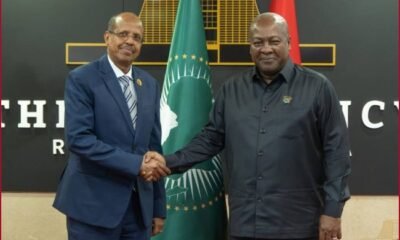
Ghana’s Persistence Pays Off: AU Formally Commits to Tabling Xenophobia Petition in January 2027
-

 Ghana News2 days ago
Buckingham Palace Responds to Jamaica’s $10 Billion Reparations Demand, But the UK Government’s Wallet Remains Shut
-

 Ghana News18 hours ago
Top Headlines From Ghanaian Newspapers: Wednesday, Sept. 9, 2026
-

 Africa Watch2 days ago
British-Nigerian Influencer Dies After Penis Enlargement Procedure in Thailand
-

 Health & Wellness1 day ago
Health Isn’t Slow—Our Expectations Are Too Fast