
Ghana News
1,400 Africans Recruited, 55 Ghanaians Killed: New Report Exposes Deadly Russian Recruitment Network Targeting Africa

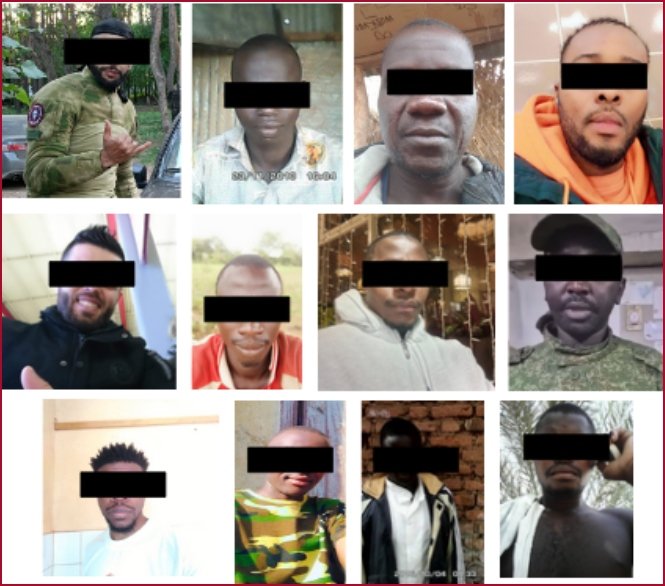
A sweeping new investigation has documented that at least 1,417 African nationals were recruited to fight for the Russian army in Ukraine between January 2023 and September 2025.
The figure includes 55 Ghanaians confirmed killed in the conflict, exposing a covert and deadly network exploiting vulnerable young people across the continent.
The findings are contained in a report titled “The Business of Despair,” published in February 2026 by the Swiss-based investigative group INPACT, in collaboration with the All Eyes on Wagner project.
The report provides the most detailed evidence to date of what it calls a “deliberate and organized strategy” by Moscow to address personnel shortages by exploiting socio-economic vulnerabilities across Africa.
The Scale of the Operation
According to the investigation, Cameroonian nationals suffered the highest number of confirmed deaths at 94, followed by Ghanaians with 55, and Egyptians with 52.
In total, INPACT documented 316 African recruits killed in action, though researchers warn the actual figure is likely significantly higher.
The report is based on verified files containing the names, dates of birth, military registration numbers, contract signing dates, and units of affiliation for 1,417 African nationals who signed contracts with the Russian army. A separate list details those killed, including their recorded date of death and months of service before being killed.
INPACT investigators verified the authenticity of the lists by cross-referencing digital traces, including social media postings left by the purported recruits.
How the Recruitment Network Operates
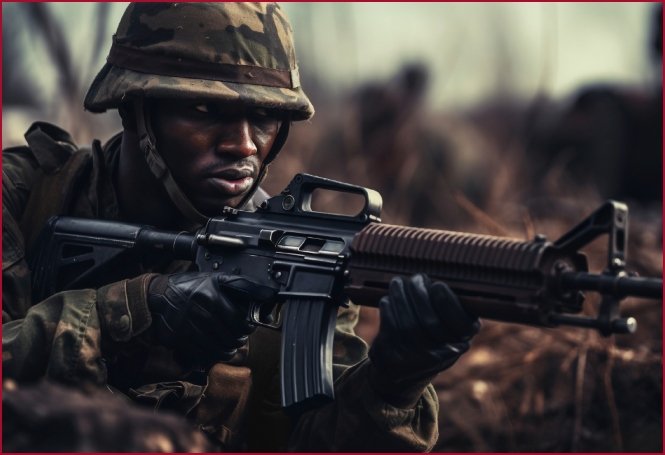
The investigation reveals a sophisticated transnational network exploiting young Africans’ aspirations for education, employment, and migration.
“Recruitment tactics target young people aspiring to pursue higher education abroad, particularly in fields presented as strategic; job seekers eager for economic opportunities; and candidates for irregular migration to Europe, for whom Russia is presented as an alternative route,” the report states .
The infrastructure includes travel agencies operating as logistical intermediaries, local pro-Russian individuals and organisations, and co-optation networks where former recruits become recruiters themselves. Bogus job offers, promises of scholarships, and administrative regularisation are common lures.
In some cases, victims pay significant sums—between $13,000 and $18,000 in documented Kenyan cases—to foreign companies purportedly handling visa processing and travel logistics.
‘Cannon Fodder’ on the Front Lines
Once in Russia, recruits face a brutal reality. Instead of civilian employment, they are funnelled into military service and deployed to Ukraine, often with minimal training.
INPACT’s research indicates that African recruits are integrated into assault waves designed to overwhelm Ukrainian defensive lines, contributing to a strategy of attrition . The mortality rate is staggering: of the documented recruits, 316 died in combat—on average, within six months of arrival. Fifty-one Africans died within a month of reaching the front.
Kenyan junior foreign minister Abraham Korir Sing’Oei has publicly stated that Russia is using the recruits as “cannon fodder” at the front.
Testimonies gathered by investigators paint a harrowing picture. A Nigerian recruit, Bankole Manchi, described being transported to a military camp upon arrival in Moscow alongside recruits from Ghana, France, Brazil, and China. “Once you enter the camp, there is no going back,” he recalled. After training, they were deployed under cover of darkness and found themselves inside Ukrainian territory under heavy fire.
A widely viewed video posted online showed a Kenyan recruit named Francis with an anti-tank mine strapped to his chest, as a Russian soldier hurled racist slurs and said he would be used as a “can opener” to breach Ukrainian lines.
Promises Never Kept
Recruits were enticed with offers that never materialized. Advertisements promised initial cash payments of US$2,000 to US$30,000 and monthly salaries of US$2,000 to US$5,000, plus health insurance and Russian citizenship. In many African countries, these represent enormous sums.
At least one Russian operator, posing as a visa agent in Kenyan social media groups, boasted privately to an INPACT investigator that he was a member of the Russian Federal Security Service (FSB) — the former KGB.
African Governments Begin to Respond
The revelations have prompted action from some African governments, raising questions about Ghana’s official response.
Kenya’s foreign minister Musalia Mudavadi has announced he will travel to Moscow to address the cases of dozens of Kenyan nationals. Kenyan authorities have arrested and arraigned recruitment agents, and a Russian businessman linked to the network was deported.
South African President Cyril Ramaphosa raised the issue directly with Vladimir Putin in a February 11 phone call, seeking the repatriation of 17 South African citizens. Five South Africans, including a state broadcaster radio host, are currently on trial for allegedly violating anti-mercenary laws by recruiting citizens for the Russian army.
Cameroon has also signaled measures to prevent citizen enlistment in external conflicts.
Questions for Ghana
With 55 confirmed Ghanaian casualties—the second-highest on the continent—the report raises urgent questions for Ghanaian authorities:
- What is the government’s level of awareness regarding these recruitment networks operating within or targeting Ghana?
- What steps are being taken to identify and dismantle any local recruitment infrastructure?
- How is the government supporting the families of deceased victims and seeking the return of any surviving Ghanaians still trapped in the conflict zone?
- What diplomatic representations, if any, have been made to Russian authorities?
As of the time of publication, official responses from Ghana’s Ministry of Foreign Affairs and Ministry of the Interior have not been publicly detailed.
A Continental Crisis
The INPACT investigation reveal a broader crisis: the exploitation of Africa’s youth by shadowy networks operating with impunity across borders.
“Economic hardship across Africa is being exploited by shadowy recruitment networks, with young men particularly vulnerable to being drawn into foreign wars under the guise of employment,” the report warns.
Recruitment postings continue to appear on official platforms. INPACT flagged advertisements on a Kenyan government job site seeking 84 livestock managers and 11 butchers for the Russia/Kazakhstan region—positions requiring master’s degrees in animal nutrition and bachelor’s degrees in veterinary science for work described as pig farming and butchery.
“The ads share similarities: a two-year contract and a salary of 60,000 RUB (approximately US$660 monthly). Clicking on the offers confirms that they are only for positions in Russia,” the report notes.
‘The Business of Despair’
INPACT’s report concludes that the recruitment networks have generated “a commercial ecosystem that has created opportunities for individuals and businesses to enrich themselves from human misery”.
For the families of the 55 Ghanaian nationals confirmed killed—and for unknown others whose deaths remain undocumented—that misery is now a permanent reality.
The full INPACT report, “The Business of Despair,” is available through the organization’s website. The investigation continues to document cases and track recruitment networks across the continent.







Ghana News
Ghana’s President Congratulates Brazil’s Lula on Historic Fourth Term, Vows to Champion Global South Agenda
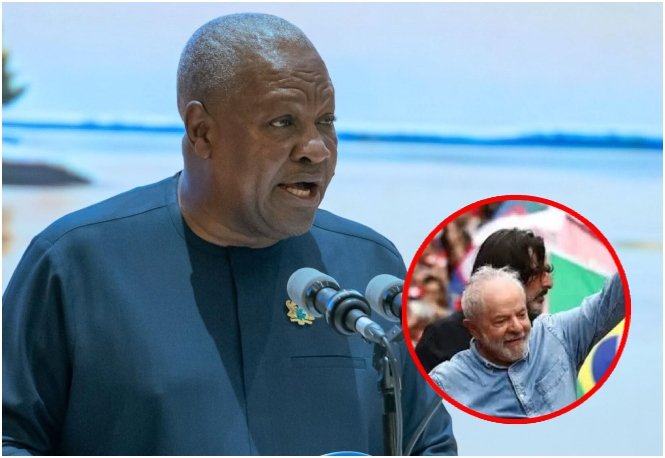
President John Dramani Mahama has congratulated Brazilian President Luiz Inácio Lula da Silva on his re-election to a fourth, non-consecutive term, calling the victory “well-deserved” and reaffirming Ghana and Brazil’s shared commitment to championing the Global South agenda.
In a message posted on social media, Mahama expressed confidence in the future of relations between the two countries, highlighting their shared history and prospects for stronger bilateral cooperation.
“Congratulations to President @LulaOficial on your well-deserved re-election as President of Brazil,” Mahama stated.
The Ghanaian leader said he looked forward to deepening cooperation with Brazil through the Accra Reset initiative, which seeks to reshape international development cooperation and strengthen the capacity of countries in the Global South to determine their own development priorities.
“Brazil and Ghana share a rich history, and I look forward to further strengthening our bilateral relations,” Mahama added. “Together, through the Accra Reset initiative, we will continue championing the Global South agenda for the betterment of our peoples. Parabéns!”
Lula Wins Closely Contested Run-off
Lula secured re-election in Brazil’s presidential run-off on Sunday, October 25, defeating Senator Flávio Bolsonaro, son of former president Jair Bolsonaro.
Official results from Brazil’s Superior Electoral Court showed Lula winning 51.79% of valid votes, more than 64.2 million ballots, against Bolsonaro’s 48.21%. The result followed a closely contested campaign in which Bolsonaro had led after the first round of voting.
The election marked a significant moment in Brazil’s political history, making Lula the first person to be elected president of the country four times. His latest victory followed a campaign centered on his record in government, social welfare policies and economic development, amid a sharply divided electorate. He is scheduled to begin his new term on January 5, 2027.
A former metalworker and trade union leader, Lula rose to prominence through Brazil’s labor movement before co-founding the Workers’ Party. He first became president in 2003 and served two consecutive terms until 2010. After returning to office in January 2023 following his 2022 election victory, he secured another mandate in the 2026 election, extending his decades-long influence on Brazilian politics and international affairs.
Shared Push for Historical Justice
Mahama and Lula have also aligned on issues concerning historical justice and the interests of developing countries.
In March 2026, Ghana led efforts at the United Nations General Assembly to secure the adoption of a resolution declaring the trafficking of enslaved Africans and the racialized chattel enslavement of Africans the gravest crime against humanity. The resolution received 123 votes in favor, three against and 52 abstentions, with Mahama addressing the Assembly ahead of the vote on behalf of the African Group.
Trade Ties Worth US$763 Million
Ghana and Brazil have maintained diplomatic relations and pursued cooperation in trade, agriculture, technical exchange and other areas of mutual interest.
In 2024, bilateral trade reached approximately $763 million, according to Brazil’s ambassador to Ghana at the time. Ghana exported products including oil, minerals and cocoa paste, while Brazil supplied goods such as sugar, animal products and machinery.
The two countries have also explored cooperation in cocoa production, agricultural technology and research, providing an economic foundation for the stronger partnership Mahama says he hopes to build.

Under the shade of a giant tree in Adaklu, in Ghana’s Volta Region, mothers balance their children on their hips as they wait their turn to be vaccinated.
Among them is 27-year-old Adeline Ahitroga, a mother of four, carrying her seven-month-old twins, a boy strapped to her back and a girl held close to her chest, for their second dose of the malaria vaccine.
“I’m really glad I can protect my twins,” she said. “When my older children had malaria as babies, they would develop a fever and become weak. I was always afraid they could die. As a mother, you just wish you could take the sickness away from them.”
Five years after Ghana became one of the first countries to pilot the malaria vaccine, the program is saving children’s lives, but experts warn that sustaining those gains will depend on reliable financing and continued support for complementary malaria control measures.
A Decades-Long Search for a Vaccine
Malaria, spread through infected mosquitoes, can cause high fever, weakness, and life-threatening complications, particularly in young children. In 2024, malaria killed about 610,000 people worldwide, with Africa accounting for 95% of those deaths—children under five among the hardest hit.
For decades, a vaccine remained elusive, in part because the parasite that causes the disease is complex. That changed in 2021, when the World Health Organization (WHO) recommended wider use of the RTS,S vaccine—the result of more than three decades of scientific research, developed by GlaxoSmithKline and its partners. It targets Plasmodium falciparum, the parasite responsible for the deadliest form of malaria.
At the time, WHO Director-General Tedros Adhanom Ghebreyesus celebrated the milestone: “This long-awaited malaria vaccine is a breakthrough for science, child health, and malaria control.”
Ghana’s Pilot Program Shows Results
Ghana, Kenya, and Malawi were the first countries to pilot the vaccine. In Ghana, it is scheduled at 6, 7, 9, and 18 months of age—meaning health workers must persuade caregivers to return again and again.
In Adaklu, the district health directorate reports that nearly 70% of eligible children have completed all four doses. It also reports that annual malaria cases among children under five have fallen from about 6,000 to 2,000, with no deaths since the vaccine was introduced alongside existing malaria control measures.
Dopea Kulafa, 32, has completed all four doses for her two youngest children, aged four years and 23 months.
“My two children have been doing well since they took the vaccine,” she said. “At first, I was worried about the side effects. But after about three days, they were fine. I gave them paracetamol syrup and they recovered. From my experience, the vaccine is helping my children. And I’d encourage other mothers to get their babies vaccinated.”
Overcoming Hesitancy
Yet health workers face challenges. Emilia Tanyeva, a health worker involved in community outreach in Adaklu, says the task of persuading caregivers to return for multiple doses is becoming more difficult due to suspicions in some areas.
“Some caregivers believe that it’s a way of reducing their population,” she said. “They want to kill their children or wipe out the children that they are giving birth to.”
Others worry the malaria vaccine adds too many injections to their children’s routine immunizations.
The Importance of Completing the Schedule
Inside the Vaccine Research Laboratory at the Noguchi Memorial Institute for Medical Research in Accra, immunology professor Kwejo Asamuakusi explained why completing all four doses is critical.
“If you just do one or two, it will protect you for a few weeks to a few months, and then it’s gone,” he said. “And if at that point you feel like you are vaccinated against malaria, your child in a year’s time could easily succumb to malaria. But doing all the four extends how long that protection lasts for them. So it’s very important that we finish all of it.”
Landmark Study Finds 13% Reduction in Deaths
Since WHO recommended wider use in 2021, researchers have continued to assess the vaccine’s impact. A 2026 study published in The Lancet found that vaccinated children across Ghana, Kenya, and Malawi had a 13% lower risk of death from all causes.
“Basically, in these communities, the malaria vaccine prevented approximately one in eight deaths of children that were non-accidental, non-injury related,” said Dr. William Moss, a professor of epidemiology and deputy director of the Johns Hopkins Malaria Research Institute.
Moss said the findings are significant because the reduction in deaths was observed even though many children had not completed the full vaccine schedule. But he warned that sustaining those gains will require the vaccine to complement—not replace—existing malaria control measures.
“If funding for bed nets and surveillance, testing and treatment all decline, we’re going to see more people, unfortunately and tragically, infected with the parasite, developing disease, and even in the face of the vaccines, we’re going to see a larger disease burden,” he said.
Funding Concerns
That warning comes as global health financing faces growing pressure. Disruptions to U.S. foreign assistance, including the dismantling of USAID, have created a $78.2 million health financing gap for Ghana, affecting several interventions, including malaria programs.
Ghana is co-financing its immunization program with Gavi, the Global Vaccine Alliance. Ghana’s obligation is expected to reach $54 million next year and $60 million by 2030. Health Minister Kwabna Minta Akando says the government will find the money to fully finance the program when Gavi leaves in 2030.
But Gladys Damalin, Programmes Manager at Hope for Future Generations, a civil society organization advocating better health policies, says the government must be clearer about where the money will come from.
“What used to be like a death sentence for our children under five, now most of them, because of the malaria vaccines, they are surviving, which is great news for us,” she said. “The question is sustaining and ensuring that every district is covered. That is it.”
She wants a dedicated immunization budget so allocations and disbursements can be tracked more easily.
What’s Next
Back in Adaklu, mothers continue to bring their children for malaria vaccination, holding on to the promise of greater protection.
But experts say whether that promise translates into lasting progress will depend on Ghana’s ability to finance the program and sustain the wider measures that keep malaria in check.
Editor’s Note: Information for this story was culled from reporting by Ridwan Karim Dini-Osman for The World
Ghana News
Major Sexual Abuse Scandal Rocks Ghana High School: Obuasi School Headmaster Sues Journalist for GH¢2 Million as Investigation Into Alleged Misconduct Widens
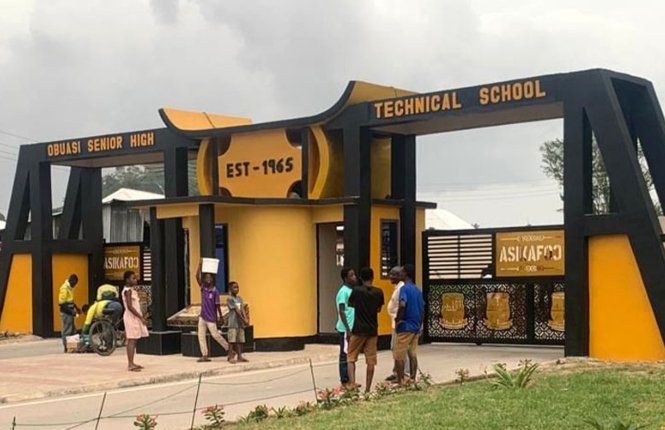
A sexual abuse scandal at a secondary school in Ghana’s Ashanti Region has escalated into a legal battle, with the interdicted headmaster filing a multi-million-Ghana cedi defamation suit against the investigative journalist who exposed the allegations, even as a prominent civil society organization demands swift, independent probes and stronger protections for survivors.
The Allegations
The case centers on Obuasi Senior High Technical School (SHTS) and its headmaster, Zakaria Abdulai, who has been accused of sexual misconduct and abuse by multiple female students.
The allegations were brought to national attention through an investigative documentary by journalist Manasseh Azure Awuni, published by the Multimedia Group. The exposé, titled Inside the Dreaded Headmaster’s Bungalow, detailed claims that the headmaster engaged in sexual misconduct involving students at the school.
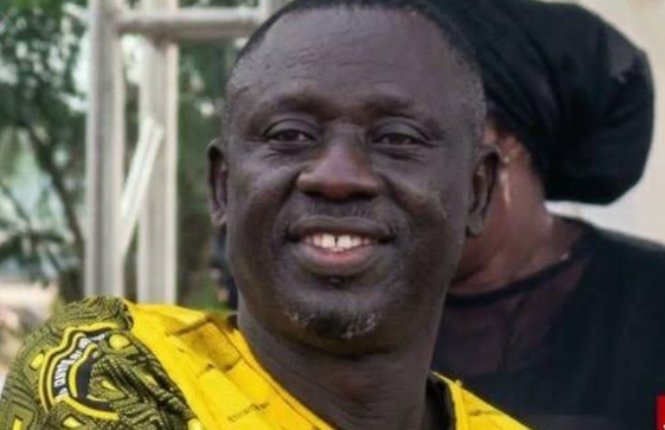
Abdulai has denied all allegations against him.
Official Response and Interdiction
Following the documentary’s broadcast and the ensuing public outcry, Ghana’s Ministry of Education and the Ghana Education Service (GES) intervened. The headmaster was interdicted on October 14, 2026 pending a full investigation, a move that removes him from his post while authorities examine the claims.
The Minister for Education referred the criminal aspects of the matter to the Criminal Investigations Department (CID) and directed the headmaster’s suspension. The Domestic Violence and Victim Support Unit (DOVVSU) in Bekwai has forwarded a docket on one complaint to the Attorney-General’s Department for legal advice. The school was temporarily closed following unrest among students.
Investigation Hurdles
Educational authorities and parliamentary stakeholders have faced mounting pressure to ensure a swift and transparent probe.
However, committees established to investigate the matter have encountered obstacles, including low student turnout attributed to parental hesitation and concerns about alleged external interference.
Defamation Lawsuit
In a dramatic legal twist, the interdicted headmaster has filed a GH¢2 million defamation lawsuit against Manasseh Azure Awuni and the Multimedia Group. Abdulai claims the reports severely damaged his reputation, his marriage, and his professional standing.
The lawsuit raises complex questions about press freedom, the rights of the accused to due process, and the ability of survivors and journalists to report abuse without fear of legal retaliation.
CSJ Demands Accountability
The Centre for Social Justice (CSJ) , a prominent Ghanaian social justice organization, issued a strongly worded press statement on October 23, 2026, expressing deep concern over the allegations and outlining a series of demands.
While acknowledging that the allegations “have not been proven in court” and that the headmaster “is entitled to the presumption of innocence and to a fair process,” CSJ warned that “the presumption of innocence must never become a reason for delay, or for silencing those who have come forward.”
The organization highlighted particularly troubling reports that complaints were raised with school management as early as February 2026, with the Municipal Education Directorate in March, and further incidents allegedly reported in June and July. According to CSJ, if accurate, these reports “point to a failure of safeguarding systems, and not only to the alleged conduct of one individual.”
Key Demands from CSJ
- Independent and time-bound investigations — The Police and Attorney-General’s Department should conclude the criminal process without delay, and the administrative inquiry should be led independently of officials whose handling of complaints may come under scrutiny, with findings made public.
- Accountability for institutional failure — Any official found to have ignored, suppressed, or mishandled complaints, or discouraged students from reporting, should face disciplinary action with due process.
- Protection and support for survivors and witnesses — Affected students should receive confidential medical, psychosocial, legal, and educational support, and protection from intimidation, retaliation, and victim-blaming. CSJ stressed that “no student should lose her education because she spoke out,” and that the Children’s Act, the UN Convention on the Rights of the Child, and the African Charter on the Rights and Welfare of the Child must be fully upheld where affected students are under 18.
- A safe reopening — Before Obuasi SHTS reopens, GES should ensure independent safeguarding arrangements, counselling for students, and clear, confidential channels for reporting abuse.
- System-wide reform — The Ministry of Education should commission an independent national audit of sexual misconduct and safeguarding systems in secondary schools, enforce the GES Code of Conduct, introduce mandatory reporting with confidential channels, and publish regular public reports on cases and outcomes.
CSJ also called on the media and public to protect survivors’ identities and follow the principle of “do no harm” while keeping everyone accountable, stressing that “no office, position, or political affiliation should shield anyone from accountability.”
Broader Implications
The Obuasi SHTS case has ignited intense national discussions about student safety, institutional accountability, and the handling of abuse reports in Ghanaian second-cycle institutions. It raises pressing questions about whether schools have adequate safeguarding mechanisms, whether complaints are taken seriously when first raised, and whether survivors can come forward without fear of stigma or retaliation.
The case also highlights tensions between the rights of the accused to due process and the need to protect vulnerable students, a balancing act that CSJ addressed directly in its statement.
What’s Next
The criminal investigation and administrative inquiry are ongoing. The defamation lawsuit against Manasseh Azure Awuni and the Multimedia Group is expected to proceed, with potential implications for investigative journalism in Ghana.
Meanwhile, CSJ has expressed readiness to work with the Ministry of Education, GES, DOVVSU, the Department of Social Welfare, and fellow civil society organizations “to ensure that justice is done for the students of Obuasi SHTS and that no school in Ghana becomes a place of fear for its students.”
As the nation watches, the outcome of this case may set a precedent for how Ghana handles sexual abuse allegations in educational institutions, and whether accountability extends beyond individuals to the systems meant to protect students.


Ghana’s President Congratulates Brazil’s Lula on Historic Fourth Term, Vows to Champion Global South Agenda

Beyond the Gallery: Karp Kamina Turns Cultural Memory into Contemporary Art

Malian Businesswoman’s Reported $1.5 Million Gold Jewellery Stuns Wedding Guests
-
 Sights and Sounds1 day ago
Planning a Family Day Out in Accra? Lakeside Marina Park Offers Fun for All Ages
-
 Arts and GH Heritage1 hour ago
Beyond the Gallery: Karp Kamina Turns Cultural Memory into Contemporary Art
-
 Fashion & Style7 hours ago
Malian Businesswoman’s Reported $1.5 Million Gold Jewellery Stuns Wedding Guests
-
 Festivals & Events1 day ago
Ahukan Festival: Honouring Chiefs and Celebrating Akyem Heritage in Kibi