
Reels & Social Media Highlights
Love, Loud and Online: How Valentine’s Day Took Over Our Timelines

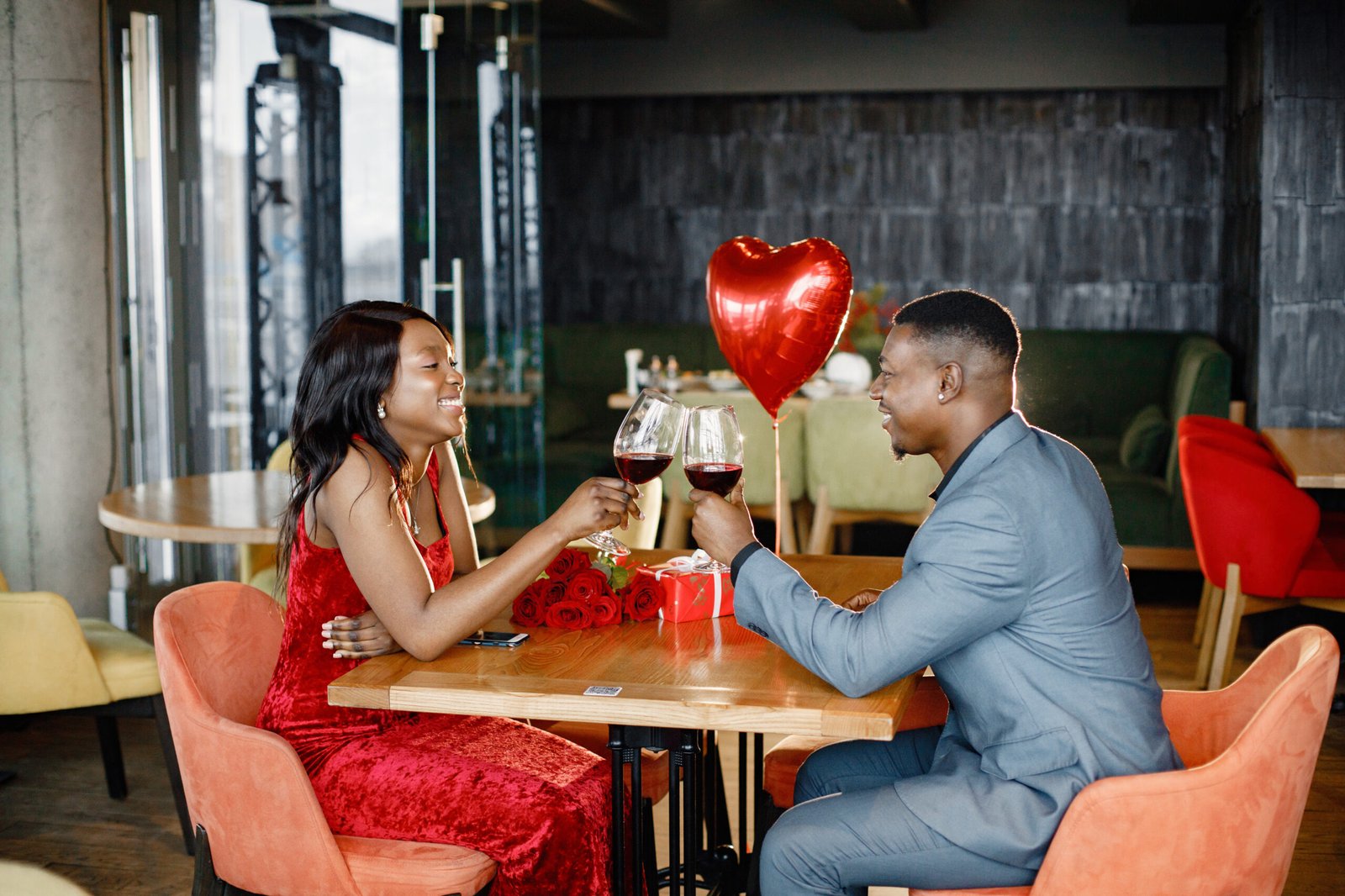
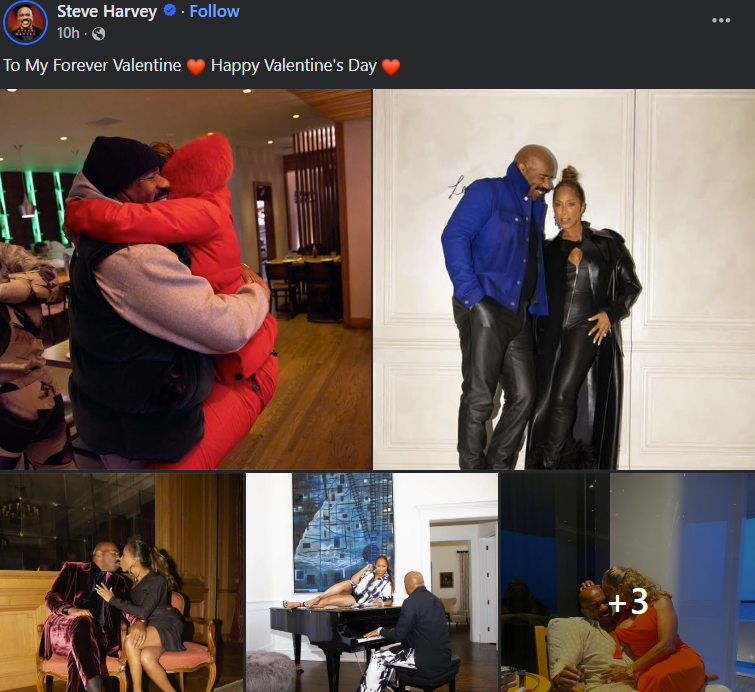
By the time you unlocked your phone yesterday, it was already clear that Valentine’s Day wasn’t whispering this year. It was shouting [Even the Prince and Princess of Whales joined in]. From breakfast in bed to surprise trips, luxury gifts to handwritten notes, love showed up online in full color.
Across timelines, couples leaned all the way in. Rose-petal trails were leading to hotel rooms, coordinated outfits for dinner dates, and gift boxes stacked so neatly they looked staged for a shoot. Some people booked private chefs. Others flew out. A few turned their living rooms into candle-lit restaurants, proving that romance doesn’t always need a reservation.
Read Also: “Living in Ghana Taught Me to Slow Down”: Diaspora Creator Shares How She Found Patience and Purpose in Everyday Life
But what stood out most wasn’t just the spending. It was the performance of intention. Carefully edited videos. Captions that read like open love letters. For many couples, Valentine’s Day became a moment to publicly affirm softness, effort, and visibility—things our communities are too often denied or stereotyped away from.
Single people weren’t silent either. Some reclaimed the day loudly, posting flowers bought for themselves, solo dinner dates, and reminders that love doesn’t expire because you’re unattached. Others chose humour, poking fun at the pressure with memes and commentary that cut through the pink haze.
Of course, not everyone was impressed. A familiar debate surfaced: is love still real if it’s filmed? Are these moments shared or staged? But even that conversation says something. Social media has become the public square where affection is debated, validated, and sometimes questioned.
Happy Valentine’s Day from the Crossroads of the World! 💞 Nothing tops the sweetness of not one, but TWO surprise proposals right in the heart of #TimesSquare! 💍💍💝 https://t.co/M7gVeRz4kv#LoveTSQ #ValentinesDay #NYC #surpriseproposal pic.twitter.com/sa4Oa38aXh
— Times Square (@TimesSquareNYC) February 14, 2026
At its core, yesterday wasn’t just about romance. It was about visibility. About being seen loving and being loved. Whether quiet or extravagant, ironic or sincere, Valentine’s Day reminded us of one thing: in the age of timelines and stories, love gets posted.
Kwesta and his wife Yolanda celebrate Valentine’s Day.#ValentinesDay pic.twitter.com/tErC6R7TsA
— MDN NEWS (@MDNnewss) February 14, 2026






Ghana’s Thursday timeline had the energy of a family argument where everyone is simultaneously right and nobody is listening.
At the centre of it all: a $60 million presidential jet that arrived with a water salute and left with a public relations crisis.
The Falcon 6X dominated X and Facebook throughout the day, fueled by opposition MP Samuel Abu Jinapor’s relentless questioning of the Mahama government’s about-face on the purchase.
The government’s defence—that the economy has improved enough to afford it, and that the president has no intention of “bathing in the air”—did little to quiet critics who pointed to struggling nurses, unpaid teachers, and a 24-hour economy still waiting to deliver.
The line “What was unacceptable in opposition cannot suddenly become acceptable in government” circulated widely, resonating beyond partisan lines because it named a cynicism many Ghanaians feel regardless of party.
Meanwhile, Kwadwo Sheldon’s “Dingo for Madina” saga refused to die. The YouTuber’s coy “It could be true” from the previous week continued to generate debate, with supporters urging him to run and sceptics accusing him of an elaborate stunt.
The NDC government and Hon. @HonKofiAdams must do Ghanaian tax payers a favor not to hire a new coach for the Black Stars. Keep Kim Lars and place the self acclaimed ‘best coach in the world’ – Desmond Offei by him. Going to waste money on a new coach when we even do not know if we will qualify is a waste of money. The GFA has a major election in 2027. We don’t know what the future leadership of the GFA will be like. Not worth wasting about $70,000 on a coach who may end up not qualifying and be making easy monthly money. Let Kim Lars continue temporarily CC: His excellency @JDMahama and Hon. @Cassielforson
— Isaac ‘Opeele’ McLaurin Boateng 🇺🇲🇺🇲 (@CoachOpeele) November 18, 2026
What made it stick was the underlying question: can a content creator’s grassroots credibility translate into political capital? In a country where young people feel locked out of formal power, Sheldon’s half-joke became a Rorschach test for political frustration.
Sports offered a quieter counterpoint. Kim Lars Björkegren exited his interim Black Stars role with two wins from two against Somalia, and coach Opeele’s plea to “keep Kim Lars” rather than waste money on a new hire gained traction on X . It was a rare moment of pragmatic consensus in an otherwise combative day.
What tied these threads together was a shared suspicion of institutional competence—whether in football administration, parliamentary accountability, or the promises of a creator-turned-candidate. Ghanaians online weren’t just reacting; they were auditing.
Reels & Social Media Highlights
A Fake ₵38 Note, a Deadly Blaze, and Don Little’s Police Run-In: Ghana’s Social Media Mood
Ghana’s social media space on Tuesday, November 17, 2026, felt like a nation holding two emotions at once.
On one screen, grief. On another, mockery. And somewhere in between, the kind of unfiltered banter that only Ghanaian timelines can produce.
The deadliest conversation centred on the Circle fire. By Tuesday, confirmation had hardened: one man had been burnt beyond recognition, and over 100 wooden structures were gone after Monday night’s blaze near the STC station in Accra.
The images circulated fast—smoke, rubble, firefighters working into the early hours—and the mood turned from shock to frustration. Why did it take so long? Why were squatters still smoking near a live inferno? The fire became a proxy for a familiar national anxiety: safety, or the lack of it.
But Ghana rarely grieves without a meme. The fake ₵38 Bawumia note, still circulating days after the Bank of Ghana’s Heritage Notes launch, refused to die. The joke had already peaked the week before, yet it lingered in comment sections—a reminder that political satire here has a long afterlife.
Meanwhile, actor Don Little’s viral video accusing a female police officer of mocking his height added a sharper, more personal edge to the day’s chatter. The story landed because it touched something bigger: how ordinary Ghanaians, famous or not, experience authority.
What tied these threads together was not a hashtag but a temperament. Ghanaians online were not simply consuming news; they were processing it through humour, anger, and solidarity.
The trends revealed a digital culture that refuses to separate the tragic from the ridiculous—and somehow keeps talking through both.
Reels & Social Media Highlights
Heritage Notes and Heartbreak: Ghana’s Social Media Mood on November 12
Ghana’s social media timelines on Thursday, November 12, 2026, felt like a national conversation with the volume turned all the way up. The day opened with football frustration as Black Stars captain Jordan Ayew missed a 14th-minute penalty against Somalia in a World Cup qualifier, triggering a flood of exasperated posts on X.
Fans questioned his form, his selection, and whether the captain’s armband had become a curse rather than an honour.
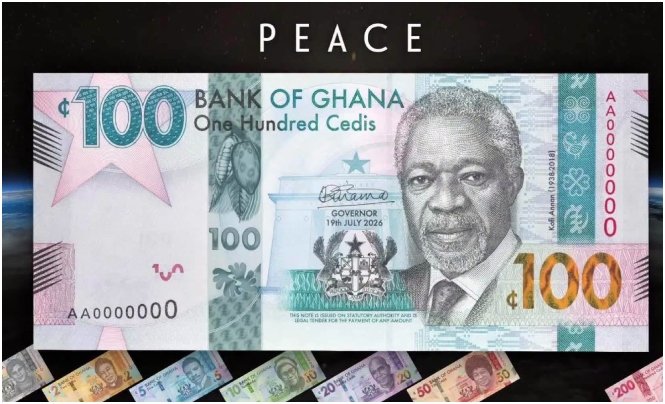
But the mood swung quickly. By afternoon, the Bank of Ghana unveiled its new “Heritage Notes,” and Facebook erupted—not just over the designs, but over a fake GH₵38 note bearing former Vice President Mahamudu Bawumia’s face that spread faster than the real currency news.
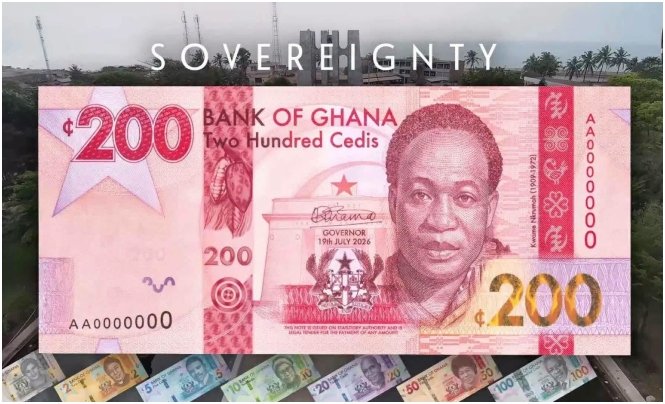
The meme became a canvas for political roasting, with commenters joking about the National Cathedral and linking the number 38 to NPP banter. Meanwhile, an old video of President Mahama criticising the 2019 introduction of GH₵100 and GH₵200 notes resurfaced, adding a layer of political irony to the currency chatter.
https://ghananewsglobal.com/the-day-ghana-argued-with-itself-and-laughed-while-doing-it/
The day’s darker thread came from Assin South MP John Ntim Fordjour, who took to X demanding answers on cocaine trafficking investigations, citing international seizures linked to Ghana . His post sparked debate about national image and accountability, cutting through the humour with a sharper edge.
What united these conversations was a distinctly Ghanaian blend of humour, frustration, and civic engagement. The Ayew penalty became a collective groan; the fake Bawumia note became a shared joke; the cocaine question became a call to conscience. On a single Thursday, Ghanaians laughed, argued, and demanded better—all within the same scroll.


Ghanaian-Born Entrepreneur Mawena Tafa Turns Viral Brooklyn Encounter with Strange Man Into Business Opportunity

German President Steinmeier Arrives in Ghana to Boost Trade and Skills Partnerships

Fat Joe Makes Emotional Appeal to Bronx Youth After Ghanaian Teen Javits Frimpong’s Killing
-
 Ghana News2 days ago
Top Ghanaian School Wins 26 Awards at 2026 Pearson Learner Awards
-
 Ghana News1 day ago
Ghanaian Teen’s Bronx Funeral Sparks NY Attorney General’s Demand to Repeal Law Protecting Gunmakers
-

 Opinion1 day ago
The Sahel’s Dangerous Calm: What Does the Lull in Jihadist Fighting Really Hide?
-
 Ghana News1 day ago
‘We Didn’t Come Here to Beg’: Ghana’s Zanetor Agyeman-Rawlings Demands Climate Justice and Funding for Africa at COP31
-
 Uncategorized3 hours ago
Fat Joe Makes Emotional Appeal to Bronx Youth After Ghanaian Teen Javits Frimpong’s Killing
-
 Ghana News2 days ago
‘Stop Taking Our Money to Hide in Switzerland’: Dangote Challenges Wealthy Africans to Invest at Home
-
 Ghana News2 hours ago
German President Steinmeier Arrives in Ghana to Boost Trade and Skills Partnerships
-
 From the Diaspora24 minutes ago
Ghanaian-Born Entrepreneur Mawena Tafa Turns Viral Brooklyn Encounter with Strange Man Into Business Opportunity