
Health & Wellness
Stronger Hands, Stronger Body: Why Grip Training Deserves a Place in Your Workout

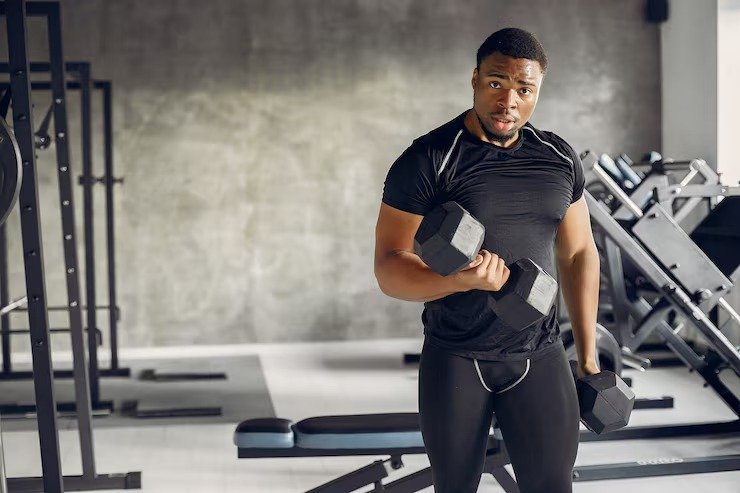
You might have strong legs, a powerful back and well-developed shoulders, but if your hands cannot hold onto the weight, your workout can come to an abrupt end. Grip strength is one of the most overlooked aspects of fitness, yet it plays an important role in everything from lifting weights to carrying shopping bags and performing everyday tasks.
Your Forearms Hold the Secret
Much of the strength responsible for closing your fingers comes from muscles in your forearms. These muscles work through tendons that extend into your hands, allowing you to grip and hold objects.
This explains why developing stronger forearms can improve your ability to perform exercises such as pull-ups, rows and deadlifts.
Rather than relying entirely on wrist curls, grip training should include exercises that challenge your ability to hold weight under sustained tension.
Two Simple Ways to Build Grip Strength
The dead hang is a straightforward starting point. Hold a pull-up bar with both hands, keep your thumbs wrapped around the bar and suspend your body for as long as you comfortably can. Gradually increasing your holding time can improve grip endurance.
Another useful exercise is the farmer’s walk. Hold a heavy dumbbell in each hand, stand upright and walk for approximately 30–40 yards without putting the weights down. This challenges your grip while engaging your shoulders and core.
Both exercises can be adapted to different fitness levels, making them useful additions to home or gym routines.
Strength Beyond the Gym
Grip strength is also valuable as people age. Research has associated weaker handgrip strength with poorer overall health outcomes, making it a useful indicator of physical function.
Whether carrying groceries through an Accra market or lifting weights at the gym, strong hands make everyday activities easier.
Don’t train your muscles and forget your hands. Your grip deserves attention too.








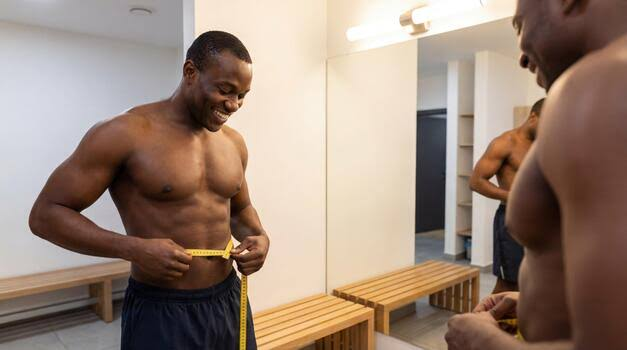
What if your biggest fitness achievement before the end of the year is not losing weight but simply maintaining it?
As holiday celebrations, family gatherings, travel, and food-filled festivities approach, staying at the same weight might be one of the most valuable health goals you can set yourself.
The Hidden Cost of Holiday Weight Gain
Between November and December, healthy routines can easily take a back seat. In Ghana, Christmas celebrations, weddings, family reunions and end-of-year parties often mean more eating out, generous portions, sugary drinks and fewer opportunities for regular exercise.
A kilogram or two gained during the holidays might not seem particularly concerning. However, repeatedly gaining weight during festive periods and never quite losing it afterwards can gradually increase body weight over several years.
This pattern, sometimes called weight cycling, highlights why weight maintenance deserves as much attention as weight loss. Excessive weight gain over time can increase the risk of conditions such as type 2 diabetes, high blood pressure and cardiovascular disease.
Small Habits, Lasting Results
Maintaining your weight does not mean avoiding every celebration or refusing your favourite meals. It means making sensible choices consistently.
Enjoy your jollof rice and grilled chicken, but pay attention to portion sizes. Keep walking, even when travelling or visiting relatives. Include vegetables and protein in your meals, drink enough water and avoid turning every social occasion into an excuse to overeat.
Regularly monitoring your weight can also help you recognise gradual changes before they become difficult to reverse.
Give Yourself a Better Starting Point
The festive season should be enjoyed, not feared. Rather than putting pressure on yourself to achieve dramatic weight-loss results, aim to finish the year around the weight at which you started.
Sometimes, protecting your progress is the greatest fitness achievement of all.
“You’re going to be upset with me.” It is a familiar confession for many people living with diabetes, especially after eating more than planned, missing a workout or forgetting to check their blood sugar.
But managing a lifelong condition is challenging enough without adding guilt and self-criticism to the burden.
Learning to practise self-compassion could make a meaningful difference.
Breaking the cycle of guilt
Diabetes management requires daily decisions about food, medication, physical activity and blood glucose monitoring. Even with the best intentions, there will be difficult days. Someone may enjoy an extra serving of rice at dinner, reach for a sugary drink or struggle to maintain an exercise routine.
The problem is not simply making a mistake but allowing it to trigger shame and discouragement. Feeling like a failure can make it harder to return to healthy habits.
Self-compassion offers a healthier response. It involves treating yourself with kindness, recognising that everyone struggles and acknowledging difficult emotions without allowing them to take control.
Rather than thinking, “I’ve ruined everything,” try asking, “What can I learn from this, and what can I do differently tomorrow?”
Progress over perfection
One practical approach is to pay attention to your inner conversations. Replace harsh criticism with realistic encouragement. Keep a record of small achievements, whether taking a walk after dinner, choosing water instead of a sugary drink or remembering medication.
Self-compassion does not mean ignoring diabetes or abandoning medical advice. It means accepting responsibility without punishing yourself.
Diabetes management is a long journey, not a daily examination you must pass perfectly. Sometimes, the most powerful step towards better health is giving yourself permission to begin again.

It is easy to take sunshine for granted, especially in a country like Ghana, where bright daylight is part of everyday life.
Yet, those warm rays do more than brighten the morning. They help the body produce vitamin D, an essential nutrient that supports strong bones, healthy muscles and normal immune function.
Why vitamin D matters
When sunlight reaches the skin, ultraviolet B (UVB) rays trigger the production of vitamin D from a cholesterol-derived compound.
The vitamin then undergoes further processing in the liver and kidneys before becoming biologically active.
Its best-known job is helping the body absorb calcium, which keeps bones and teeth strong. Without enough vitamin D, children can develop rickets, while adults face an increased risk of osteomalacia, a condition that causes weak, painful bones. Low levels can also contribute to muscle weakness.
Scientists are also investigating vitamin D’s wider influence on the immune system, cell growth and gene regulation. Although research has explored possible links between vitamin D and cancer prevention, there is not yet sufficient evidence that sunlight or supplements prevent cancer.
Finding a healthy balance
Living in a sunny climate does not automatically guarantee adequate vitamin D. Spending most of the day indoors, covering the skin and having darker skin pigmentation can reduce vitamin D production.
Enjoying outdoor activities, eating vitamin D-rich foods such as oily fish, eggs and fortified products, and seeking medical advice about testing when necessary can help maintain healthy levels.
Sunshine is valuable, but excessive exposure increases skin damage and cancer risk. Enjoy daylight sensibly, use sun protection, and remember that healthy habits work best together.


Stronger Hands, Stronger Body: Why Grip Training Deserves a Place in Your Workout

The Shirt Code: How Small Design Details Define the Difference Between Formal and Casual Style

Fetish Festival: Celebrating the Sacred Monkeys of Tafi Atome
-

 Commentary2 days ago
After Trump’s Midterm Defeat, Russia and China will Encounter a Cooler US
-

 Ghana News2 days ago
In Ghana, ECOWAS Renews Counter-Terrorism Envoy’s Mandate Amid Rising Regional Threats
-
 Africa Watch2 days ago
Long-Term Observers Deployed to The Gambia as ECOWAS Closely Monitors Dec 5 Poll
-

 Opinion22 hours ago
Governance Crisis Threatens Progress, Reputation of the University of The Gambia
-

 Ghana News22 hours ago
Ghana’s Sahel Problem: Why President Mahama Is Arming the BNI Now
-
 Fashion & Style5 hours ago
The Shirt Code: How Small Design Details Define the Difference Between Formal and Casual Style
-

 Reels & Social Media Highlights2 days ago
A Fake ₵38 Note, a Deadly Blaze, and Don Little’s Police Run-In: Ghana’s Social Media Mood
-
 Sights and Sounds1 day ago
Ghana BlueFins Turns Swimming into a Lifelong Skill