Arts and GH Heritage
The Stories Family Photographs Leave Behind: Ezra Appiah Reimagines Memory and Belonging

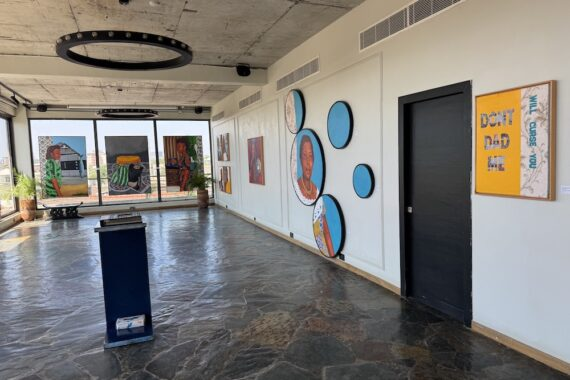
A family photograph may capture a wedding, a birthday or several generations gathered beneath one roof, but what happens to the moments that never make it into the frame?
The disagreements, private struggles, absences and complicated relationships are just as much a part of family history, yet they rarely find a place in the carefully preserved album.
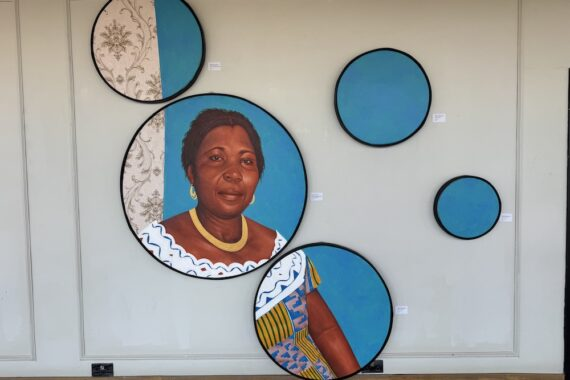
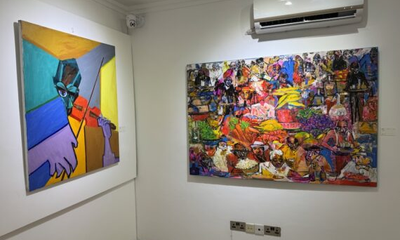
It is this gap between appearance and reality that Ghanaian artist Ezra Appiah explores in Family Album: A New and a Reborn Version, a solo exhibition at Mix Art Gallery in Accra.
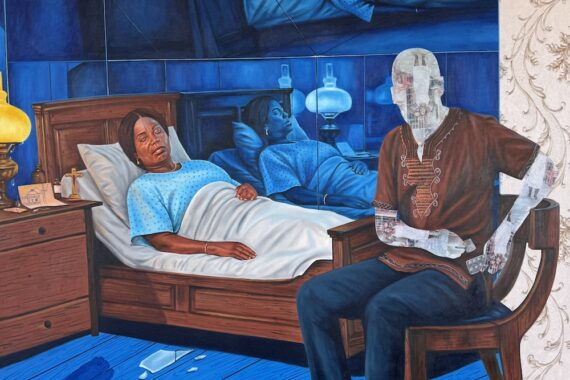
Beyond the Picture-Perfect Family
For many Ghanaian households, family photographs carry considerable emotional and cultural significance. They document naming ceremonies, marriages, funerals and reunions, becoming treasured records passed between generations.
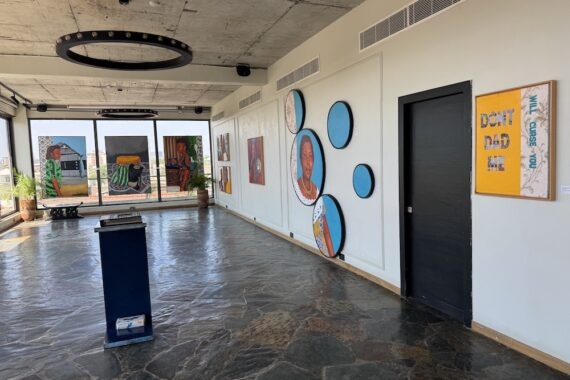
They also help families maintain connections with relatives who have migrated abroad or live far from home.
Yet photographs are selective. They preserve particular versions of events while leaving other experiences outside the frame.
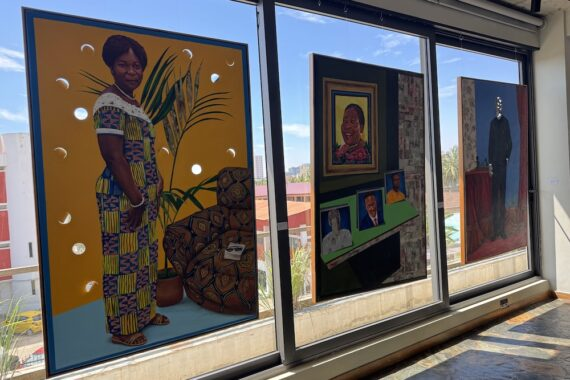
Drawing on childhood recollections and archival family photographs, Appiah uses montage to bring different moments together, reconstructing narratives that challenge conventional ideas of domestic happiness and belonging.
Giving Silence a Place in Family History
A 2024 Absa L’Atelier Art Ambassador, Appiah approaches photography as a tool for questioning memory rather than simply documenting it.
His work draws attention to overlooked experiences, suggesting that family identity is shaped as much by absence and silence as by shared celebrations.
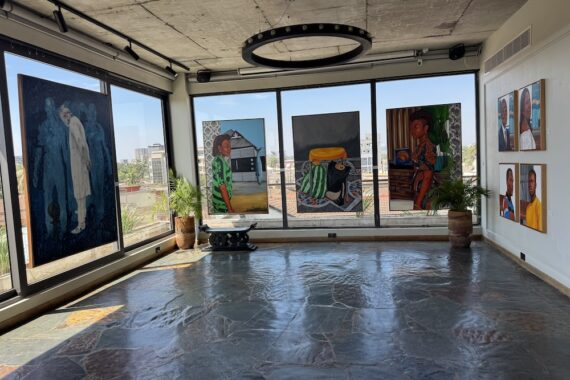
For audiences in Ghana and beyond, the exhibition offers an opportunity to reconsider the photographs inherited from parents and grandparents. What do these images reveal, and what have generations chosen not to discuss?
Family Album: A New and a Reborn Version invites visitors to confront those questions before its closing on November 27, 2026.








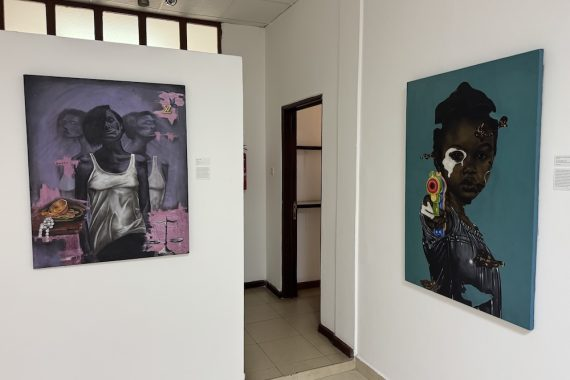
At the Dei Centre in Accra, contemporary artists examine how tenderness, desire and violence occupy the same emotional and social spaces.
Softness can be deceptive. A velvet surface invites touch with its luxurious texture, yet beneath its gentle appearance lies a material historically associated with authority, mourning, seduction and concealment.
It is this contradiction that gives Velvet Tensions, a group exhibition in Accra, its compelling artistic premise.
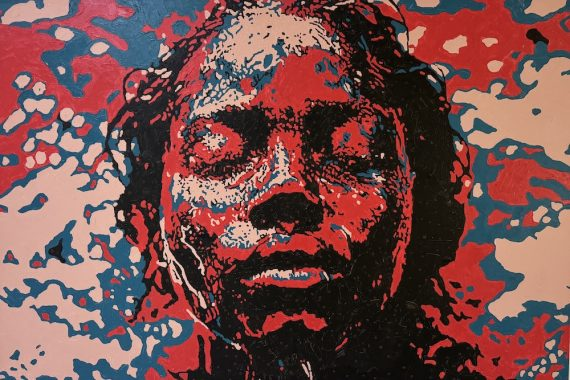
When beauty carries uncomfortable truths
Curated by Nana Ama Dei, the exhibition at the Dei Centre uses velvet as a metaphor for the complexities of human relationships and the emotions that shape society. Its central question reaches beyond aesthetics: what happens when the things we find beautiful also carry histories of pain, control or discomfort?
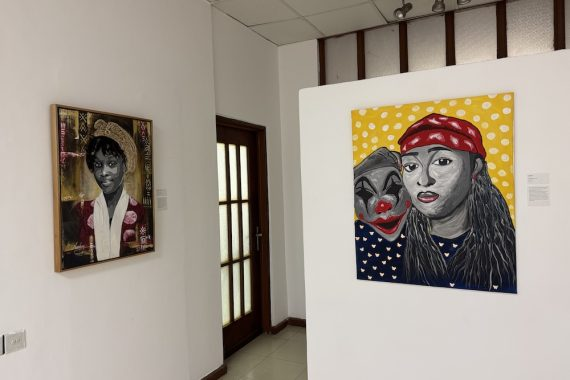
The question resonates within Ghana’s contemporary art scene, where artists increasingly use visual expression to investigate identity, power, memory and personal experience. Beauty is rarely neutral. What appears polished on the surface may conceal difficult histories, unequal relationships and unresolved tensions.
Featuring 23 artists, including Kofi Boachie-Ansah, Tracy Lee-Garshong, Marian Dellor, Setor Mensah, Adam Gasakor and Nuria Alliet, Velvet Tensions brings different artistic perspectives into conversation.
Looking beyond the surface
Rather than offering comfortable interpretations, the exhibition encourages visitors to question their first impressions. Its exploration of tenderness alongside violence also speaks to the contradictions of everyday life, where affection can coexist with conflict and intimacy can become a source of vulnerability.
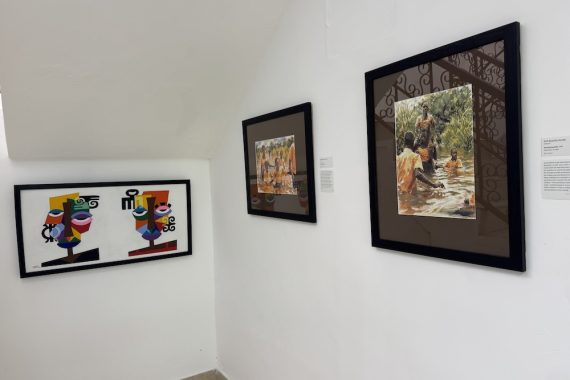
At a time when visual culture often rewards immediate beauty, Velvet Tensions asks audiences to look longer and think deeper. Running until January 2, 2027, the exhibition positions contemporary art as a space for confronting what society sometimes prefers to leave unspoken.

At World Faze Gallery in Accra, the Ghanaian artist transforms discarded leather, traditional regalia and everyday materials into reflections on protection, authority and the invisible forces shaping human existence.
A piece of leather can be discarded as waste, fashioned into luxury footwear, or transformed into an object believed to carry spiritual protection. For Ghanaian artist Kofi Awuyah, these possibilities reveal a fascinating question: what gives an object its power?
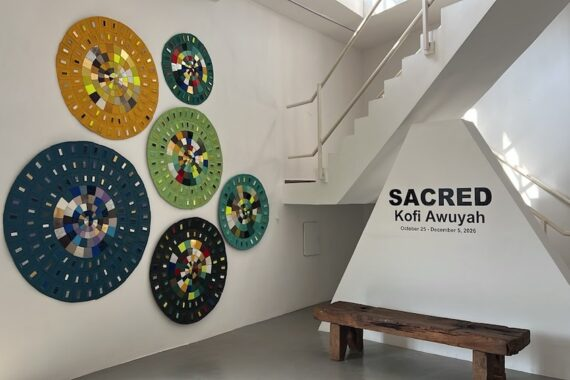
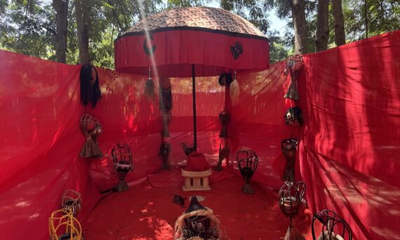
At World Faze Gallery in Accra, Awuyah explores the relationship between material possessions, belief and authority, drawing inspiration from African traditions and historical forms of protective clothing.
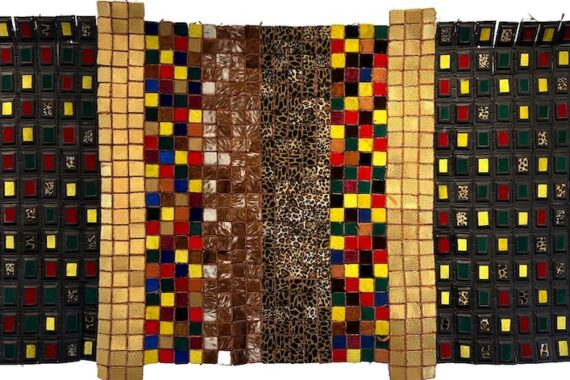
Central to his investigation is the talisman, an object associated with spiritual protection and the invocation of unseen forces.
His references range from the Ashanti batakari kɛseɛ (akotadeɛ) to ancient Greek and Roman warriors’ breastplates and the ceremonial garments of Jewish High Priests.
Across these traditions, clothing and adornment become more than physical coverings; they communicate identity, status and spiritual significance.
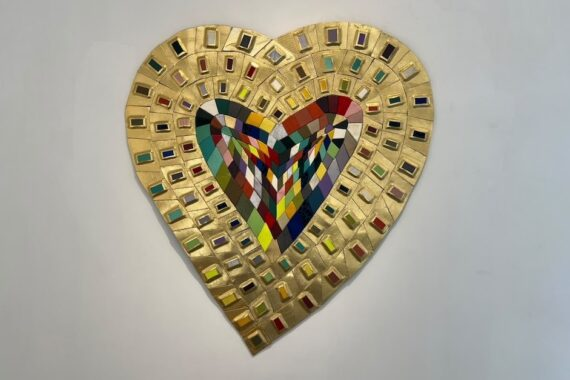
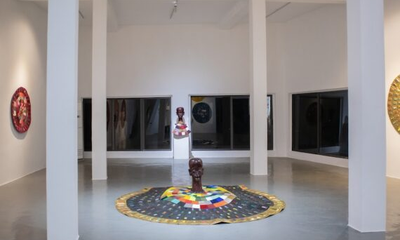
One striking installation features a carved human head encircled by layers of black, gold and vivid colours. The composition suggests an individual negotiating life’s uncertainties while seeking protection, belonging and authority.
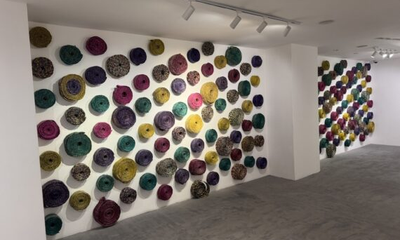
His choice of materials carries another layer of meaning. Recovered leather and offcuts from Accra’s Kantamanto Market are repurposed into intricate works, challenging assumptions about waste, luxury and cultural value.

Using techniques borrowed from shoemaking and upholstery, including cutting, gluing and hand-stitching, Awuyah turns craftsmanship into a language of repair and resilience.
The exhibition ultimately asks viewers to reconsider the objects they value, the beliefs they inherit and the sources of power they seek. In Awuyah’s hands, discarded materials become vessels for memory, identity and spiritual reflection.
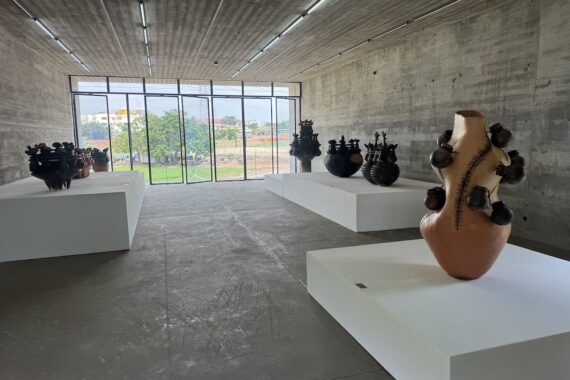
A broken pot does not always have to be discarded. In the hands of Ghanaian artist Frederick Ebenezer Okai, fragments of earthenware become something altogether different: sculptural expressions of belonging, resilience and the possibility of rebuilding fractured relationships.
Presented at Nubuke Foundation in Accra, Okai’s exhibition uses ceramics to explore a question that extends beyond art: how can people with different histories, identities and experiences find ways to live together without losing what makes them distinct?
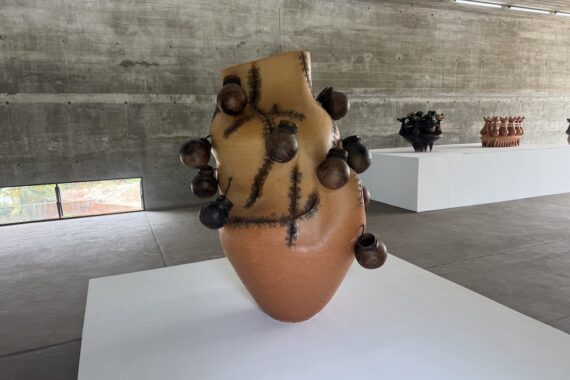
The artist’s approach has been shaped by visits to more than 30 pottery centres across Ghana.
Encounters with traditional potters exposed him to generations of practical knowledge, craftsmanship and cultural expression.
These experiences have encouraged him to move beyond conventional academic methods towards a more intuitive practice rooted in community and shared heritage.
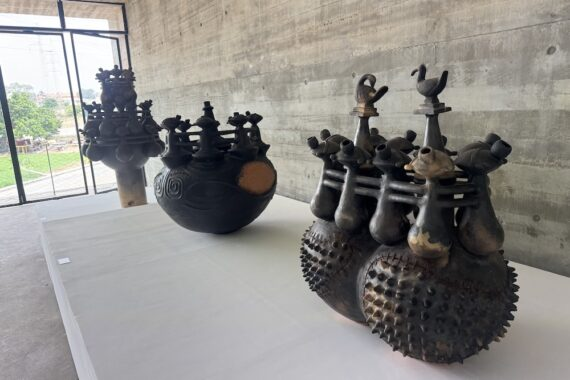
His sculptures bring together fragments collected from different places, held by glue and wire. Rather than disguising the cracks, Okai makes the repairs visible.
The technique recalls wabi-sabi, a Japanese aesthetic philosophy that finds beauty in imperfection, ageing and the marks left by time.
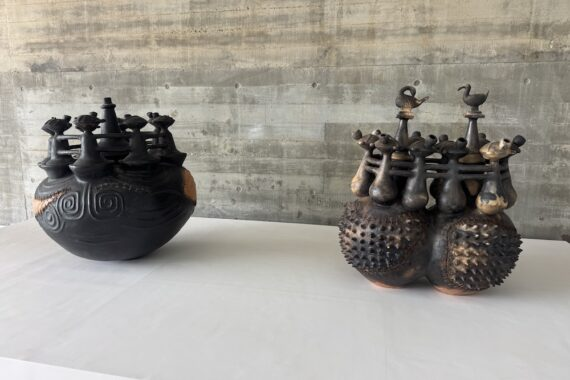
Traditional Ghanaian ceramic motifs, including decorative dots, further connect the works to indigenous pottery practices.
Yet their meaning reaches into contemporary conversations about social divisions, identity and reconciliation.
Curated by Senegalese architect and cultural policy consultant N’Gonné Fall, the exhibition offers a thoughtful reminder that unity does not require everyone to become the same.
As the exhibition approaches its closing date of April 17, 2027, its message remains particularly resonant: sometimes, the strongest bonds are formed not by hiding our fractures, but by finding the courage to repair them.


Content Creation Is Now a College Degree: Universities Turn Influencing Into a Professional Career Path

The Stories Family Photographs Leave Behind: Ezra Appiah Reimagines Memory and Belonging