
Taste GH
Vegan Kontomire Stew: A Ghanaian Classic Reimagined with Tofu and Melon Seeds

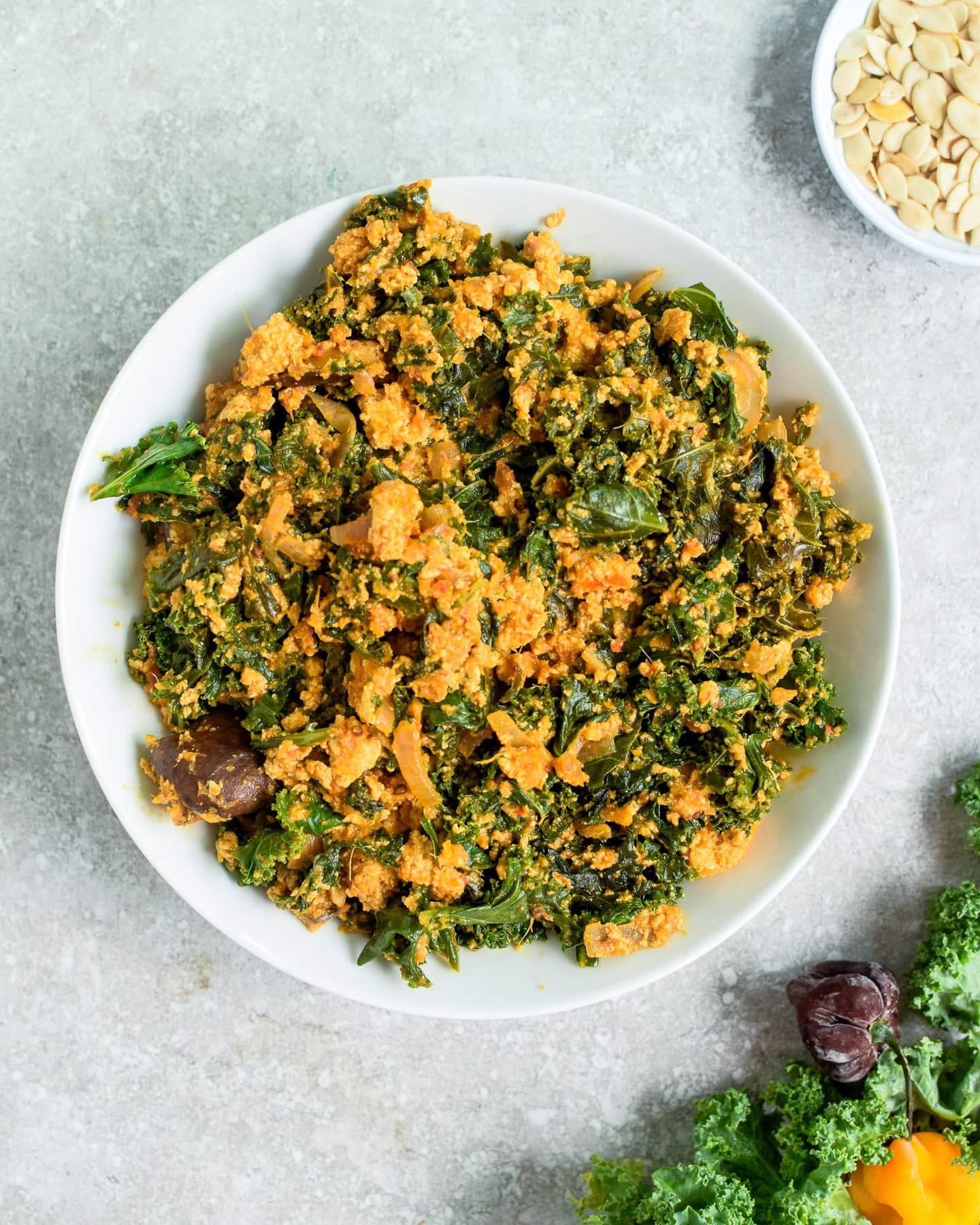
The unmistakable aroma of palm oil, onions and simmering tomatoes is enough to announce a pot of kontomire stew in a Ghanaian kitchen.
But this familiar favourite is getting a plant-based makeover, proving that a satisfying bowl of traditional Ghanaian food does not always need meat, fish or eggs.
Kontomire stew, a much-loved Ghanaian dish, takes its name from the leaves of the cocoyam plant, known as taro leaves elsewhere.
Its appeal lies in the combination of tender leafy greens, rich seasoning and a deeply savoury sauce that pairs beautifully with traditional accompaniments.
In this meat-free version, palm oil and onions provide the flavourful foundation. Rather than using momone, the fermented salted fish traditionally added for its distinctive pungent, savoury character, a homemade seasoning blend featuring dawadawa brings depth and an earthy, fermented aroma.
Tomatoes and scotch bonnet pepper add sweetness, acidity and gentle heat.
The real transformation comes with crumbled tofu and melon seeds. Tofu provides plant-based protein, while the melon seeds create a creamy, textured richness as they cook into the sauce.
Together, they absorb the seasoning, producing a hearty mixture in which the ingredients blend almost seamlessly. The melon seeds are optional, allowing the tofu to take centre stage.
Precooked kontomire leaves and spinach complete the stew, adding colour, leafy texture and nutritional value. Rich in vitamins and minerals, these greens also contribute to the dish’s wholesome appeal.
Served with boiled yam and ripe plantain, the stew makes a satisfying version of ampesi, a traditional Ghanaian combination of boiled root vegetables or plantain served with a savoury sauce.
It is a thoughtful reinvention of a beloved Ghanaian classic, preserving its familiar flavours while opening the door to more plant-based ways of enjoying local food.











When the northern Ghanaian sun turns up the heat, a chilled glass of Zomkom offers a welcome burst of refreshment, with the warming fragrance of ginger and cloves and a pleasantly tangy kick.
A traditional millet-based drink, Zomkom is a familiar favourite in northern Ghana, where millet has long been an important part of everyday food culture.
Its preparation is relatively simple, but the resulting drink delivers a distinctive combination of flavour, nourishment and refreshment.
The process begins with millet flour cooked in water to form a smooth mixture. Once cooled, it is sweetened and flavoured with aromatic spices, including ginger, cloves and pepper.
Depending on the preparation, some versions undergo mild fermentation, adding a subtle sourness that gives the drink its characteristic tangy taste.
Each sip brings together several contrasting sensations. Ginger provides gentle warmth, cloves contribute a fragrant, slightly sweet aroma, while pepper introduces a delicate heat. The sweetness balances these spices, producing a refreshing drink that is best enjoyed chilled.
Zomkom is particularly popular at school canteens and roadside stalls, where it offers an affordable alternative to commercially produced soft drinks.
Its presence in everyday community life also reflects the enduring importance of millet in northern Ghanaian cuisine and traditional food practices.
Millet contributes dietary fibre and minerals, while ginger and cloves contain naturally occurring antioxidant compounds.
Although its nutritional value depends on the recipe and preparation, Zomkom offers an appealing way to enjoy a traditional grain-based beverage.
For visitors discovering Ghanaian food culture, Zomkom is worth seeking out. It is more than a thirst quencher; it is a taste of northern Ghana’s culinary heritage, served cold and full of character.
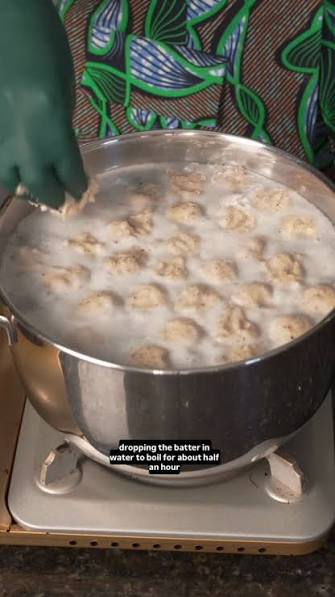
Across the world, dumplings take different shapes, textures and flavours, but could a humble Ghanaian dish made from beans and cassava flour belong in the same family?
Meet Kpogulo, a traditional food that invites an interesting conversation about Ghanaian cuisine and the many ways cultures transform simple ingredients into beloved dishes.
Prepared by mixing equal parts black-eyed pea flour and cassava flour with salt, baking soda and water, Kpogulo is formed from a batter dropped into boiling water and cooked for about 30 minutes. The result is a collection of small, rounded balls with a soft, hearty texture.
Its appeal lies partly in its simplicity. Black-eyed peas bring a distinctive, earthy flavour, while cassava contributes to the dumplings’ texture.
The combination also makes Kpogulo naturally gluten-free, offering an alternative to wheat-based foods for people avoiding gluten.
But the experience does not end with the boiled balls themselves. Some versions are topped with roasted sesame seeds, adding a nutty fragrance and delicate crunch.
They may also be served with the familiar combination of onion-infused oil and pepper, bringing richness, heat and aroma to the dish. Sesame varieties native to West Africa further connect the meal to the region’s agricultural heritage.
Kpogulo reflects the ingenuity behind many traditional Ghanaian foods: making satisfying meals from locally available ingredients and familiar cooking techniques.
While its precise place within the country’s wider food traditions deserves further exploration, its preparation shares similarities with dumplings found in other parts of the world.
So, does Kpogulo qualify as a dumpling? Its shape and method of cooking make a compelling case. Perhaps the more interesting question is how many other Ghanaian foods could broaden our understanding of this global culinary category.
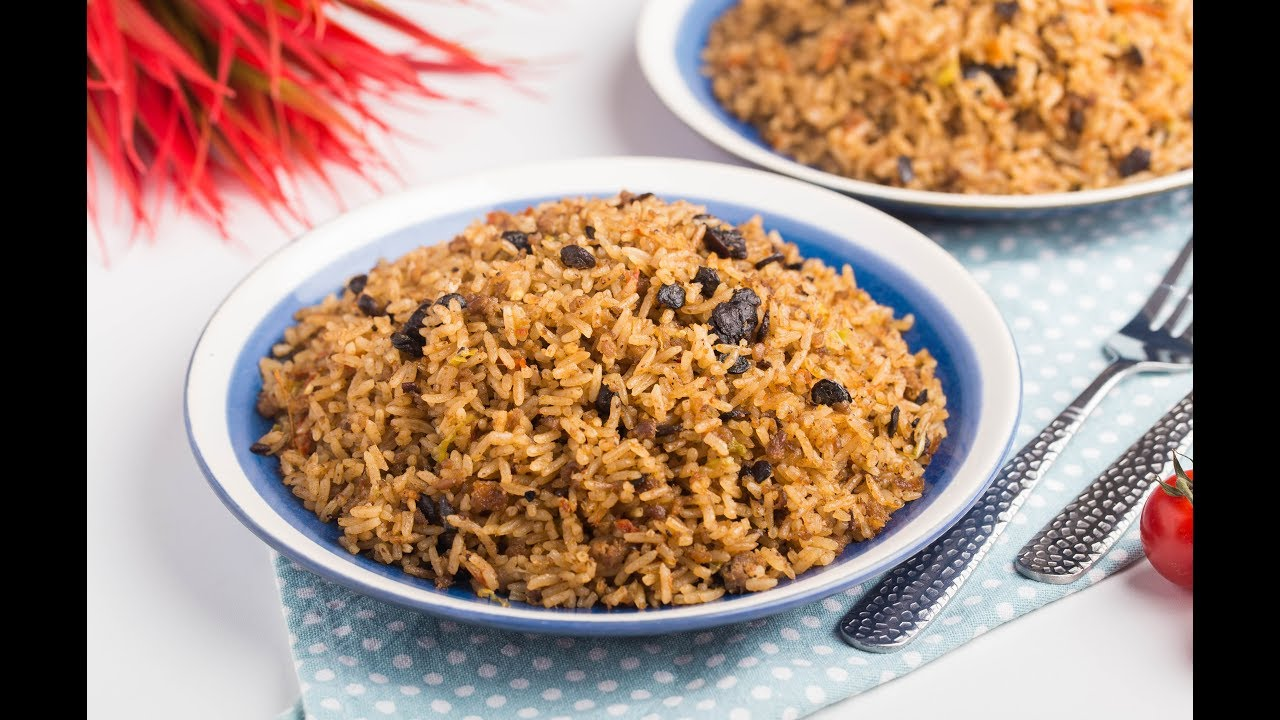
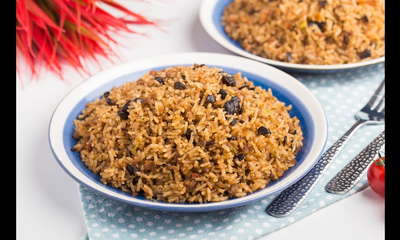
Ghanaian jollof rice is famous for its bold spices and rich tomato sauce, but in the Upper East Region, one ingredient gives this beloved dish a strikingly different personality: fermented locust beans.
Known as dawadawa, these beans bring a deep, savoury aroma and distinctive umami flavour to a regional take on jollof that challenges expectations of what Ghana’s national favourite can taste like.
The cooking begins in a clay pot, traditionally with shea butter, although other oils can be used. Onions soften in the hot fat before dawadawa joins them, releasing its unmistakable, pungent fragrance.
Garlic and ginger paste deepen the flavour, followed by blended tomatoes and scotch bonnet peppers. The mixture simmers until the oil rises to the surface, signalling that the stew has cooked down into a rich, flavourful base.
Rice, water and salt follow. Traditionally, dried fish may also be added, contributing another layer of savouriness. In this particular preparation, a homemade umami spice blend replaces the fish, demonstrating how cooks adapt recipes to their preferences and available ingredients.
The result is a dish that moves beyond the familiar sweetness and heat of tomato-based jollof. Dawadawa delivers an earthy, fermented depth that makes every spoonful more complex.
Cooking in a clay pot adds a connection to traditional kitchen practices, while the use of locally familiar ingredients reflects the culinary knowledge passed through generations.
Dawadawa is also valued for its nutritional contribution, offering plant-based protein and other nutrients. However, its precise nutritional content varies with preparation.
For international readers accustomed to West African jollof, this northern variation offers a fresh perspective on Ghana’s diverse food culture. It is a reminder that jollof is not a single, fixed recipe but a dish shaped by regional ingredients, household traditions and individual creativity.
Sometimes, the most memorable plate of rice begins with an ingredient that smells a little unfamiliar but tastes unmistakably like home.


Building in Ghana? How to Test Your Blocks Before They Become Part of Your Home

Samanpiid Festival: Bawku’s Celebration of Harvest, Renewal and Kusasi Heritage

Vegan Kontomire Stew: A Ghanaian Classic Reimagined with Tofu and Melon Seeds
-

 Ghana News11 hours ago
After COVID-19 Exposed Africa’s Vaccine Dependence, Ghana’s NVI and Africa CDC Embark on a New Path to Secure Health Sovereignty
-

 Business10 hours ago
Ghanaian Pharmaceutical Manufacturers Begin Breaking Into African Markets Thanks to Africa CDC’s Pooled System
-

 Ghana News10 hours ago
Africa Cannot Build Its Pharmaceutical Future on Imports: Ghana and Africa CDC Seek a New Way Forward
-
 Homes & Real Estate5 hours ago
Building in Ghana? How to Test Your Blocks Before They Become Part of Your Home
-
 Sights and Sounds9 hours ago
Shea Butter and African Black Soap: Ghana’s Natural Skincare Gifts to Take Home
-
 Festivals & Events5 hours ago
Samanpiid Festival: Bawku’s Celebration of Harvest, Renewal and Kusasi Heritage
-

 Entertainment2 days ago
Efya and Tomi Thomas Dedicate Baby Girl in Heartwarming Church Ceremony
-

 Reels & Social Media Highlights1 day ago
The Day Ghana Argued With Itself—and Laughed While Doing It