
Health & Wellness
Small Habits, Real Weight Loss: Why You Don’t Have to Change Everything at Once

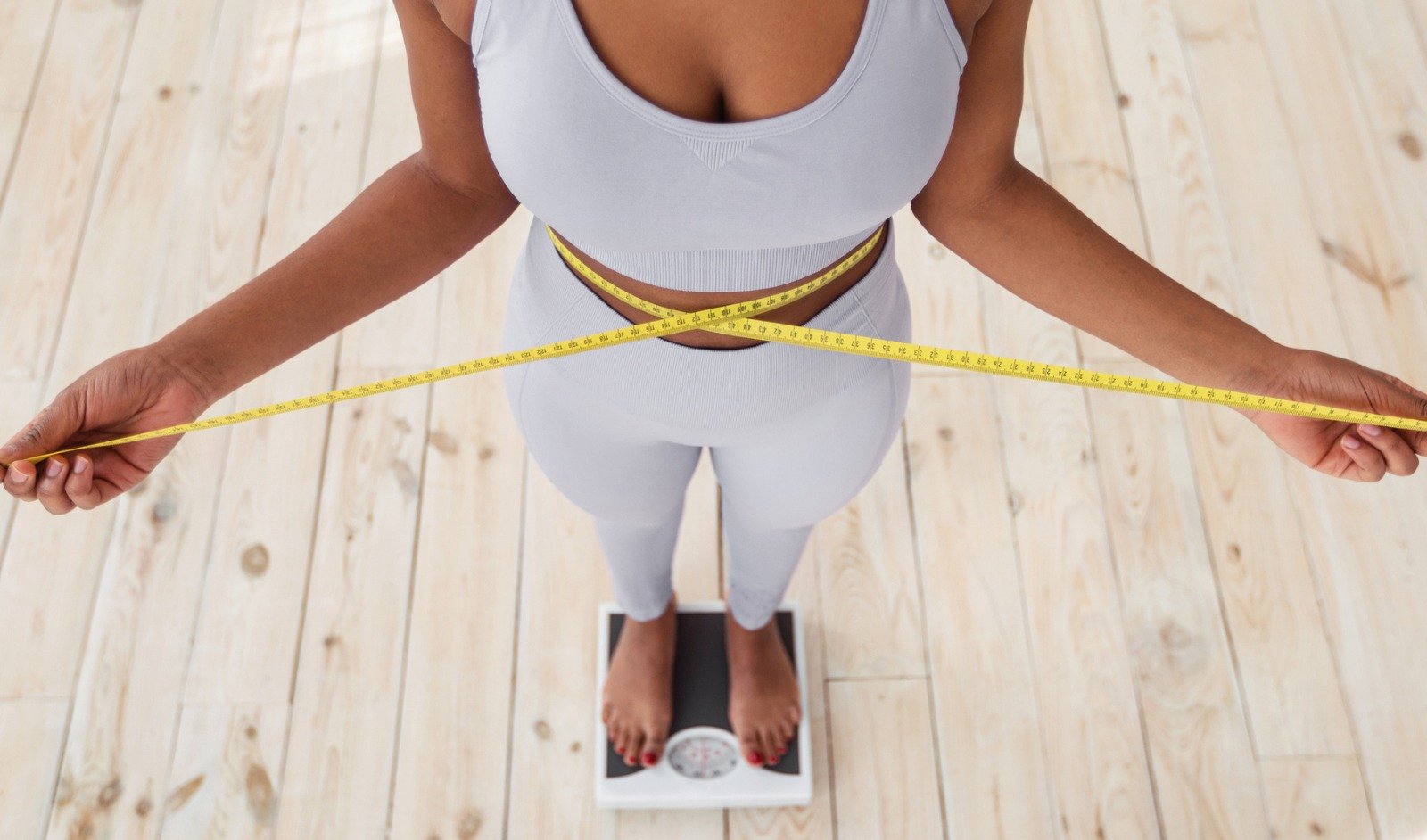
Start With the Changes You Can Actually Keep
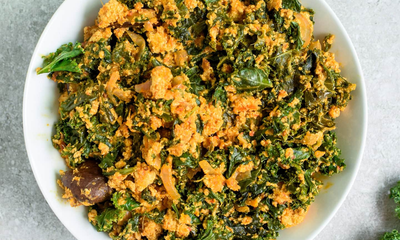
You do not always need a dramatic diet overhaul to start losing weight. Sometimes, the most useful change is surprisingly ordinary: drinking more water, walking during a work break, cooking at home or simply getting enough sleep. The transcript’s central lesson is easy to overlook — small lifestyle adjustments can add up when they become part of everyday life.
Make Your Routine Work for You
For someone in Accra spending hours behind a desk, a 10-minute walk during lunch may sound insignificant. Done regularly, however, those extra minutes of movement are very different from doing nothing at all. The same thinking applies to food.
Replacing sugary drinks with water can remove a steady source of extra calories. Choosing fruit, vegetables, beans and whole-grain foods can make meals more filling because of their fibre content. Preparing more meals at home also gives you greater control over portions and ingredients.
Think Progress, Not Punishment
Perhaps the biggest mistake people make is treating weight loss as something that requires suffering.
A healthier approach can be much less dramatic: change one habit, allow it to settle into your routine, then build from there.
Sleep belongs in that picture too. The transcript notes that inadequate sleep is associated with greater appetite and weight gain, making rest another part of a sustainable approach to managing weight.
You do not have to transform your entire life on Monday morning. Start with one habit you can repeat on an ordinary Tuesday — then keep going.










You might have strong legs, a powerful back and well-developed shoulders, but if your hands cannot hold onto the weight, your workout can come to an abrupt end. Grip strength is one of the most overlooked aspects of fitness, yet it plays an important role in everything from lifting weights to carrying shopping bags and performing everyday tasks.
Your Forearms Hold the Secret
Much of the strength responsible for closing your fingers comes from muscles in your forearms. These muscles work through tendons that extend into your hands, allowing you to grip and hold objects.
This explains why developing stronger forearms can improve your ability to perform exercises such as pull-ups, rows and deadlifts.
Rather than relying entirely on wrist curls, grip training should include exercises that challenge your ability to hold weight under sustained tension.
Two Simple Ways to Build Grip Strength
The dead hang is a straightforward starting point. Hold a pull-up bar with both hands, keep your thumbs wrapped around the bar and suspend your body for as long as you comfortably can. Gradually increasing your holding time can improve grip endurance.
Another useful exercise is the farmer’s walk. Hold a heavy dumbbell in each hand, stand upright and walk for approximately 30–40 yards without putting the weights down. This challenges your grip while engaging your shoulders and core.
Both exercises can be adapted to different fitness levels, making them useful additions to home or gym routines.
Strength Beyond the Gym
Grip strength is also valuable as people age. Research has associated weaker handgrip strength with poorer overall health outcomes, making it a useful indicator of physical function.
Whether carrying groceries through an Accra market or lifting weights at the gym, strong hands make everyday activities easier.
Don’t train your muscles and forget your hands. Your grip deserves attention too.
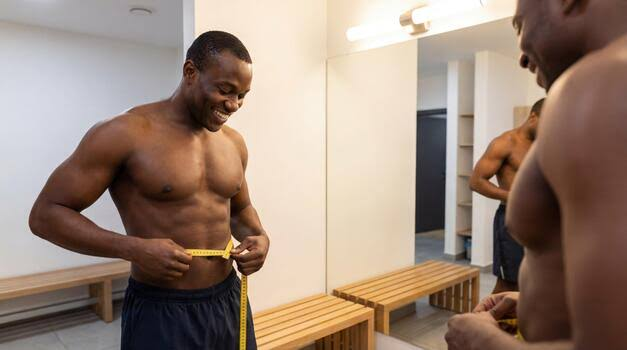
What if your biggest fitness achievement before the end of the year is not losing weight but simply maintaining it?
As holiday celebrations, family gatherings, travel, and food-filled festivities approach, staying at the same weight might be one of the most valuable health goals you can set yourself.
The Hidden Cost of Holiday Weight Gain
Between November and December, healthy routines can easily take a back seat. In Ghana, Christmas celebrations, weddings, family reunions and end-of-year parties often mean more eating out, generous portions, sugary drinks and fewer opportunities for regular exercise.
A kilogram or two gained during the holidays might not seem particularly concerning. However, repeatedly gaining weight during festive periods and never quite losing it afterwards can gradually increase body weight over several years.
This pattern, sometimes called weight cycling, highlights why weight maintenance deserves as much attention as weight loss. Excessive weight gain over time can increase the risk of conditions such as type 2 diabetes, high blood pressure and cardiovascular disease.
Small Habits, Lasting Results
Maintaining your weight does not mean avoiding every celebration or refusing your favourite meals. It means making sensible choices consistently.
Enjoy your jollof rice and grilled chicken, but pay attention to portion sizes. Keep walking, even when travelling or visiting relatives. Include vegetables and protein in your meals, drink enough water and avoid turning every social occasion into an excuse to overeat.
Regularly monitoring your weight can also help you recognise gradual changes before they become difficult to reverse.
Give Yourself a Better Starting Point
The festive season should be enjoyed, not feared. Rather than putting pressure on yourself to achieve dramatic weight-loss results, aim to finish the year around the weight at which you started.
Sometimes, protecting your progress is the greatest fitness achievement of all.
“You’re going to be upset with me.” It is a familiar confession for many people living with diabetes, especially after eating more than planned, missing a workout or forgetting to check their blood sugar.
But managing a lifelong condition is challenging enough without adding guilt and self-criticism to the burden.
Learning to practise self-compassion could make a meaningful difference.
Breaking the cycle of guilt
Diabetes management requires daily decisions about food, medication, physical activity and blood glucose monitoring. Even with the best intentions, there will be difficult days. Someone may enjoy an extra serving of rice at dinner, reach for a sugary drink or struggle to maintain an exercise routine.
The problem is not simply making a mistake but allowing it to trigger shame and discouragement. Feeling like a failure can make it harder to return to healthy habits.
Self-compassion offers a healthier response. It involves treating yourself with kindness, recognising that everyone struggles and acknowledging difficult emotions without allowing them to take control.
Rather than thinking, “I’ve ruined everything,” try asking, “What can I learn from this, and what can I do differently tomorrow?”
Progress over perfection
One practical approach is to pay attention to your inner conversations. Replace harsh criticism with realistic encouragement. Keep a record of small achievements, whether taking a walk after dinner, choosing water instead of a sugary drink or remembering medication.
Self-compassion does not mean ignoring diabetes or abandoning medical advice. It means accepting responsibility without punishing yourself.
Diabetes management is a long journey, not a daily examination you must pass perfectly. Sometimes, the most powerful step towards better health is giving yourself permission to begin again.


From Mfantsipim at 9 to University at 12: Meet Diamond Lucas, Ghana’s Albert Einstein

Explainer: Why COP31 Ended Without a Deal, and What it Actually Means

Grieving Mother, Friends Demand Justice After Talented Young Woman Phillipa Acquah Killed by Reckless Motorcyclist
-

 Commentary11 hours ago
A Life Cut Short: A Cry for Justice for Phillipa Acquah and An Urgent End to Road Recklessness
-

 Uncategorized1 day ago
Fat Joe Makes Emotional Appeal to Bronx Youth After Ghanaian Teen Javits Frimpong’s Killing
-
 Ghana News10 hours ago
Grieving Mother, Friends Demand Justice After Talented Young Woman Phillipa Acquah Killed by Reckless Motorcyclist
-

 Ghana News1 day ago
German President Steinmeier Arrives in Ghana to Boost Trade and Skills Partnerships
-

 Global Update12 hours ago
Americans Raise More Than $944,000 to Help Nolan Wells’ Mother Find Answers Despite Grand Jury Decision
-

 From the Diaspora1 day ago
Ghanaian-Born Entrepreneur Mawena Tafa Turns Viral Brooklyn Encounter with Strange Man Into Business Opportunity
-
 Ghana News10 hours ago
Explainer: Why COP31 Ended Without a Deal, and What it Actually Means
-
 Ghana News9 hours ago
From Mfantsipim at 9 to University at 12: Meet Diamond Lucas, Ghana’s Albert Einstein