
Health & Wellness
The 10-Minute Rule: How Showing Up Can Make Exercise a Habit


You do not have to feel energetic, excited or even particularly motivated to exercise. Sometimes, the hardest part of a workout is simply getting started.
That is where the 10-minute rule can change the way you approach movement. Instead of promising yourself an intense one-hour session, make a smaller commitment: show up and move for just 10 minutes.
You could walk around your neighbourhood in Accra, stretch at home, climb a few flights of stairs, follow a short mobility routine or do some bodyweight exercises.
After 10 minutes, you can decide whether you want to continue. If you stop there, the session still counts.
Build the Habit Before Chasing Results
The bigger goal is not to make every workout exhausting. It is to teach your brain that movement is something you regularly do.
This can be especially useful for people whose schedules constantly change. A busy professional may not have an hour for the gym, but may have 10 minutes before work or after dinner. A parent may not manage a full workout but can take a brisk walk while running errands.
Acknowledging those small efforts also matters. Each completed session becomes evidence that you are capable of keeping a promise to yourself.
Make Tomorrow Part of Today
The real victory is not one spectacular workout. It is creating a routine you are willing to repeat.
Ten minutes today can become 20 tomorrow, a longer walk later in the week, or eventually a regular strength-training routine. The habit comes first; fitness grows from there.










Health & Wellness
Your Body Is Still Working While You Sleep — And Your Sleep May Matter More Than You Think

Your body may be lying still at midnight, but it has not stopped working. During sleep, your brain and body coordinate a range of repair and metabolic processes, including the release of growth hormone, which plays an important role in tissue repair and maintaining muscle.
That makes sleep an often-overlooked part of a healthy weight-management routine.
Sleep and Your Metabolism
The relationship between sleep and fat loss is more complicated than simply saying that your body burns fat late at night.
Your metabolism continues throughout the night, using a mixture of stored fuels to keep your organs functioning.
What matters is that consistently poor or shortened sleep can interfere with the systems that regulate appetite, energy balance and metabolism. It may also make it harder to maintain muscle while trying to lose weight.
For someone in Accra finishing work late, scrolling on a phone in bed or waking early for a long commute, losing an hour or two of sleep can become a regular habit rather than an occasional sacrifice.
Make Sleep Part of the Plan
If you’re trying to improve your weight, fitness or energy levels, don’t treat sleep as the leftover hours after everything else is finished. Aim for a consistent sleep schedule and give yourself enough time for roughly seven to nine hours of sleep as an adult.
A good night’s sleep will not magically melt away body fat. But it can support the hormones, appetite control, recovery and muscle maintenance that make healthy weight management easier.
Sometimes, the smartest thing you can do for your health at night is surprisingly simple: go to bed.

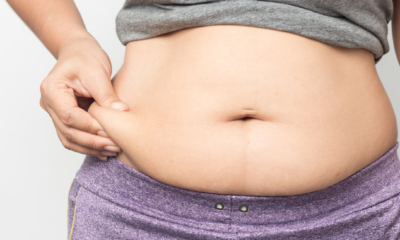
You have just delivered a baby, but your body has not simply switched back to its old settings. Inside your abdomen, a roughly one-kilogram uterus is gradually shrinking, stretched muscles are recovering, and tissues that expanded over pregnancy are slowly finding their way back.
That is why the postpartum belly can remain surprisingly prominent—and why expecting it to disappear within weeks can create unnecessary pressure.
What is happening beneath the surface?
The abdominal wall has spent months making room for a growing baby. The rectus muscles can separate along the centre line, a common condition known as diastasis recti.
For many women, the gap gradually narrows during the months after birth, although recovery varies from person to person.
Then there is everything else: constipation, trapped gas, fluid shifts, swelling and changes in digestion can all affect how the abdomen looks and feels. Fat stores built during pregnancy also tend to disappear gradually rather than all at once.
For women in Ghana and elsewhere, where new mothers may quickly hear comments about “getting their body back,” understanding this process can offer a healthier perspective.
Recovery is not a competition, and comparing yourself with another mother—or an edited image online—does not tell you how your body should heal.
Give recovery the time it deserves
Motherhood changes more than your waistline. It affects hormones, muscles, sleep, emotions and your sense of identity.
So that soft belly is not evidence that you have failed to bounce back. It can be evidence that your body has done something extraordinary.
Healing takes time. Give yourself some of it.
Start With the Changes You Can Actually Keep
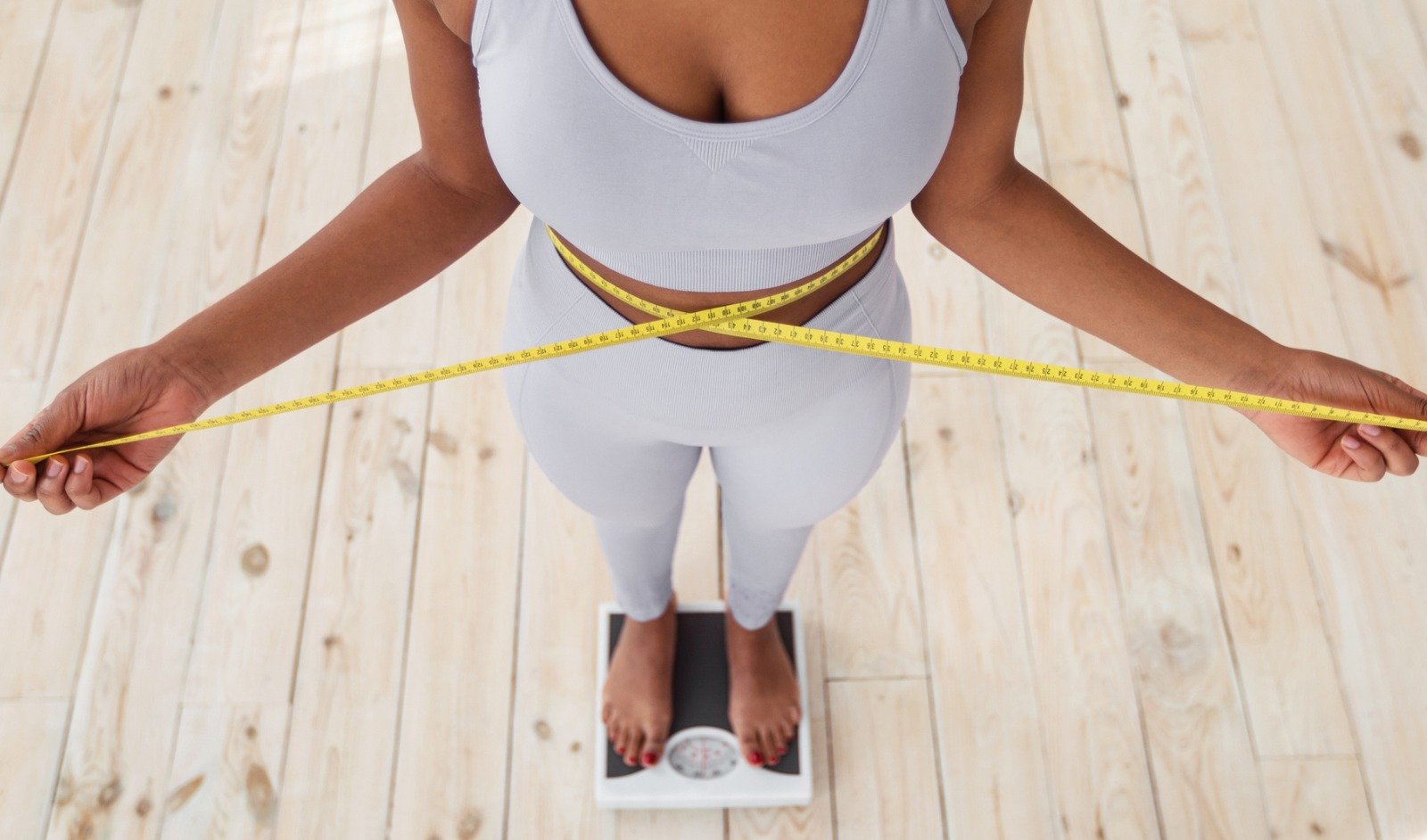
You do not always need a dramatic diet overhaul to start losing weight. Sometimes, the most useful change is surprisingly ordinary: drinking more water, walking during a work break, cooking at home or simply getting enough sleep. The transcript’s central lesson is easy to overlook — small lifestyle adjustments can add up when they become part of everyday life.
Make Your Routine Work for You
For someone in Accra spending hours behind a desk, a 10-minute walk during lunch may sound insignificant. Done regularly, however, those extra minutes of movement are very different from doing nothing at all. The same thinking applies to food.
Replacing sugary drinks with water can remove a steady source of extra calories. Choosing fruit, vegetables, beans and whole-grain foods can make meals more filling because of their fibre content. Preparing more meals at home also gives you greater control over portions and ingredients.
Think Progress, Not Punishment
Perhaps the biggest mistake people make is treating weight loss as something that requires suffering.
A healthier approach can be much less dramatic: change one habit, allow it to settle into your routine, then build from there.
Sleep belongs in that picture too. The transcript notes that inadequate sleep is associated with greater appetite and weight gain, making rest another part of a sustainable approach to managing weight.
You do not have to transform your entire life on Monday morning. Start with one habit you can repeat on an ordinary Tuesday — then keep going.


Ghana Property & Lifestyle Expo Returns to Accra for a Decade of Opportunities

Ghanaian Tomato Stew: The Rich, Fragrant Sauce Everyone Should Try

Building in Stages? Why Your Concrete Slab Needs Protection Before the Next Floor
-

 Arts and GH Heritage2 days ago
Congo: Capturing Life Beyond War
-

 Health & Wellness1 day ago
Your Body Is Still Working While You Sleep — And Your Sleep May Matter More Than You Think
-

 Sights and Sounds14 hours ago
Looking for a Different Day Out in Accra? Bambo’s Has You Covered
-
 Homes & Real Estate14 hours ago
Building in Stages? Why Your Concrete Slab Needs Protection Before the Next Floor
-
 Taste GH9 hours ago
Ghanaian Tomato Stew: The Rich, Fragrant Sauce Everyone Should Try
-
 Festivals & Events8 hours ago
Ghana Property & Lifestyle Expo Returns to Accra for a Decade of Opportunities