
Health & Wellness
Muscle Modernity: Why Lifting Heavy Is the Missing Key to Midlife Longevity


Somewhere between our schoolyard tag games and our thirties, movement lost its joy. Childhood play gave way to career deadlines, and “exercise” transformed into a tedious chore.
When we finally attempt a return to fitness, we often punish ourselves with endless treadmill sessions or strict calorie math.
Yet, as the years advance, the body requires a fundamental shift in strategy. Beyond the age of thirty, human bodies naturally lose muscle mass at an accelerating rate—a biological process known as sarcopenia.
The true secret to reclaiming vitality is not logging grueling hours on a cardio bike; it is rebuilding our physical armor through progressive resistance training.
Lifting weights or leveraging bodyweight exercises rewrites your cellular story. Resistance training sends clear signals to your muscle cells to build denser protein structures, sharpening metabolism, protecting bone density, and stabilizing joints.
Restoring strength turns daily tasks into lightweight movements once again.
Reclaiming fitness requires abandoning the notion that movement is punishment for what you ate. Treat strength training as a deliberate act of physical self-creation—a way to build a resilient frame that supports an active, vibrant life for decades to come.
Heavy Weights, Longer Life: Reclaiming Muscle Beyond 30
Modern adults face an inevitable loss of lean muscle every decade after age thirty. Countering this biological decline requires moving away from pure cardio and embracing progressive strength training.
Play to Preserve: Why Strength Is the Ultimate Anti-Aging Pill
Lifting heavy weights does more than burn calories; it signals your cells to rebuild stronger bone and muscle tissue.
Re-framing resistance work as intentional physical training makes fitness sustainable and empowering.













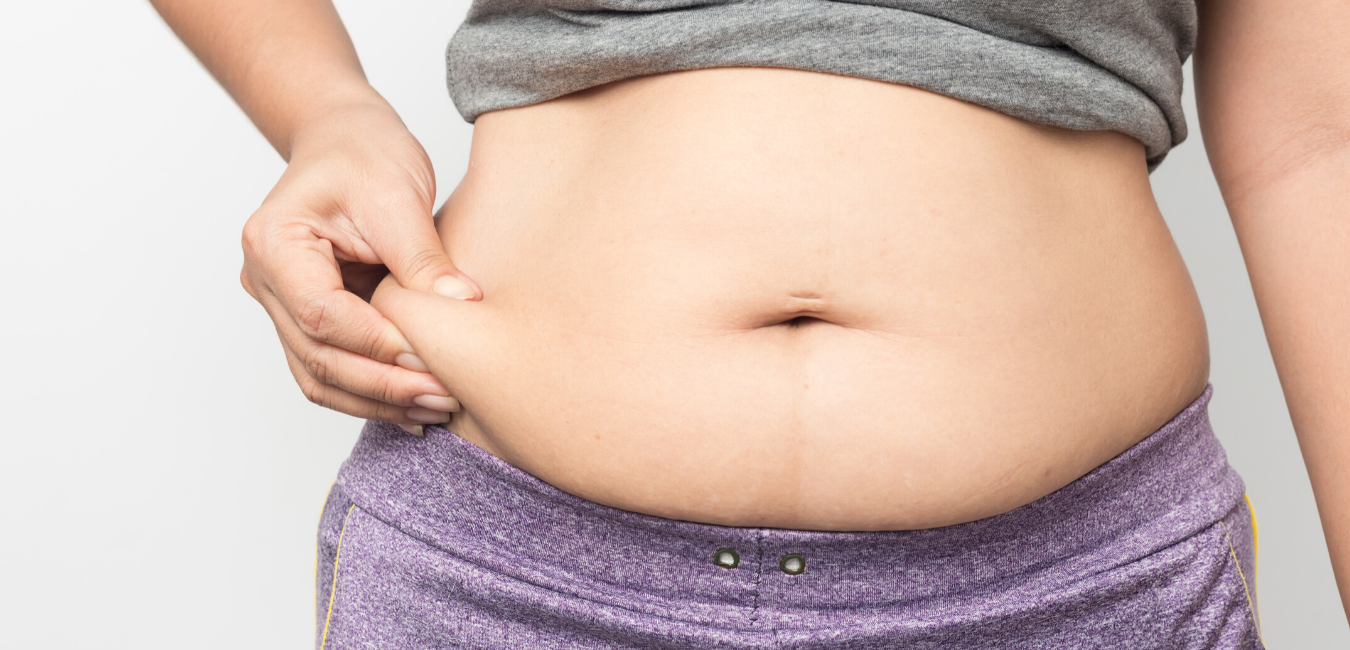
Think of your body fat stores like a swimming pool with a distinct shallow end and a deep end.
When you gain weight, the deep end fills up first based on your genetic predisposition—the lower belly and hips for men, or the thighs and lower torso for women.
When you diet, you pull water out of the pool evenly with a bucket, meaning fat drains from everywhere at once, leaving those deepest genetic pockets for last.
Why Targeted Exercises Fail
Many fitness enthusiasts spend hours doing targeted ab crunches or targeted exercises hoping to target specific problem areas. However, physiological science shows that spot reduction is impossible.
Targeted movements strengthen the underlying muscle, but they do not selectively burn the subcutaneous fat sitting directly above it.
When your body enters a sustained calorie deficit, it mobilizes lipid reserves from across your entire frame rather than a single chosen zone.
Consistency Beyond the Plateau
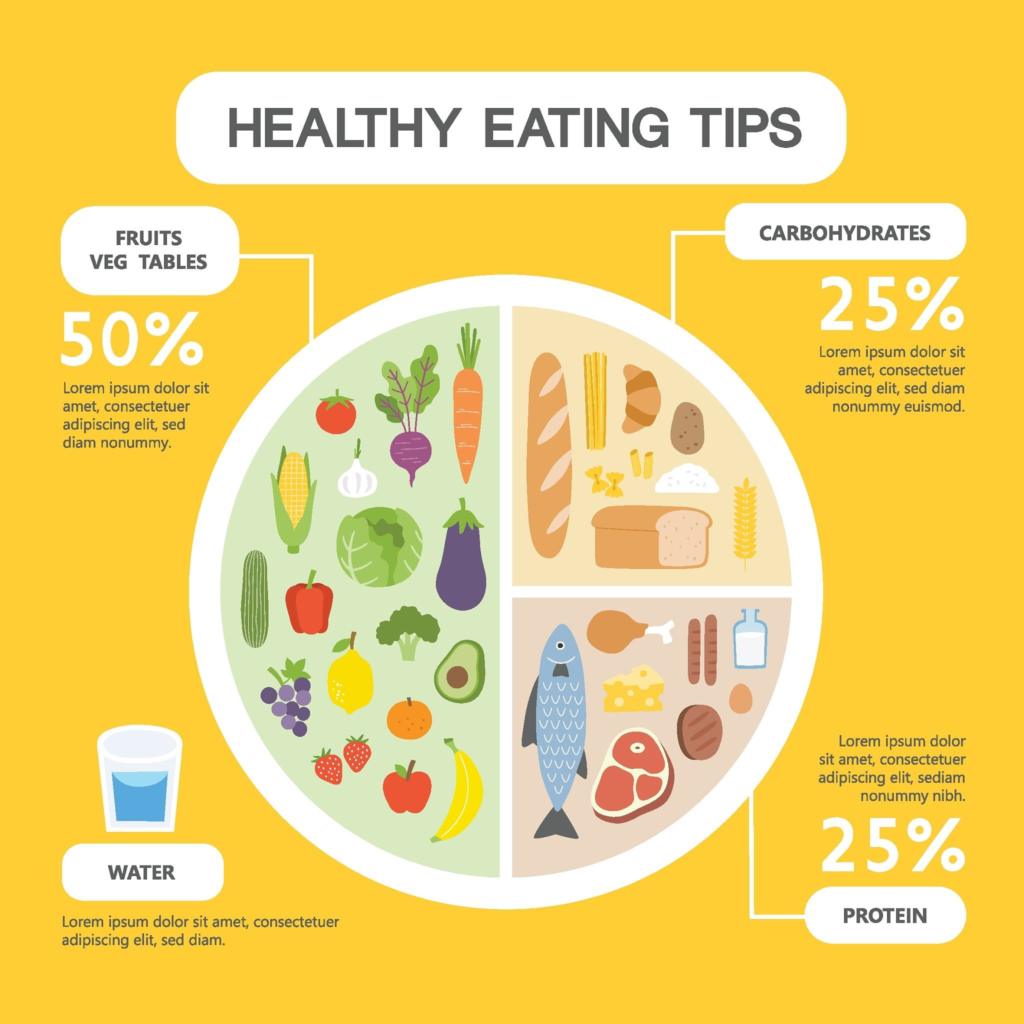
Feeling frustrated after months of clean eating is common when stubborn spots linger. Yet, this plateau simply means you are midway through draining the deep end.
Reaching those final stubborn pockets does not require extreme fad diets or drastic routines; it simply demands maintaining a sensible deficit long enough for your biology to reach the bottom of the pool.
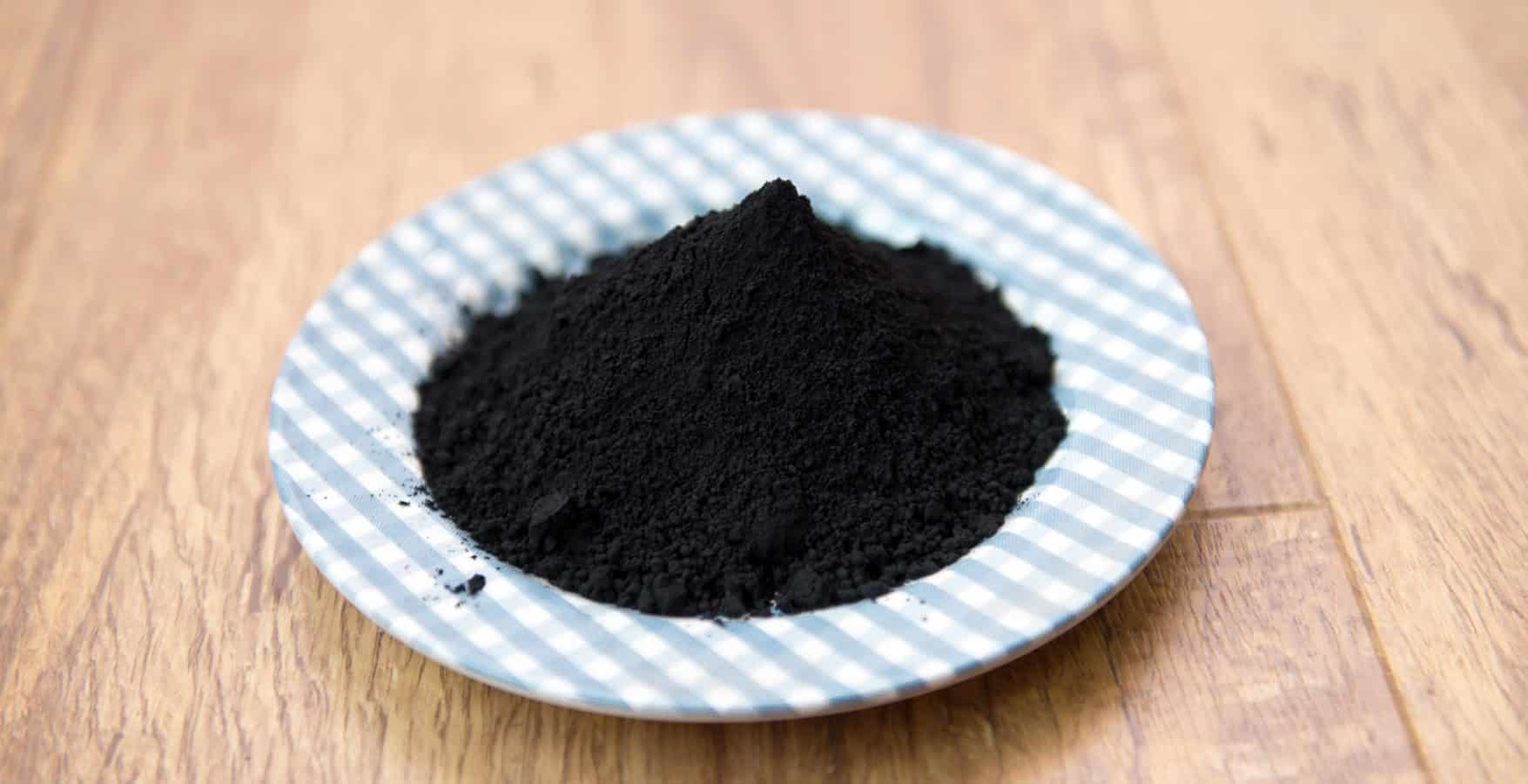
A black powder once kept in family medicine cupboards has found its way back into health conversations—but its greatest strength is not where many people think it is.
Activated charcoal has been used for centuries, from ancient Egypt to traditional healing practices, and stories of it easing insect bites, stomach troubles and wounds continue to circulate today.
That rich history makes it fascinating, yet modern medicine draws a clearer line between tradition and proven treatment.
Where It Truly Shines
Activated charcoal earns its strongest scientific support in emergency treatment for certain poisonings and drug overdoses, where it can bind to some toxins in the digestive tract and reduce how much the body absorbs.
Hospitals around the world still use it in carefully selected cases, and it is also widely used in water filtration and some medical equipment because of its remarkable ability to trap substances.
Outside those settings, the evidence becomes much less certain. Claims that charcoal detoxifies the body, heals joint pain through the skin, or treats everyday illnesses have not been consistently supported by high-quality clinical research.
Even though charcoal is marketed as a wellness cure-all, taking it without guidance can interfere with medications by reducing how well they work.
Tradition Meets Common Sense
For many families, including some in Ghana, home remedies carry memories as much as medicine.
Activated charcoal remains an interesting example of how traditional practices can inspire scientific research, but it also reminds us that “natural” does not automatically mean proven.
The healthiest approach is knowing when a remedy belongs in a hospital, when it belongs in a water filter—and when professional medical advice matters most.

“Drink water until your urine is clear.” It sounds like simple advice, but your body tells a more interesting story. The colour of your urine can offer useful clues about hydration, while persistent foam or unusual changes can signal that it’s time to pay attention.
Health experts generally consider pale straw to light yellow urine a sign that you’re well hydrated. Darker yellow often means your body needs more fluids, especially after exercising, spending time in the Ghanaian heat, or recovering from illness. Completely colourless urine is not automatically a sign of perfect health—it can simply mean you’ve had plenty of water.
When Bubbles Deserve Attention
One of the biggest myths is that any bubbles in the toilet mean something is wrong with your kidneys. In reality, occasional bubbles are common. They can happen because urine hits the water with force or because the toilet bowl contains cleaning products.
What deserves attention is persistent foamy urine that keeps appearing, especially if it’s accompanied by swelling, fatigue, or changes in how often you urinate. That can sometimes point to protein leaking into the urine, a sign that should be checked by a healthcare professional through a simple urine test.
Let Your Body Be the Guide
Instead of counting endless glasses of water, pay attention to your body’s signals. Drink regularly throughout the day, especially in hot weather, and aim for urine that’s pale yellow rather than perfectly transparent.
Sometimes the healthiest habit isn’t drinking the most water—it’s knowing when your body is asking for it.


Weaving Royalty: How Agotime’s Kente Festival Celebrates Living History

Ghana Parliament Faces Emergency Recall Over Heightening Narcotics Crisis

How Ghanaian-Born Professor Kofi Akamani Was Fatally Shot During Custody Exchange
-

 Ghana News1 day ago
“It Slipped Through”: Ghana Customs Boss Admits Airport Security Failure After 3.9-Ton Drug Bust
-

 Opinion1 day ago
African Blood for Other People’s War?
-

 Homes & Real Estate2 days ago
How Mechanical, Electrical, and Plumbing Audits Protect Your Real Estate Investment
-

 Global Update1 day ago
White House Launches ‘Trump TV’ on YouTube After Banning Three News Outlets: Here’s What It’s Showing
-

 Ghana News12 hours ago
From Cocoa to Batteries: Ghana’s Industrial Dream and Its Risks
-
 Ghana News11 hours ago
Ghana Parliament Faces Emergency Recall Over Heightening Narcotics Crisis
-
 Ghana News11 hours ago
How Ghanaian-Born Professor Kofi Akamani Was Fatally Shot During Custody Exchange
-

 Fashion & Style2 days ago
When Aesthetics Backfire: What the Converse Imagery Controversy Teaches the Global Style Industry