
Ghana News
What the $2 Billion New Accra-Kumasi Expressway Will Look Like

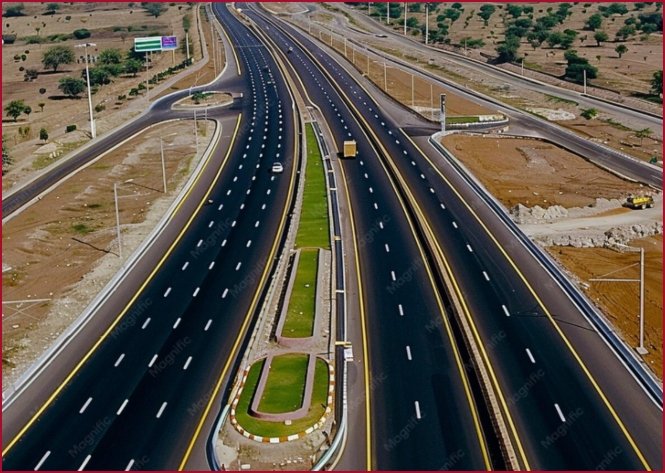
It is being described as Ghana’s most ambitious infrastructure project in decades. From eight grade-separated interchanges to 55 mainline bridges and an intelligent transport system, the Accra-Kumasi Expressway is designed to be a modern engineering marvel.
Engineer Francis Ahlidza, Managing Director of Accra-Kumasi Expressway Limited, has revealed the full scope of the project’s design, which promises to be a state-of-the-art, six-lane, bi-directional Class A expressway.
A Corridor Built for Speed and Safety
The mainline will feature a three-lane dual carriageway on a 36-metre standard roadbed, designed for a speed of 120 kilometers per hour. Connector roads at the Accra and Kumasi ends will be Class B roads with a 60 km/h limit. The project covers approximately 198.7 kilometres between Ablekuma and Sewua, comprising 176 kilometres of new expressway and about 23 kilometres of upgraded connector roads.
Key Structures and Features
The expressway will incorporate eight grade-separated interchanges, 11 vehicle overpasses, and 55 mainline bridges, infrastructure designed to significantly improve road safety and ease traffic flow. The interchanges are planned at strategic locations including the Accra Hub, Adeiso, Asamankese, Akyem Oda, Ofoase, Lake Bosomtwe, and Kumasi. Three major bridges will span the Birim and Pra Rivers.
Smart Road Technology
The expressway will feature a modern intelligent transport system (ITS), supported by electromechanical works.
A total of eight tolling locations, one operating centre, and two monitoring centres will enable authorities to monitor traffic and respond quickly to incidents along the corridor. The route will also include four full-service rest areas where motorists can rest, eat, and attend to their vehicles, as well as a fire service station, an ambulance station, and three maintenance depots.
Engineering Scale
The project also includes nine at-grade intersections and approximately 200 reinforced concrete box culverts, underscoring the scale of the engineering undertaking.
When completed, the expressway is expected to reduce the distance between Accra and Kumasi by about 50 kilometres, cut journey times by 50%, and reduce travel costs by approximately 40%.
The Accra-Kumasi Expressway will be a fully integrated transport corridor. Its combination of high-capacity design, safety features, and smart technology positions it as a landmark project that will define Ghana’s infrastructure landscape for generations.













Ghana News
Ghanaian Community in the Bronx Reels After Second Tragedy: 24-Year-Old Church Organist Found Dead at Dumpsite
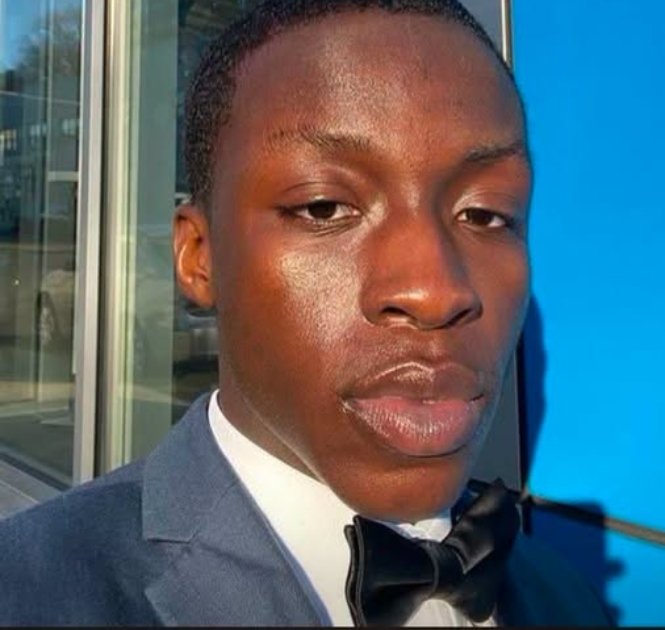
The tight-knit Ghanaian community in the Bronx has been struck by a second devastating tragedy in a matter of weeks, plunging family members, faith leaders, and diaspora networks into deepened mourning and heightened anxiety over safety in the neighborhood.
Joseph Owusu, a 24-year-old Ghanaian youth, was found dead at a dumpsite in the Bronx, roughly two weeks after he was reported missing.
The grim discovery was reportedly made by a scrap collector. Local authorities are continuing to investigate the circumstances surrounding his disappearance and death.
Owusu was well-known and respected within the local diaspora, serving as a dedicated organist at the Ghana United Methodist Church in the Bronx. He was widely remembered for his warm personality and active role in the community — a young man whose music and presence anchored Sunday worship for many Ghanaian families in the borough.
His death comes so soon after the fatal shooting of 15-year-old Javits Frimpong that community leaders describe the collective grief as almost unbearable.
Frimpong, a Ghanaian teenager, was chased and fatally shot in the stomach on the morning of October 29, 2026, near East 171st Street and Crotona Place/Claremont Avenue while on his way to DreamYard Preparatory Academy. He was rushed to the hospital, where he was pronounced dead. The boy had moved to the United States from Ghana just under a year earlier to reunite with his father, Thomas Frimpong, and was remembered as a quiet, clever student who aspired to become a doctor.
His father publicly stated that Javits had been experiencing bullying at school and alleged that school officials had informed him of recent suspensions involving schoolmates just days before the killing. NYPD investigators have reviewed surveillance footage showing suspects fleeing the scene, and a search has centered on identifying those responsible, though police continue to investigate all motives.
The Frimpong case sparked student walkouts demanding an end to gun violence and bullying, community vigils, and high-level diplomatic attention, including condemnation from Ghanaian officials urging a thorough investigation. Now, the discovery of Owusu’s body has compounded calls for answers and for greater protection of immigrant communities in the Bronx.
Community leaders and Ghanaian diaspora networks are urging anyone with information about Owusu’s disappearance or the circumstances of his death to come forward to police. Authorities have not publicly indicated whether foul play is suspected in his case.
As the Bronx Ghanaian community prepares to mourn a second young life in less than a month, faith leaders at the Ghana United Methodist Church and beyond are calling for calm, solidarity, and a thorough accounting from local authorities.
This is a developing story. Updates from community leaders and the NYPD investigation are expected in the coming days.
Ghana News
Ghana’s Ambitious ‘Pharmaceutical Hub’ Aims to Reverse 70% Reliance on Imported Medicines
Ghana has unveiled an ambitious plan to reverse its 70% reliance on imported medicines through the establishment of a Pharmaceutical Hub, anchored by the newly launched Ghana Pharmaceutical Manufacturing Policy (GPMP).
The policy, approved by Cabinet and launched on Wednesday, October 28, at the Africa Trade House, provides a strategic framework to build a sustainable, competitive, and integrated pharmaceutical ecosystem.
The launch brought together key government officials, including Elizabeth Ofosu-Adjare, Minister for Trade, Agribusiness and Industry, alongside diplomats, industry stakeholders, and representatives from the National Vaccine Institute (NVI).
A Presidential Legacy Initiative

Speaking at the event, Dr. Bernice Makafui Brempong, Presidential Coordinator for the Ghana Pharmaceutical Hub and Senior Executive in charge of Investments in Healthcare and Pharmaceuticals at the Office of the President, described the policy as central to President John Dramani Mahama’s vision of positioning Ghana as a pharmaceutical manufacturing hub in Africa.
“This achievement is central to President John Dramani Mahama’s vision,” Dr. Brempong stated. She noted that while financial support to local manufacturers was provided during the President’s first term, experience has shown that financial backing alone cannot sustain a competitive industry.
“Our ambition is to build an ecosystem where manufacturers can thrive,” she added, pointing to Section 7.7 of the policy, which identifies a purpose-built pharmaceutical park or hub as a “top priority of the Government” under its Industrial Transformation Programme.
Inside the Pharmaceutical Hub
The Ghana Pharmaceutical Hub, a presidential national legacy initiative under the new economy program, will bring manufacturers, input suppliers, research facilities, and shared infrastructure together.
The proposed Phase 2 in the Central Region will focus on producing active pharmaceutical ingredients, herbal medicines, and raw materials, including local production of excipients such as pharmaceutical-grade corn starch, corn syrup, and ethyl alcohol, strengthening the link between agriculture and pharmaceutical manufacturing.
Dr. Brempong stressed that contract manufacturing will be crucial, allowing smaller companies to utilize shared, ready-to-use facilities.
“Not every pharmaceutical company can afford to build its own manufacturing facility,” she noted. “Through shared infrastructure… the Hub seeks to lower these barriers.”
The Hub is also expected to address a critical skills gap by equipping clinical pharmacists with industrial pharmacy skills, creating opportunities for Ghana’s approximately 1,600 unemployed pharmacists.
Policy Provisions and Vision
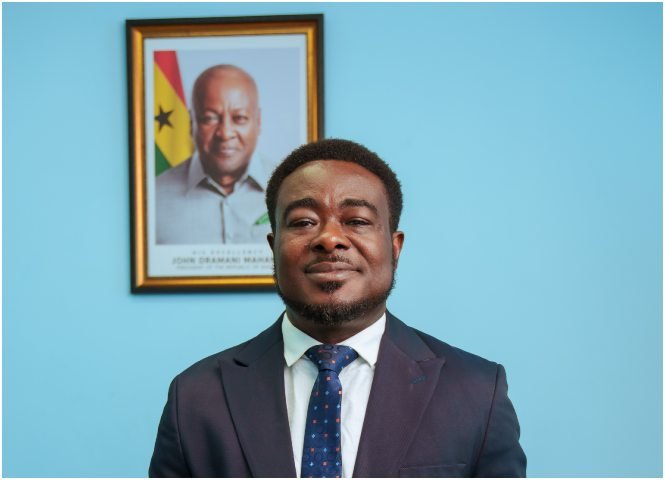
Dr. Sodzi Sodzi-Tettey, CEO of the National Vaccine Institute (NVI), described the policy as the foundation for an “integrated ecosystem” strategy.
He outlined key provisions including local raw material production, pharmaceutical R&D, contract manufacturing, skills development, academia collaboration, tax incentives, investment financing, market expansion, and vaccine manufacturing as a strategic priority.
Dr. Sodzi-Tettey noted the policy directly answers questions from Development Finance Institutions (DFIs) about government support for local manufacturers.
“I can confidently respond and say… Ghana has a Pharmaceutical Manufacturing Policy which articulates in clear concrete terms, the support that government is providing for the sector,” he said.
A Track Record of Growth
The launch highlighted Ghana’s recent pharmaceutical strides. Under the previous Mahama administration, over GHS 50 million was invested in at least three pharmaceutical companies, helping firms like Ernest Chemist build GMP-compliant plants.
In August 2025, President Mahama allocated $50 million to the NVI, which has since established an mRNA laboratory at the Noguchi Memorial Institute for Medical Research, making Ghana one of only five African countries with the technology.
In May 2025, the NVI and Atlantic Lifesciences manufactured Snake Venom Anti-Serum, Ghana’s first biological product. Ghana is on track to produce Anti-Tetanus Serum and its first vaccine, the Tetanus Diphtheria vaccine, in 2027.
Atlantic Lifesciences has also been prequalified under the Africa CDC’s Pooled Procurement Mechanism and awarded a contract to supply oxytocin to Africa.
Call to Action
Dr. Brempong called on financial institutions to develop long-term financing solutions and urged healthcare institutions to prioritize domestic industries.
“The approval of this policy is an important achievement, but it is only the beginning,” she concluded. “Our success will ultimately be measured by the factories established, investments attracted, medicines produced, jobs created and the competitiveness of Ghanaian manufacturers… Let us move from policy to implementation, from ambition to investment, and from dependence to greater domestic productive capacity.”
Ghana News
‘Javits Frimpong’s Mother Deserves to Say Goodbye to Her Son in Person’: Ghana Pledges Full Travel Costs After Trump Approves Emergency Visa
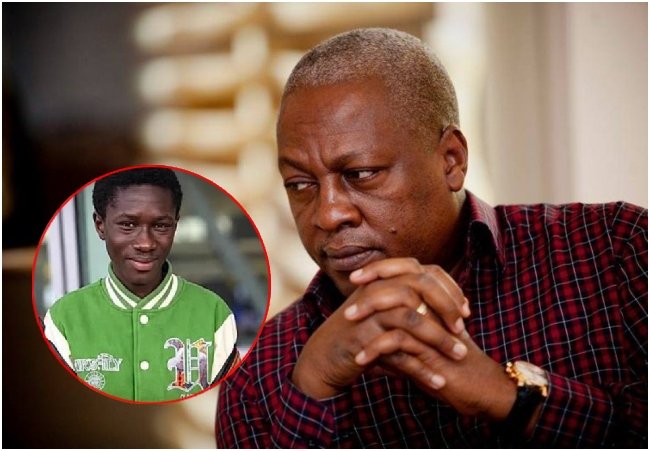
The mother of 15-year-old Ghanaian student Javits Frimpong, who was fatally shot in New York City, is set to travel from Ghana to the United States to say goodbye to her son after President Donald Trump agreed to grant her an emergency visa.
Madam Doris Adu Gyamfi’s journey comes after New York City Mayor Zohran Kwame Mamdani intervened, contacting Trump to request that the grieving mother be allowed to attend to her son’s final arrangements in person.
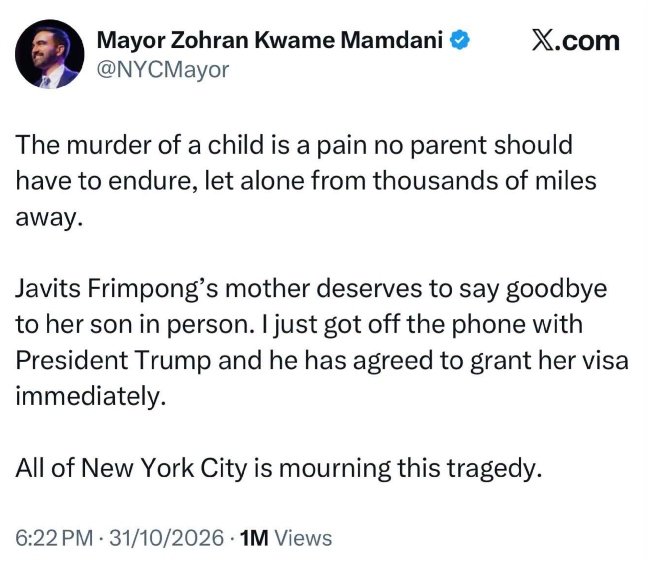
“The murder of a child is a pain no parent should have to endure, let alone from thousands of miles away,” Mamdani wrote in a post on X.
“Javits Frimpong’s mother deserves to say goodbye to her son in person. I just got off the phone with President Trump and he has agreed to grant her visa immediately,” he added.
Ghana’s Foreign Affairs Minister, Samuel Okudzeto Ablakwa, welcomed the intervention, describing the decision as timely and confirming that president John Mahama‘s administration would support the mother’s travel and funeral arrangements.
In a statement, Ablakwa said he had spoken with Madam Adu Gyamfi and assigned officials from Ghana’s Ministry of Foreign Affairs to assist her with the visa application process.
“Madam Doris Adu Gyamfi’s pain as a loving mother is unimaginable and indeed everything must be done to ensure she is present to pay her respects,” Ablakwa wrote.
He confirmed that the Mahama administration would cover the full cost of her travel to the United States and was prepared to contribute toward a dignified funeral for Javits.
A mother’s loss thousands of miles from home
Javits had moved from Ghana to New York approximately one year before his death to live with his father, Thomas Frimpong, in search of better opportunities. His mother remained in Ghana, separated from her son by thousands of miles.
On the morning of October 29, 2026, Javits was walking to DreamYard Preparatory School near Crotona Park in the Bronx when he was reportedly chased and shot in the abdomen. He was taken to St. Barnabas Hospital, where he was pronounced dead.
His killing has devastated his family and prompted an outpouring of grief among residents of the Bronx and members of the Ghanaian and wider West African diaspora.
The case has also raised concerns about reports that Javits had experienced bullying at school. His father said two students had recently been suspended following an incident involving harassment. Police had not officially confirmed whether the reported bullying was directly connected to the fatal shooting.
Investigators were searching for three teenage suspects reportedly seen fleeing the scene in dark clothing and surgical masks. No arrests had been announced in the information provided.
Ghana pledges support as calls for justice continue
Ablakwa thanked Mamdani and welcomed Trump’s decision, saying Ghana had confidence in the New York mayor’s intervention.
The foreign minister also reaffirmed the government’s commitment to working with U.S. authorities to pursue justice for Javits.
“We resolve to continue to work together in securing justice for Javits,” he wrote.
The government’s pledge to pay the mother’s travel expenses and assist with funeral costs is intended to help ensure that she can mourn her son alongside family and community members in the United States.
For a mother who remained in Ghana while her teenage son pursued a new life abroad, the opportunity to be physically present for his final farewell carries profound emotional significance.
A family and diaspora community in mourning
Mamdani said New York City was mourning Javits’ death, as vigils and memorial gatherings brought together community members, religious leaders and people calling for an end to youth gun violence.
The case has resonated beyond New York, particularly among Ghanaians concerned about the safety of young people living and studying abroad.
As arrangements for Javits’ funeral move forward, his mother’s planned journey offers an opportunity for her to say goodbye in person, while the investigation into his killing continues.
The tragedy leaves a family grieving a child whose move to the United States had been part of a search for a better future. Ghana’s government says it will continue to support the family and work with U.S. officials as they seek answers and justice.


Inspire Cape Coast 2026: Can Tourism, Events and Media Put Oguaa on the Global Map?

Ghanaian Community in the Bronx Reels After Second Tragedy: 24-Year-Old Church Organist Found Dead at Dumpsite

Is Ghana’s Kpogulo a Dumpling? Exploring a Northern Ghanaian Food Tradition
-

 Festivals & Events2 days ago
Expats in Ghana Brunch: An Evening of Culture, Conversation and New Connections in Accra
-

 Taste GH2 days ago
Beyond the Red Sauce: Discovering Upper East Ghana’s Funky Dawadawa Jollof
-
 Taste GH9 hours ago
Is Ghana’s Kpogulo a Dumpling? Exploring a Northern Ghanaian Food Tradition
-
 Ghana News7 hours ago
Ghanaian Community in the Bronx Reels After Second Tragedy: 24-Year-Old Church Organist Found Dead at Dumpsite
-
 Festivals & Events6 hours ago
Inspire Cape Coast 2026: Can Tourism, Events and Media Put Oguaa on the Global Map?
-

 Health & Wellness1 day ago
Your Phone Doesn’t Belong on the Toilet: Why Prolonged Sitting Could Harm Your Health