
Fashion & Style
Gold or Silver? The Ghanaian Woman’s Guide to Not Clashing With Your Own Necklace

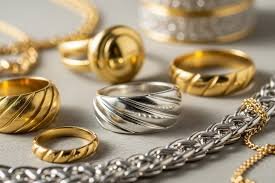
There is a silent war happening on the wrists and necks of women across this country, and it is time we talked about it.
You have seen her. Perhaps you have been her. She walks into an event wearing a beautiful kente print blouse, gold earrings the size of small saucers, and then—bam—a silver watch catches the light. The outfit is confused. The metals are fighting. And nobody is telling her the truth.
The truth is this: Gold and silver are not enemies, but they are also not twins. They are cousins who love each other from a distance. Knowing how to place them is the difference between looking like you threw on jewelry and looking like you curated an identity.
The Gold Standard
Gold in Ghana is not just a metal. It is heritage. It is the thing your mother handed down, the thing you wear to outdoorings and weddings. But gold is a diva. It demands warmth.
If you are wearing yellow gold—the real Ghanaian stuff—it wants to sit on colors that remind it of the earth it came from. Think deep browns, burnt oranges, olive greens, and rich burgundies. These colors hold hands with gold and walk together.
They whisper, “We are royalty, but we are grounded.”
Do not put yellow gold against neon or icy pastels. The coldness of those shades will make the gold look cheap, even if it is 24 karats. The only exception is the color black. Black and gold is the power couple that never breaks up. It says funeral, but it also says “I am the richest person here.”
The Silver Lining
Now, silver—or white gold, or platinum—has a different personality. Silver is the cool aunt. It is modern, sharp, and a little distant.
Silver loves cold colors. It wakes up when you put it next to navy blue, charcoal grey, mint green, and every shade of purple. Have you ever worn a purple dress with silver earrings and felt like you glowed? That is because purple and silver are siblings. They understand each other.
Silver also does something magical against white. Not cream, not off-white—pure, stark white. Against white, silver looks expensive. It looks editorial. It looks like you are about to step into a meeting and fire somebody.
The Mixing Rule
If you must mix metals—and sometimes the outfit demands it—do it deliberately. Do not wear one gold bangle and one silver bangle. Wear them in stacks. Create a pattern. Let it look intentional, not accidental. And always, always use a neutral color like grey or beige to mediate between them. Let the neutral be the referee so the metals can play.
At the end of the day, jewelry is not just decoration. It is punctuation. It tells people where to look and what to feel about you. So before you walk out that door, look at your wrist. Look at your neck. Ask yourself: Are these metals saying the same sentence? Or are they arguing?
Choose your side. And wear it like you mean it.





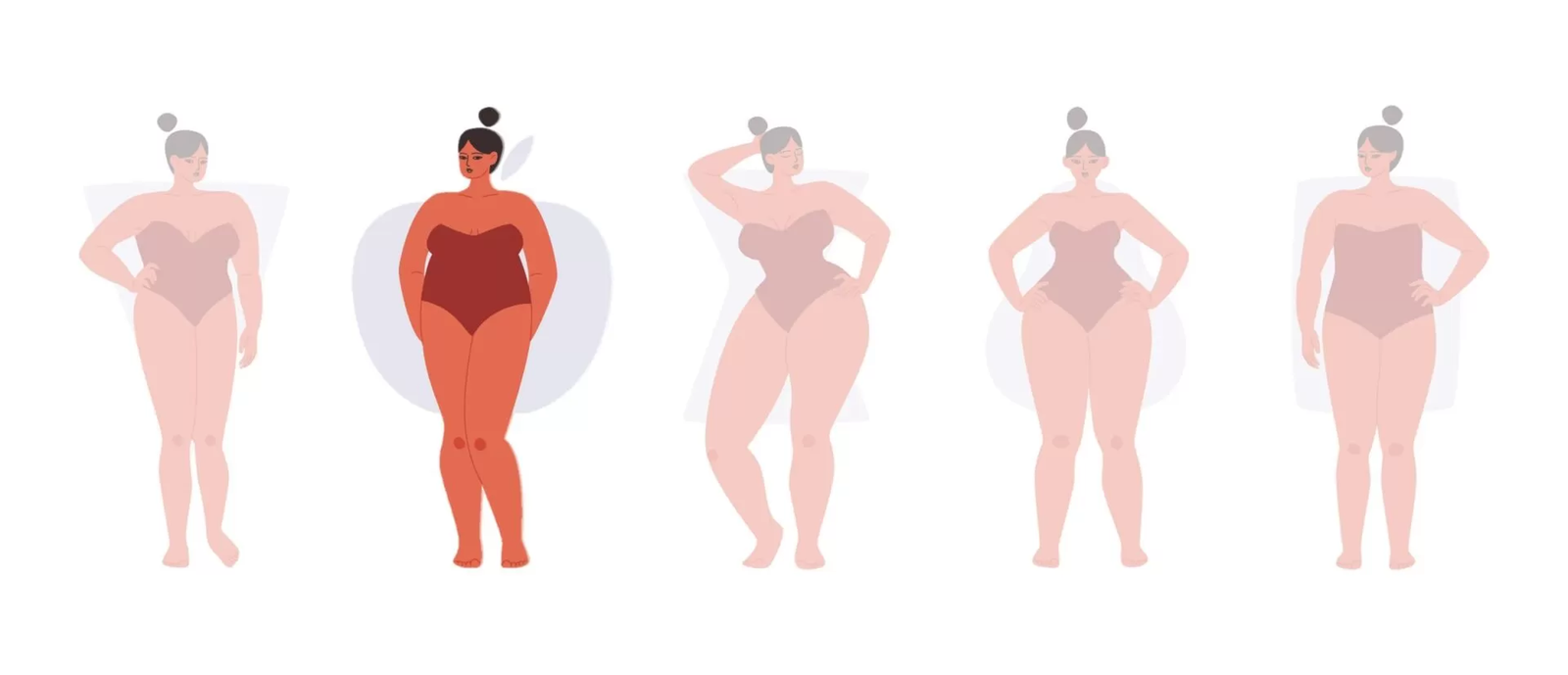
Great style is not always about chasing trends or buying the latest designer outfit. Sometimes, it comes down to understanding how different cuts, colours and patterns work together to create a silhouette that feels comfortable and confident.
For people with an apple-shaped body, a few thoughtful wardrobe choices can open up fresh possibilities for personal style.
The Power of Shape and Structure
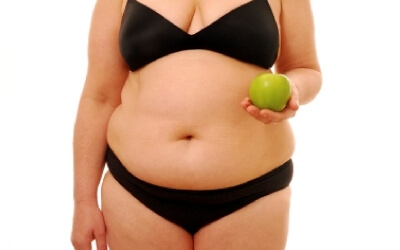
An apple-shaped figure typically carries more fullness around the midsection, with the shoulders and upper body often appearing broader than the hips.
Rather than hiding the body, strategic styling can create balance while allowing personal taste to lead.
A peplum top paired with white-leg jeans, for example, can introduce definition around the waist while adding structure to an everyday outfit. Wrap dresses offer another option, using adjustable fabric and diagonal lines to draw attention towards the waist.
Structured V-neck tops paired with bootcut jeans can also create visual balance between the upper and lower body.
For occasions that call for something more polished, ruched dresses in solid colours provide texture and shape, while dresses with darker side panels can create a subtle contouring effect.
Patterns deserve consideration, too. Strong horizontal lines may emphasise width in certain areas, whereas diagonal details can guide the eye across the body and create a different visual effect.
These are styling suggestions, not rigid rules: fabric, fit and individual proportions all influence how an outfit looks.
Confidence Beyond the Clothing
For Ghanaian fashion lovers, where tailored outfits, colourful prints, occasion dresses and contemporary streetwear all have a place in personal expression, these principles offer another way to approach the wardrobe.
A peplum blouse can work for a professional setting, while a wrap dress can transition easily from a social gathering to an evening event.
Ultimately, dressing well is less about fitting a body into fashion rules than finding clothes that make the wearer feel at ease.
The best outfit is one that works with your proportions, reflects your personality and lets confidence take centre stage.
Fashion & Style
Christian Louboutin’s Kumasi Visit Puts Ghana’s Footwear Craftsmanship in the Spotlight
Christian Louboutin is famous for turning a flash of red beneath a heel into one of fashion’s most recognisable luxury signatures.
Now, the French designer’s reported visit to Kumasi is raising a bigger question: could Ghana’s Garden City become a new meeting point for international luxury fashion and local craftsmanship?
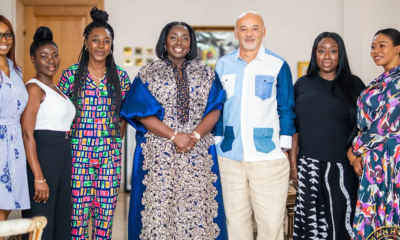
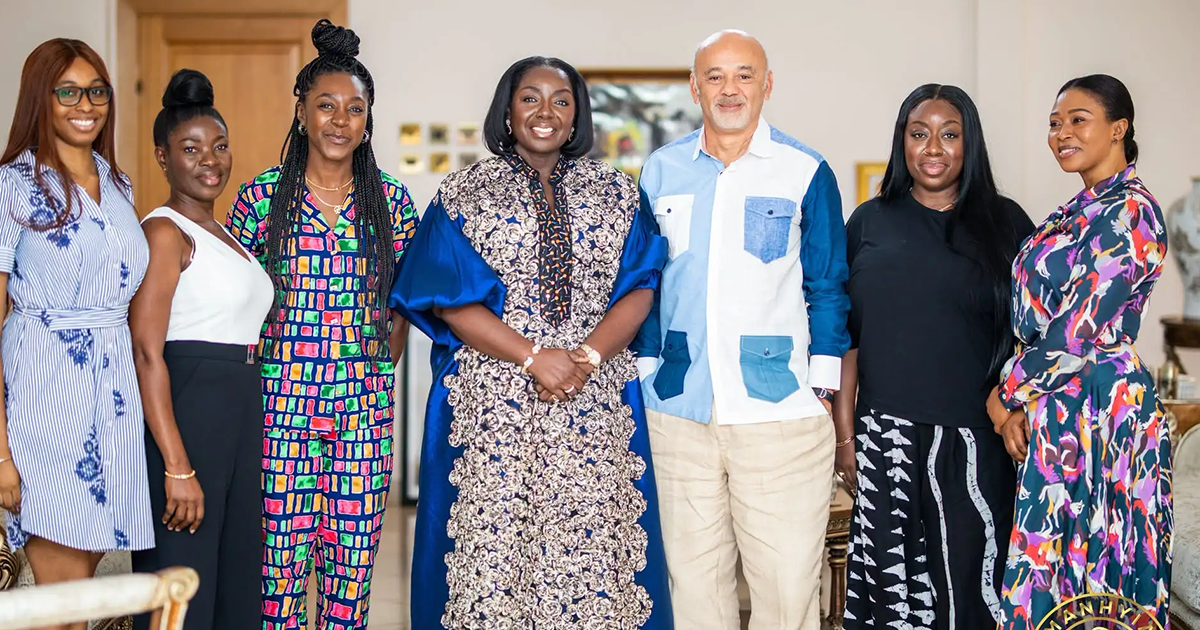
Louboutin met Lady Julia Osei Tutu, wife of Asantehene Otumfuo Osei Tutu II, at her private residence on October 12, 2026, following his attendance at the Akwasidae Festival at Manhyia Palace.
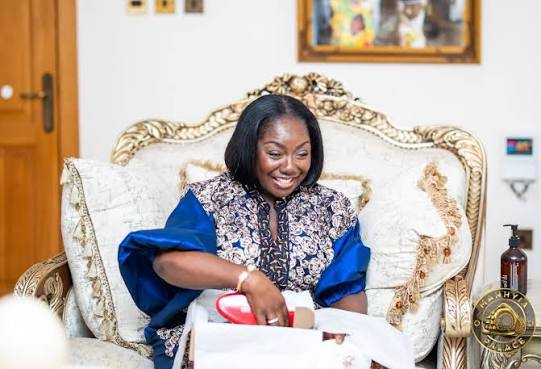
Accompanied by members of his team and representatives of Studio Dream, the designer’s visit has drawn attention to discussions about a possible Christian Louboutin outlet in Kumasi.
The significance extends beyond luxury retail. Kumasi has a longstanding reputation for craftsmanship, commerce and creative enterprise, while Ghanaian shoemakers and leatherworkers contribute to a wider fashion industry built on practical skill and entrepreneurial ambition.
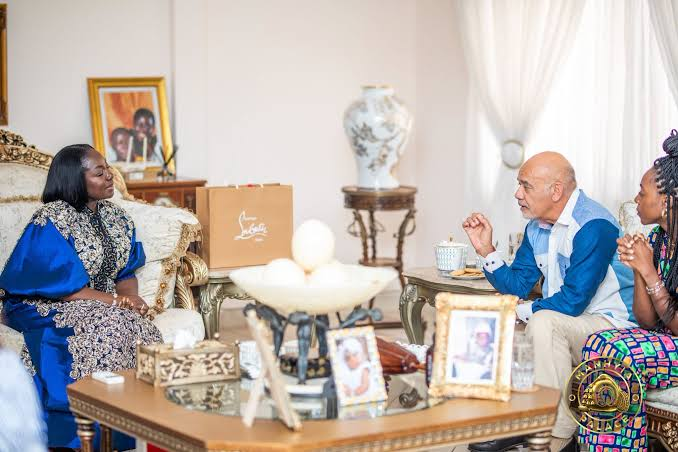
An international luxury brand exploring a presence in the city invites questions about how global fashion houses might engage with local talent.
Could such interest create opportunities for Ghanaian artisans, strengthen professional networks or bring greater international visibility to the country’s footwear makers?
For now, these possibilities remain speculative. No confirmed announcement establishes a production partnership with local manufacturers, and the reported discussions centre on the possibility of an outlet rather than a footwear factory.
Still, the encounter offers a compelling fashion story. Louboutin’s presence around Akwasidae, an important Asante royal festival, also places the visit at the intersection of luxury branding, cultural heritage and traditional authority.
Whether Kumasi eventually becomes a retail destination for the red-soled heels or something more, the conversation highlights an opportunity: Ghana’s creative industry deserves attention not only as a source of inspiration, but also as a potential partner in the global fashion business.
Fashion & Style
Twenty Years, One Red Carpet: BellaNaija Celebrates Two Decades of African Culture in Style
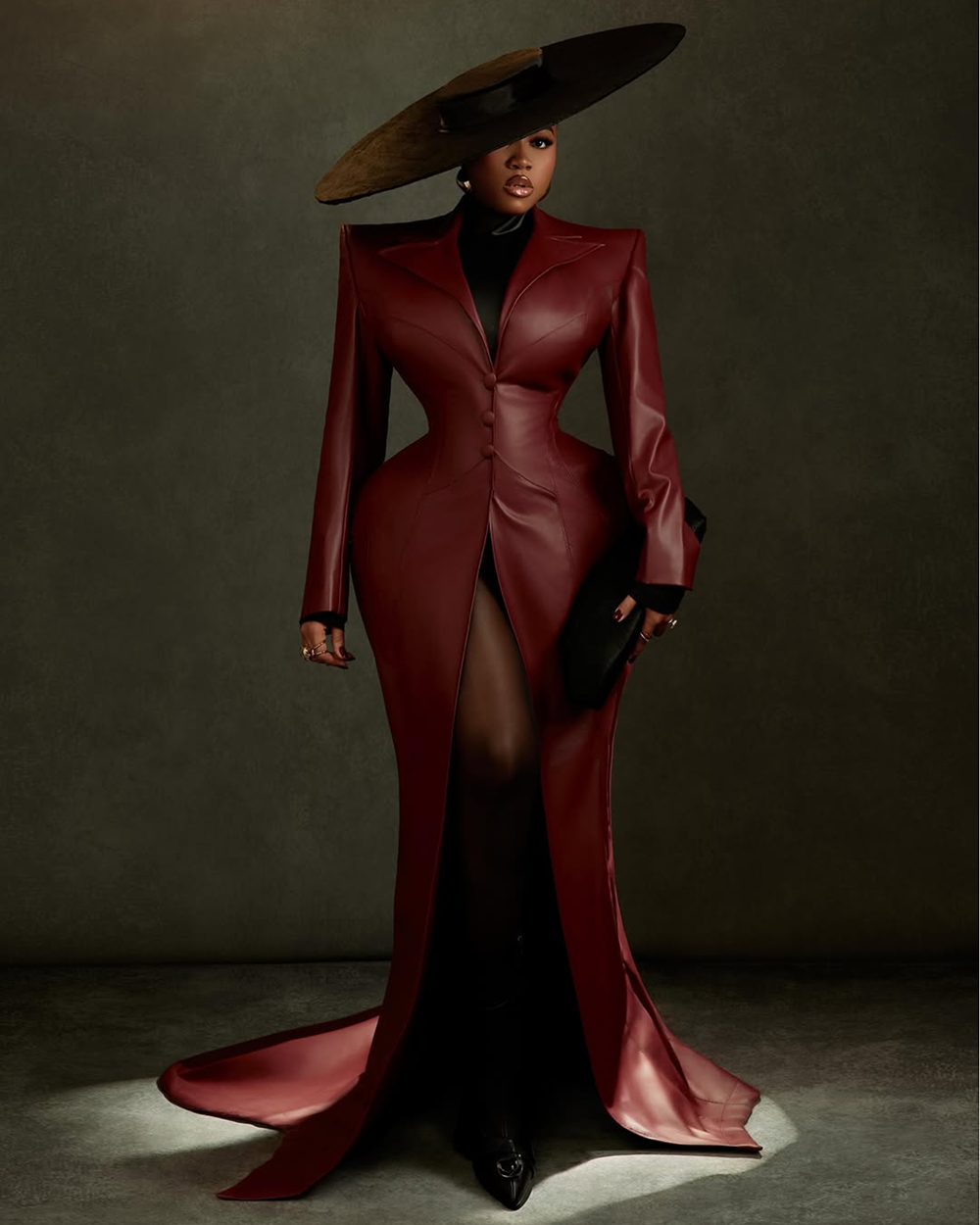
Some birthdays are marked with cake. BellaNaija marked twenty years with a runway.
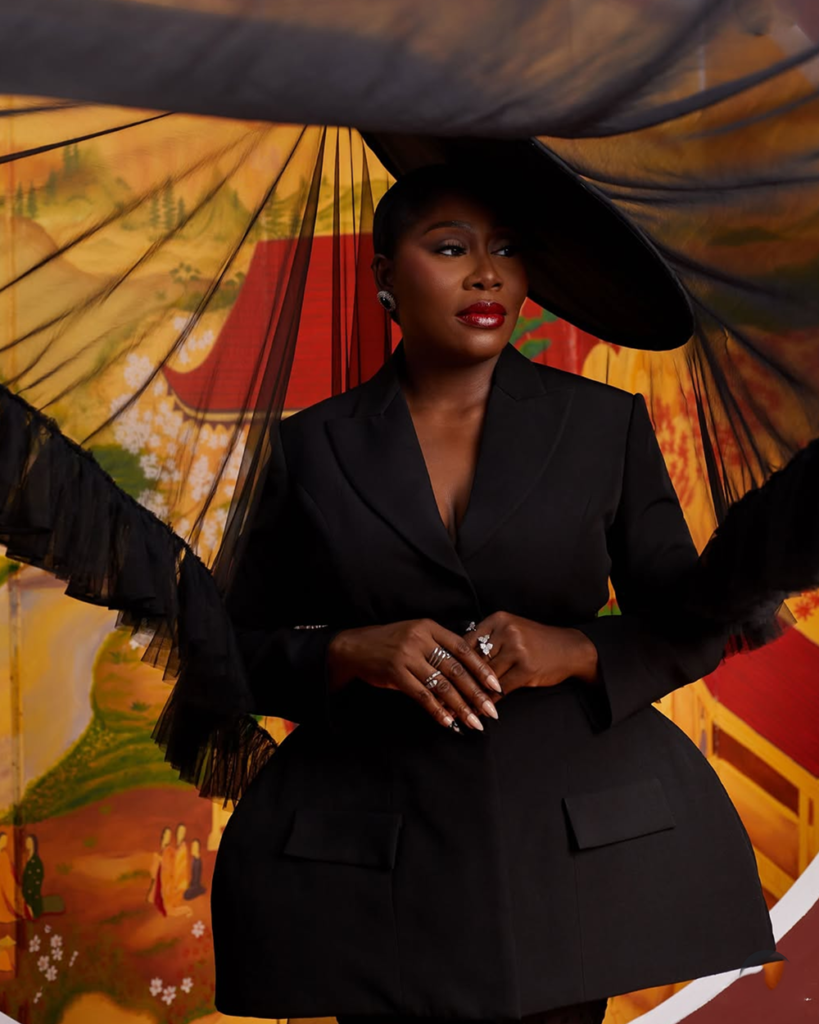
On October 2, the Nigerian media powerhouse gathered some of the country’s biggest names for its BN20 High Fashion Icon Grand Red Carpet Experience, and the theme was never going to allow a quiet night.
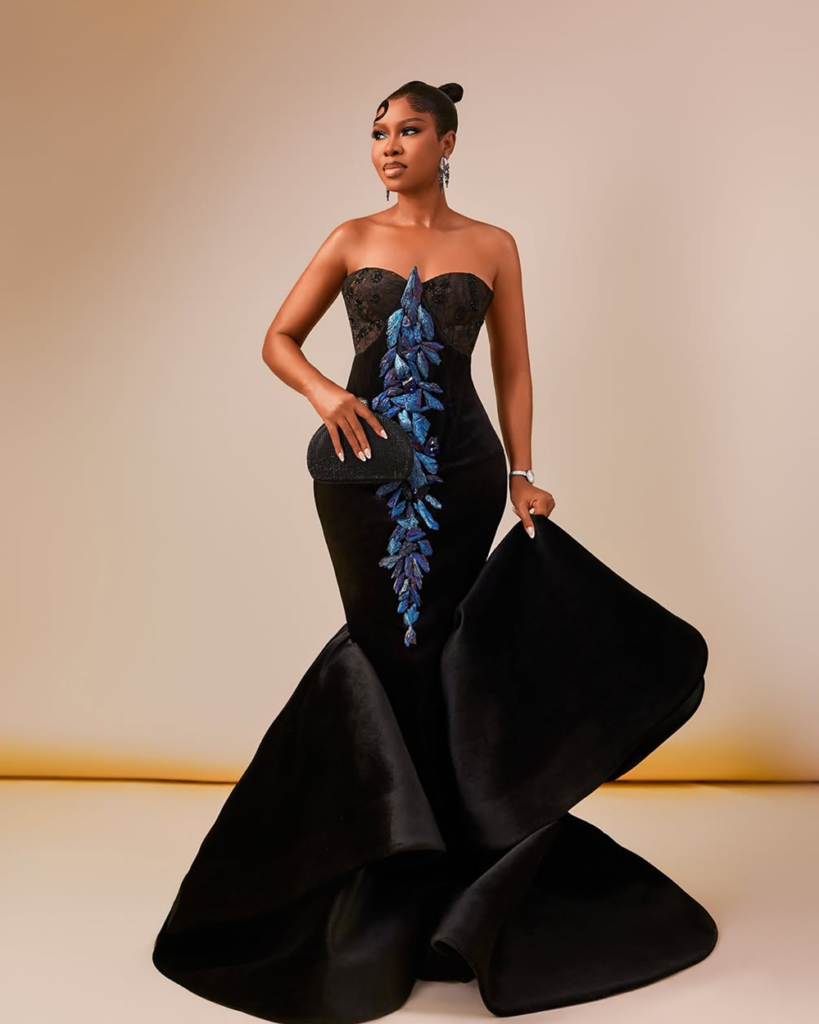
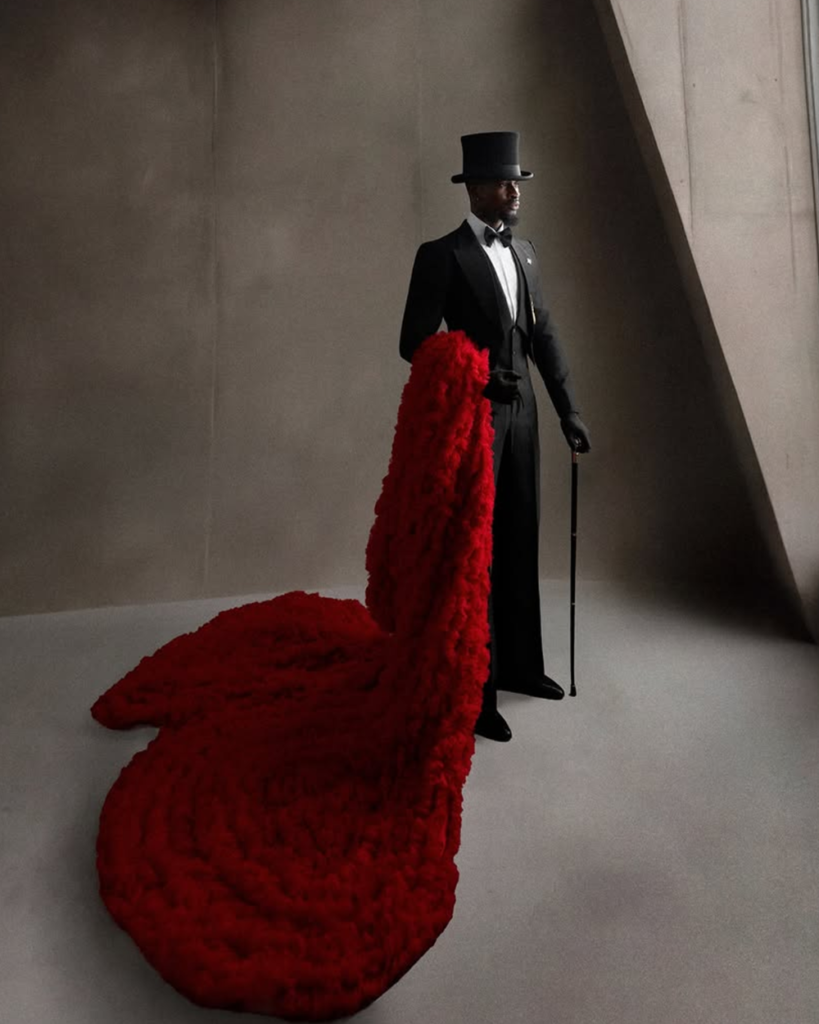
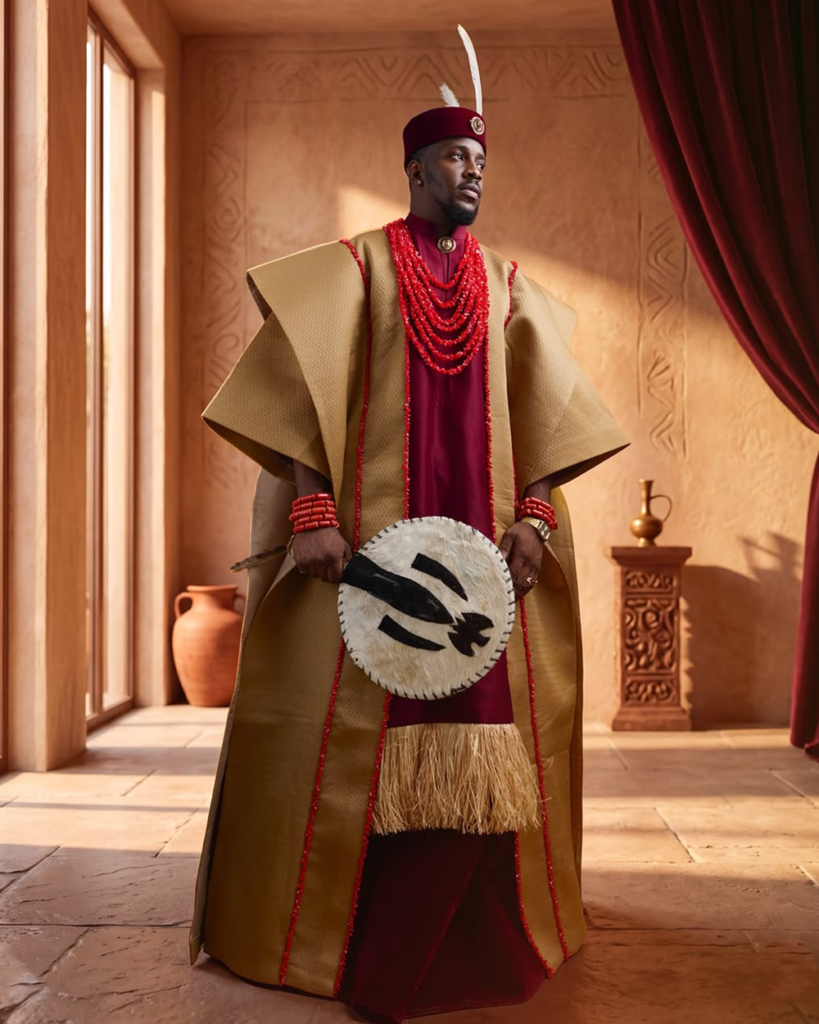
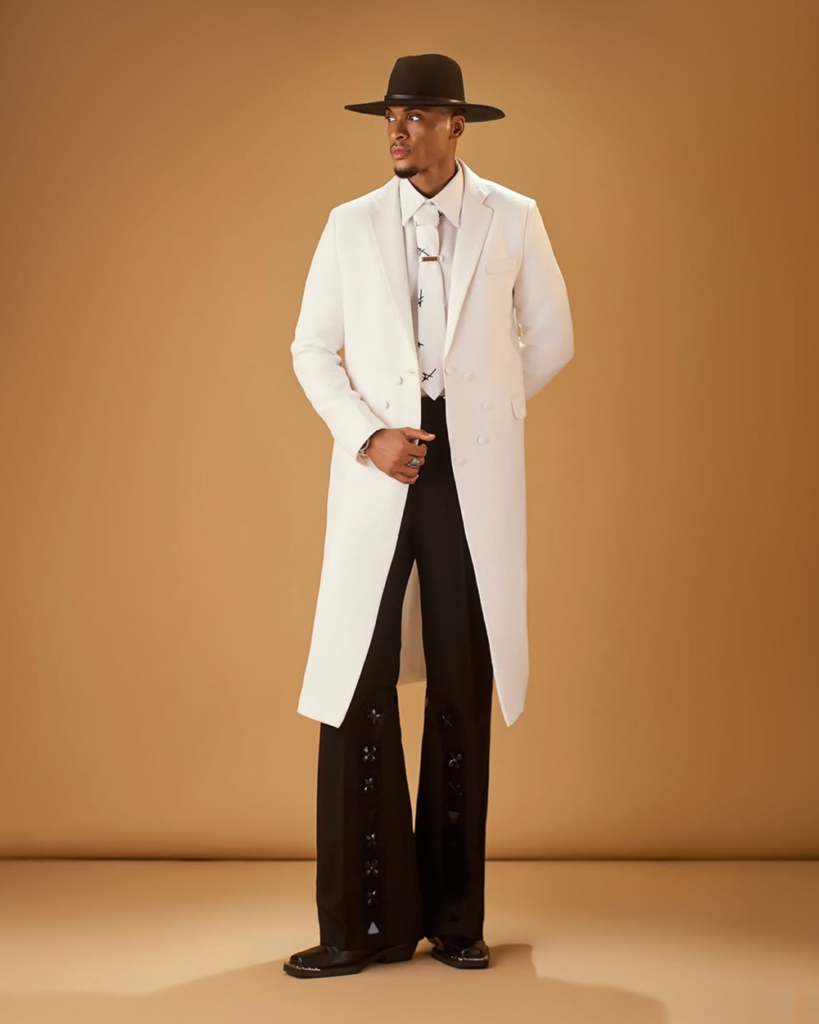
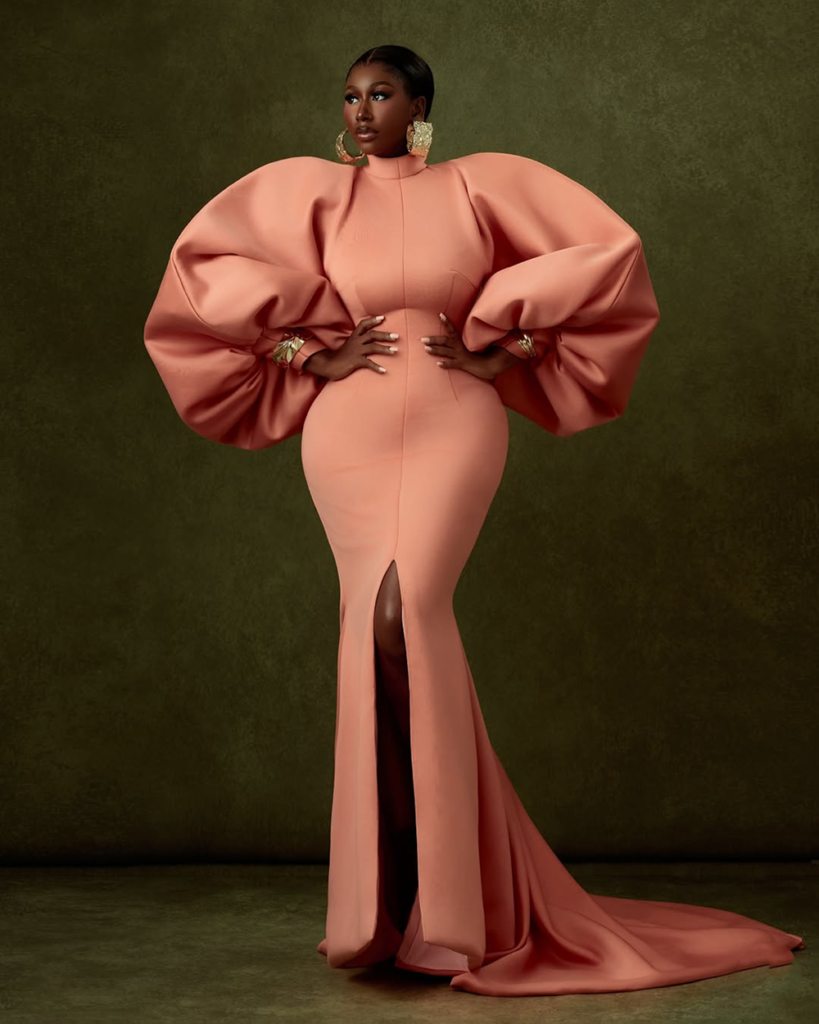
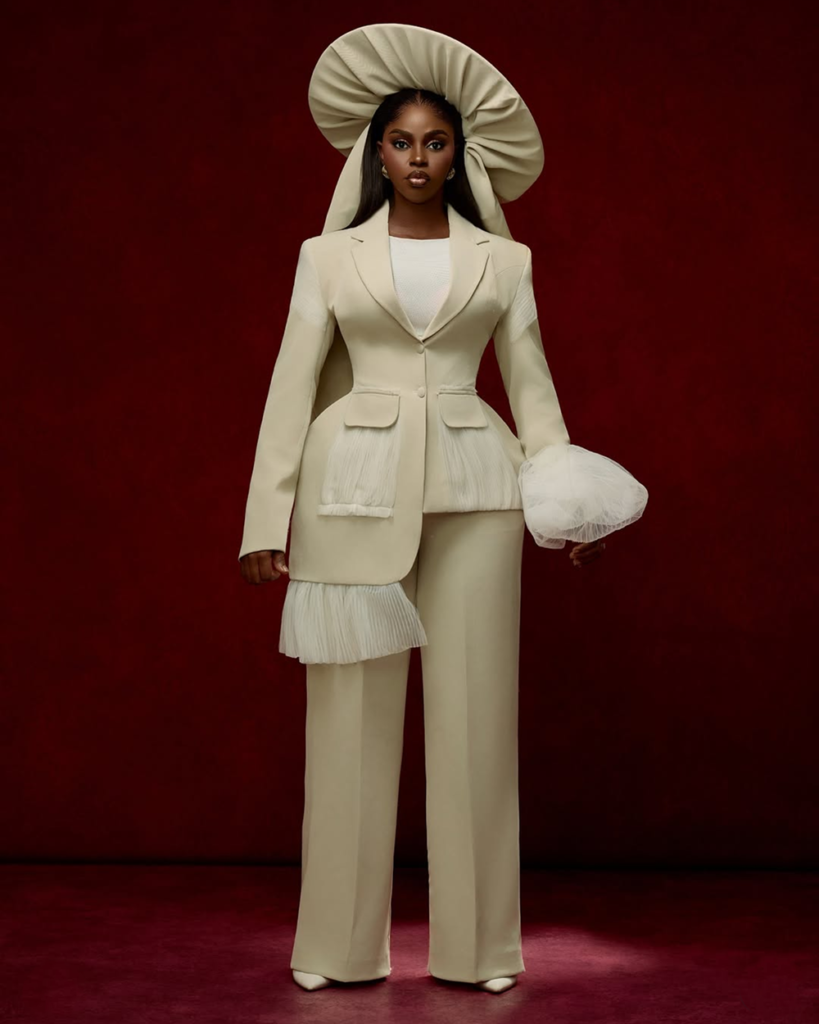
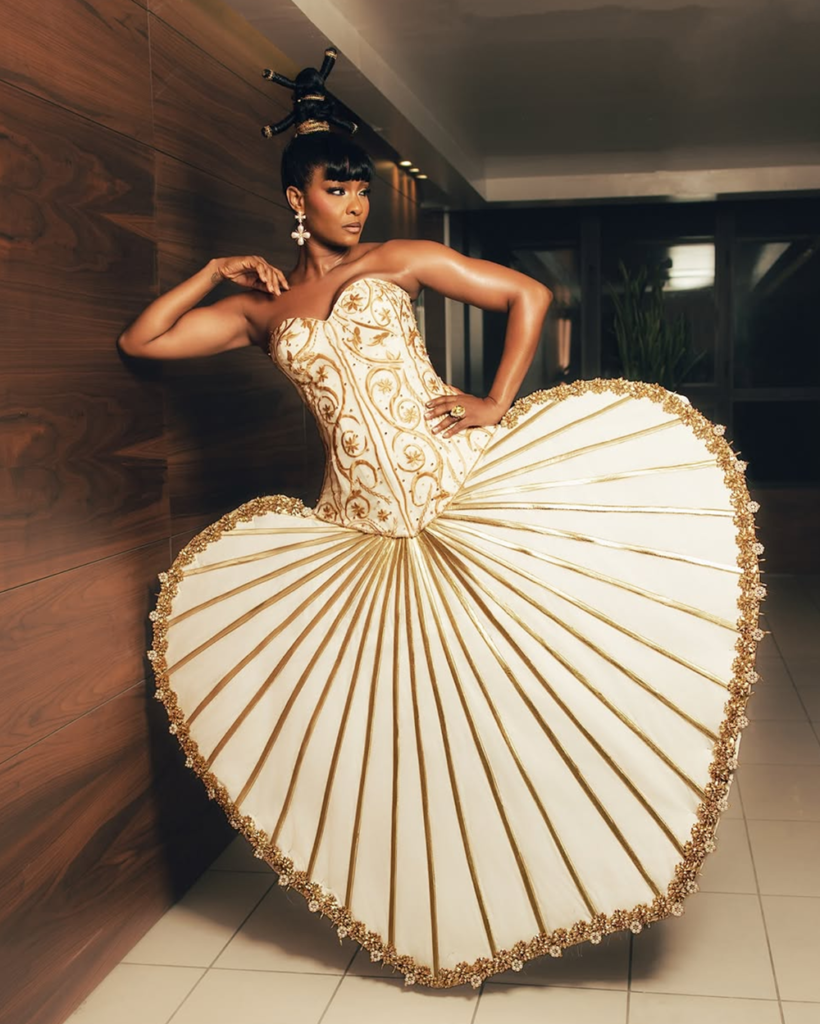
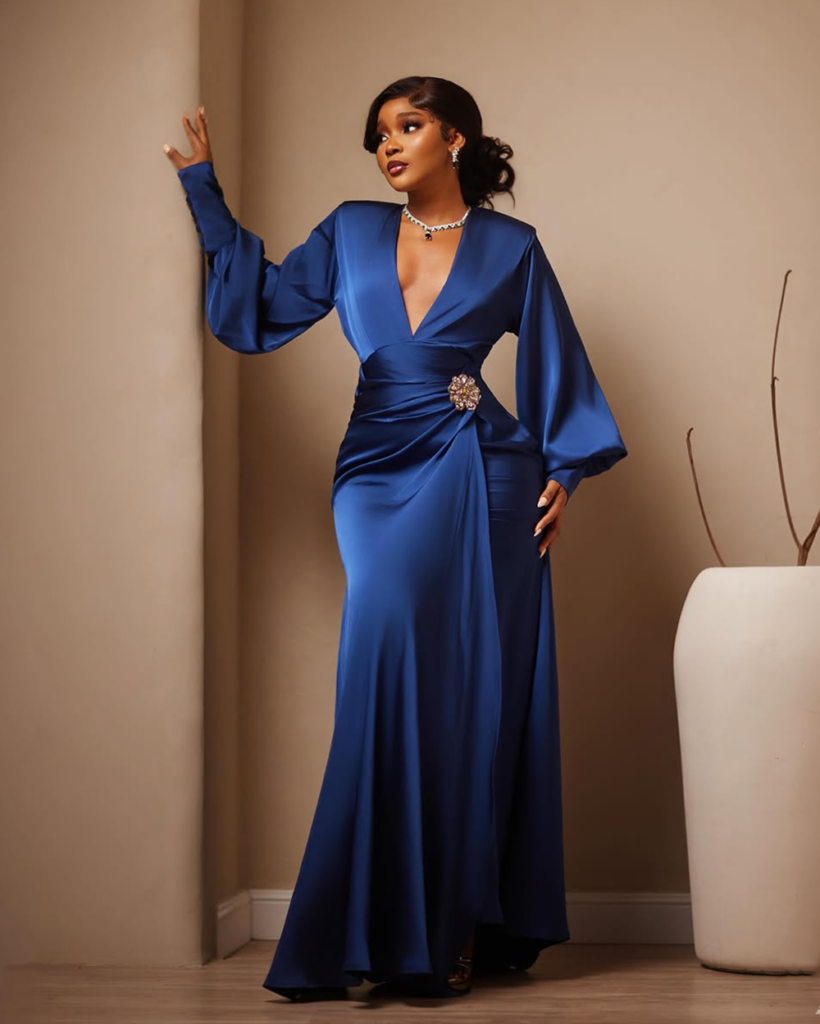
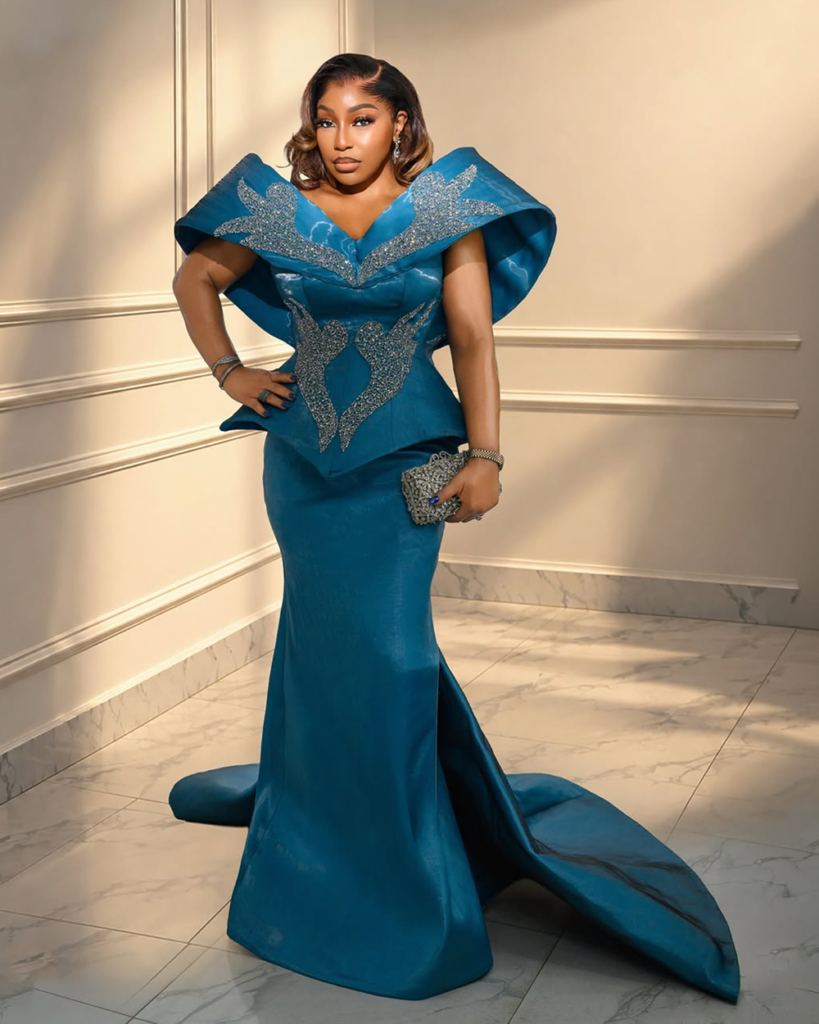
Guests arrived ready to interpret “icon” in leather, velvet and architectural gold.
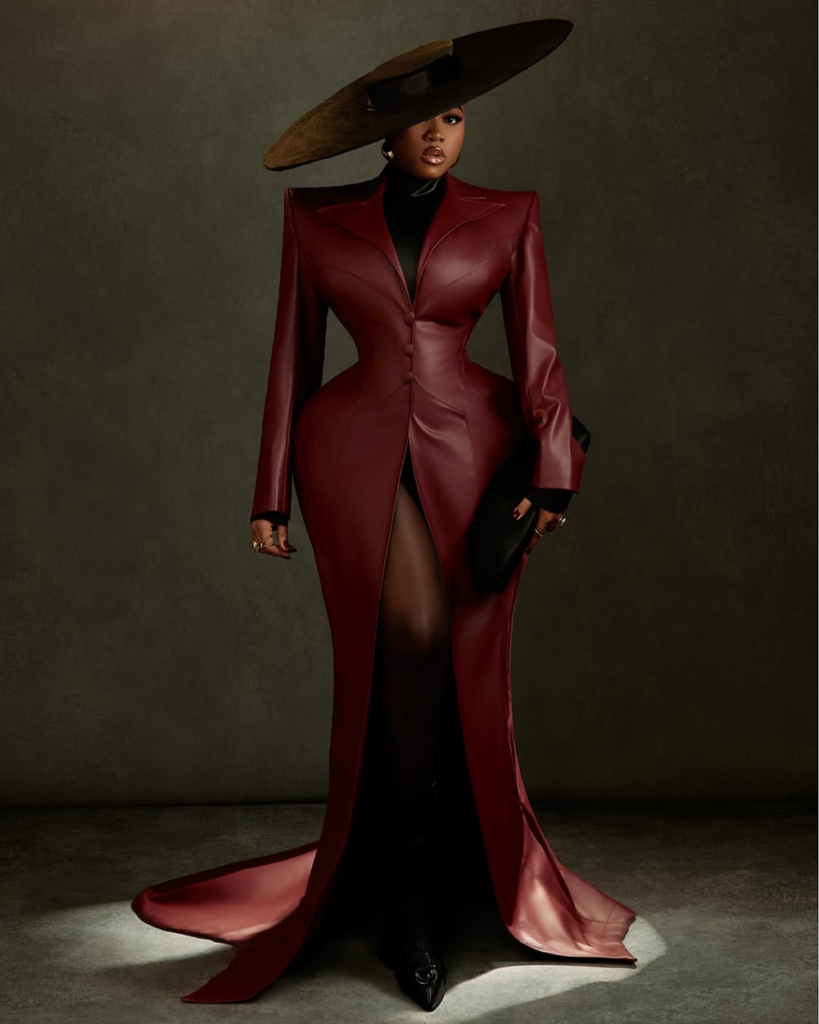
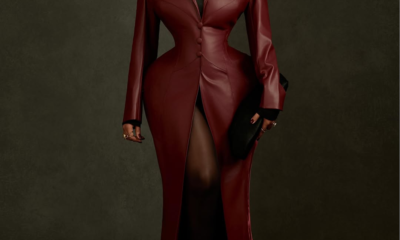
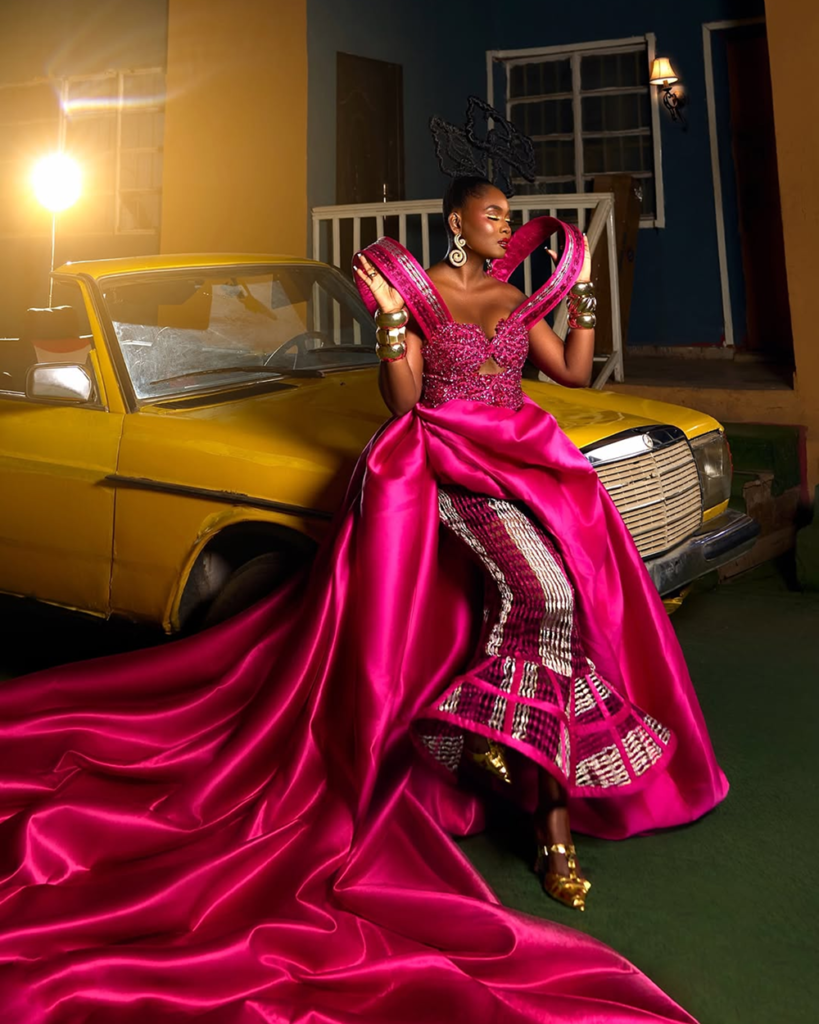
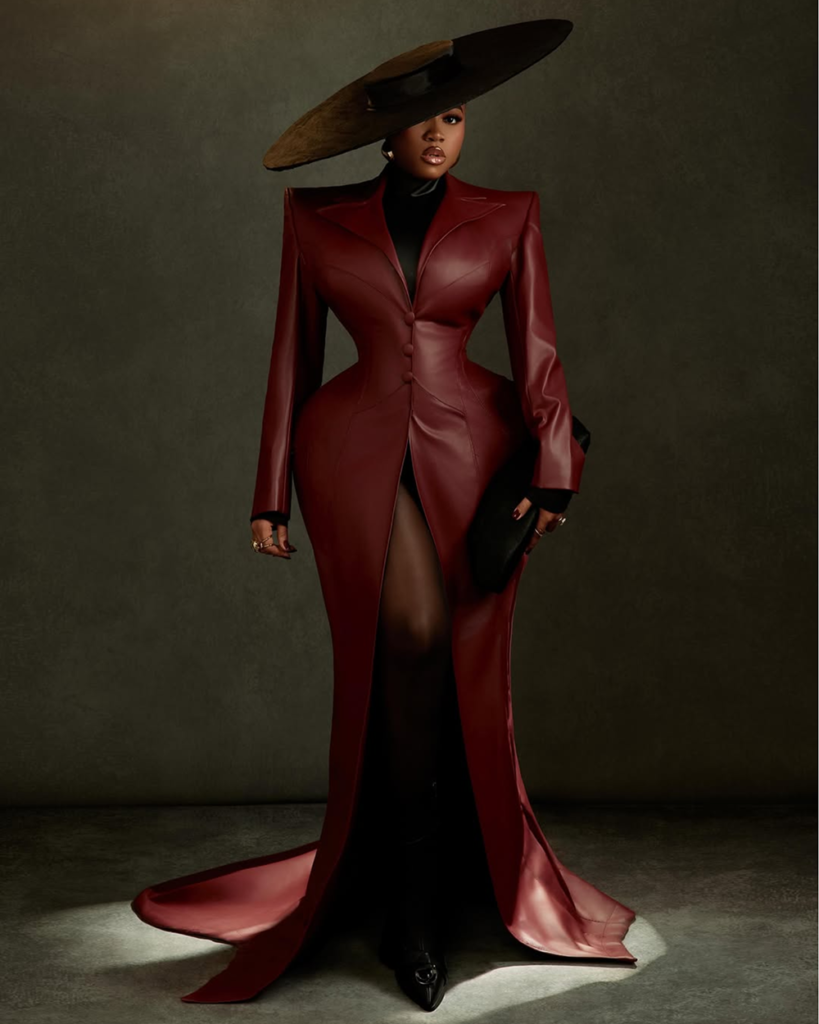
Veekee James set the tone early in a custom oxblood leather coat-gown by Abbas Woman, its exaggerated shoulders and sculpted hips crowned by an oversized black hat.
Mercy Eke chose icy glamour instead, drifting down the carpet in blue velvet with cobalt detailing and pearl-inspired embellishments.
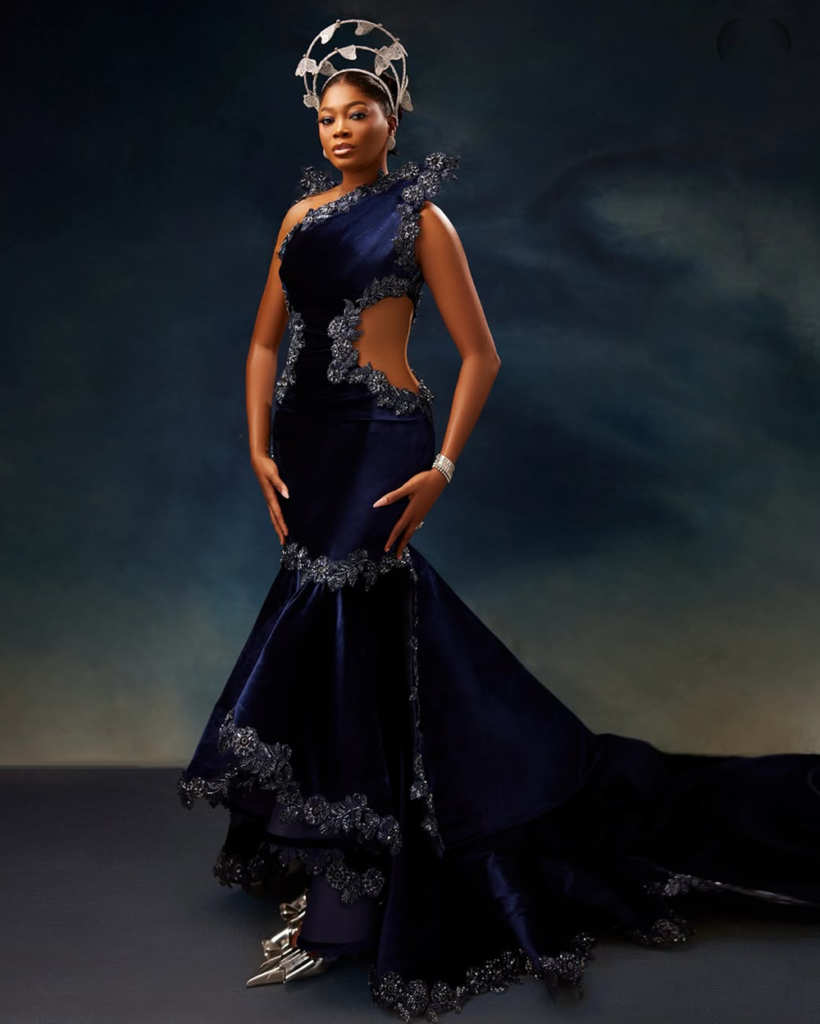
Osas Ighodaro brought structure and shine in ivory and gold, while Mide Iwasokun delivered the night’s most theatrical moment: a white Komeh Swish gown with a fan collar and a cascading ruffled train that refused to go unnoticed.
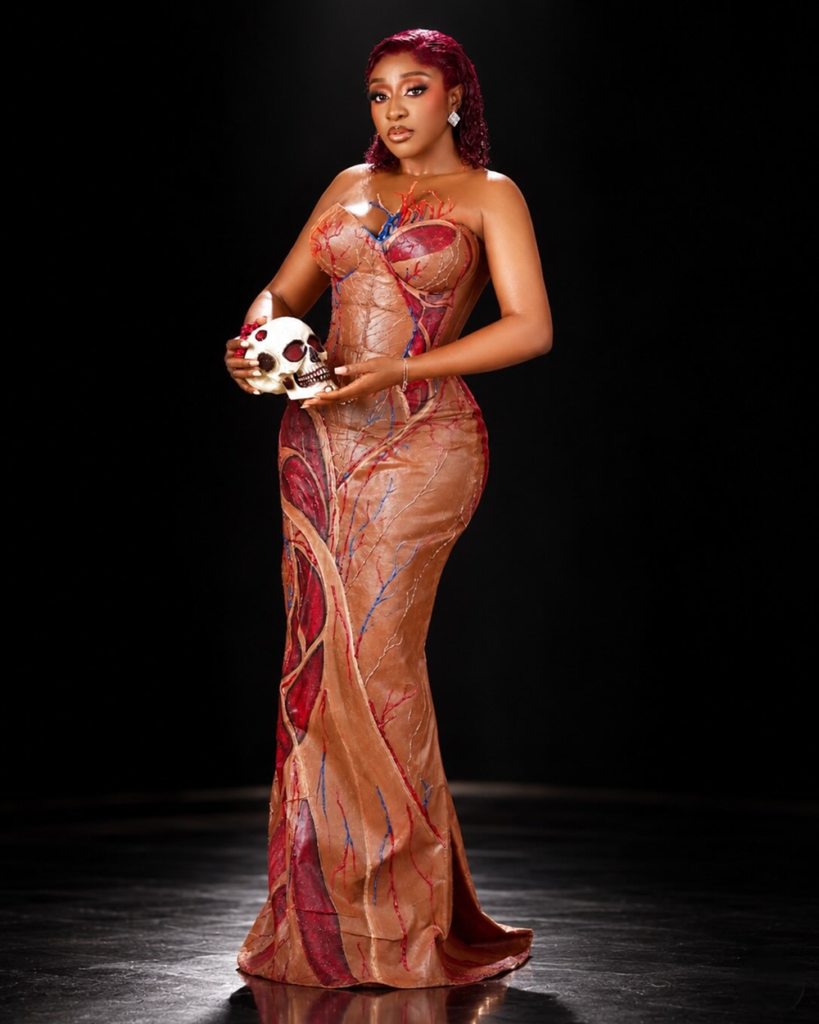
The roll call read like a living archive of Nigerian pop culture. Mercy Eke, Rita Dominic, Ini Edo, Ebuka Obi-Uchendu, Denrele Edun, Mai Atafo, Idia Aisien and Blessing Nze shared a room that blurred the line between guest list and guest book.
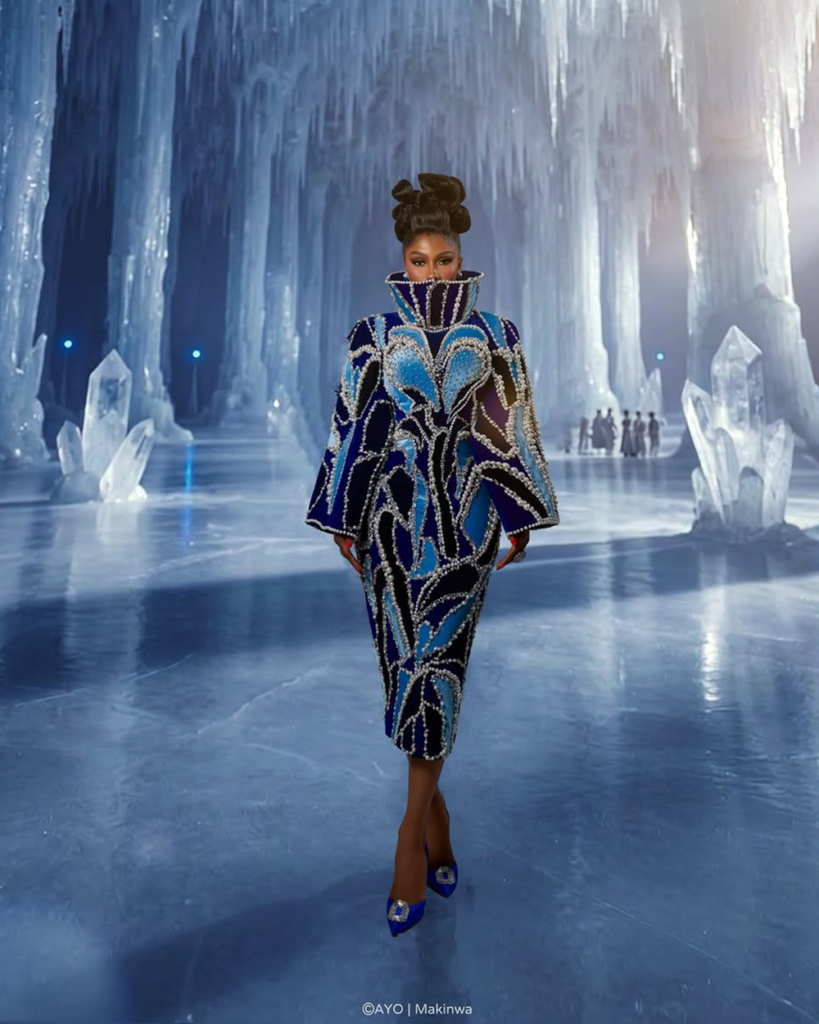
That was the quiet achievement beneath the flashbulbs. When BellaNaija launched in 2006, social media had not yet reshaped culture, and African fashion and entertainment were still fighting for global attention.
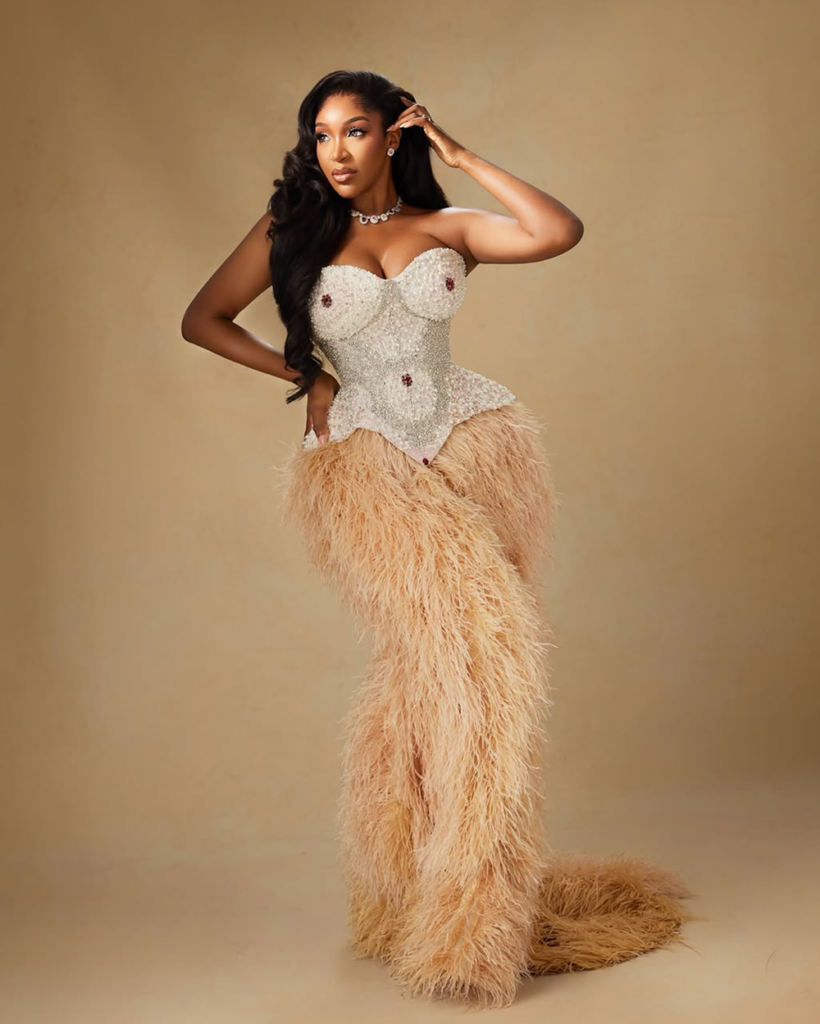
Two decades later, the platform has grown into a brand that no longer simply covers the culture, it helps shape it.
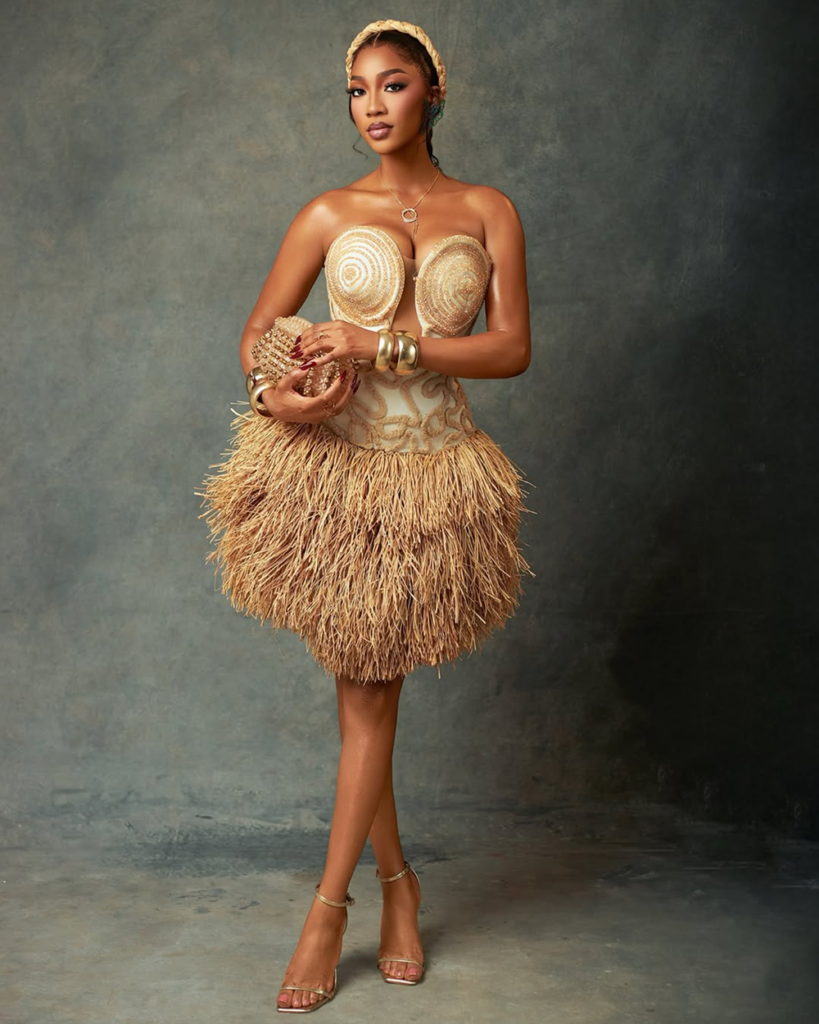
For anyone watching from Accra, Nairobi or London, the message landed clearly: African storytelling has arrived, and it dresses exceptionally well.


-

 Festivals & Events2 days ago
MaddFest 2027: Welcome the New Year with a Night of Celebration in Accra
-

 Global Update2 days ago
Wave of Student Killings at Mexico Universities Raises Safety Concerns
-
 Ghana News2 days ago
Mahama to Churches: The Real Sermon Is Written After the Closing Prayer
-

 Reels & Social Media Highlights2 days ago
Ghana’s Timeline Erupts: Showboy’s Crude Plea, Asantewaa’s Silence, and a Nation Divided
-

 Health & Wellness2 days ago
The Scale Can Lie: Why Lifting Weights May Help You Lose More Fat
-
 Festivals & Events1 day ago
Velukusi Festival: Re-enacting the Ewe Escape to Freedom in Ve-Deme
-

 Taste GH1 day ago
Simple, Nourishing and Rooted in Tradition: Discover Ghana’s Kapala
-
 Fashion & Style2 days ago
Dressing for Your Shape: How Strategic Styling Can Transform Everyday Fashion