
Arts and GH Heritage
Ethiopian Dancer Elsa Mulder Explores Identity and Adoption in Powerful Performance ‘Unravel’

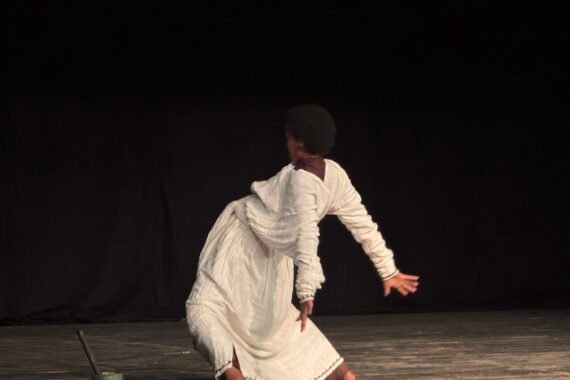
A quiet stage, a single performer, and the slow rhythm of memory were enough to hold an entire audience spellbound during a recent performance at the Palais de la Culture, where Ethiopian dancer Elsa “Zema” Mulder presented her deeply personal contemporary dance work Unravel.
The performance formed part of the Market for African Performing Arts, an international gathering that brings artists, producers, and cultural leaders together to spotlight the continent’s evolving stage productions.
Inside the venue’s Salle Kojo Ebouclé, Mulder delivered a restrained yet emotionally charged piece exploring identity, memory, and the complex realities of international adoption.
Conceived and performed by Mulder, Unravel draws inspiration from the Ethiopian Buna coffee ceremony, a communal ritual that traditionally symbolises hospitality and social connection.
In Mulder’s choreography, the ceremony becomes something more symbolic: a thread connecting past and present, homeland and distance, memory and absence.
From the opening moments, the performance adopts an almost ritualistic pace. Mulder’s movements are slow, precise, and deliberately controlled, inviting the audience into an intimate emotional space rather than overwhelming them with spectacle.
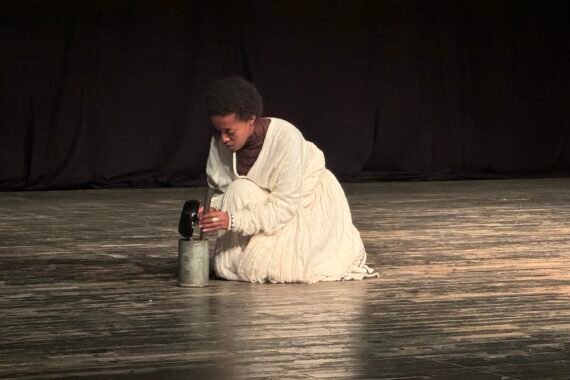
Long pauses and measured gestures suggest both longing and reflection, allowing the themes of displacement and belonging to surface gradually.
The work’s emotional depth is heightened by the original musical score composed by Cheikh Ibrahim Thiam, whose soundscape blends layered textures with sparse, fragile notes. The music shifts between subtle rhythmic patterns and near silence, echoing the performer’s physical journey through fragments of memory and identity.
Together, the choreography and music build a multidimensional narrative that avoids easy explanations. Rather than presenting adoption as a simple story of loss or rescue, Mulder approaches the subject through the body’s memory—how experiences of separation and relocation linger long after childhood.
The performance also resists conventional storytelling. Instead of a clear beginning, middle and end, Unravel unfolds through symbolic gestures and emotional fragments. The dancer’s body becomes the site where absence, history, and identity intersect.
At times, the work’s quiet introspection challenges viewers unfamiliar with the cultural references woven into the performance. Yet the sincerity of Mulder’s delivery keeps the audience engaged, revealing moments of vulnerability that resonate across cultures.
For festivals like the Market for African Performing Arts, works such as Unravel demonstrate the growing global reach of African contemporary dance. Artists across the continent are increasingly using performance to explore themes of migration, heritage and identity—subjects that connect deeply with modern audiences.
By the end of the performance, the stage remains quiet, but the questions linger: What does it mean to belong to a place one barely remembers? And how does identity evolve when memory itself feels incomplete?
Mulder offers no simple answers. Instead, Unravel invites viewers to sit with the tension between loss and reconstruction—an experience that continues long after the final movement fades.

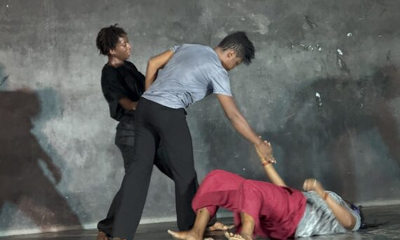





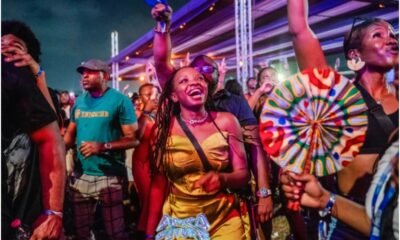

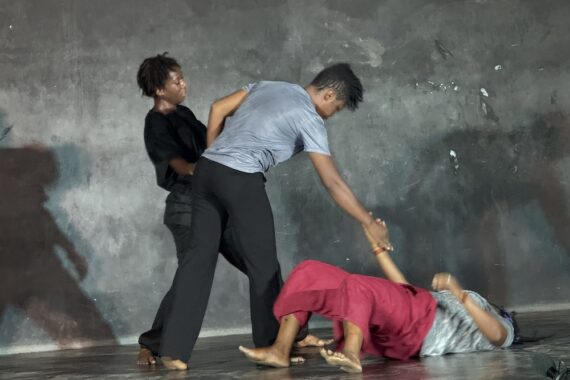
Synaptic Resonances explores womanhood, inherited identity and the courage to begin again through contemporary dance in Lomé.
Three women live in the same housing complex, close enough to cross paths but distant enough to remain strangers to one another’s pain.
On stage, their separate lives become a powerful meditation on loneliness, loss and the unexpected bonds that emerge when familiar worlds begin to fall apart.
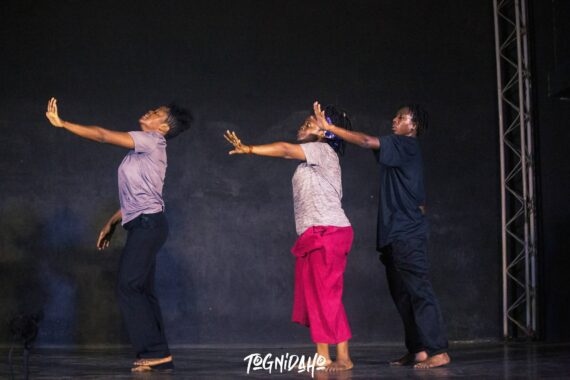
Presented at the Brin de Chocolat Cultural Center in Lomé, Togo, Synaptic Resonances transforms everyday struggles into a compelling language of movement, challenging audiences to reconsider what it means to start over.
The Stories Hidden Behind Closed Doors
Choreographed by Beninese dancer Nourou-Deen Eniola, the production brings together Bagna Malimda, Dogbe Akossiwa Dogbe and Yerima Adjaratou as three women confronting different turning points.
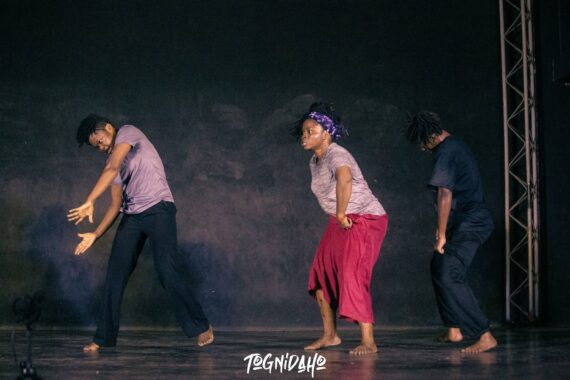
One is a single mother carrying the weight of raising three children. Another is a wealthy widow learning to live after her husband’s death.
The third faces unemployment and the disappointment of another failed relationship.
Their circumstances differ, yet their stories touch on familiar experiences across West African societies, where family obligations, economic pressures and expectations surrounding women can shape personal choices.
Through energetic sequences, expressive gestures and moments of humour and confrontation, the dancers reveal how private suffering can gradually give way to recognition and solidarity.
Where Ancestral Memory Meets Digital Art
The production’s visual language adds another dimension to its exploration of change. Video mapping projects ancestral motifs across the performers’ bodies, gradually transforming them into lines, networks, pixels and light.

The imagery raises a question relevant to contemporary African identity: how can people honour inherited traditions while making room for new ways of living?
For audiences in Ghana and across the region, this tension resonates with societies negotiating the relationship between cultural expectations and changing social realities.
Organised by Géants Arts Togo and NO’OXPERTISES Togo, with support from the Institut Français du Togo, Synaptic Resonances suggests that transformation rarely happens in isolation. Sometimes, the first step towards renewal is recognising ourselves in someone else’s struggle.
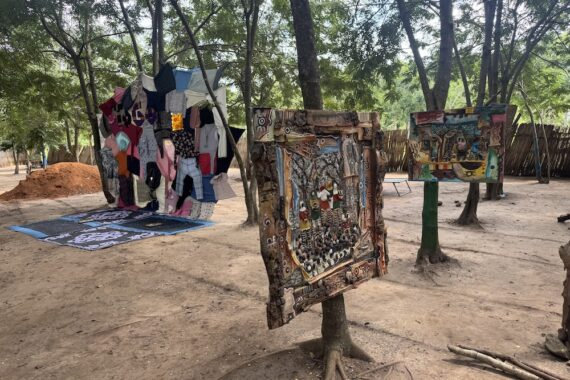
Artists from Ghana, Togo, Benin and Norway explore how contemporary creativity can reconnect communities with their histories.
In Kamina, a village near Atakpamé in Togo, cultural heritage became more than something to remember. For two weeks, it became material to question, reshape and carry into the future.
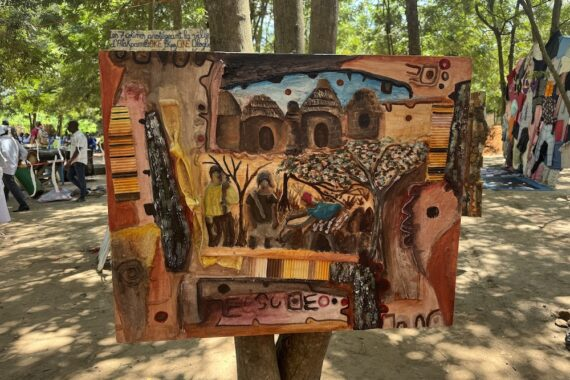
The closing exhibition of the 2026 Karp Kamina Artists and Researchers Residency, held on Sunday, October 19, brought together paintings, sculptures, masks, ceramics and installations created through cross-cultural encounters.
The gathering offered a compelling reflection on how artistic collaboration can keep inherited knowledge relevant to changing societies.
Beyond Preserving the Past
Bringing together practitioners from Togo, Benin, Ghana and Norway, the residency created space for different artistic traditions to meet.
Ghanaian artists Frederick Bamfo and Livingstone Amoako joined fellow creatives, researchers and members of the Dzogbeadzi Music and Dance Group in an environment shaped by experimentation, performance and shared inquiry.
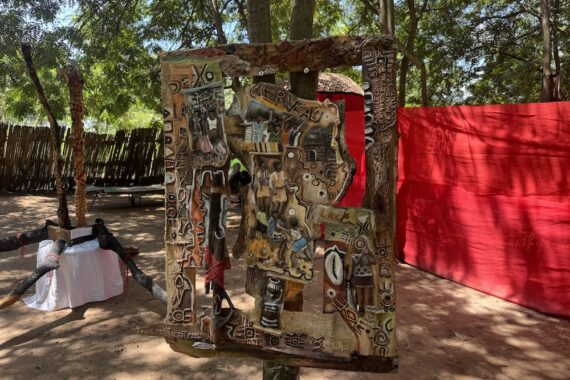
The significance of such encounters extends beyond the finished artworks. When artists work outside familiar studios, engage with local communities and exchange perspectives across generations, cultural knowledge can acquire new forms without losing its historical roots.
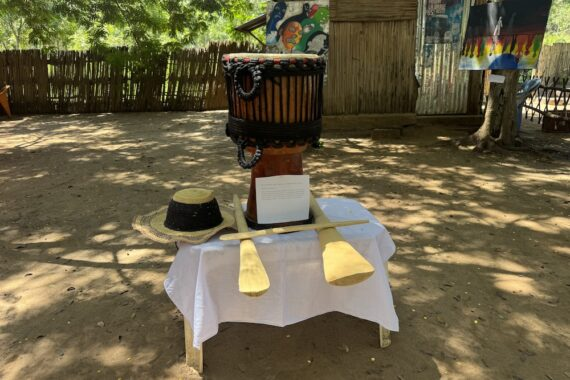
For Ghana and its neighbours, where oral traditions, craftsmanship, music and communal ceremonies remain important carriers of identity, this approach offers another way to engage younger audiences with heritage.
Rather than treating tradition as a fixed inheritance, artists can interpret it through contemporary materials, ideas and experiences.
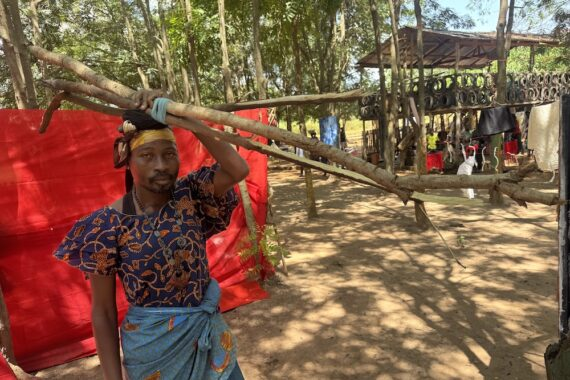
A Regional Platform for Creative Exchange
Karp Kamina’s interdisciplinary approach also challenges the idea that meaningful art must remain within conventional galleries.
By engaging traditional, historic and public spaces, the residency places creative expression closer to the communities whose histories inform it.
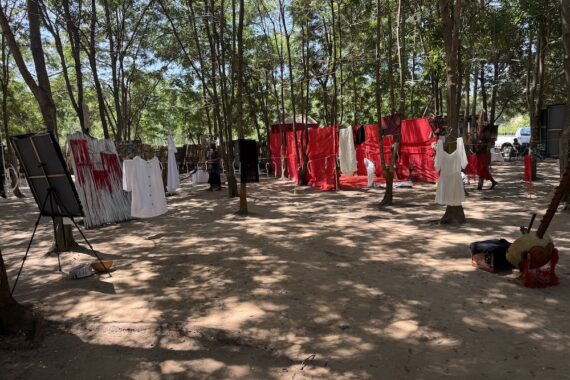
Its lasting promise lies in the relationships established between practitioners and cultures.
The October exhibition marked the end of the residency, but its larger ambition reaches further: building connections through which African heritage can be examined, shared and reimagined internationally.
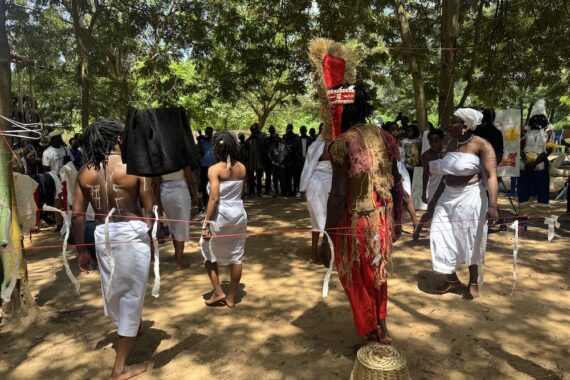
At Kamina, preserving culture meant allowing it to keep moving.
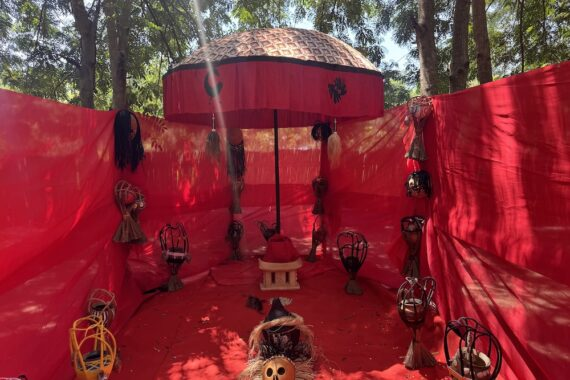
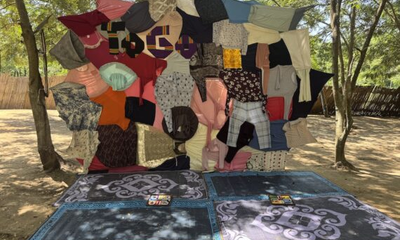
In an immersive installation at a residency in Togo, the Ghanaian artist explores how African hairstyling preserves ancestral memory, challenges beauty standards, and transforms everyday rituals into acts of cultural expression.
A salon chair can be more than a place to sit. Between the rhythmic movement of a stylist’s hands, the tightening of braids and conversations that drift from family histories to everyday struggles, something deeper unfolds: a culture remembering itself.
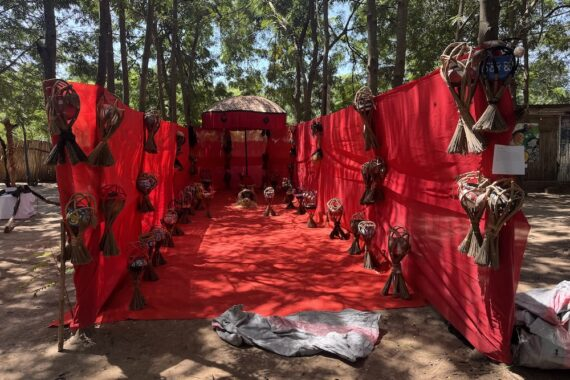
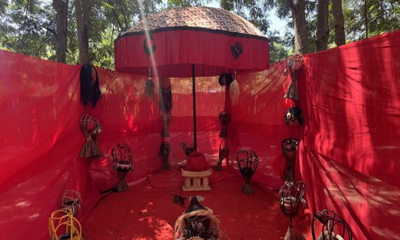
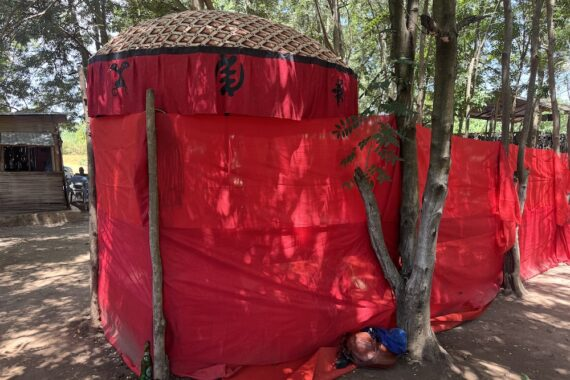
This is the idea at the heart of Asɔneε So (Within the Shrine), an immersive installation by Ghanaian artist Livingstone Amoako, presented during the Karp Kamina Artists and Researchers Residency in Atakpamé, Togo.
Where Everyday Ritual Meets the Sacred
Amoako draws a striking connection between the traditional African shrine and the modern hairdressing salon.
Both become spaces of transformation, shaped by repeated gestures, shared knowledge and connections that extend beyond the individual.
African hairstyling practices, from braiding and threading to locking, carry histories passed between generations.
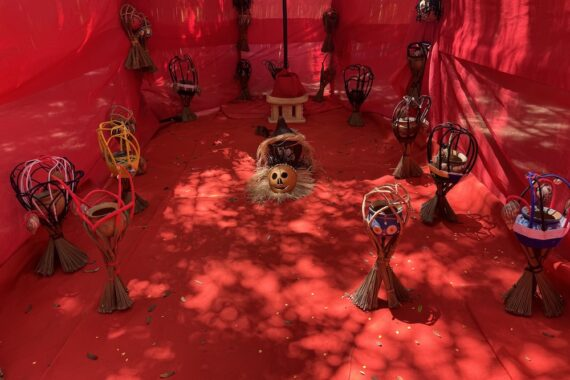
In Amoako’s installation, these practices are presented as expressions of belonging rather than simple acts of beautification. Bright red cloth and Adinkra symbols reinforce the relationship between appearance, cultural knowledge and spiritual consciousness.
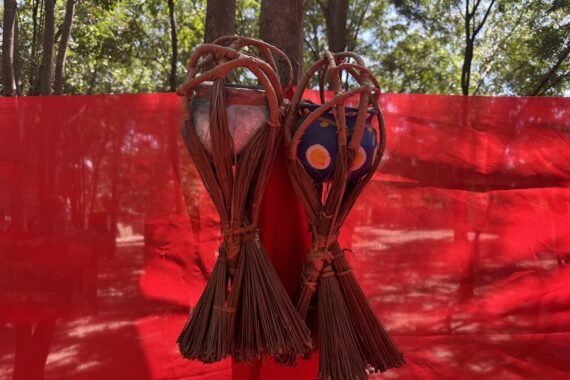
Gourds, brooms and canes further evoke African cosmologies, while the work references American anthropologist Horace Miner’s 1956 essay Body Ritual among the Nacirema, which challenges readers to reconsider how unfamiliar cultural practices are perceived.
Reclaiming the Meaning of African Hair
The installation also speaks to the pressures African hair faces under global beauty standards that have often privileged other textures and styles.
By positioning the salon as a site of cultural significance, Amoako invites audiences to question who defines beauty and which traditions are recognised as meaningful.
His work suggests that heritage is not confined to museums or ceremonial grounds. It lives in everyday encounters, carried through skilled hands and familiar gestures.
In the salon, the past is not merely preserved; it is braided into the present, strand by strand.


-
 Arts and GH Heritage8 hours ago
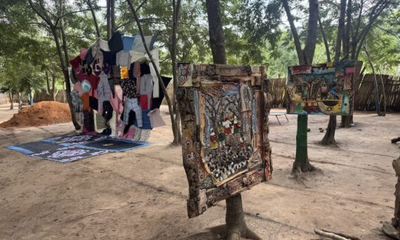
Beyond the Gallery: Karp Kamina Turns Cultural Memory into Contemporary Art
-
 Sights and Sounds2 days ago
Planning a Family Day Out in Accra? Lakeside Marina Park Offers Fun for All Ages
-
 Homes & Real Estate1 day ago
Building a Home in Ghana: How Smarter Construction Choices Can Cut Costs
-

 Festivals & Events1 day ago
Ahukan Festival: Honouring Chiefs and Celebrating Akyem Heritage in Kibi
-
 Fashion & Style13 hours ago
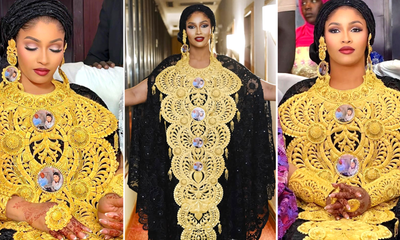
Malian Businesswoman’s Reported $1.5 Million Gold Jewellery Stuns Wedding Guests
-
 Global Update6 hours ago
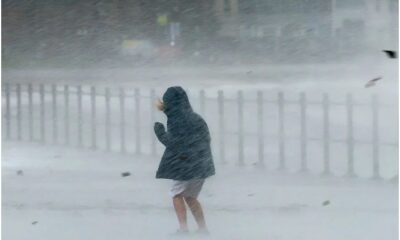
Huge Storm Kills Two in the UK as 90,000 Properties Left Without Power
-

 Ghana News7 hours ago
Ghana’s President Congratulates Brazil’s Lula on Historic Fourth Term, Vows to Champion Global South Agenda
-

 Health & Wellness6 hours ago
Four Weight-Loss Mistakes That Could Be Holding Back Your Progress