
Africa Watch
U.S. Signals Shift in Sahel Policy as Top Official Heads to Mali

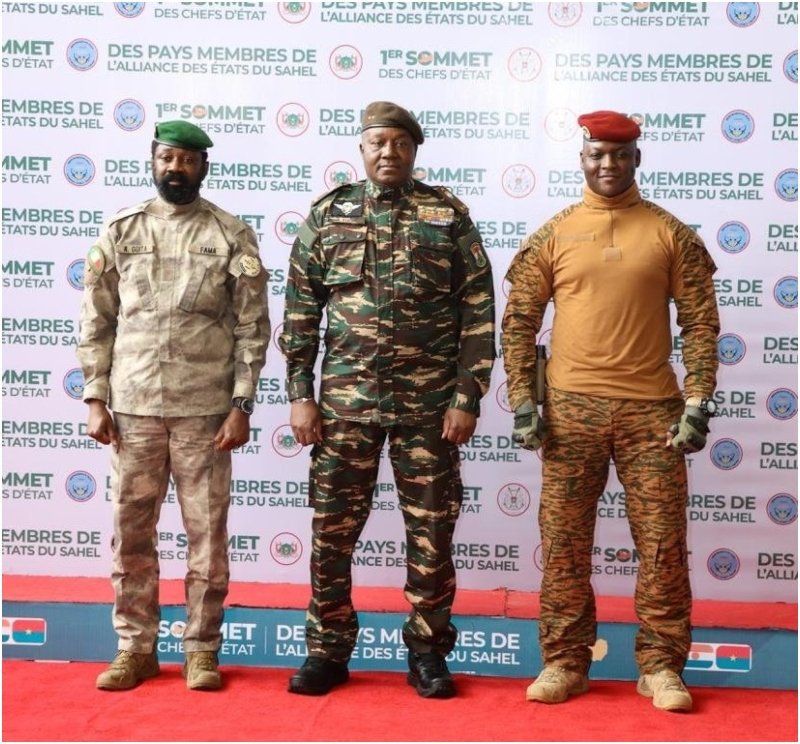
The United States is signaling a nuanced shift in its approach to the Sahel as a senior State Department official prepares to engage Mali’s transitional authorities while consulting with neighboring Burkina Faso and Niger on shared regional priorities.
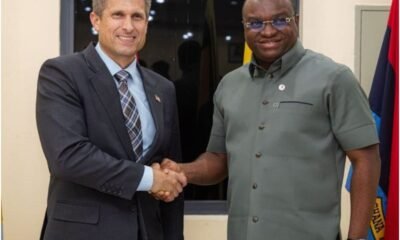
In a statement posted on Facebook by the U.S. Department of State’s Bureau of African Affairs, the department announced that Senior Bureau Official Nick Checker is traveling to Bamako to convey Washington’s “respect for Mali’s sovereignty” and its desire to “chart a new course in the bilateral relationship and move past policy missteps.”
The language marks a notable recalibration in U.S. diplomacy toward Mali, which—along with Burkina Faso and Niger—has experienced military takeovers in recent years that strained relations with Western partners and led to reductions in security assistance and diplomatic engagement.
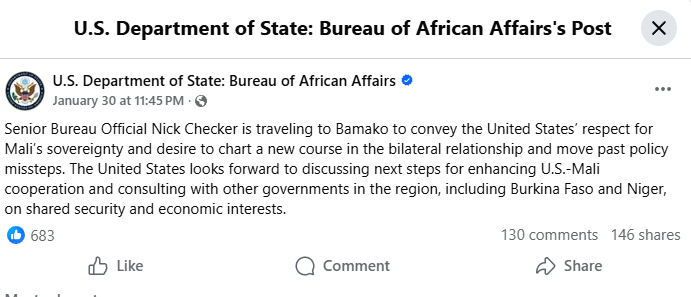
According to the State Department, the visit will focus on discussions around next steps for enhancing U.S.–Mali cooperation, while also opening consultations with governments across the central Sahel on shared security and economic interests. The approach suggests a move away from public confrontation toward pragmatic engagement in a region grappling with insurgency, economic instability, and shifting geopolitical alliances.
Analysts say the emphasis on sovereignty and policy recalibration reflects U.S. recognition of political realities in the Sahel, where juntas in Mali, Burkina Faso, and Niger have increasingly asserted independence from traditional Western partners while deepening ties with non-Western actors.
By describing the outreach as an effort to “move past policy missteps,” Washington appears to be acknowledging limitations in earlier strategies that relied heavily on security assistance and democratic conditionality. The new posture instead points toward incremental cooperation, regional dialogue, and economic engagement as entry points for rebuilding influence.
The State Department said the United States looks forward to consulting closely with regional governments, signaling that Mali will not be treated in isolation but as part of a broader Sahel strategy that recognizes the interconnected security challenges facing the three countries.
The visit comes amid continued violence by extremist groups in the region and growing concern among international partners about humanitarian conditions and economic pressures on civilian populations. U.S. officials have indicated that any renewed cooperation will prioritize regional stability, counterterrorism coordination, and economic resilience, while navigating complex political transitions.
While no formal agreements have been announced, the trip underscores a measured reset in U.S. engagement with Sahelian states, balancing respect for national sovereignty with efforts to safeguard long-term American and regional interests.








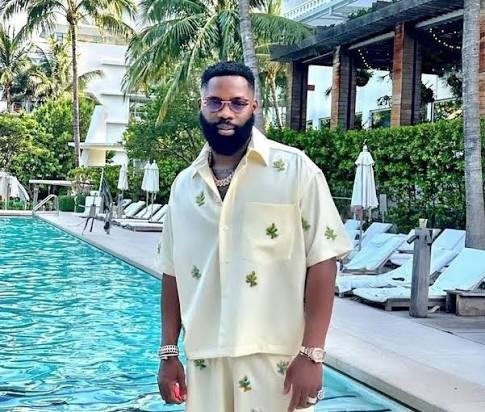
A British-Nigerian businessman and social media influencer died from a pulmonary embolism after undergoing a penis enlargement procedure in Thailand, a UK coroner’s inquest has heard.
Igho “Tiny” Ubiribo, also known as “Ego”, was 43 when he died in Bangkok following complications from the cosmetic procedure during a trip to Thailand with his wife.
Evidence presented at the inquest said Ubiribo had 40ml of hyaluronic acid and lidocaine injected into his penis at an unnamed clinic in March.
Shortly after the procedure, he developed chest pain and collapsed twice at his hotel.
He was taken to Sukhumvit Hospital, where doctors suspected a pulmonary embolism — a potentially fatal blockage of a blood vessel supplying the lungs.
His condition deteriorated despite emergency treatment, with medical staff reportedly performing CPR for more than 100 minutes.
Ubiribo died in the early hours of March 6.
His body was subsequently repatriated to the UK for further examination. A post-mortem reportedly detected cellular filler material in his lungs consistent with hyaluronic acid, the substance used during the cosmetic procedure.
Evidence presented to the inquest indicated that the material found in his lungs matched the filler administered during the treatment.
The coroner concluded that the cosmetic procedure had caused the fatal pulmonary embolism.
The case highlights the potentially serious complications associated with injectable cosmetic procedures, particularly when performed outside a patient’s home country. Pulmonary embolisms can occur when material enters the bloodstream and travels to the lungs, where it can obstruct blood flow and become life-threatening.
Ubiribo’s death has also drawn attention to the risks surrounding cosmetic procedures undertaken abroad, where patients may face unfamiliar medical standards, follow-up arrangements and emergency care systems.
The circumstances of his death were examined during the UK inquest as authorities sought to establish how the procedure ultimately led to the fatal complication.
Africa Watch
American Actress and Comedian Amanda Seales Calls for $4,180 to Help Kenyan Students Finish High School
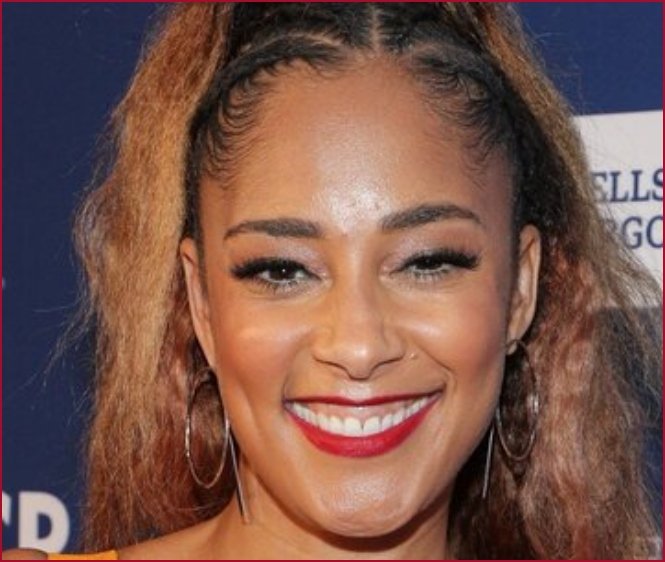
American actress Amanda Seales is turning a personal commitment to students in Kenya into a public fundraising campaign.
She is calling on supporters to help raise $4,180 to ensure children she began sponsoring several years ago can continue their education.
The Grenadian-American actress, comedian and activist launched the initiative in partnership with the Utu Foundation after visiting Britons Primary School in Kenya in 2023.
During that visit, Seales learned that financial hardship was preventing some high-achieving students from making the transition from primary school to secondary education. She subsequently committed to personally sponsoring four years of secondary education for 28 students.
As those students reached their final year of high school in 2026, Seales expanded the effort to include public support, seeking assistance to help the remaining students complete their final terms.
In a recent fundraising video shared on Instagram, Seales connected the campaign to her broader Pan-African outlook and her belief in education as a pathway to freedom.
“Where your attention goes, your energy flows,” Seales said.
“As a Pan Africanist, I truly believe that it is going to be the liberation of the African peoples of diaspora that will lead to the collective liberation of the world.”
She then linked that vision directly to the students the campaign is supporting.
“And education is a key component to achieving freedom,” Seales said. “So we cannot allow folks to be unable to access it because of money.”
Seales concluded the appeal by asking supporters to join her and the Utu Foundation in reaching the $4,180 fundraising goal “to send these children to school.”
The campaign reflects an evolution in Seales’ involvement. What began with her personally financing the education of 28 students has become an appeal for a wider community of supporters to help carry the students through the final stage of their secondary education.
The fundraiser is being promoted through Seales’ social media platforms and her collaboration with the Utu Foundation. Supporters have also been directed toward fundraising merchandise through AmandaLand Exports, Seales’ official merchandise platform.
The campaign’s emphasis on completing secondary education highlights the financial barriers that can affect students even after they have successfully completed primary school. For families facing financial constraints, the costs associated with continued schooling can determine whether a child is able to progress academically.
For Seales, the issue is inseparable from her broader philosophy about the relationship between education, opportunity and liberation.
Her appeal also extends beyond the immediate needs of the students in Kenya, invoking a connection between the African continent and communities of African descent around the world.
By asking supporters to contribute to the education of students thousands of miles away, Seales is positioning the campaign as an example of diaspora engagement with educational initiatives on the continent.
The immediate goal, however, is straightforward: raise $4,180 and help the students complete their schooling.
Africa Watch
The West Africa Corridor’s Dirty Secret: Liberia’s Record Cocaine Bust Exposes State-Sanctioned Trafficking
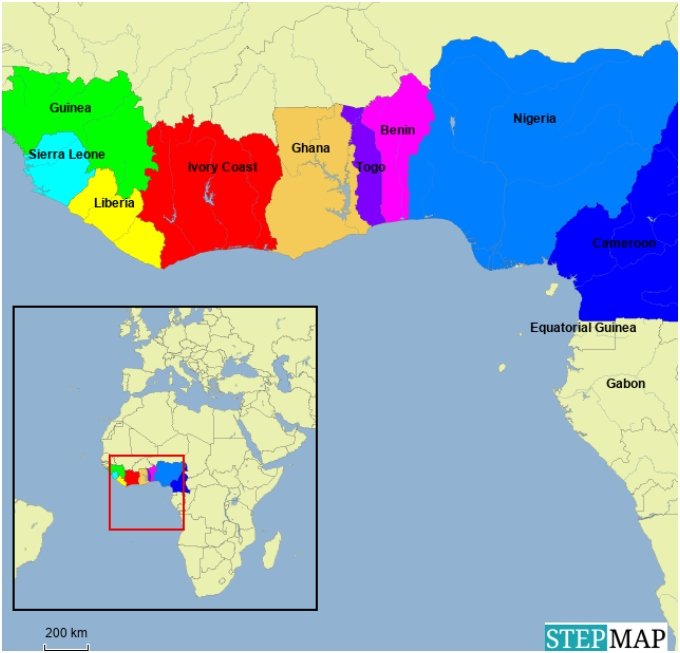
Two months ago, Liberian authorities made history. In a warehouse in Duazon, just outside the capital, they discovered nearly four metric tons of cocaine—an estimated $317 million street value—making it the largest drug bust in the nation’s history.
Days later, law enforcement agents publicly incinerated the haul alongside a smaller 237-kilogram seizure, sending a dramatic signal that Liberia was no longer “a place of comfort” for traffickers.
Yet, as the smoke cleared, a far more troubling reality emerged from the ashes. The investigation has moved deeper into Liberia’s security establishment, exposing a systemic rot that challenges the very narrative of a state successfully waging war on drugs. As Police Inspector General Gregory O.W. Coleman told a government press briefing: the Duazon operation was “definitely sanctioned by state actors at the very, very senior level” of government.
A Political Bombshell
The gravity of the scandal reached its peak on August 19, when authorities charged former Vice President Jewel Howard-Taylor—who served from 2018 to 2024—with drug trafficking, money laundering, criminal solicitation, and conspiracy. She was stopped at Roberts International Airport while attempting to leave for Ghana and taken into custody.
Justice Minister Oswald Tweh’s statement was emphatic: “There will be no selective justice, political protection, sacred cows or compromise with organized criminality.”
Yet Howard-Taylor’s office has vehemently denied the charges, framing the case as a “politically motivated witch-hunt and an abuse of state power,” and alleging that unnamed government figures may use artificial intelligence to fabricate evidence against her.
The Pipeline Within
While the former Vice President’s arrest captured global headlines, the investigation has also pulled back the curtain on a disturbing institutional problem. Senior police officers were allegedly not just passive bystanders but active facilitators. Coleman named the chief of highway patrol and the head of major crimes as having driven escort for the massive drug consignment, using police vehicles to move it from the shoreline to the stash house.
“We have identified key state actors who played a role in transporting, escorting the movement of these narcotic substance from the landing site to the holding ground using police vehicles as escort, one in the front, one in the back,” Coleman said.
A deputy commander at the airport was also identified as a key actor.
President Joseph Boakai has responded with sweeping administrative action, dismissing senior officials from airport security, the Liberia National Police, the National Security Agency, and the Liberia Drug Enforcement Agency. A deputy commissioner was dismissed after reportedly admitting to accepting a $10,000 bribe.
The Vanishing Suspects
Despite these actions, a troubling question remains unanswered: who is actually being held accountable?
The two foreign nationals arrested at the scene—a Serbian and a dual Colombian-Spanish citizen—have become the most visible faces of the investigation. Meanwhile, more than a dozen Liberian suspects named in writs of arrest have largely disappeared from public view, with little visible movement toward trial.
As one FrontPageAfrica analysis noted, “For the public, the answers remain unclear. The result is a widening perception that while the two foreign nationals are being visibly prosecuted, several Liberian suspects have effectively vanished from the case.”
This perception is particularly damaging given Coleman’s admission. If the country’s top police officer says senior state actors were involved, why does the visible face of justice remain largely two foreign nationals?
A Regional Crisis
Liberia’s situation is not an isolated incident but a glaring example of a wider continental problem. According to the Global Initiative Against Transnational Organized Crime, at least 30% of cocaine destined for European markets now passes through West Africa. The region has become a critical transit corridor, with smugglers exploiting porous borders and weak enforcement.
The report notes that large shipments of cocaine are supported by “protection systems provided by politicians, security officials, and armed groups,” where “territorial control and access to institutional cover make trafficking possible.”
This dynamic extends across the region, with Sierra Leone recently identified as a strategic hub for a route that saw a record 30-tonne seizure by Spanish authorities.
A Defining Moment
For Liberia, this scandal represents a critical test of institutional integrity. Anti-corruption group CENTAL has warned that dismissals alone are insufficient. “Narcotics of such quantity do not transit a country whose borders, seaports, and airports are functioning without compromises and collusive networks. This is a governance failure before it is a criminal one,” said CENTAL Executive Director Anderson Miamen.
The government has secured international support, with the U.S. Drug Enforcement Administration now working in-country alongside Liberian investigators.
However, the lingering questions about who orchestrated the operation and who remains protected will likely determine whether these actions are remembered as a decisive turning point or merely another episode in Liberia’s long struggle against organized crime.


Medikal in Church and ‘Cheater’ Memes

How Ghana’s Government Pressured MTN, Telecel, and AirtelTigo to Cut Data Prices

Buckingham Palace Responds to Jamaica’s $10 Billion Reparations Demand, But the UK Government’s Wallet Remains Shut
-

 Ghana News1 day ago
Top Headlines From Ghanaian Newspapers: Monday, Sept. 7, 2026
-
 Festivals & Events1 day ago
Dzawuwu: The Volta Festival That Celebrates Agave Bravery
-

 Sights and Sounds1 day ago
Trade Accra’s Traffic for Treetops at Legon Botanical Gardens
-

 Health & Wellness1 day ago
Why 500 Sit-Ups a Day Won’t Reveal Your Abs
-

 Ghana News1 day ago
Ghanaian Vaccine and Medicine Manufacturers Get Ready Market After NVI Clinches Historic Deal to Sell to Africa’s Bulk Buying Group
-
 Taste GH21 hours ago
Tubaani Beans: Northern Ghana’s Hearty Answer to Rice and Beans
-
 Festivals & Events21 hours ago
Lagos Meets Accra: Zephans & Co Brings Summer Style to the City
-

 Ghana News6 hours ago
Top Headlines From Ghanaian Newspapers: Tuesday, Sept. 8, 2026