
Tourism
Planning to Book an Airbnb for the 2026 FIFA World Cup in New Jersey? Expect Soaring Prices Near MetLife Stadium


As the countdown to the 2026 FIFA World Cup intensifies—with the tournament co-hosted by the United States, Canada, and Mexico—short-term rental prices in New Jersey towns near MetLife Stadium in East Rutherford are skyrocketing, driven by massive demand for the July 19 final.
Data from AirDNA, a leading short-term rental analytics firm, shows a 500% surge in bookings for mid-July weekends in areas like Jersey City, Hoboken, West New York, Clifton, and North Bergen, reflecting the global excitement around the event that will feature 48 teams and 104 matches.
For fans hoping to stay close to the venue, costs are eye-watering. Recent listings spotted by CBS News New York included an Essex County mansion priced at more than $38,000 for the July 17–20 final weekend and a two-bedroom apartment in Carlstadt exceeding $12,000 for the same dates. While these represent the high-end outliers, AirDNA chief economist Jamie Lane noted that proximity to MetLife Stadium is pushing prices upward as supply tightens.
Airbnb, an Official FIFA World Cup 2026™ Supporter, pushed back on the narrative of widespread unaffordability, stating that such extreme rates are exceptions rather than the norm.
“About 75% of available listings in the New Jersey area are priced under $500 per night, and nearly 95% of bookings to date are also under that price point,” an Airbnb spokesperson said.
The company highlighted the platform’s diversity: nearly half of remaining listings for the final weekend offer two or more bedrooms, providing better value for families and groups. Airbnb also noted that hosts set their own prices, pointing out comparable high-end listings on competing platforms like Vrbo exceeding $34,000 for the same period.
Experts predict some relief as the tournament approaches. Lane explained that once prime locations in Bergen and Hudson counties fill up, demand will spread to suburbs with good train access to the stadium.
“Homeowners may put their places up for rent at the last minute with a ‘make me move’ price,” he said, adding that many could lower rates if they decide to vacation during the World Cup—perhaps even taking a trip to Europe—if the right offer comes in. “A lot of those high rates may come down as more listings go up.”
New Jersey Governor Phil Murphy has hailed the tournament as an “epic opportunity to show the world that New Jersey is the destination.”
In his State of the State address, he projected a $4 billion economic boost for the region from visitor spending, tourism, and related activity. The first match kicks off on June 11, 2026, with the final at MetLife Stadium on July 19.
For Ghanaian fans, diaspora communities, and global travelers planning to attend—especially those following the Black Stars—early booking and flexibility on location remain key.
While Airbnb and similar platforms offer options, hotel availability still exists in surrounding areas, though prices are also rising. As the tournament nears, both supply and pricing dynamics will continue to evolve, offering potential bargains for late planners.










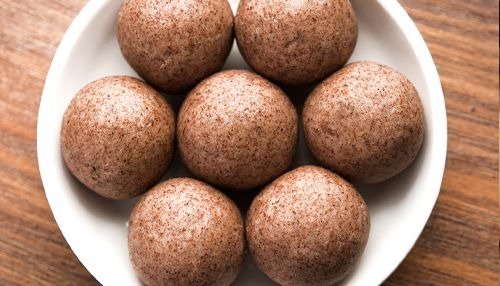
Compact, filling and made from one of West Africa’s most treasured grains, Kapala shows how Ghanaian food traditions turn simple ingredients into practical nourishment for everyday life.
Known as millet balls, Kapala is prepared by cooking millet and moulding it into firm, round shapes.
The result is a humble food with a pleasantly grainy texture and a mild, earthy flavour that allows it to pair beautifully with a variety of accompaniments.
A Taste of Ghanaian Food Heritage
Kapala’s appeal lies in its versatility. It can be served alongside soup, where the millet balls provide a satisfying base for a hearty meal, or enjoyed with milk for a simpler combination.
For those who prefer a savoury kick, a spicy groundnut-based sauce offers a delicious contrast, bringing creamy nuttiness and heat to the grain’s gentle flavour.
Millet has long been valued in parts of Ghana and across West Africa, particularly in communities where traditional grains remain important to everyday cooking.
Kapala reflects a practical approach to food: preparing a staple that can be carried easily and eaten when needed.
For farmers heading to their fields, its compact shape makes it convenient to transport and consume during a demanding working day. It is a reminder that traditional food can be both culturally meaningful and adapted to the realities of rural life.
Nourishment in Every Bite
Millet provides carbohydrates for energy, along with dietary fibre, minerals and other nutrients.
Its fibre content can support digestive health, while its carbohydrates help fuel physical activity. The overall nutritional value of Kapala depends on how it is prepared and what accompanies it.
For international visitors exploring Ghanaian cuisine, Kapala offers an opportunity to appreciate the ingenuity behind everyday local foods. Its simplicity is part of its charm: a familiar grain transformed into a portable, nourishing staple.
In every rounded ball is a story of resourcefulness, agricultural heritage and the enduring connection between Ghanaian food and daily life.
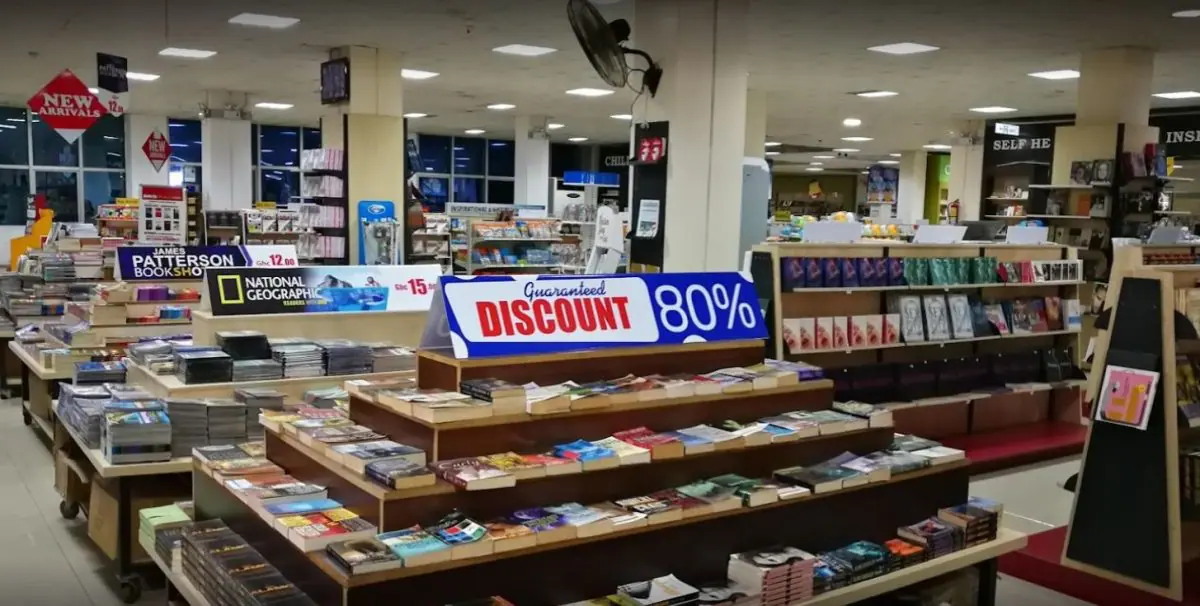
A child searching for their first picture book, a university student hunting for a prescribed textbook or a reader hoping to find their next favourite novel can all begin their search at the same place: EPP BookShop at Legon City Mall.
Located at 7 Lagoon Street, off Giffard Road, the Legon branch brings together books for different ages, interests and stages of learning.

Its appeal lies in the range of titles available, making it a useful stop for families preparing children for school, students pursuing higher education and readers looking beyond the classroom.
From a Small Accra Shop to a Growing Book Business
EPP Books began in 1991 as a modest bookshop in Accra, occupying a space of no more than 20 square metres.
Over the years, it grew into a chain with branches across the West African sub-region, expanding its reach beyond its original location.
That journey reflects the continuing need for accessible books in homes, schools and educational institutions.
For many learners, textbooks and supplementary readers are essential tools, while novels and self-help books offer opportunities for entertainment, personal growth and discovery.
Books for Different Stages of Life
At the Legon branch, the selection spans preschool materials, children’s readers, school curriculum books, secondary-school textbooks and university-level titles. Customers can also browse bestselling novels and books on personal development.

EPP BookShop serves both retail and wholesale customers, giving individual readers and organisations options for purchasing books. If a particular title is unavailable on the shelves, the shop can also arrange to order it.
For residents, students and visitors in the Legon area, the branch offers more than a place to buy reading materials. It provides a practical starting point for the search for knowledge, whether that begins with a child’s first schoolbook or a reader’s next literary adventure.

From a steaming bowl of fufu and soup to the irresistible aroma of kelewele fresh from the frying pan, Ghanaian food offers more than comfort and flavour.
When balanced well, it can also provide many of the nutrients the body needs to thrive.
Traditional Ghanaian cuisine draws heavily on natural ingredients, including yam, plantain, beans, fish, groundnuts and leafy vegetables.
These foods supply energy, protein, fibre, vitamins and minerals. Kontomire stew, okro soup and garden eggs bring colour and nutrients to the table, while fish and legumes offer protein.
Spices and seasonings give dishes their distinctive character, making everyday meals deeply satisfying.
Waakye, the much-loved combination of rice and beans, illustrates this potential. Paired with vegetables, fish or eggs, it can provide a satisfying mix of carbohydrates, protein and fibre.
Yet the nutritional value depends on portion sizes and the amount of oil, salt and rich accompaniments added.
When Tradition Needs Balance
Palm oil gives dishes such as red red their familiar colour and taste. It also contains vitamin E and carotenoids, which the body can convert into vitamin A. However, it is high in saturated fat, so using moderate amounts and avoiding repeated overheating are sensible choices.
Portion sizes matter, too. Meals dominated by large servings of fufu, banku, rice or yam, with little vegetables or protein, may make it harder to maintain a balanced diet over time.
Meanwhile, instant noodles, sugary drinks and heavily processed snacks are increasingly competing with home-cooked meals. Frequent consumption can contribute to excessive sugar, salt and calorie intake.
Keeping Ghanaian Food Healthy
The answer is not to abandon beloved local dishes, but to prepare and serve them thoughtfully.
Enjoy reasonable portions of starchy staples, add generous vegetables, include beans, fish or other protein sources, and use oil and salt sparingly.
Ghanaian food can be both delicious and nourishing. The secret lies in balance, variety and preserving the best of local cooking while making choices that support long-term health.



-

 Ghana News1 day ago
OBITUARY: Gamal Gorkeh Nkrumah, Son of Ghana’s Founding President, Dies in Cairo
-

 Sights and Sounds2 days ago
EPP BookShop at Legon: A Destination for Students, Families and Book Lovers
-

 Health & Wellness1 day ago
Walking Is More Than Exercise: Small Steps That Can Transform Your Health
-

 Festivals & Events1 day ago
MaddFest 2027: Welcome the New Year with a Night of Celebration in Accra
-
 Homes & Real Estate2 days ago
Building Smarter in Ghana: Could Plastic Rebar Clips Improve Construction Efficiency?
-
 Arts and GH Heritage1 day ago
Inside Togo’s Abandoned Colonial Building, African Artists Reclaim Cultural Memory
-

 Global Update1 day ago
Wave of Student Killings at Mexico Universities Raises Safety Concerns
-

 Ghana News1 day ago
Mahama to Churches: The Real Sermon Is Written After the Closing Prayer