
Lifestyle
Anticipation Buzzing as IShowSpeed Eyes Ghana Stop: “Let Him Learn Who We Are”

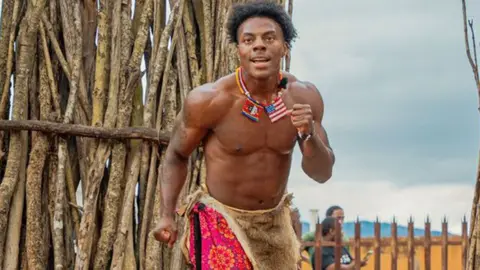
Ghanaians online and on the streets are buzzing with anticipation following fresh conversations about popular American streamer IShowSpeed potentially visiting Ghana as part of his wider African tour.
In a new street-interview video published by YouTube channel EPIC IT WAS, young people shared candid reactions, expectations, and ideas on how Ghana should welcome—and educate—the high-energy internet star.
From culture and language to food, football, and nightlife, the message was clear: if IShowSpeed comes to Ghana, it should be more than a quick content stop. It should be an immersive cultural exchange.
“Let Him Learn Who We Are”
Several interviewees stressed the importance of introducing IShowSpeed to Ghanaian identity beyond viral moments. They spoke passionately about teaching him local languages, dance styles like Azonto, and everyday greetings that reflect Ghanaian warmth and hospitality.
“We should let him understand the language, the culture, where we’re coming from,” one participant said, suggesting simple Twi and Eʋe phrases as a starting point.
Others added that Ghana’s music, arts, food, and home life should be front and center in any visit.
A Cultural Plus, Not a Validation
While acknowledging IShowSpeed’s massive global following, many Ghanaians were careful to note that his visit would be a “plus one,” not a validation of Ghana’s global relevance.
“Ghana is already impacting the world in so many ways,” one interviewee said. “So him coming is just a plus. We already have the name, the fame.”
That confidence reflects a growing sentiment among Ghana’s youth—proud of the country’s cultural exports and eager to share them on their own terms.
Challenges, Tourism, and Street Vibes
Interviewees also proposed playful but meaningful challenges for the streamer, including visits to Kakum National Park, Wli Waterfalls, Jamestown, and historic castles along the coast. Others suggested he experience Ghana’s unique social scenes, from campus dance culture at the University of Ghana to the now-famous “morning clubbing” phenomenon in Accra.
Food, unsurprisingly, featured prominently. From home-cooked meals to street favorites, several participants volunteered—enthusiastically—to cook for him if needed.
Music, Youth Influence, and Responsibility
Beyond entertainment, some voices highlighted IShowSpeed’s influence on young people worldwide. They praised his authenticity and urged him to remain grounded, respectful, and open-minded if he visits.
“Most people are looking up to him,” one interviewee said. “He should understand our culture and spread it so people who are ignorant about us will get to know more.”
On potential music collaborations, respondents avoided naming a single artist, instead emphasizing the diversity and strength of Ghana’s music scene—suggesting that any collaboration could be impactful if approached with genuine interest.
Background: IShowSpeed’s Africa Tour
IShowSpeed, born Darren Watkins Jr., is one of the world’s most-watched live streamers, known for his unfiltered reactions, football fandom, and high-octane personality. Over the past year, he has expanded his content beyond the United States, embarking on highly publicized visits across Africa, including stops in countries such as Nigeria and Senegal. His African tour has blended travel, street interactions, football culture, and spontaneous live streams—often drawing massive crowds and global online attention.
A potential Ghana stop would place the country firmly within this growing digital travel narrative, offering an opportunity to showcase Ghanaian culture to millions of viewers worldwide.
Ghana Says: “Come and Experience It”
The overall tone from Ghanaians interviewed was welcoming, confident, and clear-eyed. Ghana, they say, is ready—not to impress, but to share.
“Looking for hospitality? It’s Ghana,” one participant concluded. “Everything you’re looking for is here—the red, the yellow, the green, and the black at the center.”
Whether or not IShowSpeed’s Ghana visit materializes, the conversation itself highlights how Ghana’s youth see their culture: vibrant, global, and worth experiencing in full.









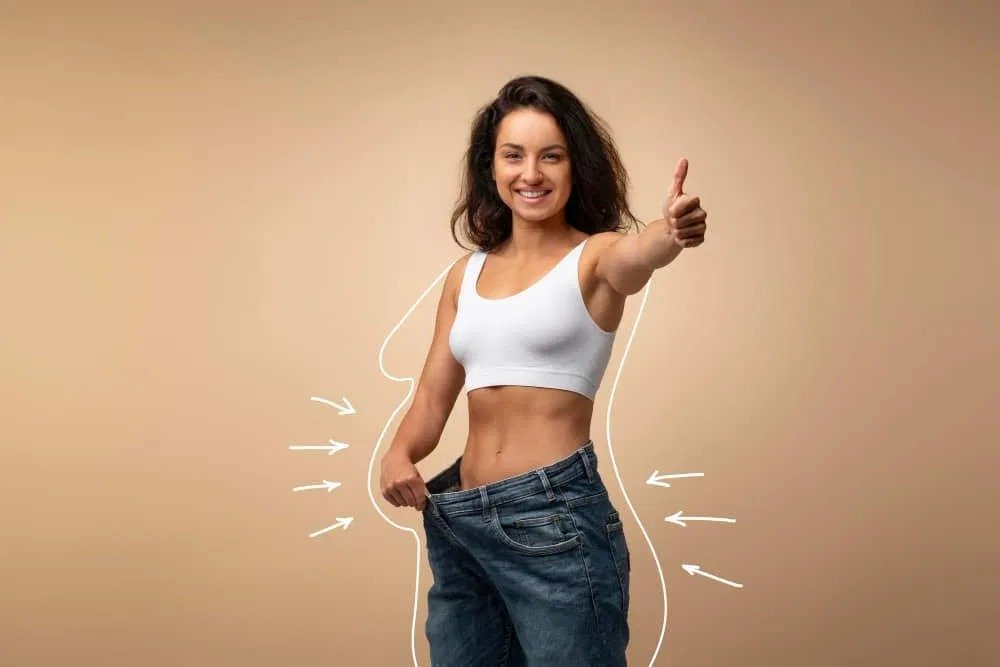
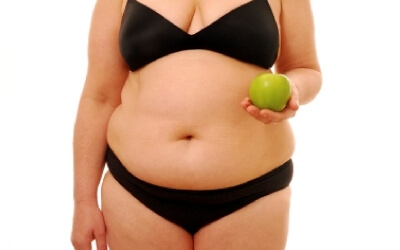
You have cut your portions, turned down extra helpings of jollof rice and tried to stay away from sugary drinks, yet the number on the scale barely moves.
It is frustrating, especially when you feel you are doing everything right. But a weight-loss plateau does not automatically mean you need to eat even less.
Look Beyond Your Plate
Weight management involves more than food alone. Daily movement, exercise, sleep, medications and individual differences in energy needs can all influence progress.
Start by examining how active you are outside the gym. Three strength-training sessions each week are valuable, but spending most of the remaining hours sitting can limit your overall activity. Walking more, taking the stairs and breaking up long periods of sitting can help.
Gradually working towards 8,000–10,000 daily steps may suit some people, although the right target depends on fitness and health.
Could Your Portions Be Misleading You?
People often underestimate how much they eat. Cooking oil, salad dressings, sweetened drinks, snacks and generous weekend portions can add energy that is easy to overlook. For a few days, record meals and drinks honestly, including the small bites taken while cooking. The goal is awareness, not guilt or obsessive calorie counting.
However, eating very little is not a reliable shortcut. Prolonged restrictive dieting can increase hunger, reduce spontaneous movement and cause the body to expend less energy as weight falls. Your metabolism does not simply break, but your energy requirements may change.
Choose Progress Over Punishment
If your weight has stalled, review your activity, portions and consistency before cutting food further. Compare weight trends over several weeks rather than reacting to daily fluctuations, which can reflect water retention and hormonal changes.
If you are persistently struggling despite consistent habits, or experiencing unusual fatigue or other symptoms, consult a qualified health professional.
The answer to a plateau is not always eating less. Sometimes, it is understanding your habits, protecting your health and choosing a plan you can sustain.
Great style is not always about chasing trends or buying the latest designer outfit. Sometimes, it comes down to understanding how different cuts, colours and patterns work together to create a silhouette that feels comfortable and confident.
For people with an apple-shaped body, a few thoughtful wardrobe choices can open up fresh possibilities for personal style.
The Power of Shape and Structure
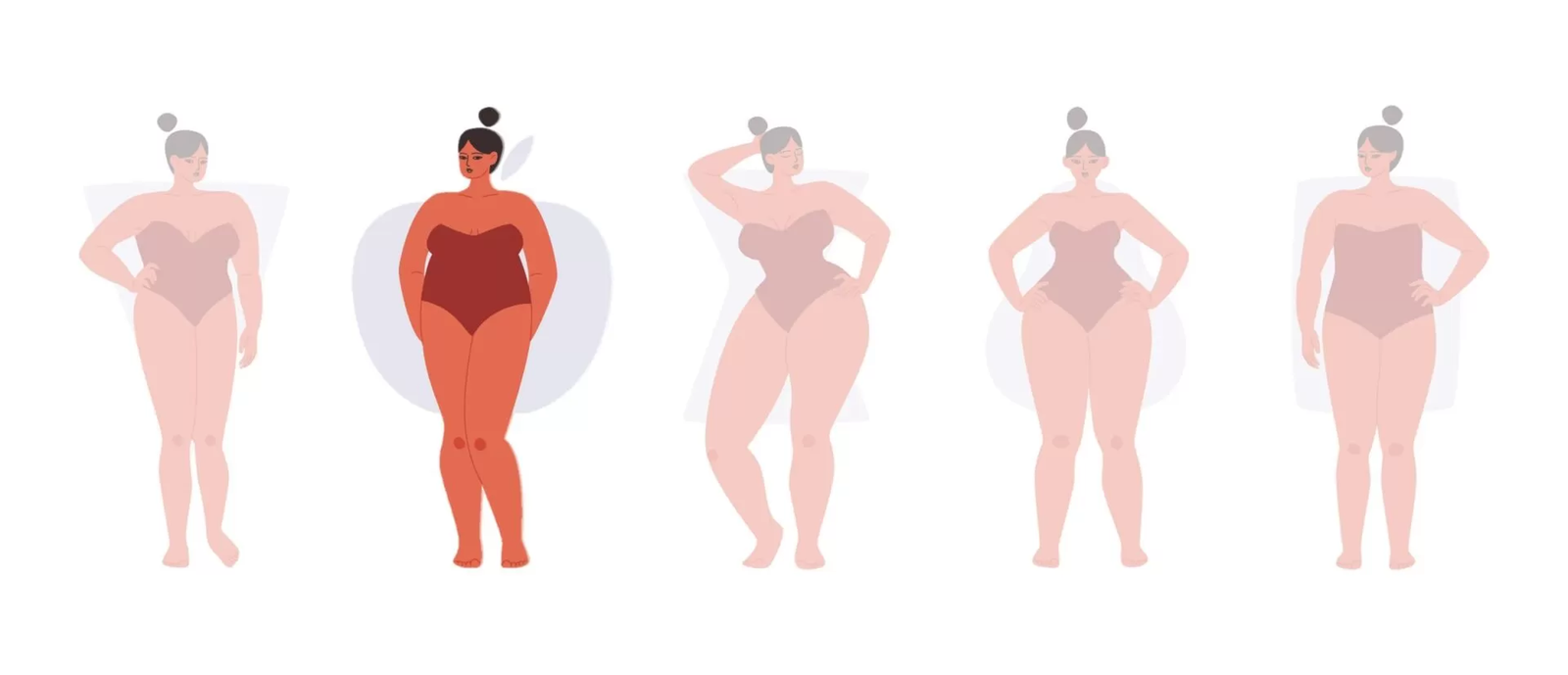
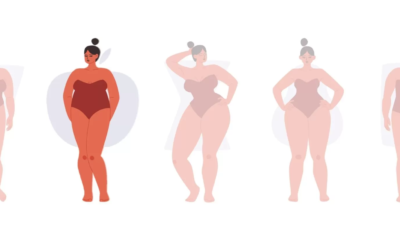
An apple-shaped figure typically carries more fullness around the midsection, with the shoulders and upper body often appearing broader than the hips.
Rather than hiding the body, strategic styling can create balance while allowing personal taste to lead.
A peplum top paired with white-leg jeans, for example, can introduce definition around the waist while adding structure to an everyday outfit. Wrap dresses offer another option, using adjustable fabric and diagonal lines to draw attention towards the waist.
Structured V-neck tops paired with bootcut jeans can also create visual balance between the upper and lower body.
For occasions that call for something more polished, ruched dresses in solid colours provide texture and shape, while dresses with darker side panels can create a subtle contouring effect.
Patterns deserve consideration, too. Strong horizontal lines may emphasise width in certain areas, whereas diagonal details can guide the eye across the body and create a different visual effect.
These are styling suggestions, not rigid rules: fabric, fit and individual proportions all influence how an outfit looks.
Confidence Beyond the Clothing
For Ghanaian fashion lovers, where tailored outfits, colourful prints, occasion dresses and contemporary streetwear all have a place in personal expression, these principles offer another way to approach the wardrobe.
A peplum blouse can work for a professional setting, while a wrap dress can transition easily from a social gathering to an evening event.
Ultimately, dressing well is less about fitting a body into fashion rules than finding clothes that make the wearer feel at ease.
The best outfit is one that works with your proportions, reflects your personality and lets confidence take centre stage.

The person who loses the most weight is not always the person who loses the most fat. That surprising distinction could change how you approach your next weight-loss journey.
When the number on the bathroom scale refuses to drop quickly, your workouts may be working better than you think.
Why Strength Training Changes the Picture
A study described in the research behind this debate compared people following a calorie-restricted diet while doing resistance training, cardio or dieting alone. Its reported findings suggest that people who lifted weights lost more fat while preserving, and sometimes gaining, lean mass.
The reason is important. Your body weight includes fat, muscle, water and other tissues. When you lose weight through dieting alone, some of that loss can come from muscle.
Cardio can support fat loss and improve heart health, but without resistance exercise, preserving muscle may be more difficult during a calorie deficit.
Strength training gives your body a reason to retain muscle while using stored fat for energy. Because muscle contributes to your shape, strength and everyday function, the results may show up in your waist measurement, clothing fit and physical ability before the scale tells the full story.
Making It Work in Everyday Life
You do not need an expensive gym membership to begin. Squats, wall push-ups, resistance bands and lifting household weights can provide a starting point.
Gradually increase the challenge as your strength improves, and include protein-rich foods such as eggs, beans, fish and yoghurt to support muscle maintenance.
Walking, cycling and other cardio activities remain valuable, too. Combining them with strength training and a sustainable eating pattern can support both fat loss and overall health.
The lesson is not to abandon your bathroom scale, but to stop treating it as the only judge of progress.
Measure your waist, notice how your clothes fit and celebrate getting stronger. Lasting progress is about improving your body composition, not simply becoming lighter.

-
 Reels & Social Media Highlights2 days ago
Ghana’s Timeline Erupts: Showboy’s Crude Plea, Asantewaa’s Silence, and a Nation Divided
-

 Health & Wellness2 days ago
The Scale Can Lie: Why Lifting Weights May Help You Lose More Fat
-
 Festivals & Events1 day ago
Velukusi Festival: Re-enacting the Ewe Escape to Freedom in Ve-Deme
-

 Taste GH1 day ago
Simple, Nourishing and Rooted in Tradition: Discover Ghana’s Kapala
-
 Fashion & Style2 days ago
Dressing for Your Shape: How Strategic Styling Can Transform Everyday Fashion
-

 Health & Wellness1 day ago
The Weight-Loss Plateau: How Daily Movement and Hidden Calories Can Matter