
News
Setback! Lawyers Cause Judge to Close Ofori-Atta’s High-Profile Immigration Hearing to Public

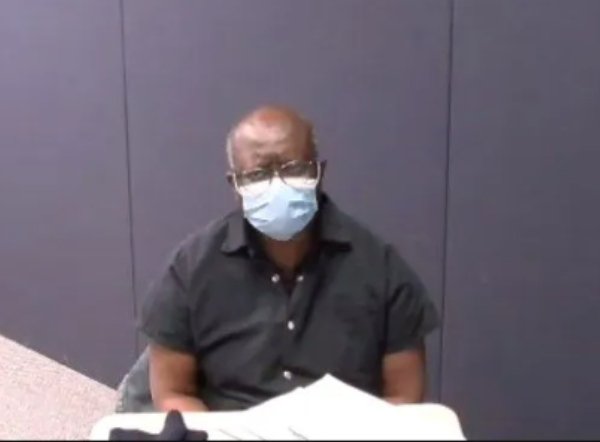
Many Ghanaians, especially journalists, who joined a virtual hearing of Ken Ofori-Atta’s immigration case, Tuesday, were disappointed after a judge declared proceedings closed to the public.
The United States immigration court barred public access to proceedings involving the former Finance Minister, citing sensitive issues surrounding his immigration case. The development means the public interest case will be held in private, further heightening international attention on the matter.
The decision to exclude the public from the case was taken on Tuesday, January 20, 2026, during a hearing at the Annandale Immigration Court, presided over by Immigration Judge David Gardey. The case concerns Ofori-Atta’s immigration status following his arrest by U.S. Immigration and Customs Enforcement (ICE) roughly two weeks ago.
Public Excluded After Defense Request
Court records and a transcript of proceedings indicate that the public exclusion followed a formal request by Ofori-Atta’s legal team. Christopher Chaisson, one of his attorneys, asked that both the bond redetermination hearing and the master calendar hearing be closed, arguing that sensitive matters would be discussed.
Judge Gardey confirmed that under U.S. immigration law, proceedings may be closed if either party requests it under qualifying circumstances. He then ordered all non-parties observing via Webex to exit the hearing immediately.
“As requested by counsel, the matter will be held as a private hearing,” the judge said, adding that the court could not proceed until all members of the public had left the virtual courtroom.
Detention Continues, Bond Considered Privately
During the brief public portion of the session, it was confirmed that Ken Ofori-Atta—who appeared on camera in a face mask and appearing subdued—remains in detention at the Caroline Detention Center and was not physically visible on the Farmville Webex feed at the time the case was called.
The hearing was identified as a bond redetermination hearing, meaning the court was expected to assess whether Ofori-Atta could be released from custody pending further immigration proceedings. However, because the hearing was closed, no details of the bond decision or arguments presented were made public.
As of the conclusion of the public session, no ruling was announced in open court, and the outcome of the bond application remains undisclosed.
Arrest, Immigration Status, and Ghana Prosecution Efforts
ICE authorities arrested Ofori-Atta on allegations that he is unlawfully present in the United States. U.S. officials are also considering removal proceedings, with Ghanaian authorities seeking his return.
In Ghana, both the Office of the Special Prosecutor (OSP) and the Attorney-General’s Department are pursuing his extradition to face alleged malfeasance and corruption-related charges stemming from his tenure as finance minister.
The closed-door nature of the U.S. proceedings has fueled speculation, but legal analysts note that privacy orders are not uncommon in immigration cases involving medical, financial, or security-sensitive information.
A Case With Global Implications
Ofori-Atta’s detention and ongoing immigration case have become a major legal and political story, closely followed in Ghana and abroad. As a central figure in Ghana’s economic management during a turbulent period marked by debt restructuring and IMF negotiations, his legal troubles have significant reputational and diplomatic implications.
For now, the immediate outcome of Tuesday’s court session is clear: the case will proceed behind closed doors, with the former finance minister remaining in ICE custody while U.S. immigration authorities and Ghanaian prosecutors pursue parallel legal paths.
Further developments are expected as the immigration court continues hearings out of public view.










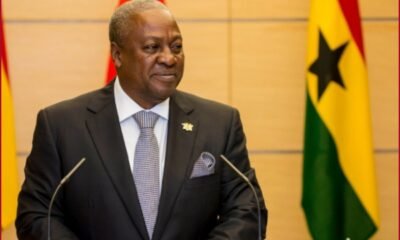


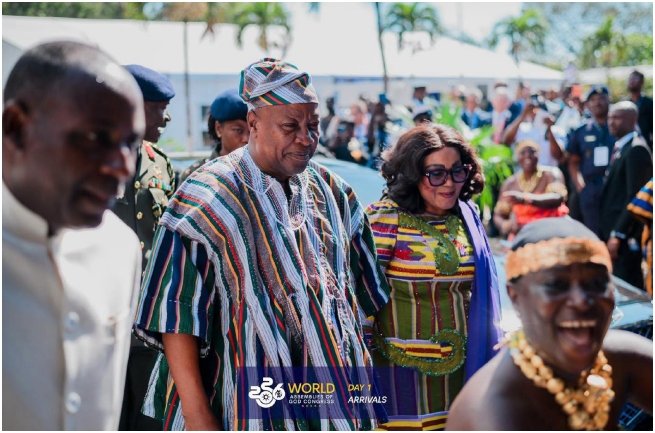
President John Dramani Mahama has challenged thousands of church delegates gathered in Ghana’s capital to measure the success of their global congress not by the eloquence of its sermons, but by the lives they transform after the final prayer is said.
“The lasting story of this conference, this congress, will be written in the lives that we touch after the closing prayer,” Mahama told more than 10,000 participants at the opening ceremony of the 10th Triennial Congress of the World Assemblies of God Fellowship on Wednesday, October 14, 2026.
The president urged delegates to return to their home countries with concrete plans to serve their communities — mentoring young people, supporting schools, strengthening health ministries and standing beside congregations serving under difficult conditions.
Faith Must Be Tangible
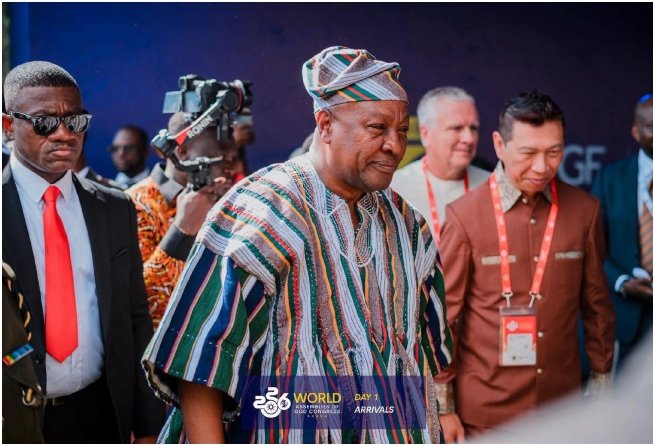
Mahama argued that faith becomes real only when it meets human need. He offered a vivid portrait of what practical Christianity looks like: a hungry child receiving a meal, a patient treated with compassion, a young person acquiring a skill, a widow finding companionship, and a struggling family receiving support from its community.
He called on the church to give greater attention to the relationship between preaching the gospel and serving people in practical ways, saying the two must not be separated.
“Spiritual authority entails a duty of care,” the president said, stressing that churches must provide safe environments for children and vulnerable people. He warned that spiritual leadership carries a responsibility to protect the trust placed in it through responsible conduct.
A Warning on Youth and Technology
Turning to youth development, Mahama acknowledged that young people today are growing up in a world of extraordinary opportunity, but also considerable pressure. Technology, he said, connects young people across continents while simultaneously exposing them to constant comparisons, misinformation and competing expectations about who they should become.
He urged churches and families to create environments where young people can ask questions freely, receive guidance, develop their abilities and take on meaningful responsibilities. Delegates, he said, should mentor young people by listening to them, offering opportunities for service and modelling integrity.
The president also called on the church to recognise the contributions of women of faith, saying their wisdom, talents and leadership deserve full recognition.
A Call for Global Solidarity
Addressing the global nature of the fellowship, Mahama expressed hope that members with greater resources would find ways to support those with fewer. The fellowship, he said, would grow stronger when its members shared their gifts and stood with one another through difficult times.
He also spoke directly to the responsibility of public office, saying those entrusted with power had a particular duty to serve with humility, honesty and integrity. Faith, he added, should deepen respect for citizens and concern for those whose voices are least likely to reach the centres of power.
Historic Honour for a Pentecostal President
At the ceremony, the World Assemblies of God Fellowship presented Mahama with its maiden Global Leadership Excellence and Trailblazer Award. The citation described him as the first member of the Assemblies of God worldwide to become president of a country — a milestone for the denomination.
Organisers also presented him with a Bible and urged him to allow the Word of God to guide his leadership.
The fellowship honoured First Lady Mrs. Lordina Mahama for her work supporting vulnerable people through her compassion ministry.
Former Malawian President Dr. Lazarus Chakwera also received the Global Leadership Excellence Award. His citation described him as the second member of the denomination — and the first minister of the gospel within the fellowship — to become president of a country.
Prayers for Wisdom and Redistribution
Following the awards, general superintendents and Ghanaian church leaders gathered around Mahama to pray for him. The prayer leader, Reverend Dominic Yeo, the fellowship’s Global Chairman, asked God to grant the president “divine wisdom” and prayed for the continuation of what he described as a reformation agenda.
He also prayed for “a redistribution of wealth throughout this nation so that all Ghanaians will be blessed,” a prayer that resonated beyond the sanctuary walls in a country where economic inequality remains a pressing concern.
A Global Gathering in Accra
The 10th Triennial Congress has drawn more than 10,000 participants to Accra, making it one of the largest Pentecostal gatherings on the continent this year. The event brings together delegates from across the global fellowship, reflecting the denomination’s growing presence in Africa and beyond.
For Mahama, however, the congress’s true significance will not be found in its attendance figures or its ceremonies — but in what delegates do once they return home.
“Faith becomes tangible,” he said, “when a hungry child receives a meal, a patient is treated with compassion, a young person acquires a skill, a widow finds companionship and a struggling family receives support from its community.”
The closing prayer, it seems, is only the beginning.
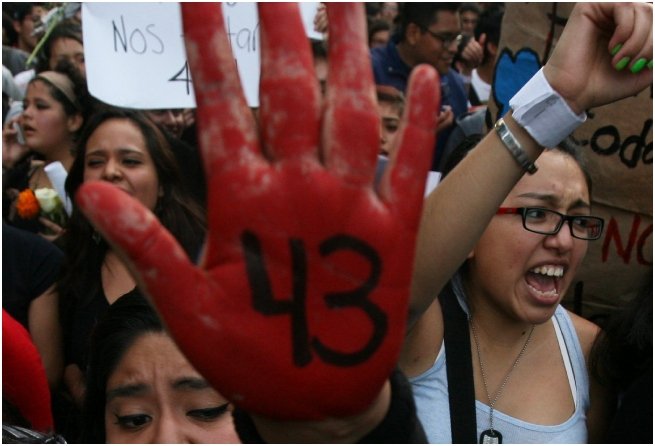
Two female students at the Autonomous University of Morelos disappeared within days of each other in March. Both were later found dead. Since April of last year, at least seven students from the same university have been murdered, five young women and two teenage boys.
Among them was an exchange student from Spain, killed last month just weeks after arriving in Mexico.
“When we hear that another student has disappeared or been killed, we all see ourselves in her. We think, that could have been me,” said Yugi Milan, a student activist in Morelos, speaking to The World’s Tibisay Cea and colleague Axel Hernandez.
The killings have exposed a deepening crisis of gender-based violence at Mexican universities, and a system that activists say is failing to protect students, investigate complaints, or deliver justice.
A University Under Pressure
The Autonomous University of Morelos responded to the high-profile murders with calls for investigation and promises of tighter security: more guards, cameras, and panic buttons.
But activists say those measures do not address the root of the problem, sexual harassment on campus.
“They can’t even respond to complaints of gender violence against professors and fellow students on campus,” Milan said, speaking in Spanish.
The problem extends far beyond Morelos. A recent study found that nearly one in five female university students in Mexico has experienced sexual harassment — but only about 10 percent file a formal complaint.
Fear of Retaliation
Ana Buquet, a gender studies researcher at Mexico’s largest public university, UNAM, says fear keeps victims silent.
“I think basically they are afraid,” Buquet said. “First, many times they feel alone.”
Victims fear retaliation from professors, including lower grades or obstacles to graduating, she said.
Ameyali Ramirez, a UNAM student, remembers a teaching assistant who had been accused of harassing female students — yet continued working with them. Ramirez says she had to take exams alone with him, behind a closed door. Nothing happened to her, but she questions why the exams were conducted that way.
While Ramirez acknowledges universities have made progress, including better reporting procedures and courses on gender violence, Buquet says many reforms focus on responding to harassment rather than preventing it. Universities need more education on gender equality and better training for professors and staff, she said.
Danger Beyond Campus Gates
For many students, the threat follows them home.
Lorena Ruiz Rojas, a 19-year-old anthropology student at UNAM, says she worries about disappearing during her commute. She regularly shares her live location with her family on WhatsApp.
Mexico has a widespread disappearance crisis, with more than 130,000 people officially listed as missing. Security analyst Eduardo Guerrero says organized crime is behind many disappearances involving young women and girls.
“Many times it is young women who disappear, and it has to do with human trafficking markets, sexual trafficking,” Guerrero said.
Some criminal groups abduct young women for sexual exploitation, he said.
Harassment Is Everywhere
Even in everyday life, women in Mexico face harassment in public spaces.
In Mexico City, the subway reserves some cars for women and young children only. Carmen Cuevas, waiting for the next train with her five-year-old son, says the measure exists for safety reasons, she says men have touched her when traveling in mixed-gender cars.
Another passenger, 64-year-old Patricia Ponce de León, says harassment does not stop as women grow older. She has seen men masturbating in front of her on the train.
Justice Denied
For women who report abuse, getting justice can be another ordeal.
Becky Bios is a survivor of domestic violence. Her former husband beat her to the point of deforming her face and causing internal injuries — just because she wanted to leave the relationship. She was hospitalized in critical condition for several days and was afraid to report him.
When she finally filed a formal complaint nine years ago, she says the case never led to prosecution. Her aggressor remains free.
Mexico has one of the highest rates of femicides in the world. According to the National Statistics Agency, more than 93 percent of crimes are either never reported or never investigated.
A Regional Reckoning
The report comes amid renewed global attention to campus sexual violence, following recent gang rape allegations at Cornell University in the United States. In Mexico, students have spent years demanding better protection from sexual harassment and gender-based violence, and say the urgency has never been greater.
For students in Morelos and across Mexico, the fear is personal and constant.
“When we hear that another student has disappeared or been killed, we all see ourselves in her,” Milan said. “We think, that could have been me.”
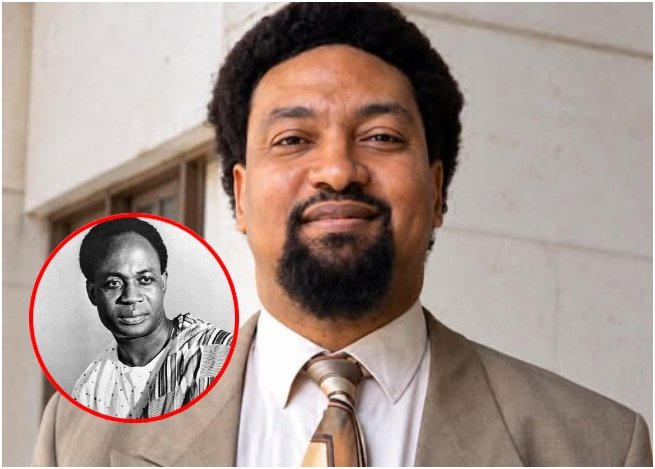
Gamal Gorkeh Nkrumah, the journalist, writer, and intellectual son of Ghana’s founding president, Osagyefo Dr. Kwame Nkrumah, has died in Cairo, Egypt, following a prolonged illness. He was 67.
The Nkrumah family announced his passing in a statement released Tuesday, describing it as “a profound loss not only to our family and loved ones, but also to the wider community of friends, colleagues and readers who valued his insight, humanity and unwavering engagement with the great questions of our time.”
According to the family, Gamal Nkrumah passed away peacefully after receiving care at a rehabilitation centre, where he had been recovering from a stroke.
A Life of Intellectual Engagement
Born in 1958, Gamal Nkrumah carved out a distinct identity as a newspaper journalist and commentator, dedicating his voice and intellect to examining the political, social, and cultural forces shaping Africa and the wider world.
Throughout his life, the family said, he remained “deeply committed to the ideals of justice, human dignity, African unity and international solidarity.”
Described as a man of “profound intellectual curiosity, independence of thought and quiet conviction,” Gamal carried forward the legacy of his father in his own distinctive way, while building a reputation firmly grounded in his own principles and achievements.
His passing marks the loss of a respected voice in African journalism and intellectual life, one whose work spanned continents and engaged deeply with the pressing issues of his time.
A Family in Mourning
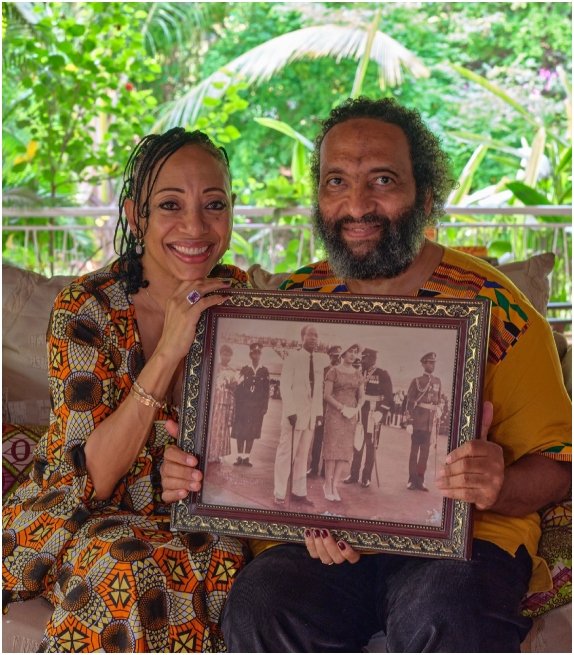
Gamal was one of the acknowledged children of Kwame Nkrumah and Fathia Nkrumah. He is survived by his siblings: Samia Nkrumah (born 1960), a politician and former leader of the Convention People’s Party (CPP); Dr. Francis Nkrumah (born 1962), a paediatrician; and Sekou Nkrumah (born 1964), a politician and photographer.
The Nkrumah family remembered Gamal “with immense love, gratitude and pride,” stating that “his wisdom, kindness and devotion to the values he held dear will remain an enduring source of inspiration.”
Gratitude and Requests for Privacy
In their statement, the family expressed heartfelt appreciation to all those who stood with Gamal throughout his illness, particularly the medical professionals and caregivers in Cairo who provided him with care and dignity.
They also extended “deepest thanks” to the governments and people of his two countries, Egypt and Ghana, for their generous support.
The family has kindly requested privacy as it mourns this deeply personal loss. Details concerning memorial arrangements and opportunities to pay tribute to his life and legacy will be communicated in due course.
“May he rest in eternal peace,” the statement concluded.


-

 Festivals & Events2 days ago
MaddFest 2027: Welcome the New Year with a Night of Celebration in Accra
-
 Global Update2 days ago
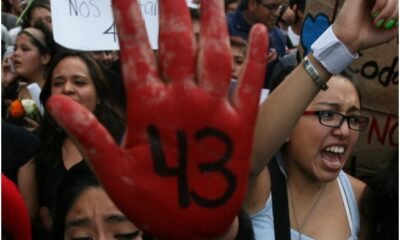
Wave of Student Killings at Mexico Universities Raises Safety Concerns
-

 Ghana News2 days ago
Mahama to Churches: The Real Sermon Is Written After the Closing Prayer
-

 Reels & Social Media Highlights2 days ago
Ghana’s Timeline Erupts: Showboy’s Crude Plea, Asantewaa’s Silence, and a Nation Divided
-

 Health & Wellness2 days ago
The Scale Can Lie: Why Lifting Weights May Help You Lose More Fat
-

 Festivals & Events1 day ago
Velukusi Festival: Re-enacting the Ewe Escape to Freedom in Ve-Deme
-

 Taste GH1 day ago
Simple, Nourishing and Rooted in Tradition: Discover Ghana’s Kapala
-

 Fashion & Style2 days ago
Dressing for Your Shape: How Strategic Styling Can Transform Everyday Fashion
Pingback: Ghana News Live Blog: Key Updates on January 20, 2026